Voices: 13 Miles and 4 Bridges
River trip boasts beautiful views yet demands careful attention, says Rich Brazil, rear commodore of the Petaluma Yacht Club
"Voices" is our new column for community contributions. Unlike opinion editorials, or op-eds – stay tuned for more from us on that front – "Voices" articles do not advocate for a particular position. Instead, they share expertise or express unique perspectives on life in Petaluma. If you would like to contribute, please email news@petalumavoice.org.
If you’ve visited downtown Petaluma lately, you may have noticed a plethora of boats docked in the downtown Turning Basin.
Where do they come from, you ask?
Most of the boats you see in the Turning Basin are from the San Francisco Bay or the Sacramento Delta.
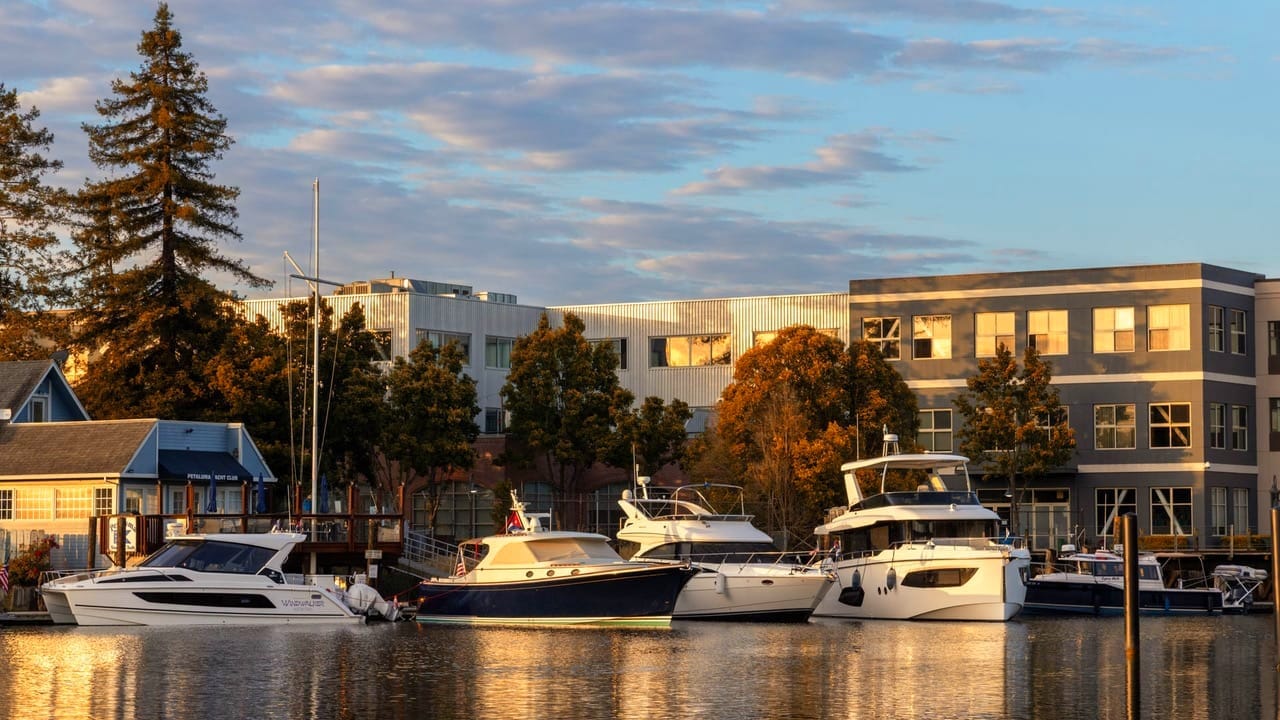
The Petaluma Yacht Club is one of more than 40 yacht clubs in the greater San Francisco Bay Area. Our local yacht club, known as PYC, is the main information-gathering point for visiting yacht clubs and Bay Area boaters who wish to cruise to Petaluma.
Visiting boaters setting out from the San Francisco Bay make their way under the Richmond-San Rafael Bridge. From there, they cross San Pablo Bay and navigate to the mouth of the Petaluma River. Boats cruising from the Delta also cross San Pablo Bay, often navigating against strong wind and tides. The journey up the river, which is actually a 13-mile tidal slough, will take the boats past an old railroad swing bridge and under four other bridges.
It might surprise locals how much careful planning and execution is required for a cruise to Petaluma. Communication between visiting yacht clubs and PYC usually begins weeks in advance. Collaboration between clubs allows boaters from as far away as Half Moon Bay to have peace of mind that their trip will be a pleasant one.
Long before a boat sets out, many boating-related details must be handled. Fuel tanks need to be filled. Weather forecasts and tidal information need to be considered. The safety of the crew and vessel, being the responsibility of the vessel's captain, mustn’t be taken lightly.
When it comes time to navigate, cruising across open water requires constant attention to other boaters and hazards. When the boat enters the Petaluma River and crosses under the Highway 37 bridge in Marin County, it generally brings a sense of relief and calm to the crew as they wind their way upriver toward downtown Petaluma.
The views of our beautiful river are a welcome sight to our boating visitors, who will later share many wonderful stories over a refreshing drink.
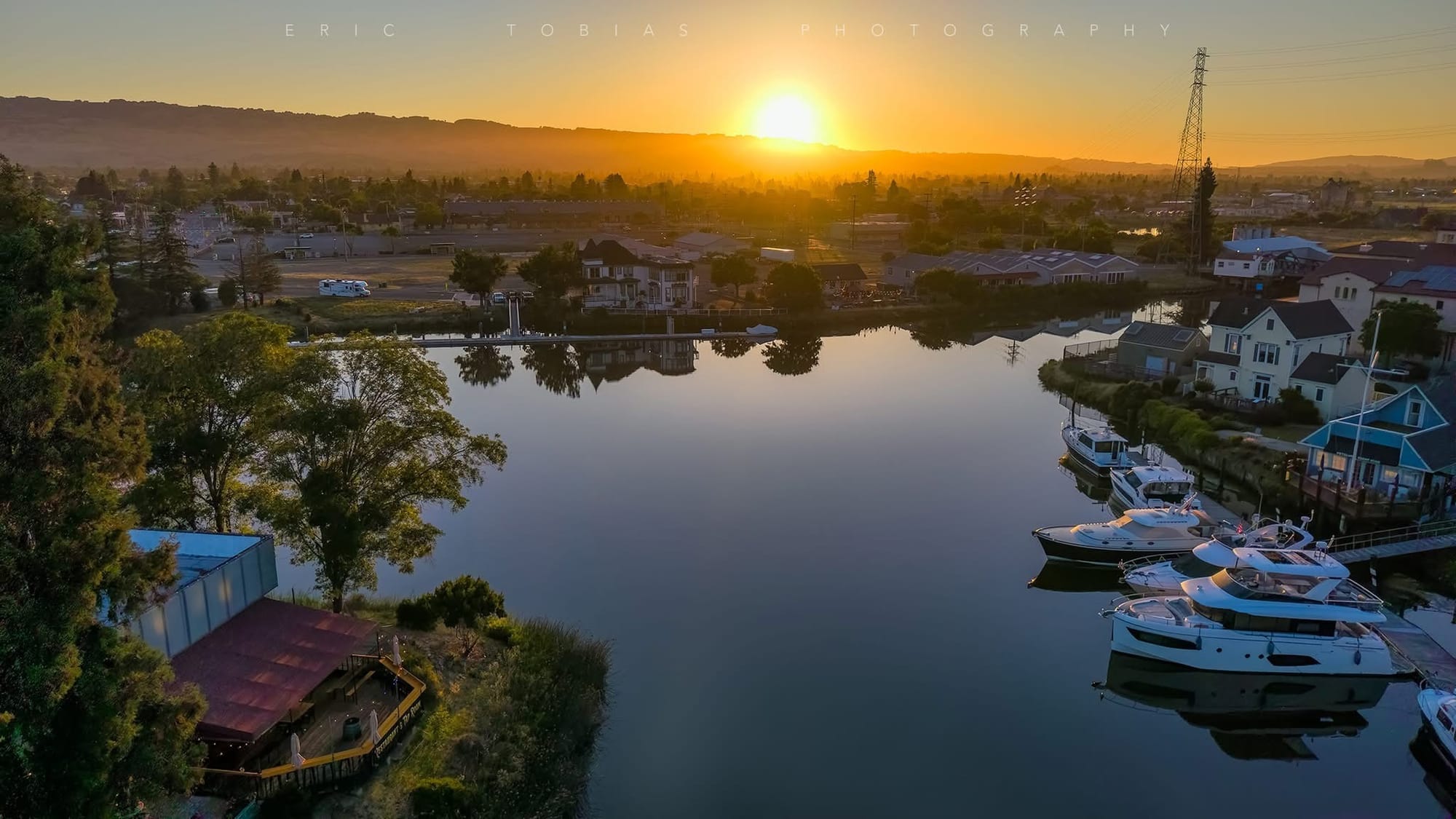
The two-hour river journey boasts an abundance of wildlife. Geese, ducks, egrets, herons, and even deer are routinely seen. Wetland marshes and farmland vistas greet the eager visitors. The ever-changing landscape can easily become a distraction for boaters. A smart captain advises the crew to keep a sharp lookout for other vessels, including our growing community of paddling and rowing friends.
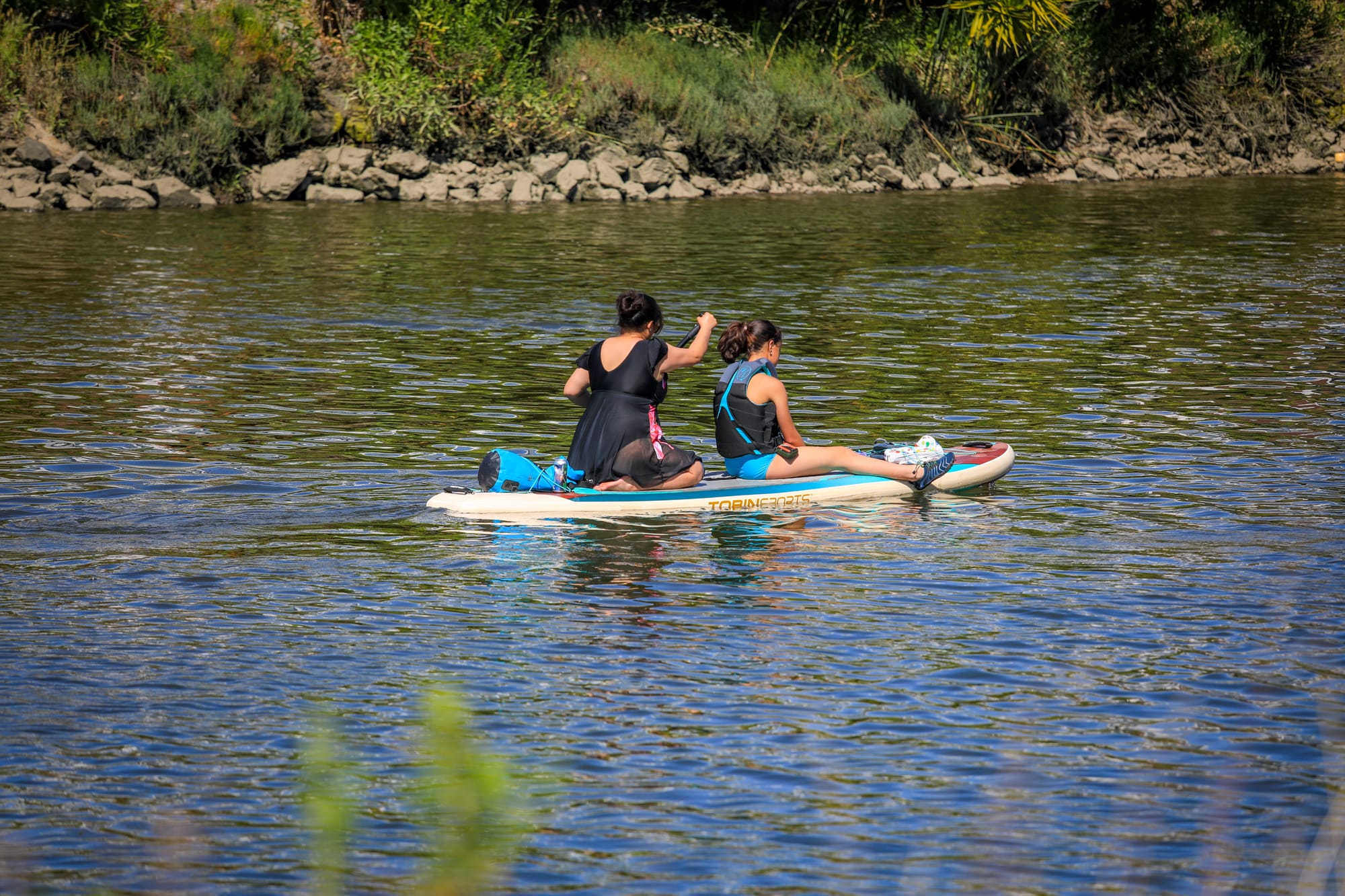
Inland waterway regulations require smaller vessels, including those operated by paddlers and rowers, to give way to larger vessels. The narrow river and slow speeds restrict the ability of larger vessels to maneuver. The captain's visibility is also limited, requiring his crew and smaller craft to remain alert.
The Haystack Landing Bridge becomes the next concern for the captain. The single-leaf bascule bridge, with one movable span balanced by a counterweight, is operated by the Sonoma-Marin Area Rail Transit, or SMART. It rests in the closed position on most days to allow SMART passenger trains to cross without interruption. Sunday is an exception, when it’s held in the open position because of increased weekend boat traffic.
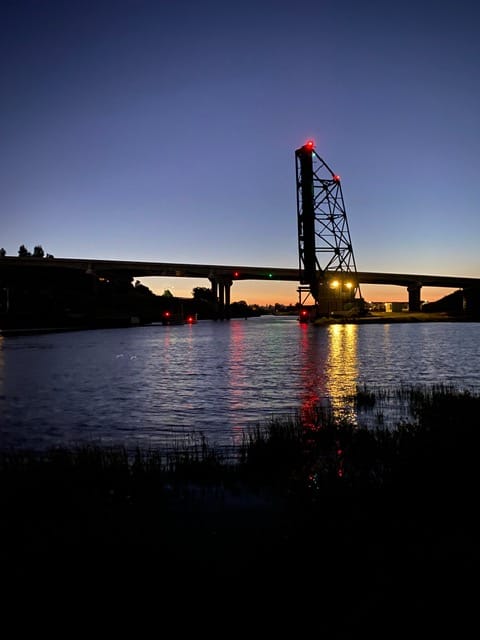
When the bridge is closed, the approaching vessel must communicate with a bridgetender via VHF radio to make a request for the bridge to be raised. The bridgetender then raises the bridge during a break in train traffic.
Crossing under the bridge’s hulking, green-steel structure and narrow channel, the crew senses they are closing in on their final destination.
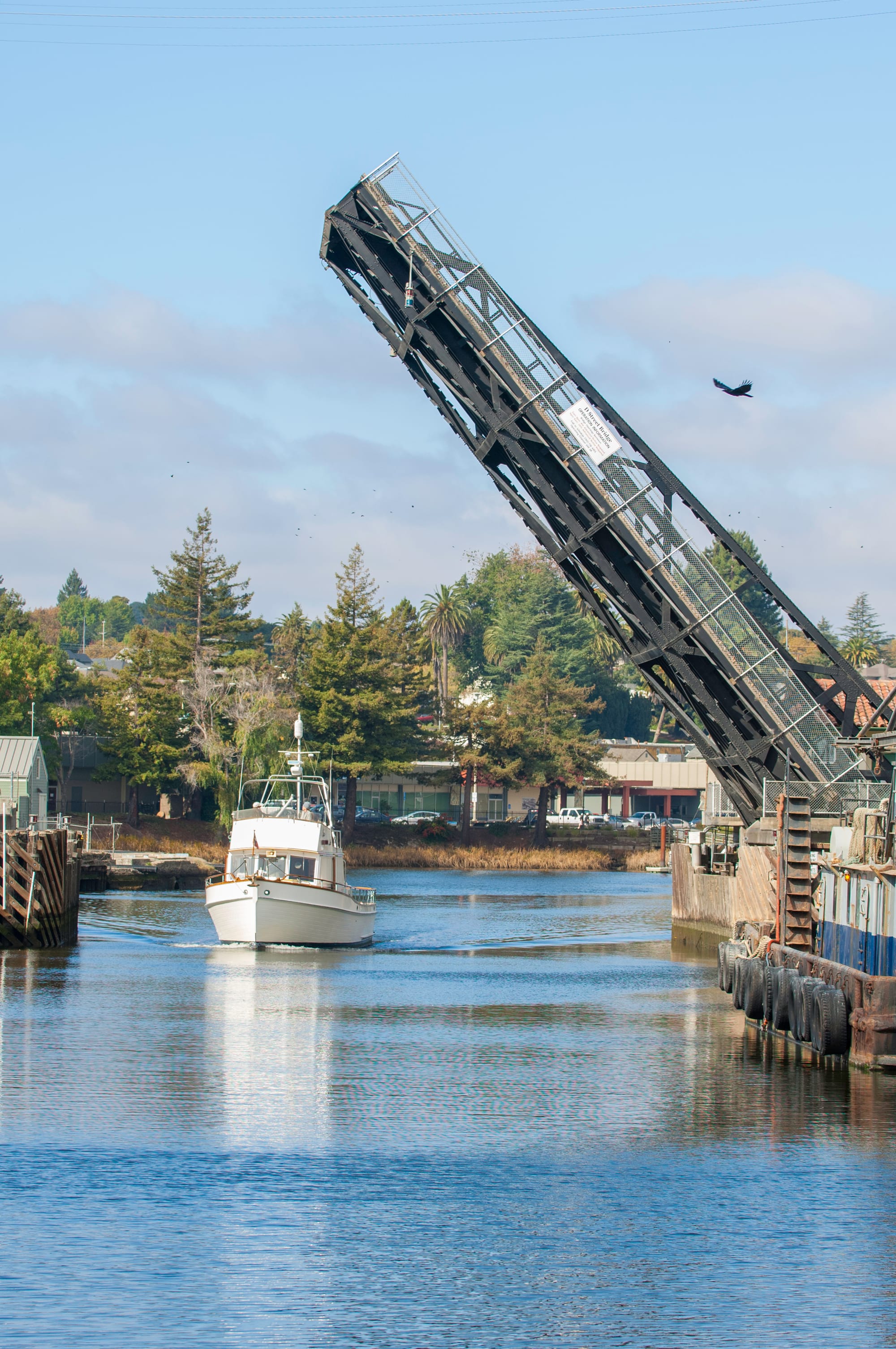
The D Street Bridge in Petaluma is next. Requests to raise the drawbridge to allow a vessel to pass underneath must be made via email or phone to the City of Petaluma Public Works drawbridge operator at least four hours in advance.
The coordinated radio communication between the vessel's captain and the bridgetender initiates the raising of the city’s 93-year-old drawbridge, which includes warning signals, flashing lights to slow automobile traffic, and the lowering of the bridge's traffic arms.
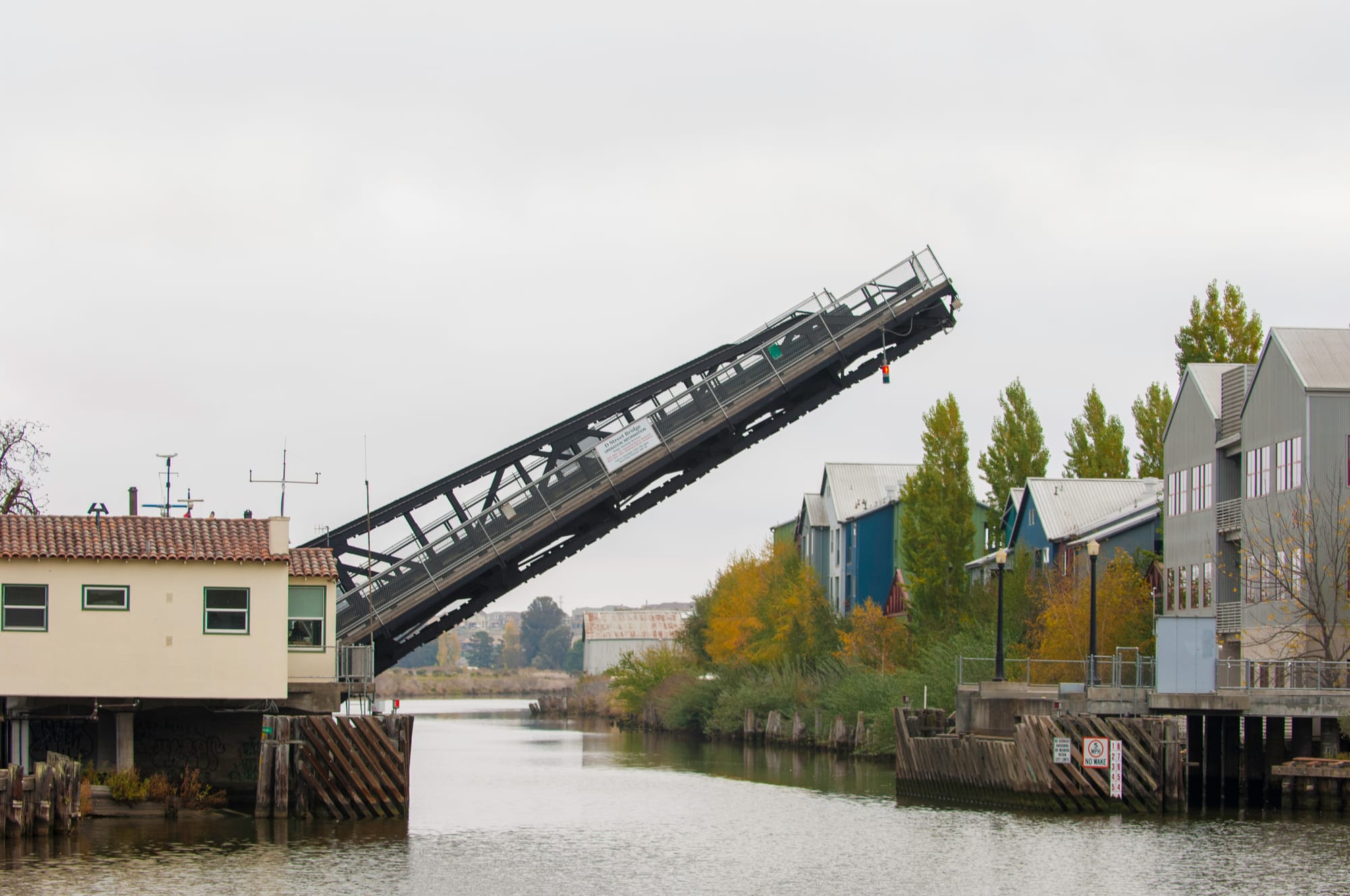
The bridge rises slowly as the boat's captain holds position until it is fully open. Once open and safely under, a hearty “job well done” wave to the bridgetender brings the boat to the downtown turning basin docks. With proper planning, especially during busy weekends, a Petaluma Yacht Club volunteer will happily assist a vessel tying up to the dock.
The Petaluma Yacht Club is proud to welcome our boating friends and is pleased to help in their enjoyment of Petaluma, offering recommendations on where to eat and what to do in town, helping with fuel concerns, providing information on city slip fees, and sharing navigational advice and water-depth knowledge.
Visiting yacht club members usually congregate at PYC for a refreshing welcome drink before heading to restaurants and shops to start their fun-filled weekend in Petaluma.
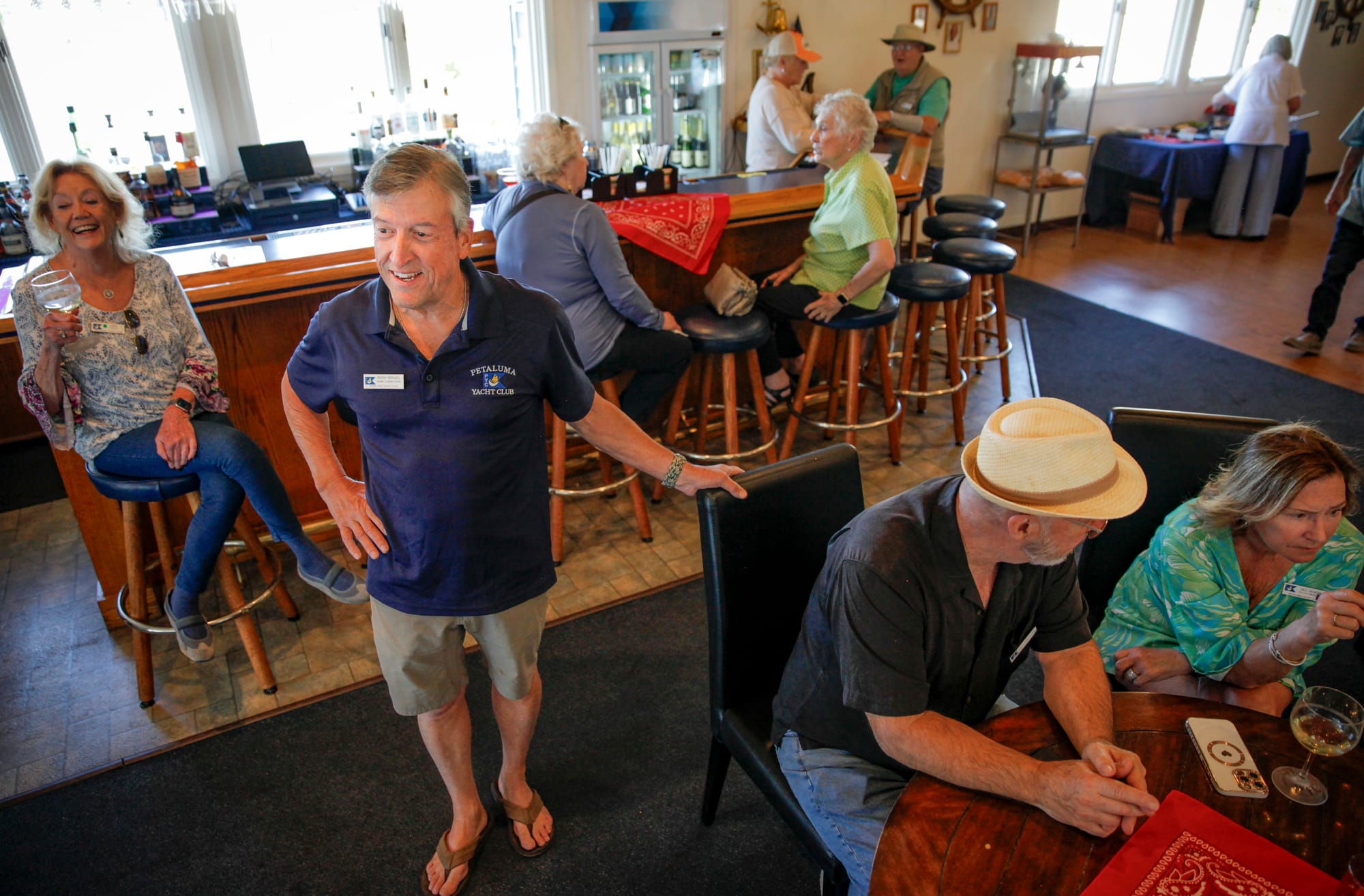
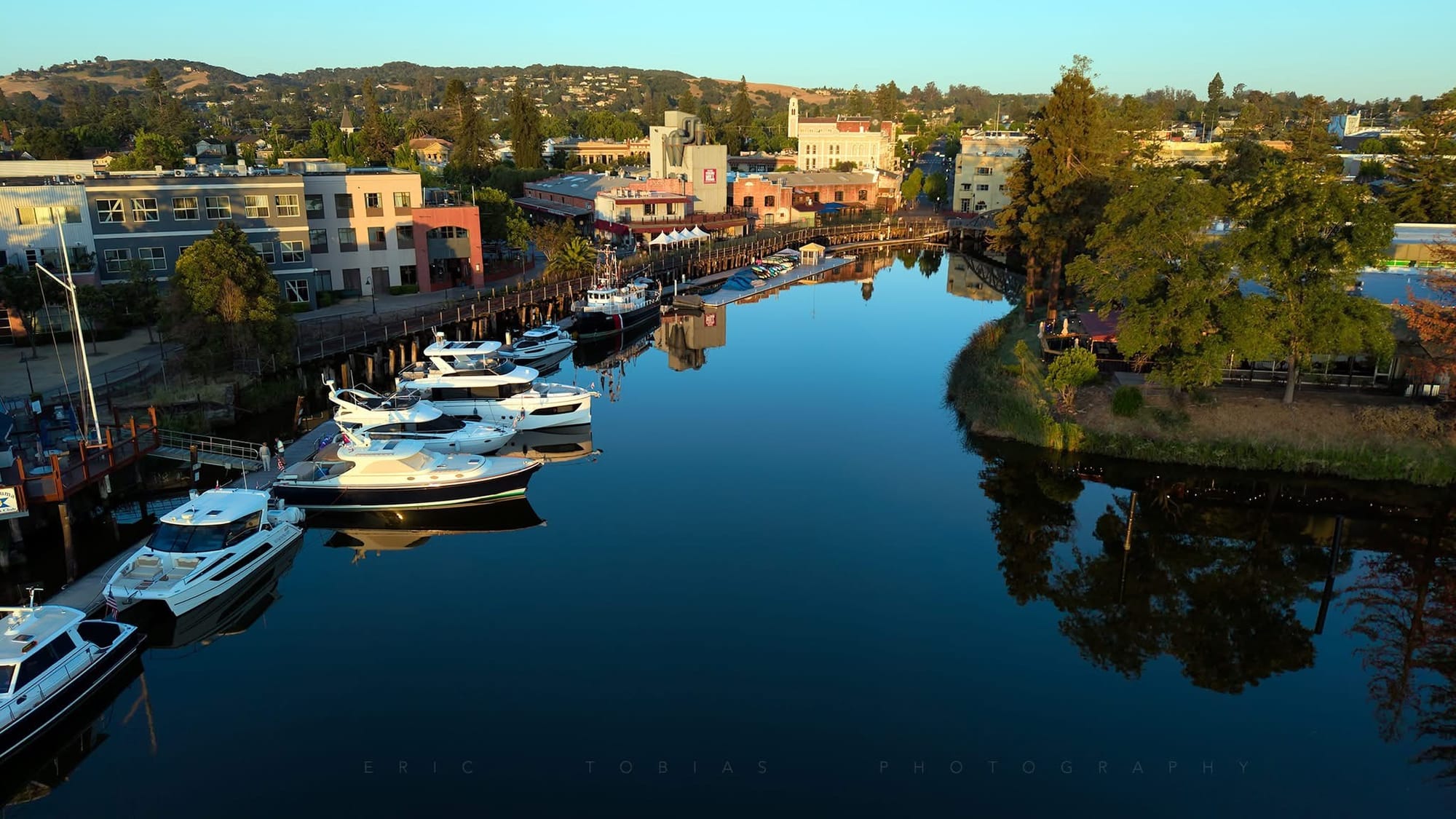
Most consider Petaluma their favorite cruising destination and make annual trips a tradition. Our local merchants appreciate their business and welcome them with open arms.
Next time you see a visiting boater downtown, give them a hearty, “Welcome to Petaluma.” They earned it!
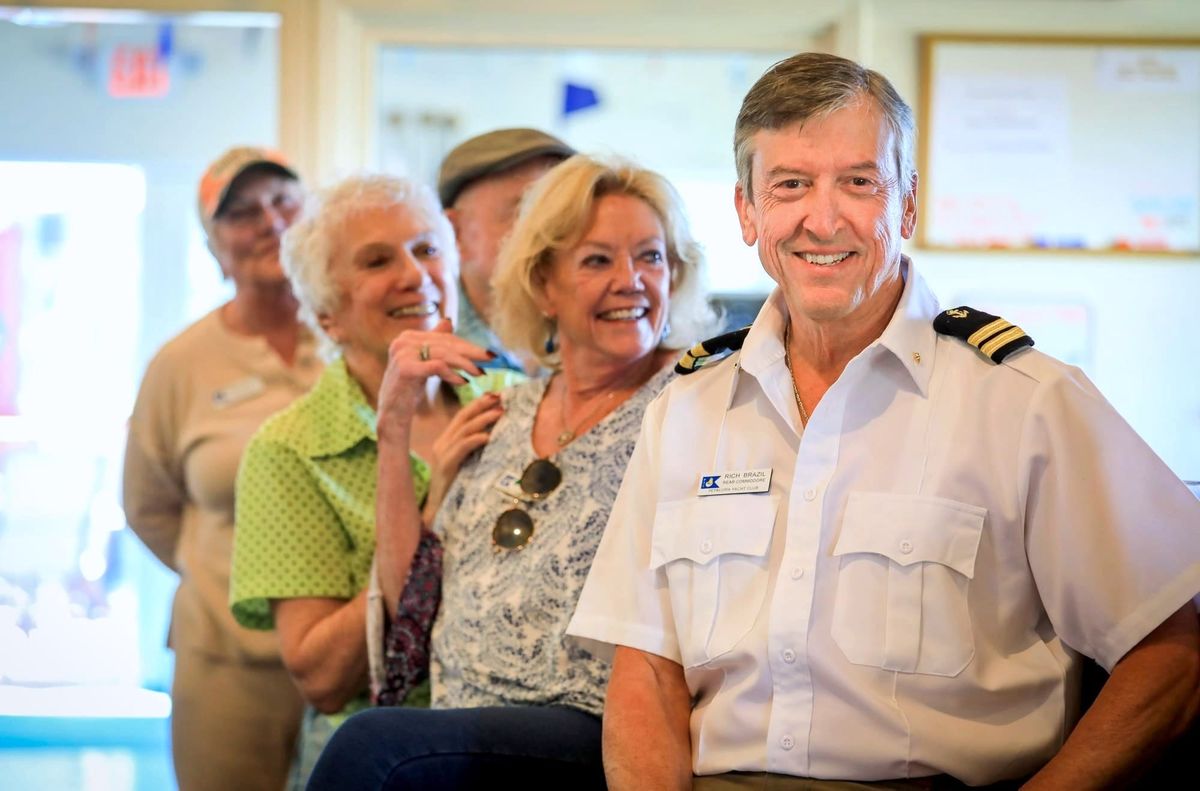
Rich Brazil is the rear commodore of the Petaluma Yacht Club.