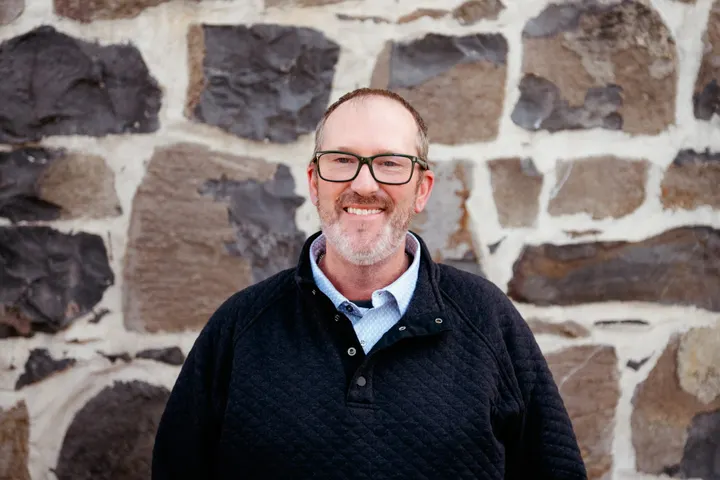
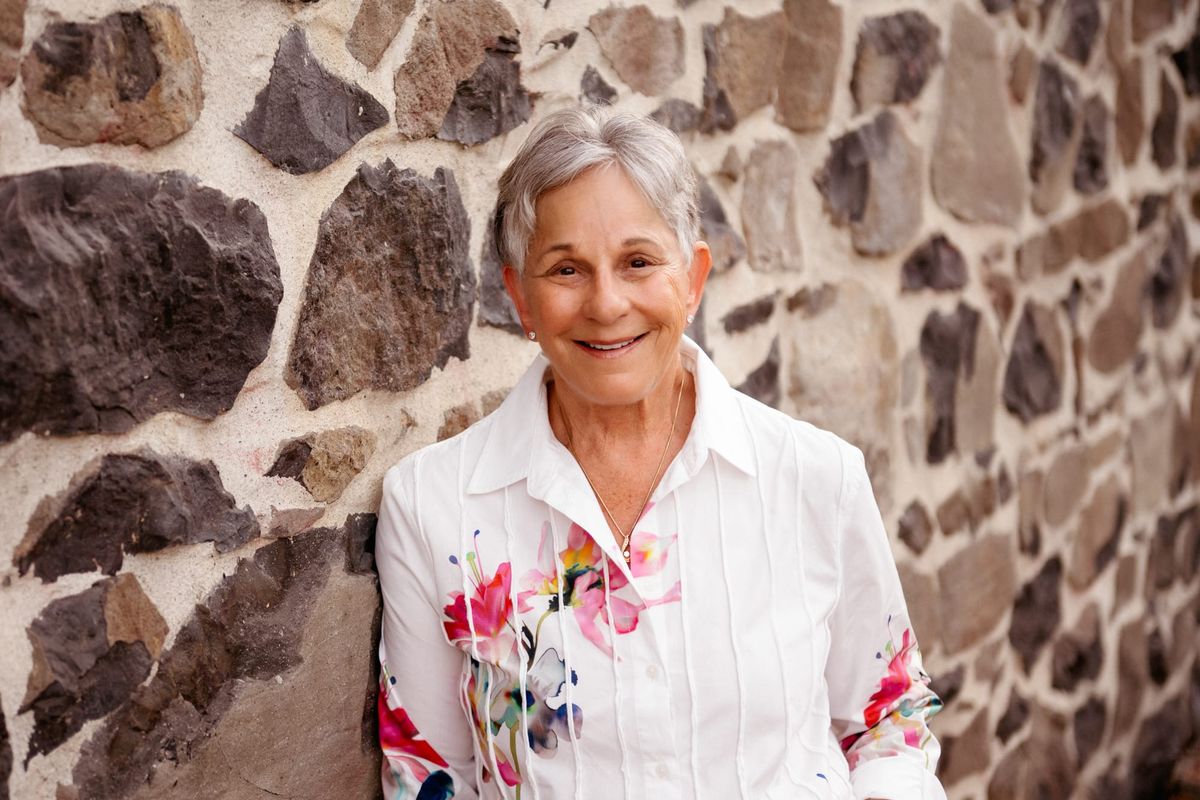
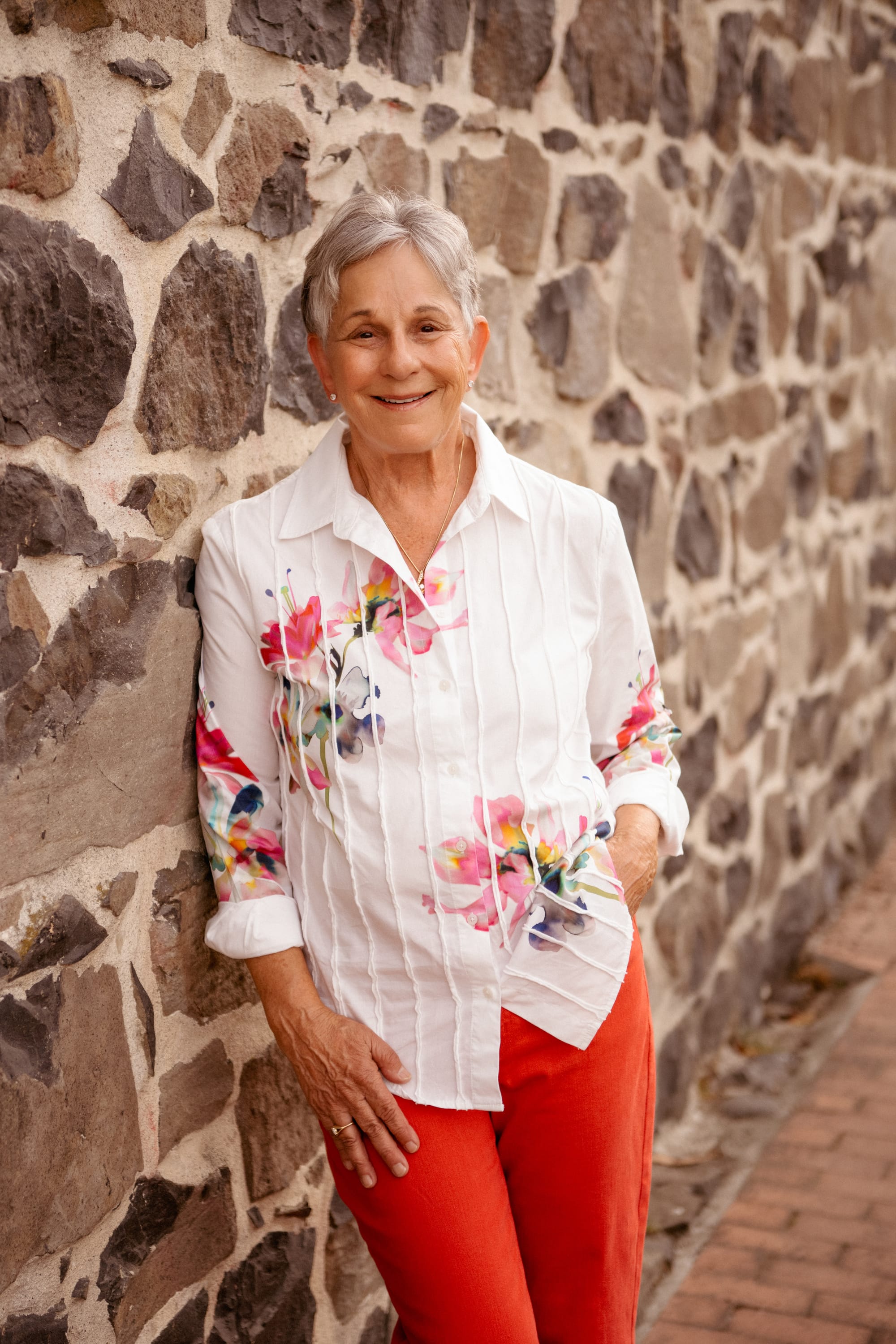
City Council candidate Janice Cader Thompson
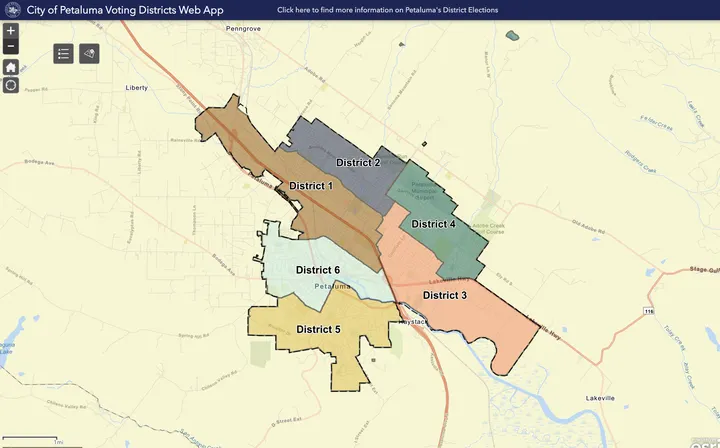
Cader Thompson is running to represent District 1 on the Petaluma City Council
Petaluma Voice reached out to each of the Petaluma City Council candidates for a one-on-one interview. They were all asked the same set of 17 questions, which they heard for the first time during the interview. Interviews took place between Thursday, Oct. 1, and Saturday, Oct. 3. Candidates had one, two, or three minutes to answer each question, and they could choose not to use the entire allotted time.
For each candidate, we are publishing their answers to five key questions below. Responses have been lightly edited for readability. Readers who want to take a deeper dive and see candidates’ responses to questions about other issues facing Petaluma voters can find the full interview transcripts here.
Each candidate also answered a questionnaire. Their responses have been lightly edited for readability.
Questionnaire
First and last name: Janice Cader Thompson
Age: 71
Occupation(s)/where do you work: Retired dental hygienist
How long have you lived in the district you intend to represent? 48 years
How long have you lived in Petaluma? 71 years
Past committee, commission, board experience: Planning Commission, Airport Commission, Visitors’ Program advisory committee, General Plan Advisory Committee, Past President North Bay League of Cal Cities 2001
Would you care to describe your immediate family? Spouse, kids? My husband Jerry was a union painter in San Francisco, after retirement he volunteered for Mentor Me. He likes water aerobics and he was a lifeguard at the Cavanaugh Pool. We have three adult daughters, and six grandchildren.
What is the best way for constituents to reach you? Janice4council@gmail.com, 707 774-5912
Links to social media pages, campaign site: Janice4council.com and https://www.facebook.com/profile.php?id=100084756041140&mibextid=wwXIfr
Filings
Funds raised: Through Sept. 19, Cader Thompson has raised over $12,600 in monetary contributions toward her campaign and made over $2,100 in expenses. Her campaign has $5,400 in outstanding debts and a cash balance of more than $5,900. (Note: the latest campaign filing period spans July 1 to Sept. 19, 2026)
Assistant treasurer: Helene B. Dorenfeld
Principal officer: None listed.
Notable endorsements (incomplete list): Sonoma County Conservation Action, Sonoma County Democratic Party, Petaluma Federation of Teachers, Petaluma Firefighters Local 1415, Petaluma Police Officers Association of Petaluma, North Bay Labor Council AFL-CIO
Financial filings: https://netfile.com/public/pet/campaign/filingsByCandidate/204342596-Cader%20Thompson,%20Janice
Why do you think you're qualified to represent the residents of Petaluma on City Council? (2 minutes)
Well, I've been in District 1 for 48 years. We raised three daughters here. I've been active in local politics since about 1992, 1993. And there were issues that somebody came knocking at my door one day and I got involved and I've just stayed involved ever since. I went to council meetings regularly when I was not on the council. And then I took time off and then I started getting involved because there are issues that are really important to me and for the east side, because the east side has always been kind of neglected. And so I feel as though by having district elections and representing the east side, I really understand this side of town. I was raised on the east side on a ranch before many of these houses were built. So I watched the entire east side being built. And the ranch that I lived on was Cader Farms and we welcomed people to our ranch. So everybody came up and they bought eggs and so we really got to know the community well. And they were like our friends. They weren't just our neighbors, but they became friends. And people still talk about the ranch and buying the fried chicken there and eggs. And then my dad built the duck pond and of course, he would bring Kilpatrick's bread home, which is not good for the ducks, but people would come up and feed the ducks. We'd bring their kids. We had a donkey named Sylvester, and then there was a goat that would get on Sylvester's back. And so we just really made our ranch community. We did not want people not to be there. We wanted them to come and experience Petaluma the way that we're able to experience it, being on a ranch versus in town. And so we were just a very welcoming family. And that's how I like to look at politics. It's about everybody and being inclusive. And so I think it's important that the east side have representation. I do like the districts.
What do you believe are our biggest issues and how do you intend to address them? (3 minutes)
I think our biggest issues are probably financing and I think that's with every city. Another big issue is housing. We want to make sure that young people can come, move into our town and that they can actually afford it. Right now rents are very high, housing costs are very high and we're not building enough housing for first time home buyers. And we're not building enough housing so people like me could actually move out of my four bedroom house and maybe move into a smaller home, giving younger people an opportunity to build a home for their family in a nice neighborhood. So I think those are some of the issues coming before us. And every day we always look at the roads and wanting to improve that system. Petaluma has, I think, about 177 miles of roads. That's a lot of roads, compared to like Cotati has a couple miles of roads. So it's easier to maintain than it is in, like, the city of Petaluma. But I think it's really important when we do roads that we're always looking at the infrastructure because every road that you're driving on, there's an entire transportation city below. And that infrastructure needs to be maintained and it has not been maintained in a long time. So whenever you see roadwork being done, we're actually doing the undergrounding and tying it together at the same time. So you don't have to do the road first and then tear up the road to do the piping underground. I think those are big issues, facing Petaluma. But I also think that the safe streets, making the east side, which is built like a highway system, bringing it down to safer streets so people can cross safely, is a real focus of this community. I'm just not hearing a lot of complaints when I'm going door to door. People seem to be pretty pleased with what's going on. They like the downtown. They love the SMART train and being able to get on the SMART train to go to downtown. So we have this great interconnective transportation system that people are really appreciating. And what you really want to do with the transportation system is make sure that all the bike trails actually interconnect with each other. Because what we find is all of a sudden you have a bike trail and it ends, and where do you pick it up again? And so we're trying to connect all those bike trails. And then you have the SMART trail, which we want to interconnect with also. And I think those are things that are important to the community. And those are things that I really want to work on the Corona overcrossing, which is near and dear to my heart is now being engineered and designed and we're going to be widening that bridge for a separated bike and pedestrian (path) on the south side and a separated bike path going on the west side. So that's being engineered and I think it's really exciting that we're to that point because once you get it engineered now you're going to go for the money and we have a lot of state and federal officials that are supporting this project.
What could be done to support small businesses here in town? (3 minutes)
That is a great question because for a town to be successful you have to have businesses that are successful and that's really a goal of mine and other council members and so ways of doing that is through zoning. Just as an example, if you open up an art gallery you have to have a separate permit to allow art lessons. So maybe we can go ahead and streamline those types of processes. And that's just one example. But I think we also need to look at a lot of the vacant lots in our town. And we have plenty of them. And they've been vacant, some for decades. And we have to figure out how we're going to get this family to move forward with actually repurposing their buildings so businesses can move in because there's businesses that want the buildings, but we don't have a property owner that wants to work with anybody. And so I think that's a real challenge, but I know it's really good for our downtown businesses to have storefronts that are not empty. And people love coming to Petaluma. I was just at a conference, everybody knows Petaluma, and now they're getting to know the SMART train. And so people are really excited to go to Windsor now because the SMART train goes to Windsor and they go to listen to music there. But it's the same thing. People from up north or from the south are now coming to Petaluma for just outside activities. And all of that when it's in our downtown is really important for our businesses. And we're working on the trestle, which is great that it's a community group that's actually moving forward with this project and they're going to design it. And when you design something, then you really find out how achievable it is by the cost. And so I think that is going to be a real catalyst for our downtown. I was just at a conference and they were talking about San Luis Obispo, Santa Barbara and Goleta. All three of them have something in common with Petaluma: we have all old towns. We're all trying to recreate our old town because we realize the economic value of bringing tourism in. And I know people don't want tourists to come here, some people. I welcome them. They come and they buy in our town and they just keep our town vibrant. And if you look at the trestle area and you look at expanding that space, so it's really a public space, it's good for not just tourists, but it's good for the community also. So I think it's really important that we focus on what we can do in our downtown, but we also have business parks that need people because we have a lot of vacancies in those and they bring in a lot of tax dollars. And so right now that's the direction we're looking at, is getting business parks filled and also at the same time working on our downtown. And we can do all of it at the same time.
What are your main concerns about our city budget as it currently stands? (2 minutes)
My concern is 2028 and we're already looking ahead because I think we're going to be decreasing in our dollars. And that's why it's important when we talk about economic development in our downtown and vacant buildings, they are actually contributing to the decline of our revenue. And that's why it's so important that we actually work on making sure that lots cannot be vacant for decades anymore in the heart of our town because it's really hurting us financially. If those buildings actually had a tenant, we'd be bringing in more tax dollars and that would be good for the city. The hotel downtown would have been a huge boon for downtown. The south end of town is kind of a vacant space because of all the buildings around them that are vacant and that have been vacant for decades. And so in order for a city to maintain our parks, maintain our roads, maintain our police and fire, you need to have revenue. And that's just the truth of the matter. All cities are going through the same thing. It's not just the city of Petaluma because of what's happening at the federal government. And the Big, Beautiful Bill was not big and beautiful. And my concern is really 2028, but we're preparing for that now. People feel like they are just taxed out. It's just, it's challenging. But I want to take that on and start really working at the economics, and that's when I talked earlier about the business parks that have vacancies in there. We actually have a dedicated person going out and looking at businesses that could come to Petaluma that fit into specific buildings. And that all brings in dollars for our town. But I think the biggest – what we see the most, we don't see the business parks, but we do see the downtown buildings. The old kitchen and bath (space), that would be a beautiful property (for) redevelopment and it brings in dollars for our city.
Anything else you'd like to add that maybe I haven't asked or that you would like your constituents to know about? (3 minutes)
Yeah, I just want people to know as I walk door to door, people are just not complaining. The east side is pretty pleased. There are things that, I mean, yesterday I got a letter from somebody. The concern is Sonoma Mountain Parkway when people go up to the roundabout at Corona. People go way too fast, and there's a concern. How do I walk? How do I get out of my car? How do I even walk out of there? How do I walk across the street? You know, those are things that are really, really important for me is making sure that the community is safe. And what I want to do in the next four years is, as I said earlier, I want to make sure that the Corona Overcrossing is actually being built. I want to make sure that E. Washington Street is actually completed and the pipeline underneath there. I love infrastructure. So I'm looking at infrastructure projects to make it so everybody can, this sounds weird, but you can flush your toilet, you can turn your water on, you have all those things that come from underground that come into our house. And I think it's really important that people recognize that what we do as a city council, it's important to the community and it's important for a community to be not just safe, but functional. Our parks are in such better shape because of the purple pipelines – the recycled water. And those are things that are really exciting that are happening. Nobody really knows it happens because it's all underground. Our skateboard park at Lucchesi Park. I was talking with somebody two days ago because we're always talking about the duck poop at Lucchesi Park, but the city goes in and they are actually cleaning this up. But with the skateboard park and you have the soccer field and then you have Miracle League and then you have the baseball field and the Boys and Girls Club and then you have pickleball and tennis courts there and you have the senior center there. How can we re-envision Lucchesi Park because it is a large community park and there is a lot that can be done to improve that park. And so it was really great having this woman connect with me. We went down and we walked the park and it just so happened Drew Halter came out, he is the director of the Park and Recs department. And it was good that he just happened to come around a corner because he could answer some questions that I couldn't answer. You know, just how Lucchesi Park gets watered and people don't realize the pond was built so that park would get watered. Now we have purple pipes (with) recycled water that will be eventually hooked up to this. So I just think it's, for me, it's about community, making sure kids and families and seniors have a better life here. I'd love our senior center to expand. When you have 30% senior citizens and you have a senior center that has not really been expanded, we really need to focus on that also. So there are a lot of things that I want to focus on. And a lot of them, it's all about community and making sure that people have a great place to live because they moved here and they're welcomed.
Find the full interview transcript here.
Jennifer Sawhney is a reporter and co-founder of Petaluma Voice. She can be reached at jsawhney@petalumavoice.org.
Tobias Young, Nate Seltenrich, and Crissy Pascual contributed to this report.
Do you like our work? Support us with a tip.