City Commits $90 Million to Wastewater System Projects
The city will seek $70 million in debt financing to replace its aging wastewater system – with a stated intention not to raise customers’ sewer rates.
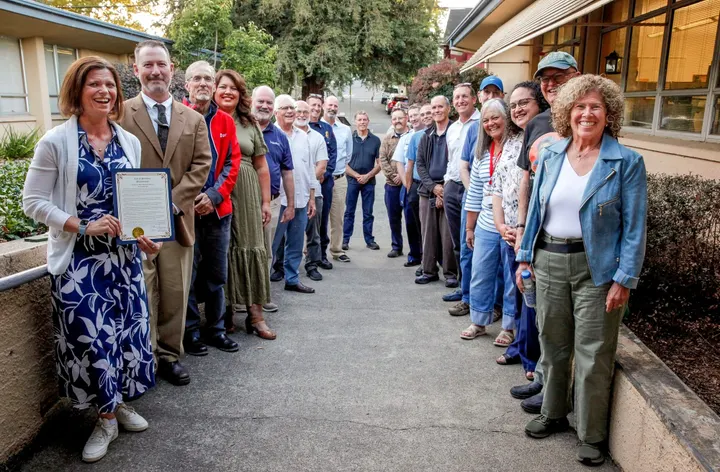
At its Monday night meeting, Petaluma City Council voted 6-0 to approve the issuance of these bonds to help fund “two long-planned essential capital projects” tied to sewage transportation, according to the staff report. Council member Karen Nau was absent.
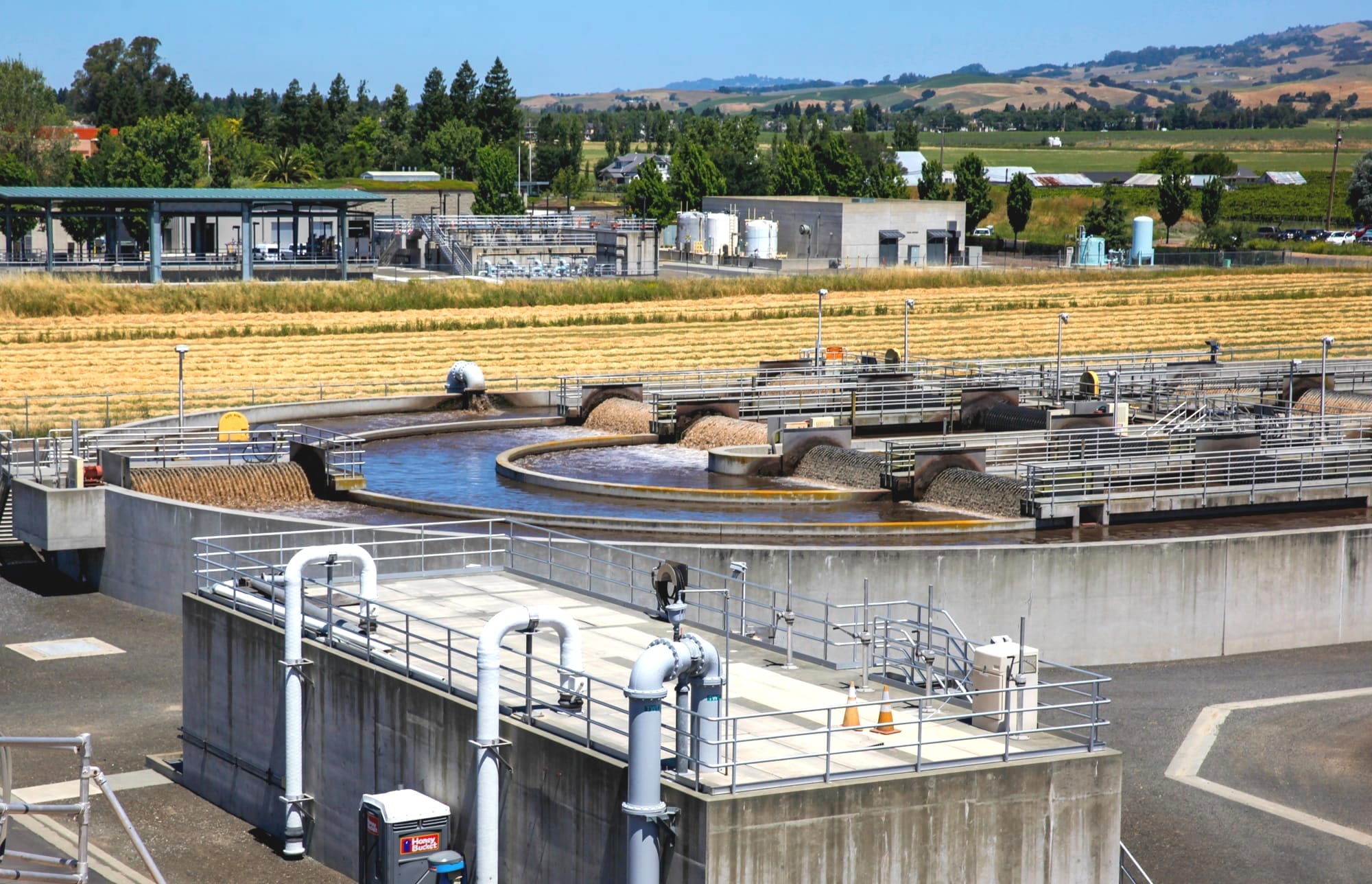
The first project is the construction of a secondary, redundancy main sewer – also known as the PIPS (Primary Influent Pump Station) parallel force main – to run alongside the existing, 2.5-mile-long and 36-inch-diameter main. That pipe is about 53 years old “and represents a critical single point of failure in the wastewater system,” said Chelsea Thompson, director of the city’s Water Resources and Utilities Department.
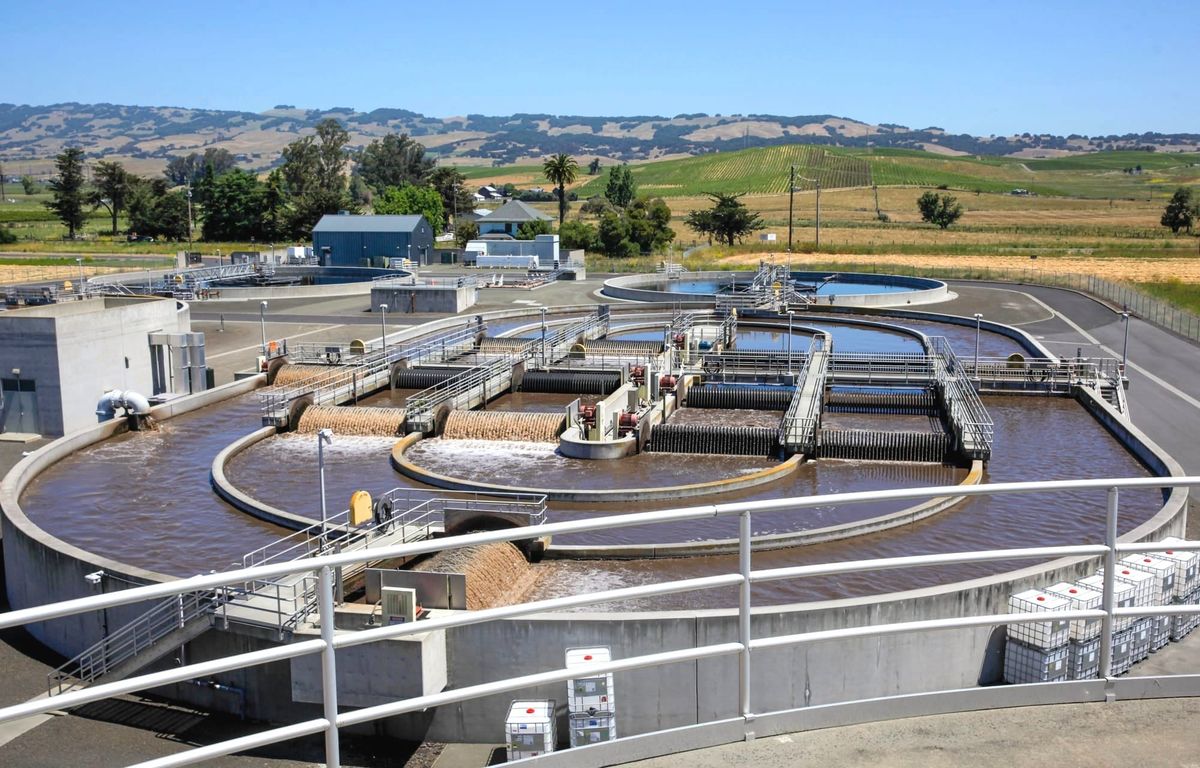
If it were to fail, the city would be unable to transport wastewater from the PIPS pump station to the Ellis Creek Recycling Facility for treatment. In the winter months, the main carries up to 36 million gallons a day, Thompson said.
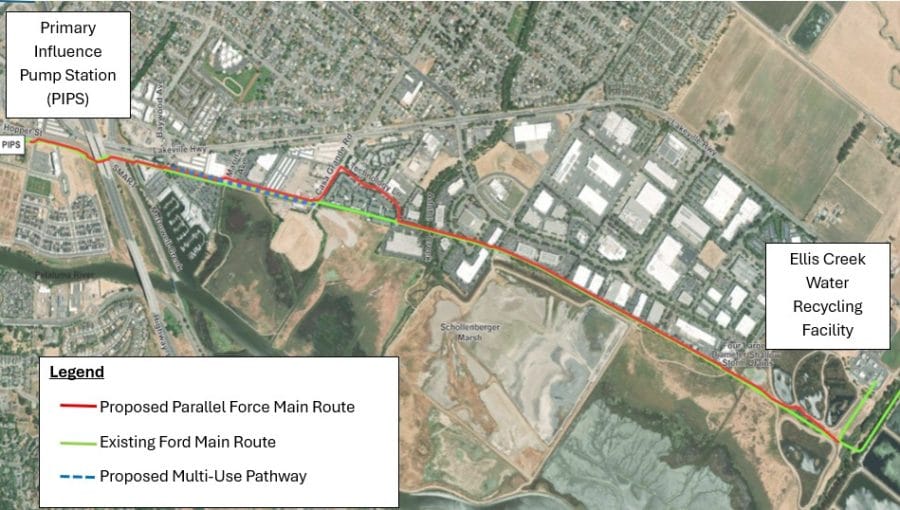
The second project is the replacement of the pump station on Hopper Street, which “due to its age, condition, and operational limitations, is nearing the end of its useful life and must be replaced,” according to staff. Construction is scheduled to start this September for an October 2028 completion.
Staff estimate the PIPS parallel force main project will cost $58.3 million, “including a substantial allowance for contingencies,” and the pump station replacement another $31.6 million. That comes to a total of $89.9 million.
The $70 million in bonds is “well within the city’s financial means, does not require new rate increases, and allows the city to maintain a strong cash reserve,” Thompson said.
The city will cover the remaining $19.9 million with cash, according to a staff report. Both projects were listed in the 2026-27 fiscal year budget, which City Council approved last month.
The projects “are aimed at improving resiliency and reducing the risk of sanitary sewage overflows or spills from pump station or force main pipe failure,” said the staff report. “Debt financing allows for the maintenance of healthy wastewater utility fund operating reserves — ensuring fiscal sustainability — while providing needed funding to complete these projects.”
The PIPS project design is “about 90% complete,” Thompson said.
Because of the pipeline’s proximity to a planned segment of multi-use pedestrian and bicycle pathway between Baywood Drive and Casa Grande Road, the project scope also includes construction of this segment of path. The new path is intended to create connections to other, existing pedestrian and bicycle paths as well as provide pipeline maintenance access points. Its estimated cost is $624,400.
Ahead of the vote, DeCarli asked why the city continues to issue bonds as costs continue to rise with council members Brian Barnacle, Janice Cader Thompson, Frank Quint, and Kevin McDonnell commenting on the urgency behind the projects for the public’s well-being.
“It just keeps getting pushed off and, like Councilmember Barnacle, I’m not okay with just continuing to let it slip into the future,” Quint said. “Let’s get it done and let’s give our city the facilities that they need.”
With the bond approval in place, the city will start the construction bidding process for the PIPS parallel force main in July or August. Construction is anticipated to begin in October for a March 2028 completion.
The city has planned for $132.9 million worth of wastewater system capital improvements over the next five years.
The bonds in question will have a 24-year term and are “fixed-rate,” meaning the interest rate will not fluctuate over its lifetime. The city could refinance in the future to secure a lower interest rate.
Currently, the bonds are estimated to have a 4.12% interest rate, and are rated AA+ by Standard & Poor’s credit rating agency. The city would pay $467,000 in upfront costs for the bond issuance, according to staff.