Cool Petaluma rebrands, expands after losing funding
A homegrown climate-resilience program is heating up instead of fizzling out after losing financial support from the city.
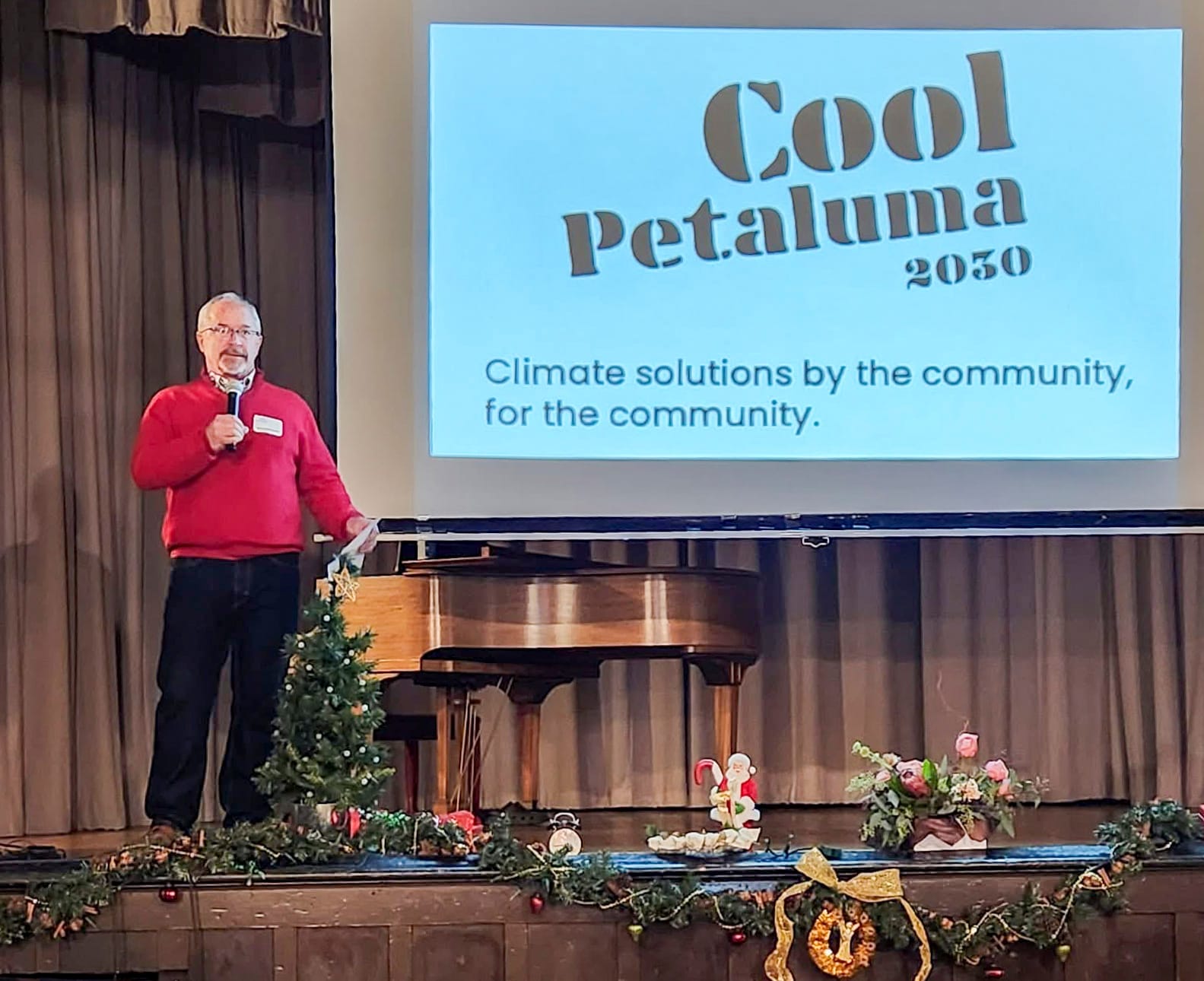
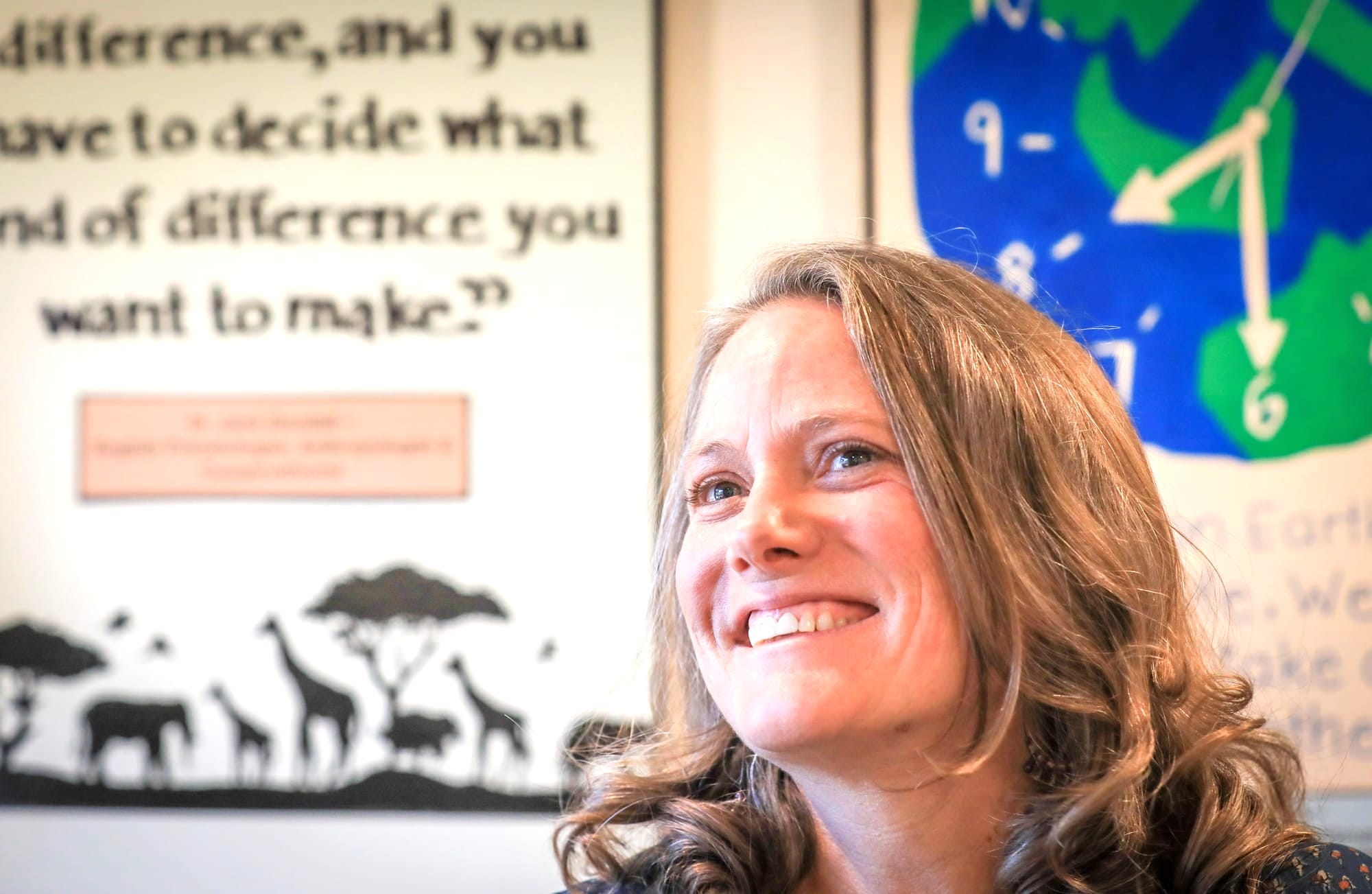
This month marks Cool Petaluma's transition to Cool Future, a move that will bring the neighborhood-based climate-action toolkit and curriculum developed in Petaluma over the last five years to four other cities in Northern California – and, hopes co-founder and Executive Director Natasha Juliana, eventually well beyond.
“Just as our work here in Petaluma, in collaboration with the city, has been ramped down, we're seeing this opportunity on a larger scale to help people replicate a grassroots program,” Juliana said. “Cool Future is like Cool Petaluma 2.0. We're looking at how do we take what we have uniquely done here and share that model with other places.”
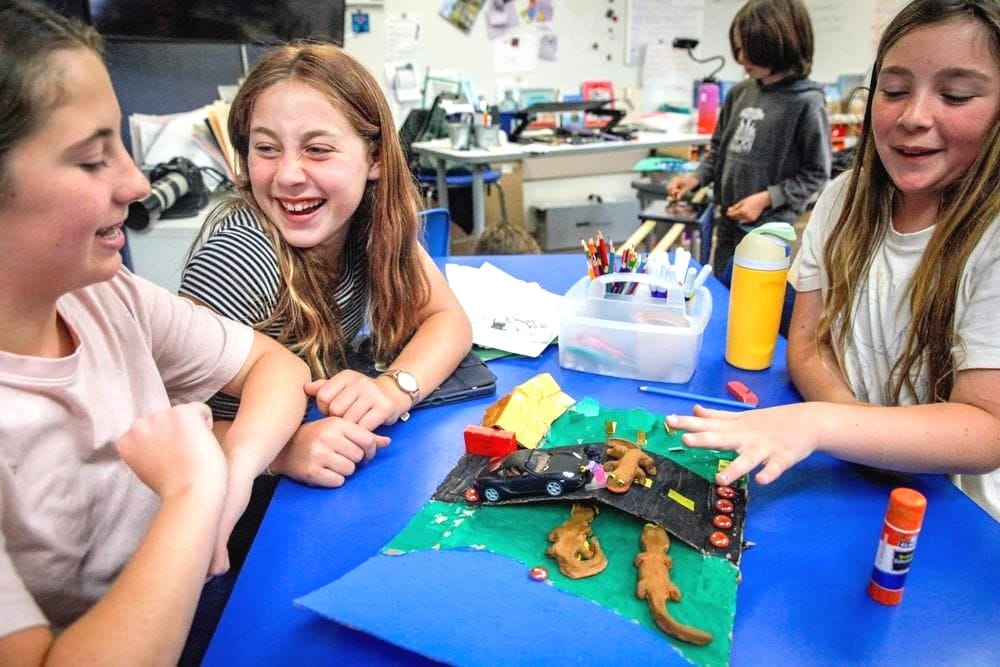
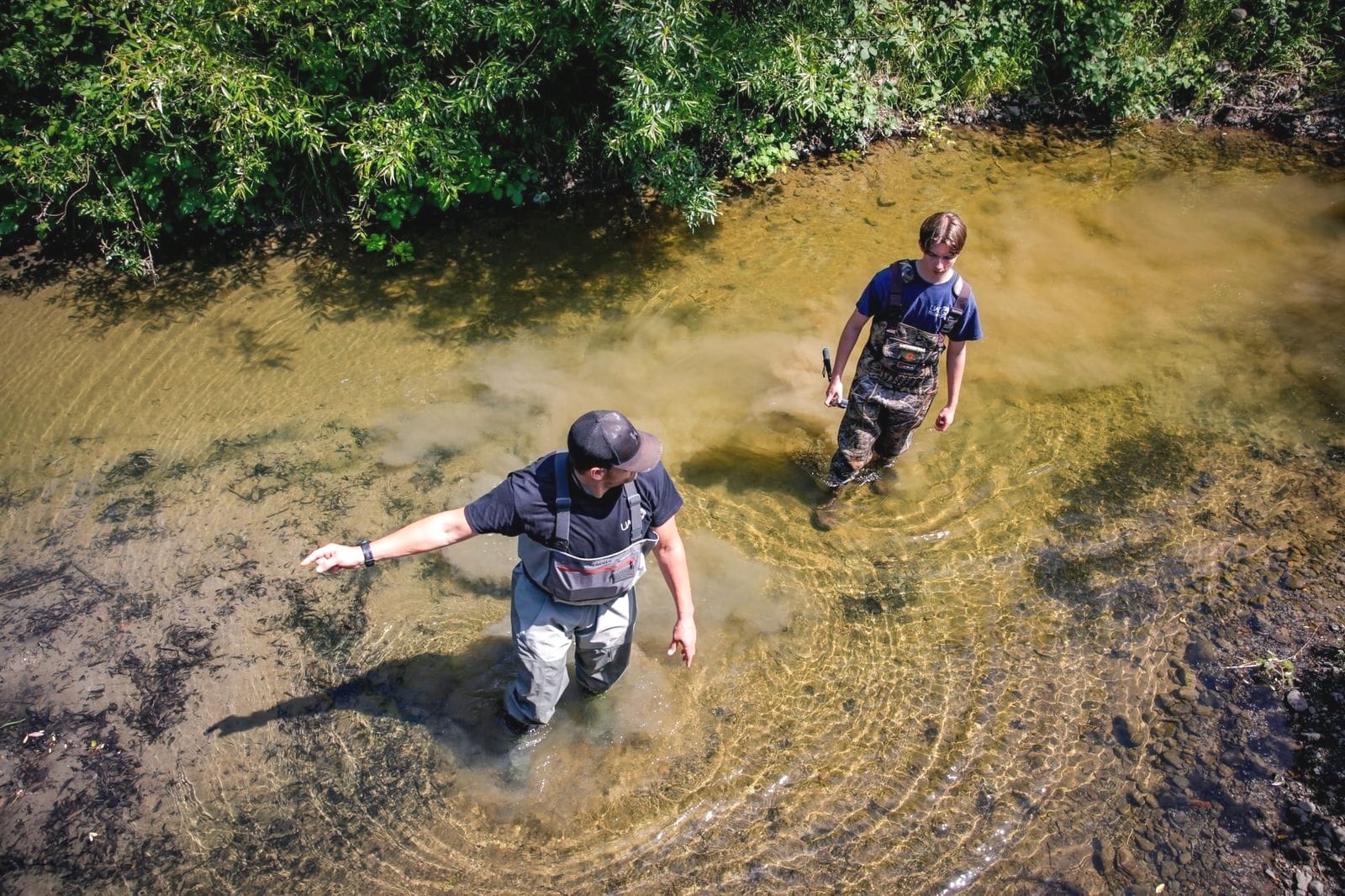
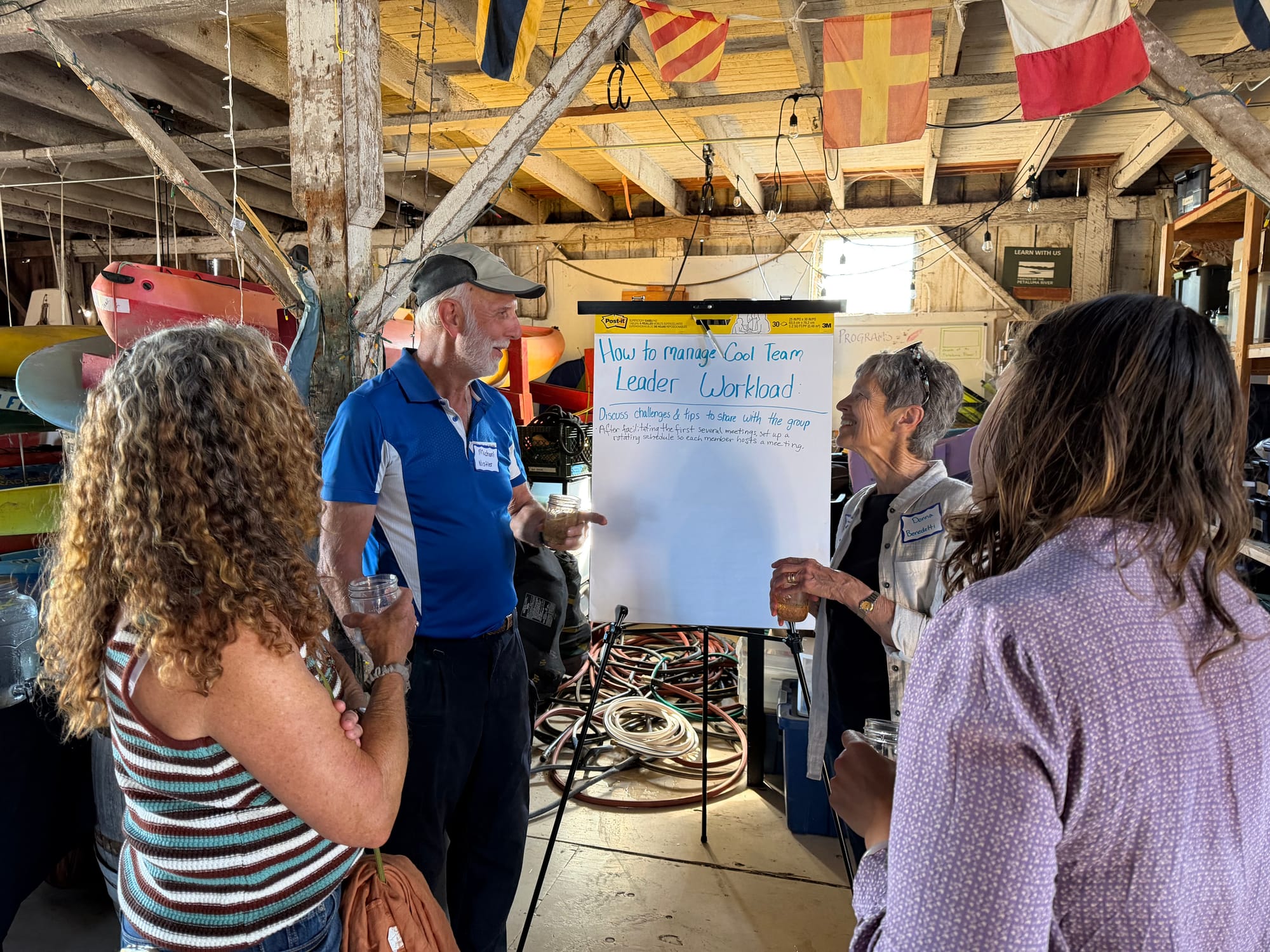
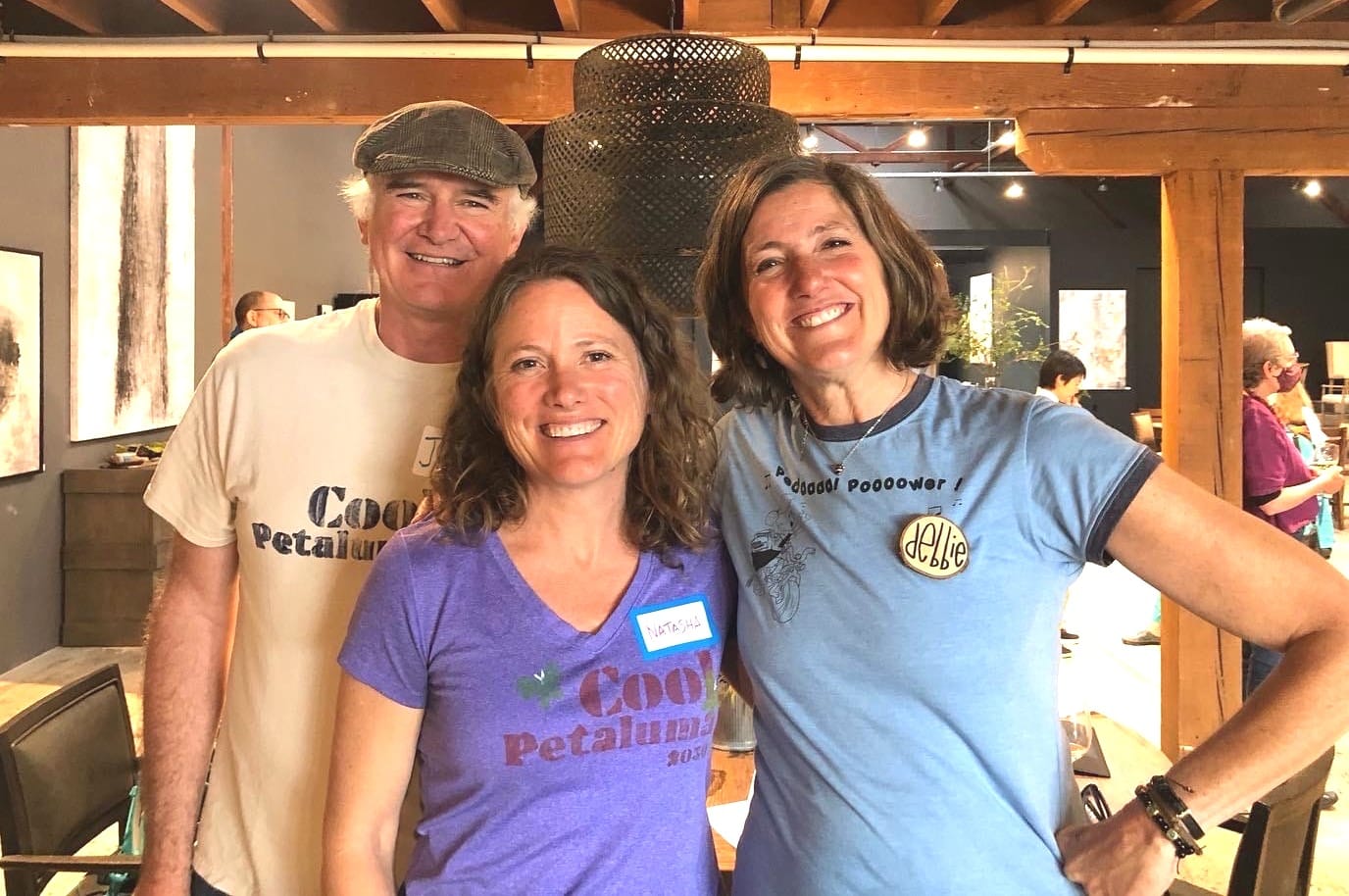
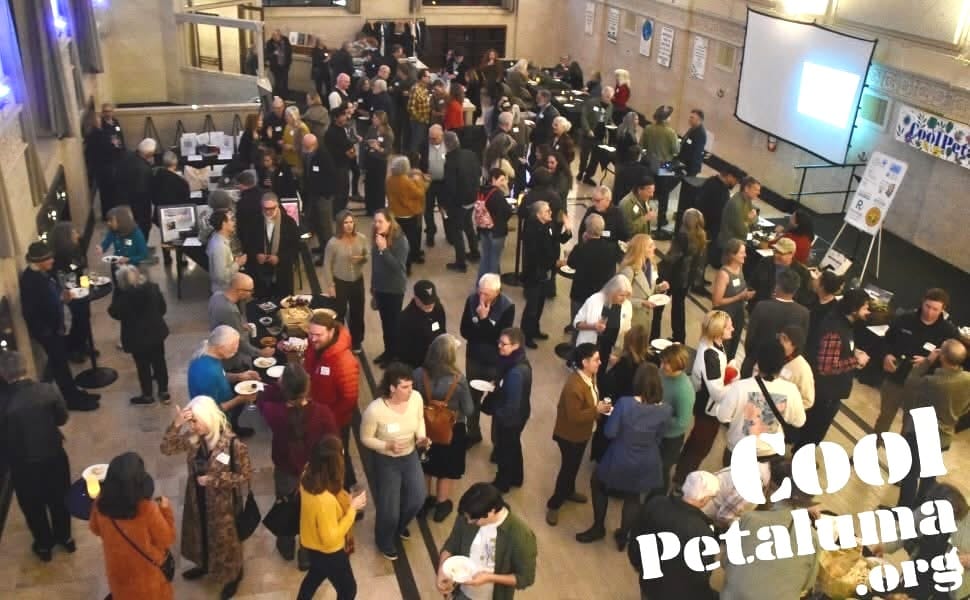
Cool Petaluma received approximately $270,000 from the city between 2023 and June 2026 to help implement elements of its Blueprint for Climate Action, accounting for roughly half of the nonprofit’s operating budget.
Cool Petaluma’s bottom-up approach was ideal for addressing cultural and individual aspects of the blueprint – approved in November 2024 to reduce greenhouse gas emissions citywide – such as personal choices related to consumption and transportation, said Juliana.
Yet due to budget constraints, city support was halved with the 2025-26 budget and zeroed out with the current 2026-27 budget, prompting the transition to Cool Future.
A new direction
Starting this fall, Cool Petaluma’s block-based model for helping neighbors come together to fight climate change, boost emergency preparedness, and promote community cohesion will expand to Richmond, Napa, San Rafael, and Chico. All four cities are also participating in an initiative of AmeriCorps – a sort of domestic Peace Corps funded by the federal government – called Neighbor-to-Neighbor that aligns with and is helping facilitate the new Cool Future initiative.
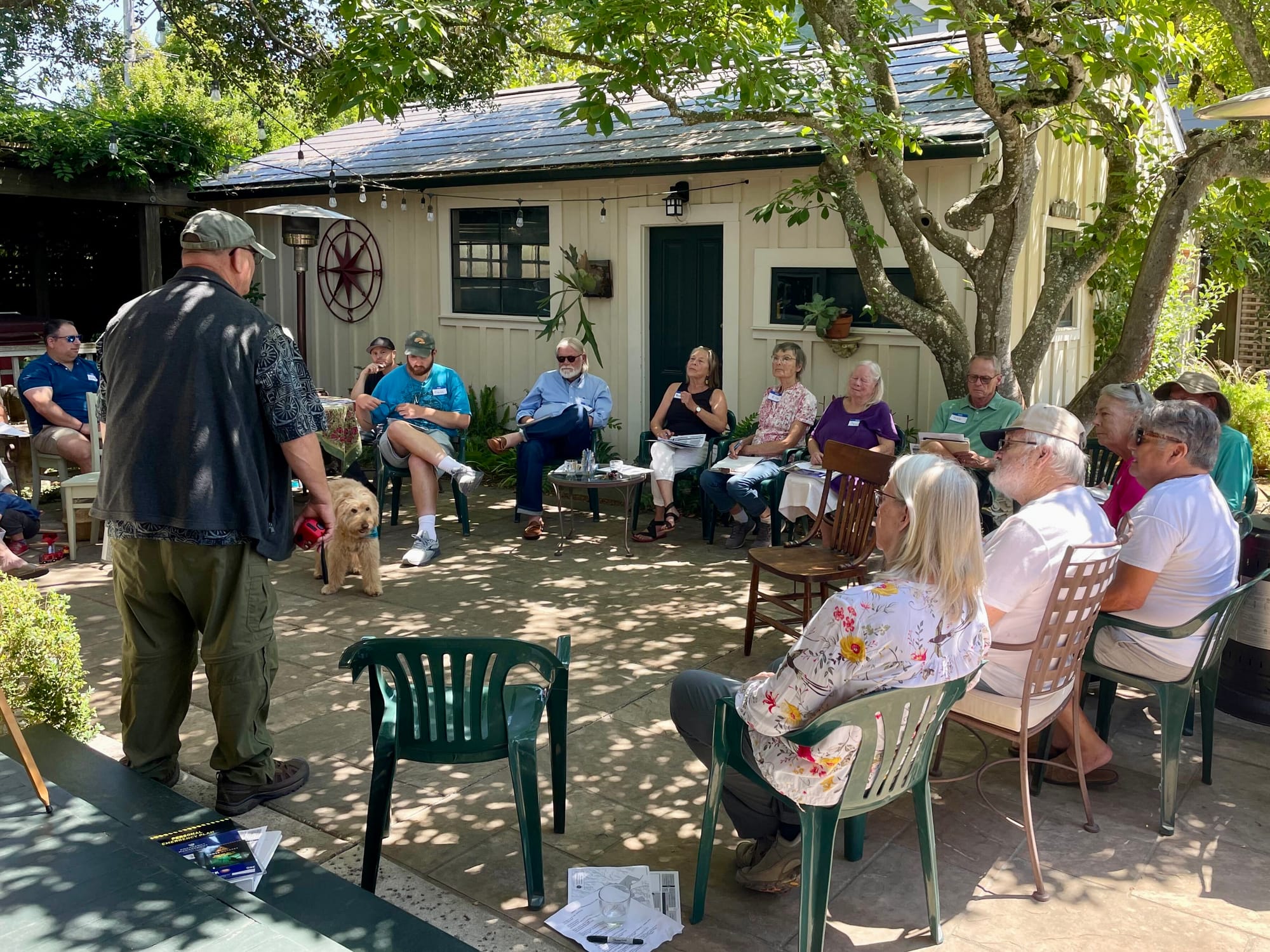
“Neighbor-to-Neighbor is specifically a three-year pilot with a mission of reducing social isolation by bringing neighbors together to prepare for emergencies and take climate action, which is like literally what we do,” Juliana said. “The people who run this program are very excited about our model.”
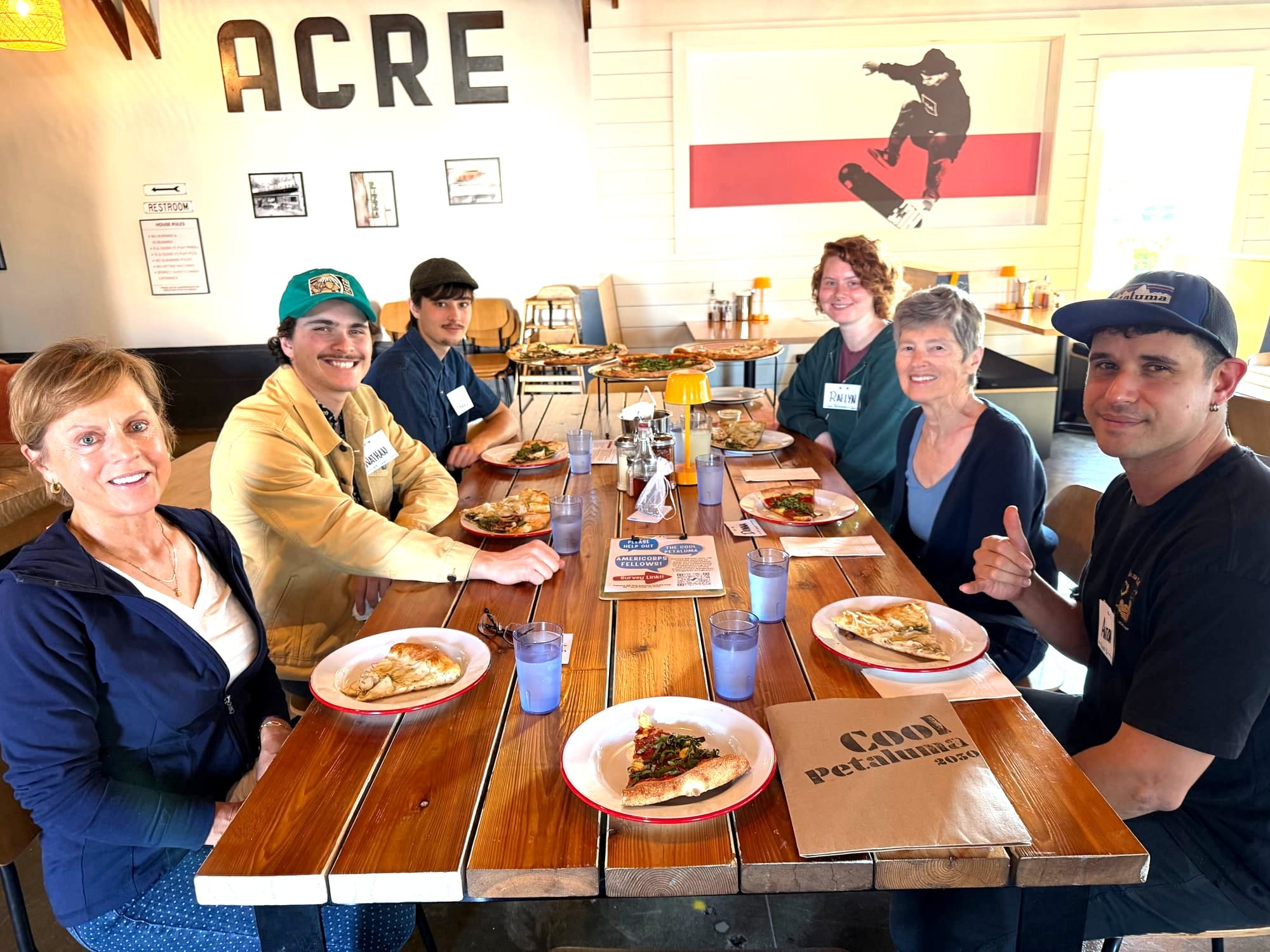
Though it does not directly fund Cool Future, AmeriCorps does support two full-time fellows in each of the cities: young people just entering the workforce who will dedicate a portion of their time every week to facilitating the program. This involves training “block leaders” who will recruit their neighbors to participate in at least three meetings focused on building community, preparing for emergencies, and taking climate action.
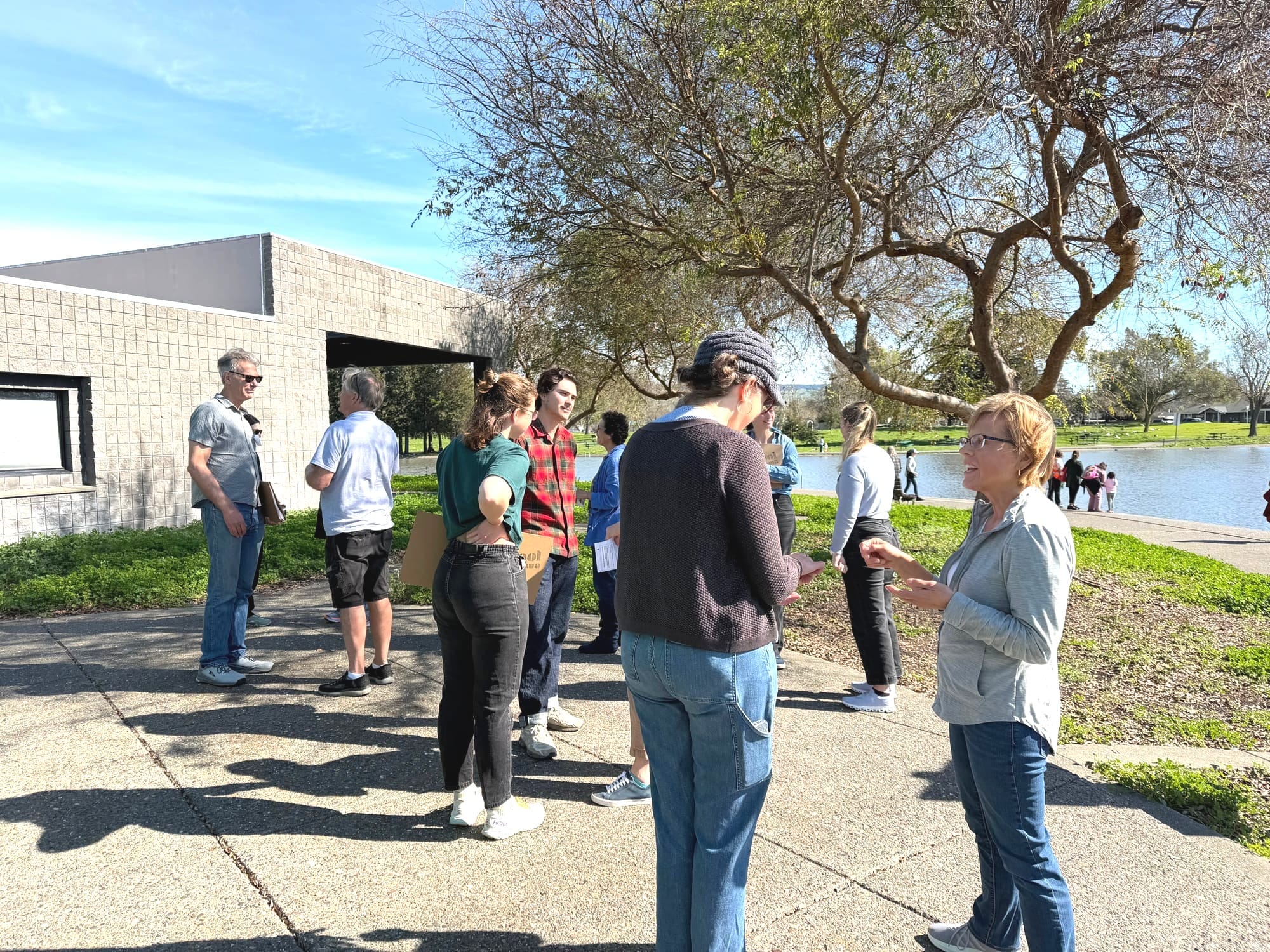
In the meantime, the program will continue running in Petaluma for its sixth year. According to Juliana, earlier this year Cool Petaluma trained 18 new block leaders, each of whom went on to guide 8 to 12 households through the program’s curriculum. Two of these blocks and a total of 24 households are actively working on completing the program.
For 2027, her goal is to enroll 10 additional block leaders, each facilitating approximately 10 households, in Petaluma and each of the four new host cities. That would add a total of 500 new households to the program’s ranks. To date in Petaluma, 264 team leaders have been trained; 1,339 households engaged; and 809 meetings held, according to the latest figures from Cool Petaluma at the time of its transition to Cool Future.
After completing the program, many blocks, or teams, continue to hold their own meetings and events, “from hoedowns to tree-pruning demonstrations,” Juliana said.

A promising launch
Cool Future's roots can be traced back to October of 2021, when Petaluma was one of three California cities – alongside Irvine and Los Angeles – selected to participate in a highly publicized new statewide pilot called the Cool City Challenge and funded by the national nonprofit Empowerment Institute.
That pilot was ultimately unsuccessful, phasing out by the end of its first year in all three cities and failing to disburse all of the funds it initially awarded, Juliana said. Of a promised $1 million grant, Petaluma received only $120,000.
After the demise of the Cool City Challenge, the program in Los Angeles fizzled out. Cool Irvine continued on and now operates across a broader swath of Orange County under the name Cool OC. Petaluma has arguably fared even better.
Having already built a strong reputation for climate action in the progressive Bay Area, and showing better participation numbers during the initial pilot than either of its larger Southern California siblings, the city did not want to leave things there. Instead, in January 2023 Cool Petaluma spun off from the Cool City initiative to establish its own nonprofit entity that was immediately embraced by local leaders.
In addition to direct support from the city, the new Cool Petaluma program received sponsorships from businesses and community organizations that brought its total annual budget to approximately $150,000 in 2023 and 2024, and even higher in 2025.
Yet beginning that same year, for fiscal year 2025-26, facing an increasingly tight budget, the city cut its contributions in half. The following year, for the current 2026-27 budget, it withdrew funding altogether. At the same time, other community support also began to dry up, Juliana said, posing a potentially existential threat to the organization.
Just as it had after the collapse of the Cool City Challenge, Cool Petaluma responded with a pivot. Juliana said the organization began seeking new forms of support including tax-deductible donations from individuals as well as a broader, more diversified base of funders including grants from local nonprofits, businesses, and government entities. It continues to actively pursue new funding opportunities. The organization has a staff of two: Juliana and Allison Eckert, director of operations.
A blueprint for success
Meanwhile, the new Cool Future is officially underway. Richard Diaz, emergency services manager for the City of Richmond Fire Department, said he’s hopeful that Petaluma’s model can bring valuable structure and guidance to its existing Neighbor-to-Neighbor program launched last year by two AmeriCorps fellows.
“What I see in this … is the phased approach, a methodology that they'll be able to put into practice to achieve tangible results,” Diaz said. “For example, how to run an info session with a group of volunteers in the community. How to identify and engage with a volunteer team lead, and how to find the teams. How to gather and build community. It's a pretty well-thought-out process. This will help immensely in letting the fellows integrate and prioritize and just follow a very basic but robust framework.”
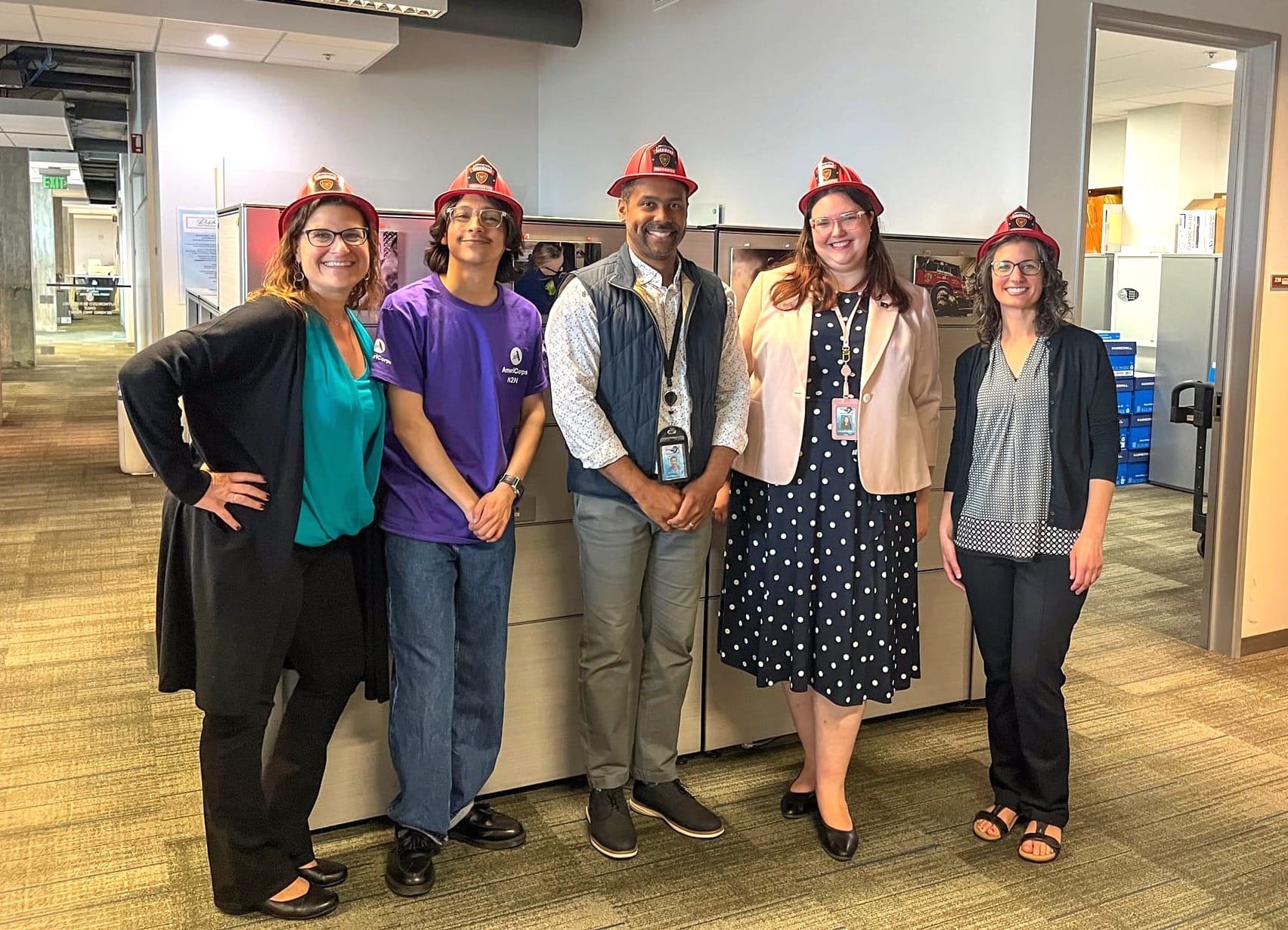
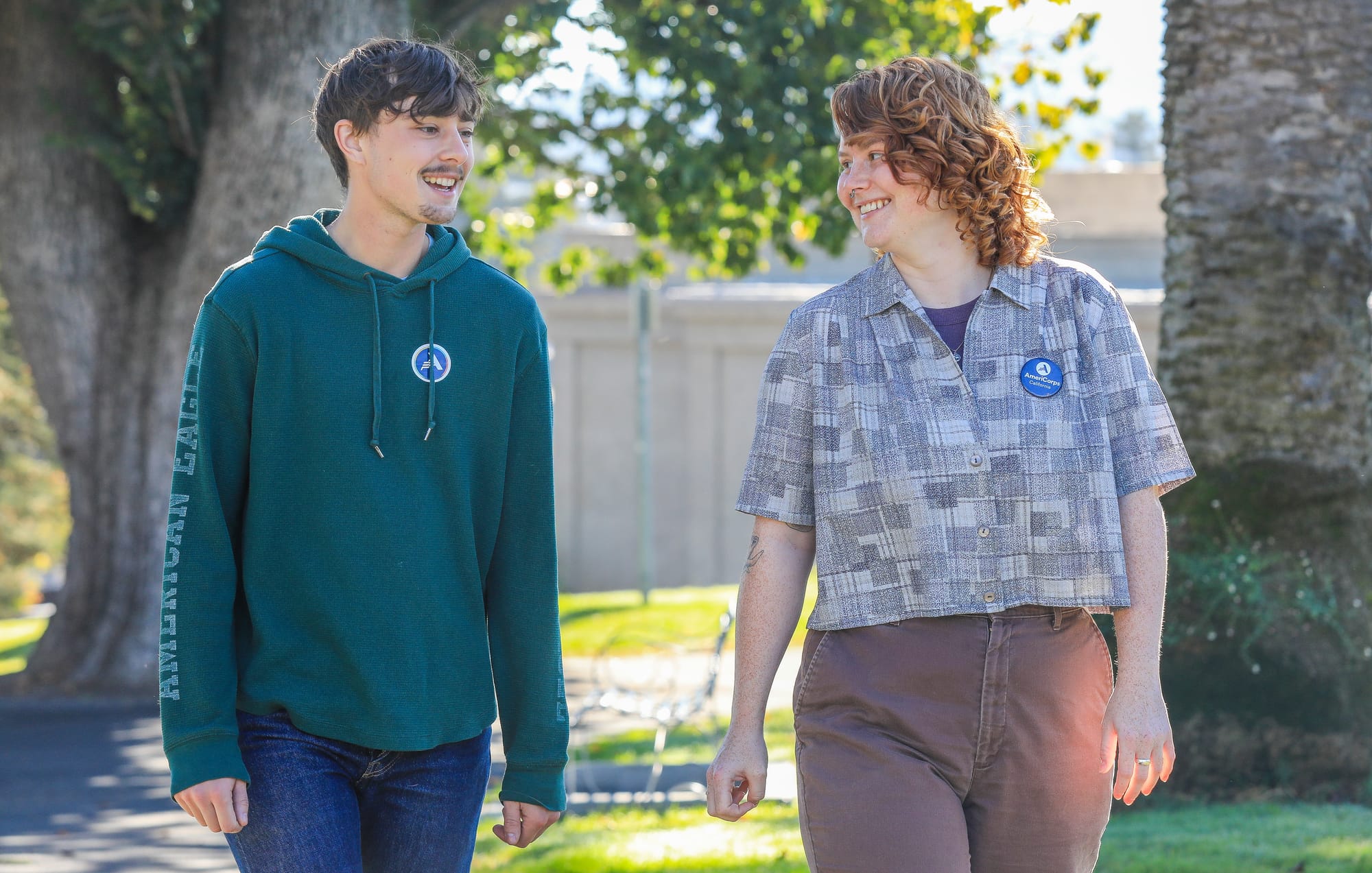
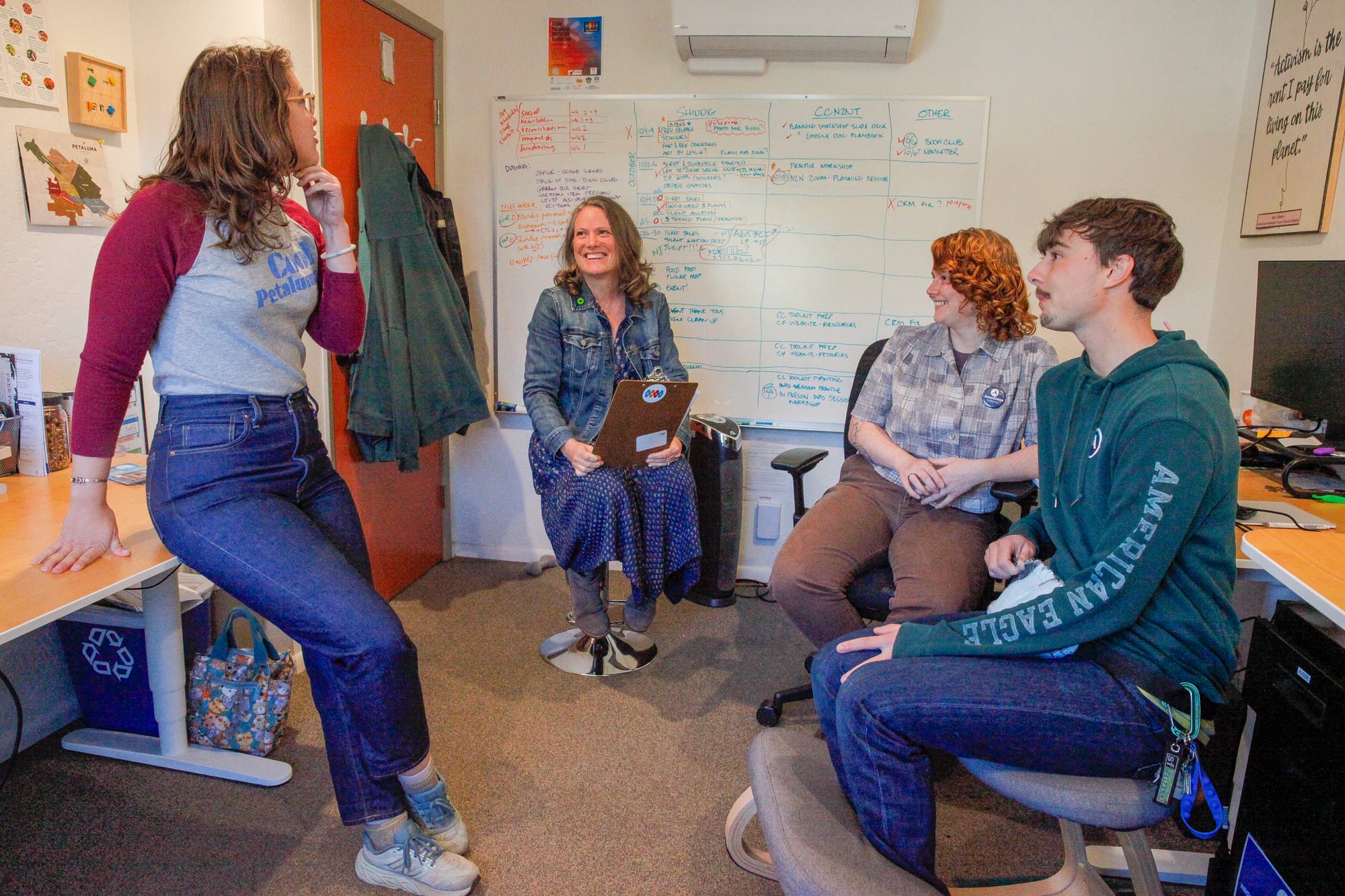
Petaluma has two AmeriCorps fellows of its own, Auggie Stiltz, 23, of Santa Rosa, and Raelyn Covington, 25, of Rohnert Park, who moved to Sonoma County last year specifically for the AmeriCorps program in partnership with Cool Petaluma. Together, Stiltz and Covington will train the eight new fellows in Richmond, Napa, San Rafael, and Chico on the Cool Future program and its straightforward, three-meeting program.
“Once people run these meetings, they have really good results,” Covington said. “We just recently heard back from somebody who held her first emergency prep meeting, and it went really well for her. And now, with El Niño and winter storms coming, it's a really good time to get into emergency prep and knowing how to help your neighbors when something bad happens. I think that's very exciting.”
Diaz said he expects the program will help Richmond tap into an existing volunteer base that can help bolster the city’s ability to both fight and adapt to climate change, as well as respond to emergencies. Trained residents can even serve as “a very light form of first responders,” he said.
“People want to do stuff,” added Diaz. “They're out there, very eager to put their time and help (toward) a good cause. It's really on us to take advantage of that.”
Cool Petaluma's fifth-annual Shindig, a fundraiser and launch party for Cool Future, takes place on Thursday, Nov. 5, from 5 p.m. to 7:30 p.m., at Hall of the Above (199 Petaluma Blvd. N.). Tickets start at $50.
Nate Seltenrich is an editor and reporter at Petaluma Voice. He can be reached at nseltenrich@petalumavoice.org.
Do you like our work? Support us with a tip.