Doctors From Mexico Fill Dire Medical Need
Petaluma Health Center hiring 14 doctors through partnership program
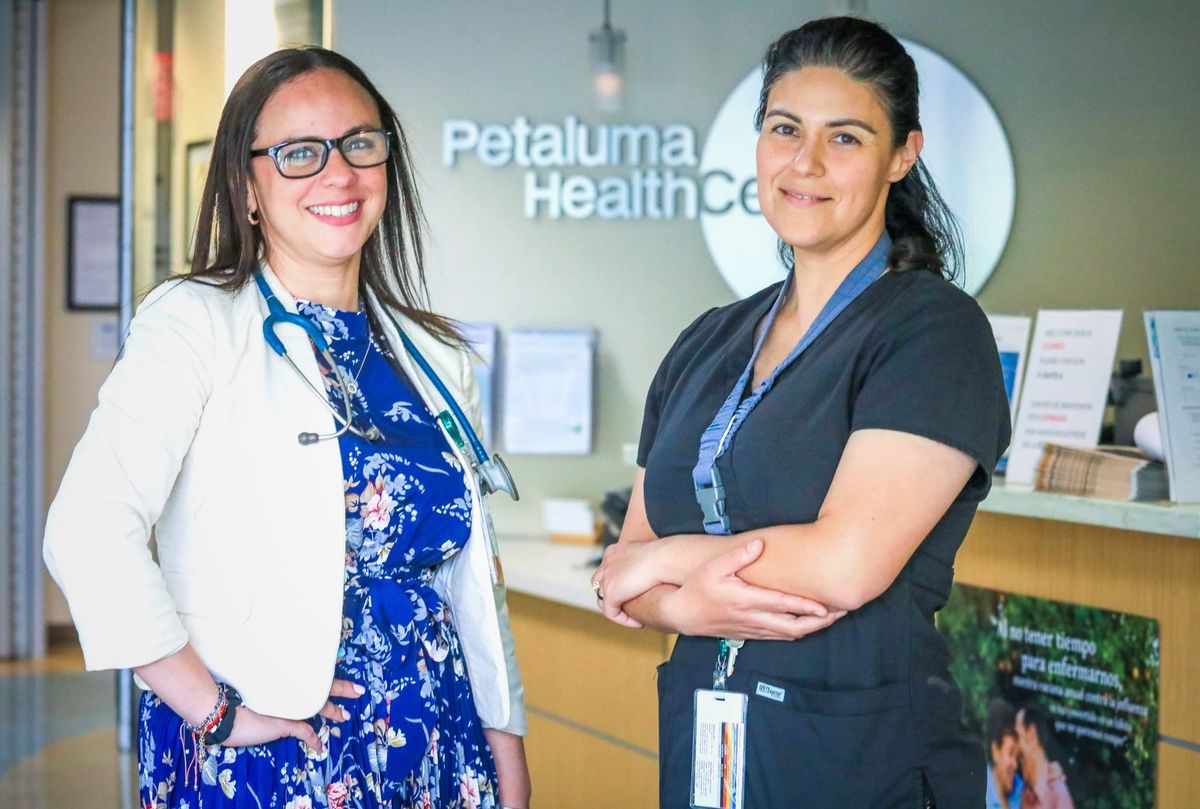
The Petaluma Health Center has had a tough time filling positions in recent years, given an acute national shortage of medical professionals. It has been all the more difficult to find doctors who speak Spanish and understand the culture of the communities served by the health center, many who have ties to Mexico and Latin America.
However, a state program is making a dent in the shortage by bringing 14 new doctors, psychiatrists and dentists all the way from Mexico to work at the Petaluma Health Center.
Two of those doctors have already arrived. The rest are expected by the end of the year.
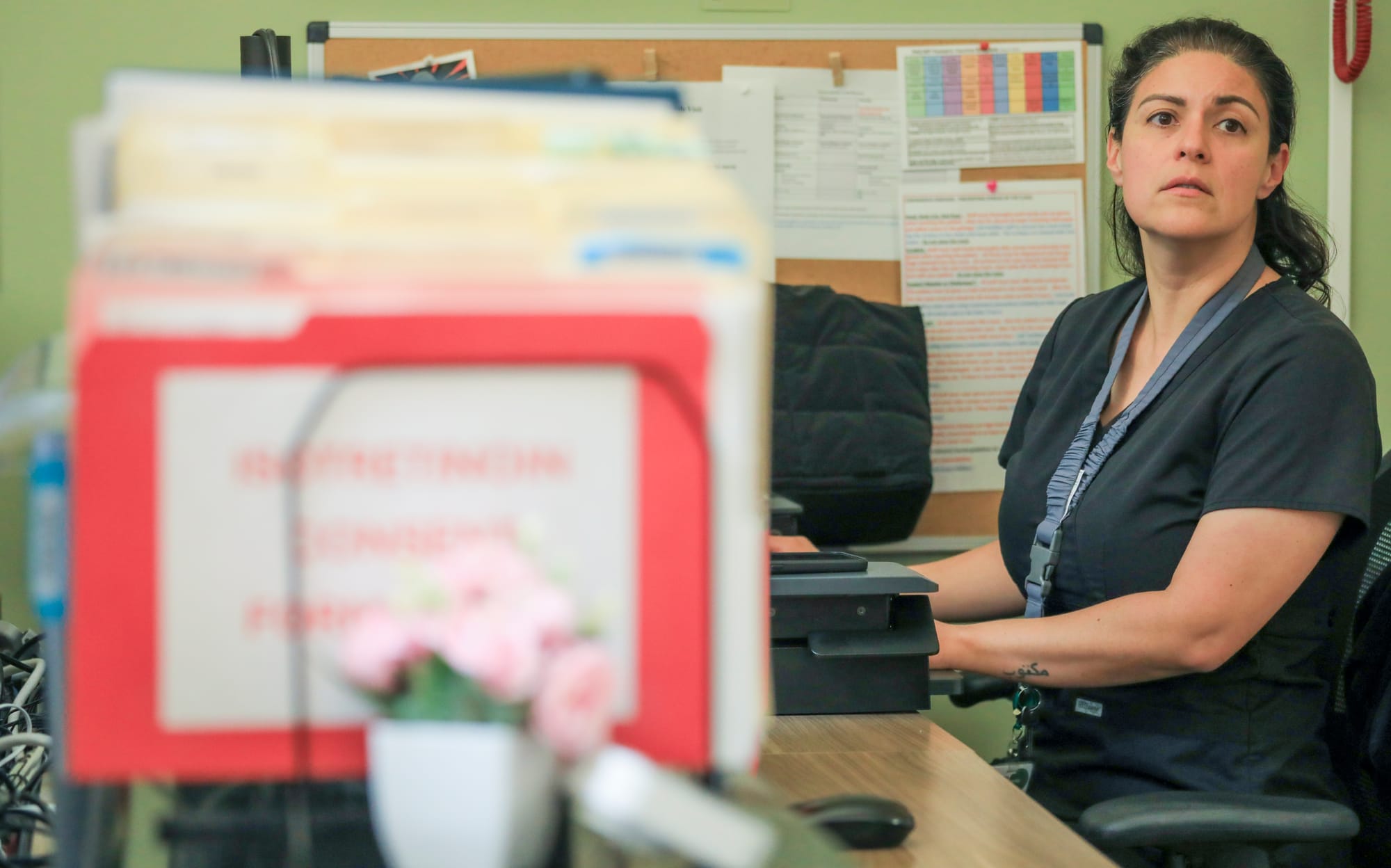
In late March, after months of government paperwork, verifications and interviews, Dr. Aranzazu Briceño Rodriguez and her family uprooted their lives in Chihuahua, Mexico, to start a job at the Petaluma Health Center.
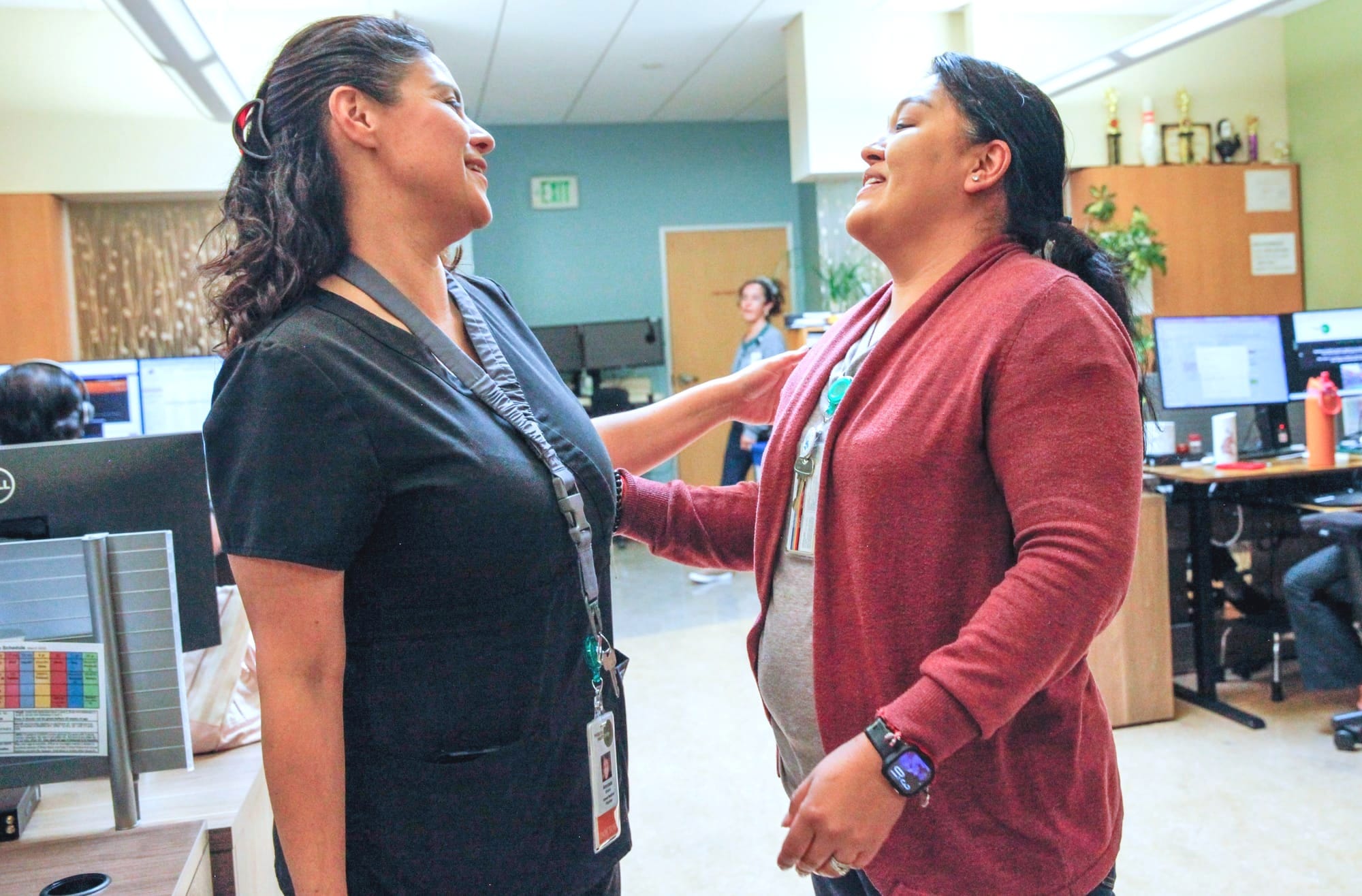
A doctor of internal medicine, Briceño Rodriguez started work at the center in April. In the few months since she started seeing patients, she said several have hugged her – one “tearfully happy” – because they can speak directly to a doctor without the help of an interpreter.
Having worked in public medicine before arriving, Briceño Rodriguez appreciates this program because it’s “bringing a little bit of the culture here to the people who are so far away from their home countries – not only Mexicans, but there’s also people from Guatemala, Nicaragua, further south,” she said. “We share some cultural similarities, so we have done good work with the patients who are being seen by us.”
Dr. Vanessa Isela Bermudez Villalpando, a family practitioner from Tijuana joined Briceño Rodriguez at the Petaluma Health Center in early May. The arrival of the doctors is a boon to local health care.
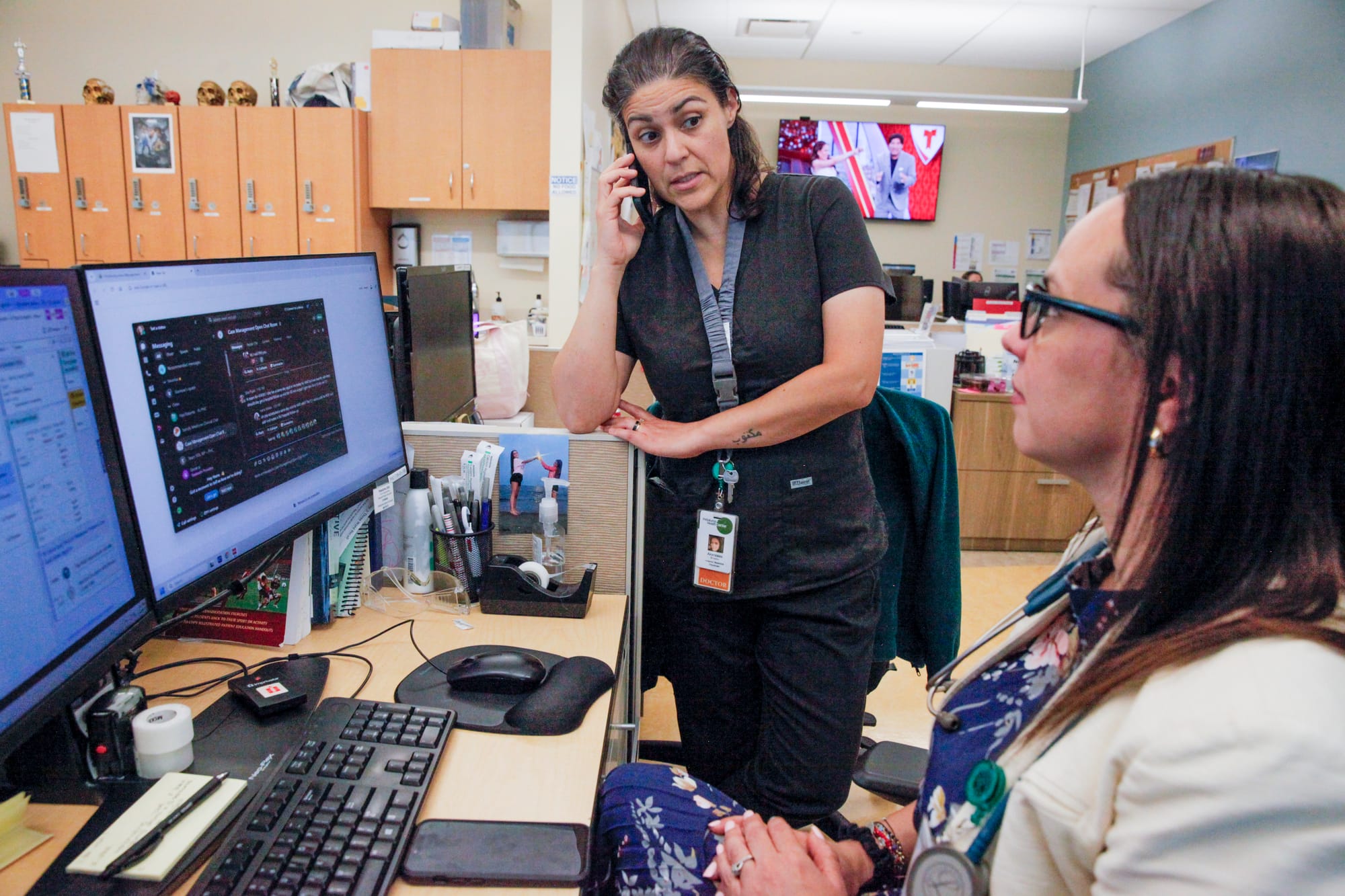
“Our service area has one of the worst primary care health professional shortages in the country,” said Pedro Toledo, CEO of Petaluma Health Center. “We’re so looking forward to having more physicians, because there’s such great demand for primary care. There’s always more demand than capacity.”
He said there has historically been a shortage, but after the wildfires in 2017, it worsened.
Government data backs it up. Data from the federally-run Health Resources and Services Administration portal shows that while the city of Petaluma itself may soon be removed from a shortage ranking list, the health center, whose roughly 130 practitioners treat 46,000 patients annually at its clinics in Petaluma, Rohnert Park, Bolinas and Pt. Reyes, as well as several smaller community clinics, has one of the highest rankings for provider shortages for dental, medical and mental health in the state.
The center serves patients from “underserved communities” – those who fall into low-income brackets with little to no health insurance. Its services, Toledo said, are open to anyone who needs healthcare access.
“It’s very, very difficult for any health care organization to recruit providers or doctors that are bilingual, but more importantly bicultural,” said Eliot Enriquez, director of government and community relations at the Petaluma Health Center. “They’re like unicorns.”
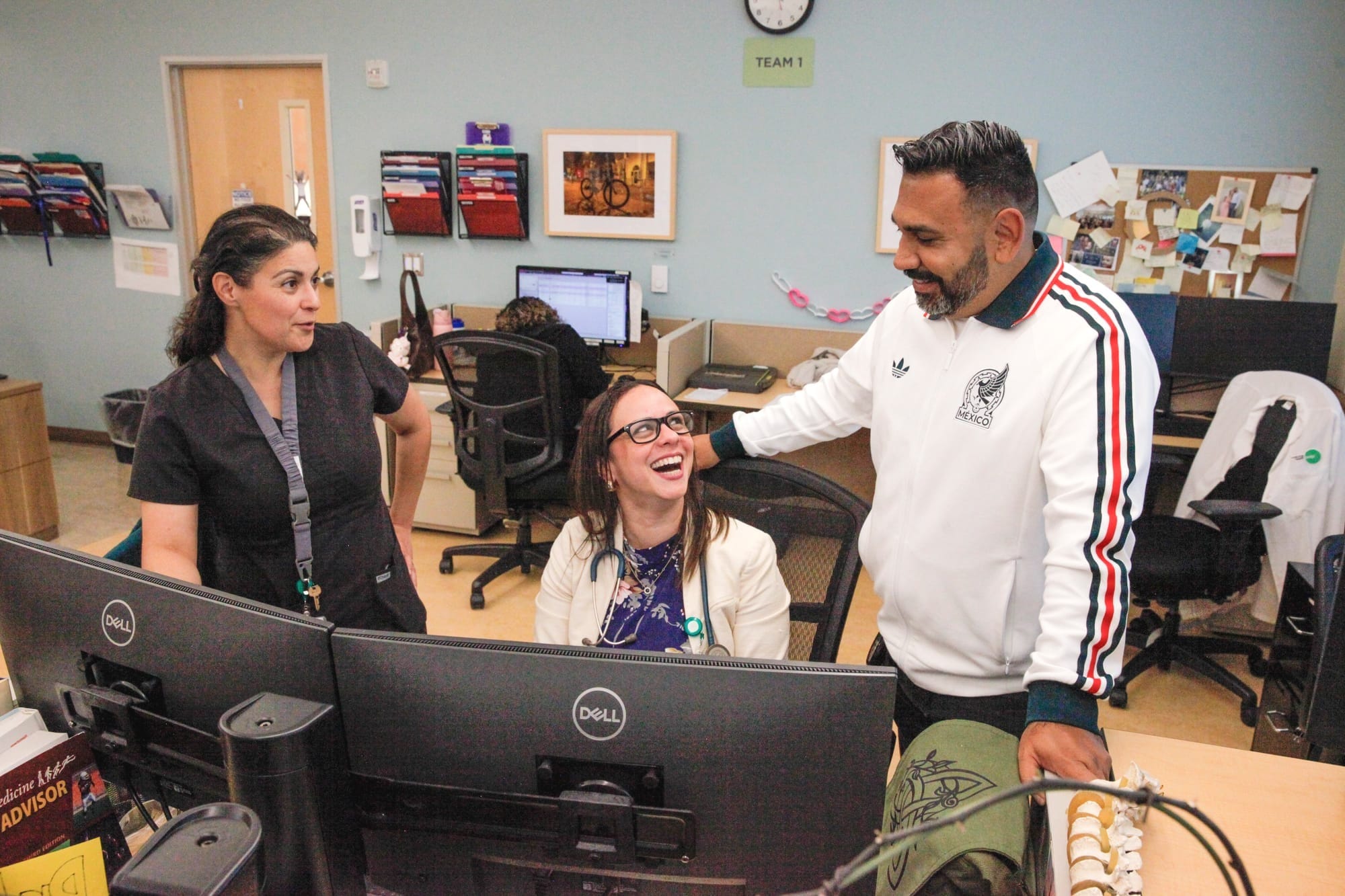
When organizations do find them, they try to hold on to them because there’s a significant patient population that needs and depends on their services, he said.
“We don’t have the salary range that Kaiser has, or that Sutter or Providence has, so for us it’s even harder as a community health center to find these doctors, these providers,” he said. “For us, it’s a perfect match. Finding 14 bicultural, bilingual doctors in one fell swoop, that would take us years to do.”
California laws offer support
The state program which the Petaluma Health Center is involved with began as a pilot program in the central valley and the central coast with sizable Latino and Spanish-speaking populations and ongoing physician shortages, Toledo said.
While there are already large gaps in physician shortages in general, it’s even more pronounced in underserved communities – low-income families – and even more so for “language minority persons” who don’t speak English.
“It becomes very difficult to meet the needs of the population without interpretation,” he said.
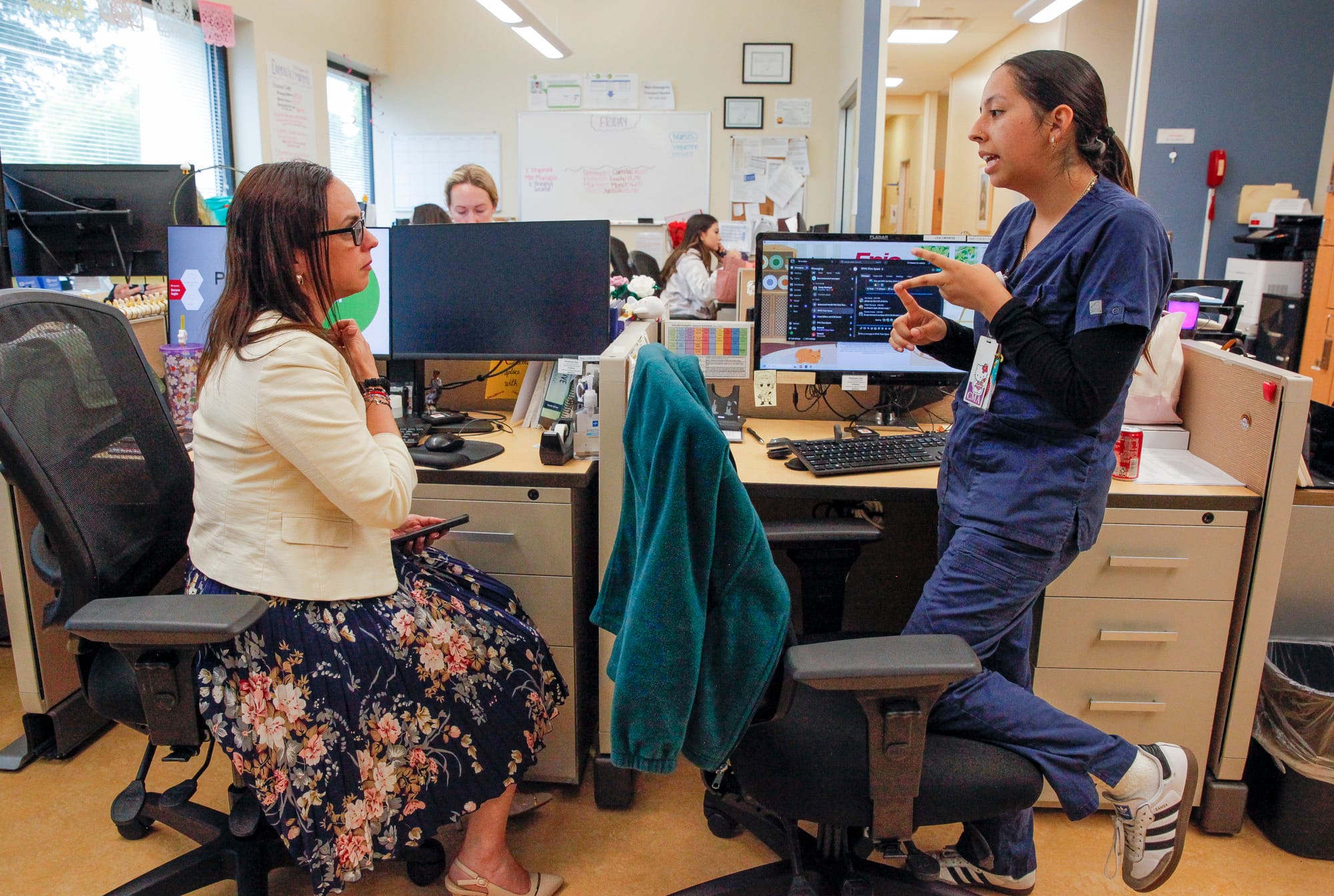
To address such shortages, the group looked toward a partnership with the Mexican government, he said. As the program expanded, Toledo asked for the Petaluma Health Center to be included, considering the sizable immigrant community working locally in agriculture.
The program, as it stands now, came to be in 2024 through state laws AB 2860 and 2864, which allows up to 30 physicians and 30 dentists from Mexico to practice at qualified locations across the state for up to three years, with an option for renewal. The program was evaluated by UCSF, he said, to ensure that the care was equivalent to that of U.S.-trained physicians.
Working with Sen. Mike McGuire and Assemblymember Cecilia Aguiar-Curry’s offices, Toledo sought to fill more than the four slots initially offered by the program. In total, the health center was ultimately approved for 14.
The team at Petaluma Health Center initiated the process more than a year ago, Toledo said. When staff from the center met with the applicants, they were clear about what they’d encounter.
“We told them we want doctors that want to serve that underserved community,” Enriquez said. “This isn’t like some fancy, plushy job that you’re arriving to. You’re going to be taking care of — medically — a community that hasn’t had access to their own type of culture and care for a long time. That was the goal.”
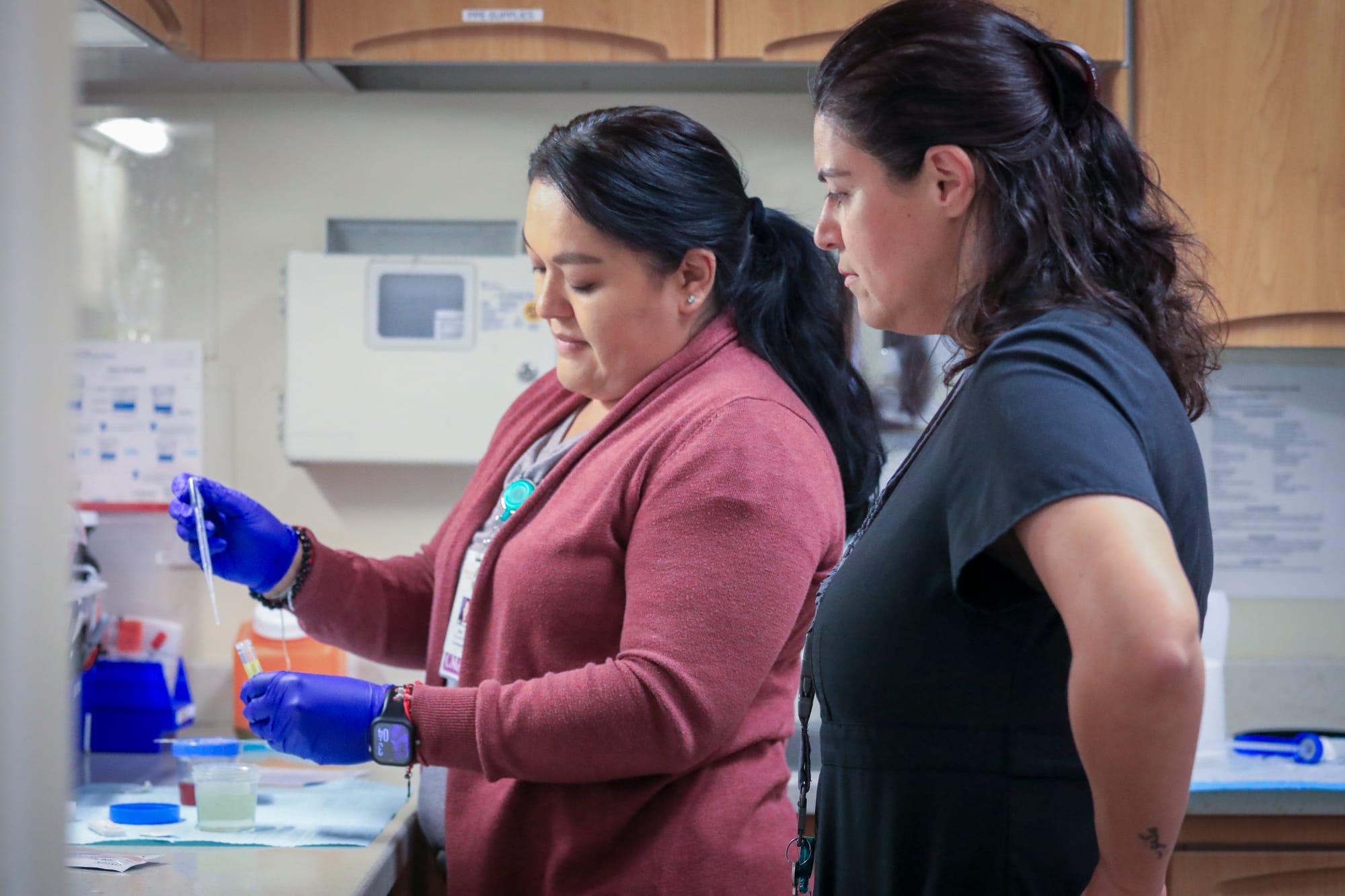
Reasons differ for why doctors participated in the program. Bermudez Villalpando said she considered it a professional challenge.
“It interested me a lot as something professional, so as to achieve an accomplishment, a challenge, something else to do,” she said.
For Briceño Rodriguez, the newly hired family practitioner at the Petaluma Health Center, it was a “serendipitous” series of events that convinced her to apply. In a prep course to renew her medical license, she befriended a doctor who had participated in the pilot program, working in Salinas. Briceño Rodriguez looked into it, found out she qualified, and applied in February, 2025.
“It was a really long journey,” she said, noting that the process required verifying their licenses, ensuring they don’t have criminal records, and numerous other details.
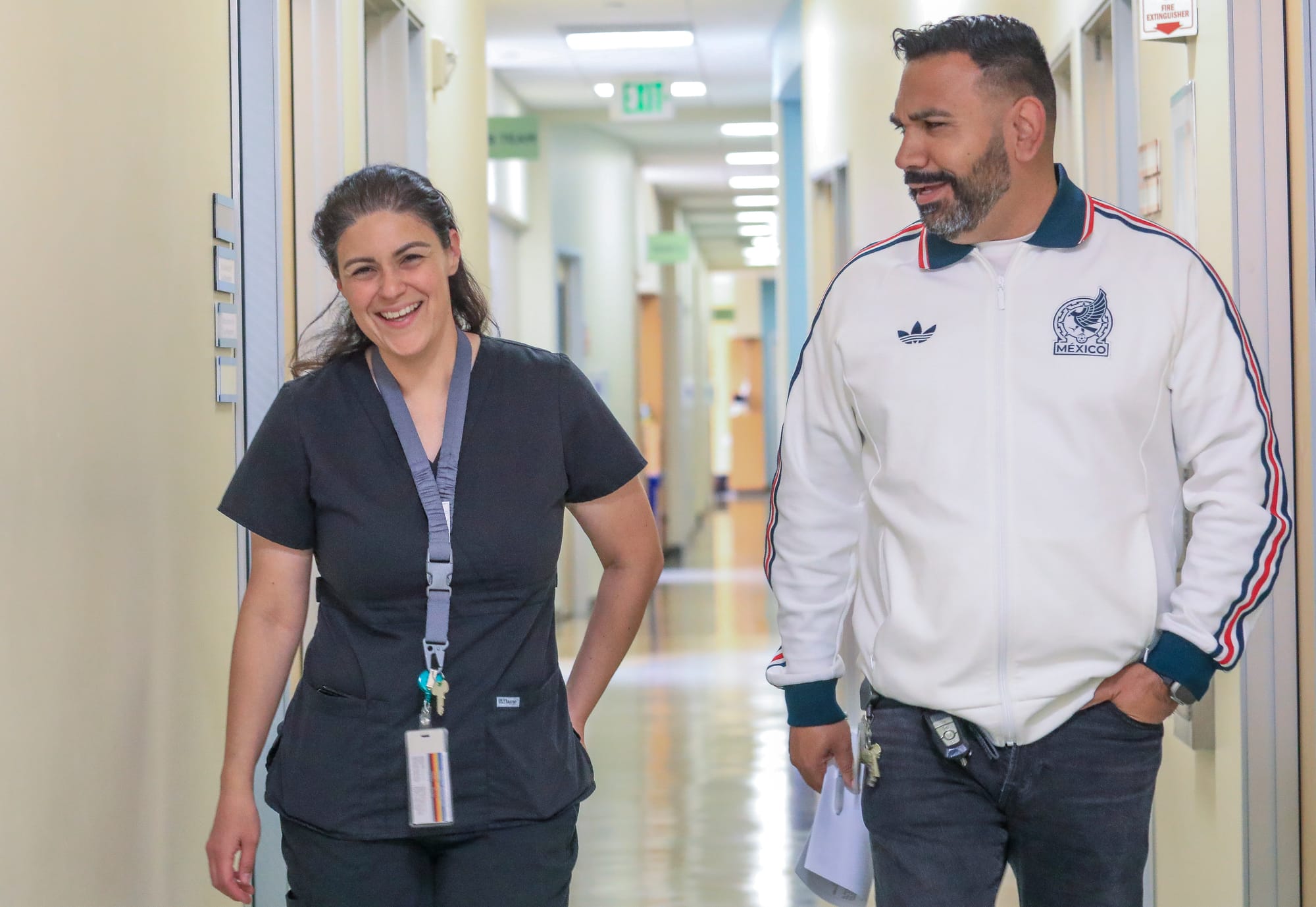
Just as the doctors arrive in California from Mexico, the federal government has ramped up its immigration enforcement, detaining and deporting thousands of people as it builds more detention centers across the country – including plans for one in nearby Santa Clara County.
Bermudez Villalpando, the newly hired family practitioner at the Petaluma Health Center, was asked if the federal immigration crackdown made her fearful or worried. “Not so much fear, but rather sadness; sadness to see the treatment of people from my home country,” she said.
The ongoing stress, Bermudez Villalpando said, can contribute to the rise of depression, anxiety, and other illnesses that are on the rise “because of what people live through here,” she said.
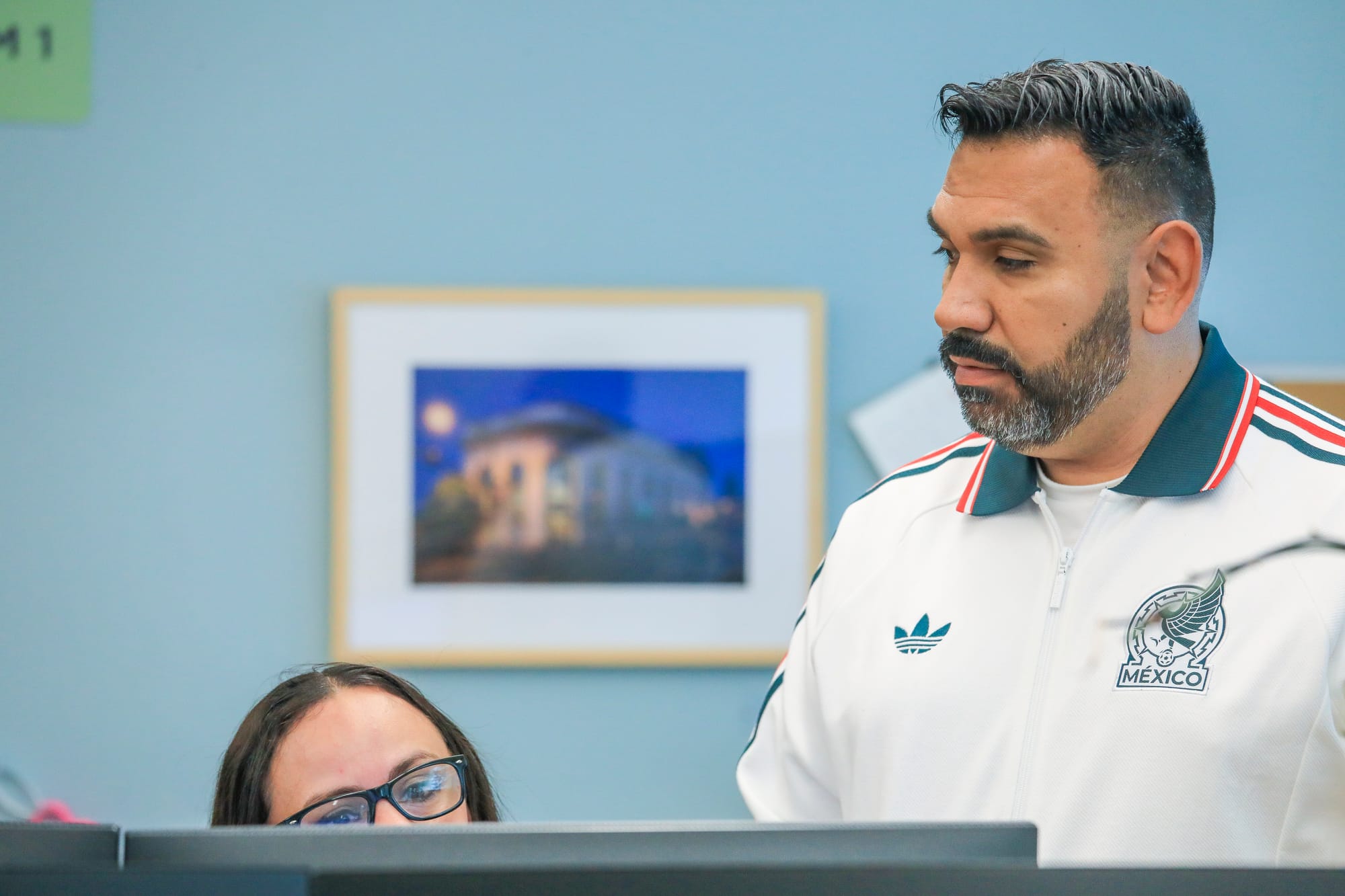
Rising demand in a ‘hidden paradise’
With only a few of the doctors now at the center, the word has already gotten out. Patients from “all over Sonoma County” have been calling to inquire about these doctors, Toledo said.
“That’s something I didn’t expect,” he said. “We’re seeing a lot of demand to connect with these providers, mostly because of the language and cultural connection.”
All but two of the 14 medical professionals are coming on an 0-1 visa, who “meet the nationally renowned standard,” for having done significant research, been published, and worked in the top universities of Mexico, Toledo said.
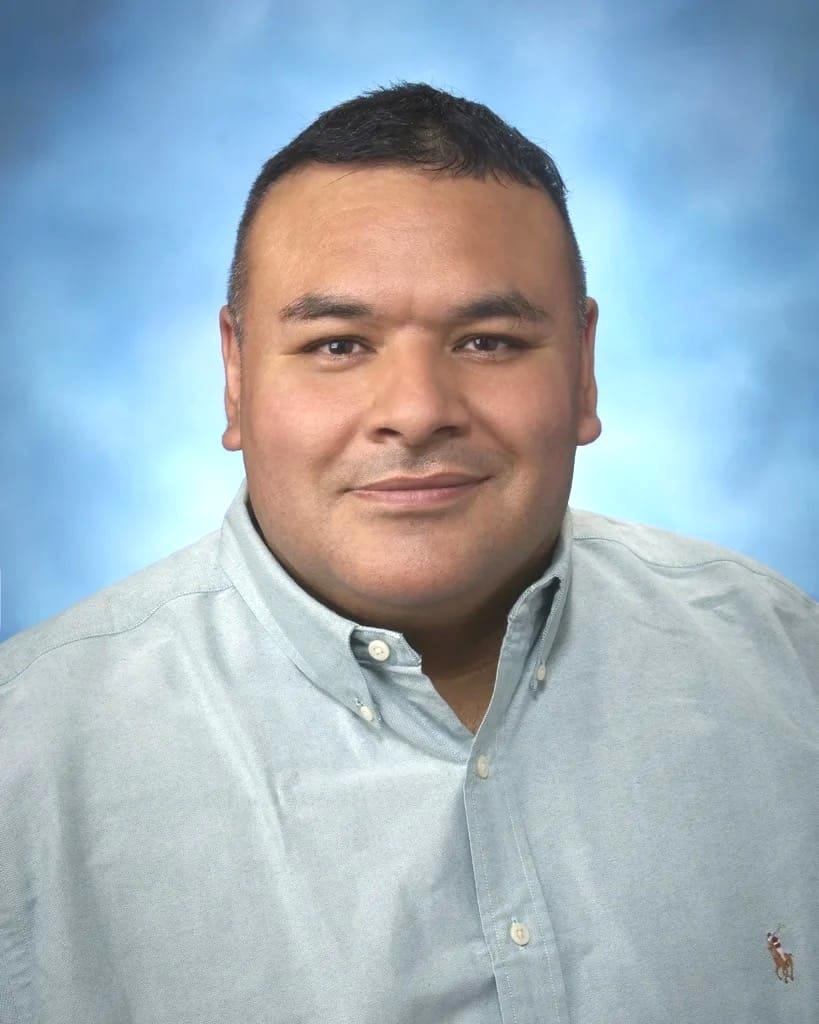
“These are really the top individuals,” he said. The other two will arrive on a H1-B visa, which is for high-skilled workers, and the health center is waiting for paperwork to clear for them to make their way here.
There was never a concern that the doctors would fail to come, even as laws changed around immigration, like a $100,000 fee tacked onto H1-B visas. That fee has since been struck down by the courts.
Toledo anticipates that the last 12 will arrive as early as September, or as late as October, as their paperwork is cleared.
The 14 includes three full-time Spanish speaking psychiatrists, which fulfills a dire need, Toledo said. Finding such psychiatrists in Sonoma and Marin counties is rare, if not impossible, he said. Patients usually use interpreting services or telehealth to get the mental health care they need, he said.
“Being able to offer psychiatry in Spanish from a native speaker will be a godsend for patients with behavioral health issues who are Spanish speaking,” Toledo said.
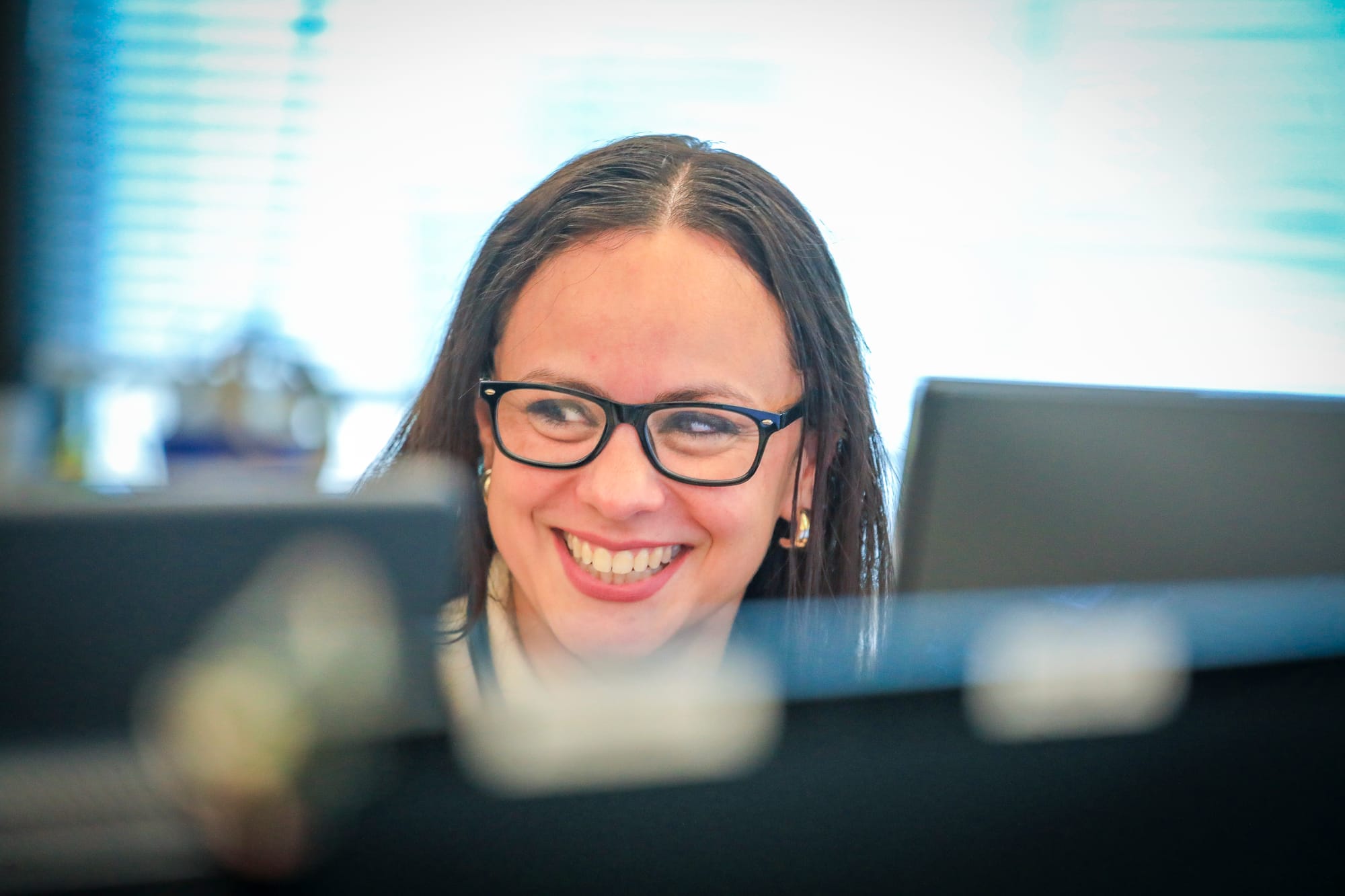
Bermudez Villalpando will be here for the next three years serving patients. In the nearly two months that she’s been here, she’s started to adjust to Northern California life: she went to a Giant’s baseball game, she has visited the historic downtown, and plans to visit Petaluma’s Historical Library and Museum.
“It’s a truly hidden paradise because I never imagined that Petaluma would offer so much, and I am in love, honestly, with this community,” she said. She also loves the weather, and the people are friendly, she said.
What’s stood out for Briceño Rodriguez is the way people “care a little more for their health,” here, noting that there’s more support for patients to continue with their follow-up care than what she’s seen in her native Mexico. She said the U.S.’s medical coverage, although minimal, is still “really good” to cover patients’ basic tests and medicine for diseases like diabetes and hypertension.
The team at Petaluma Health Center looks forward to what this change will bring to the community at large after a year-long process.
“‘Good things come to people who wait,’ and that’s always been my mantra,” Toledo said. “We’re very patient at the Petaluma Health Center.”