
Japanese Group Tours Petaluma Plant
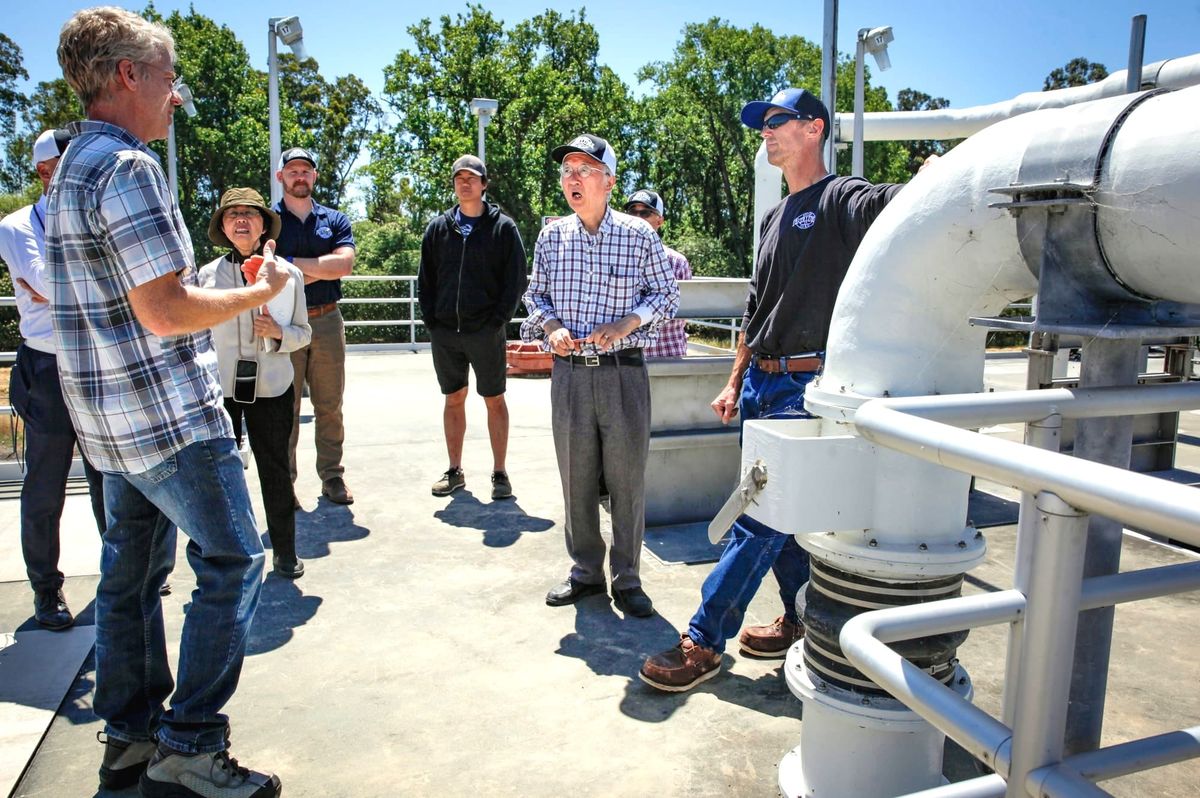
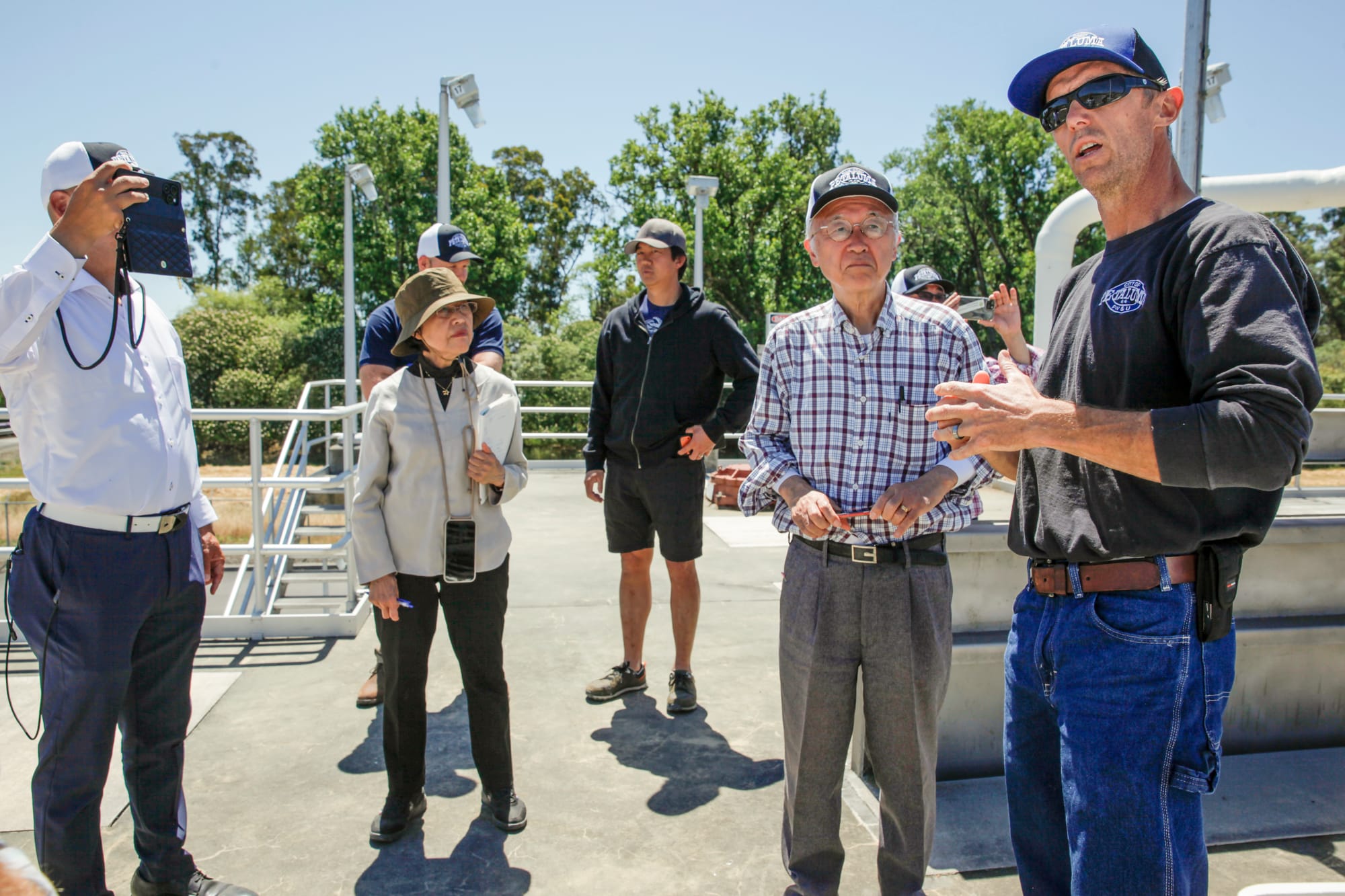
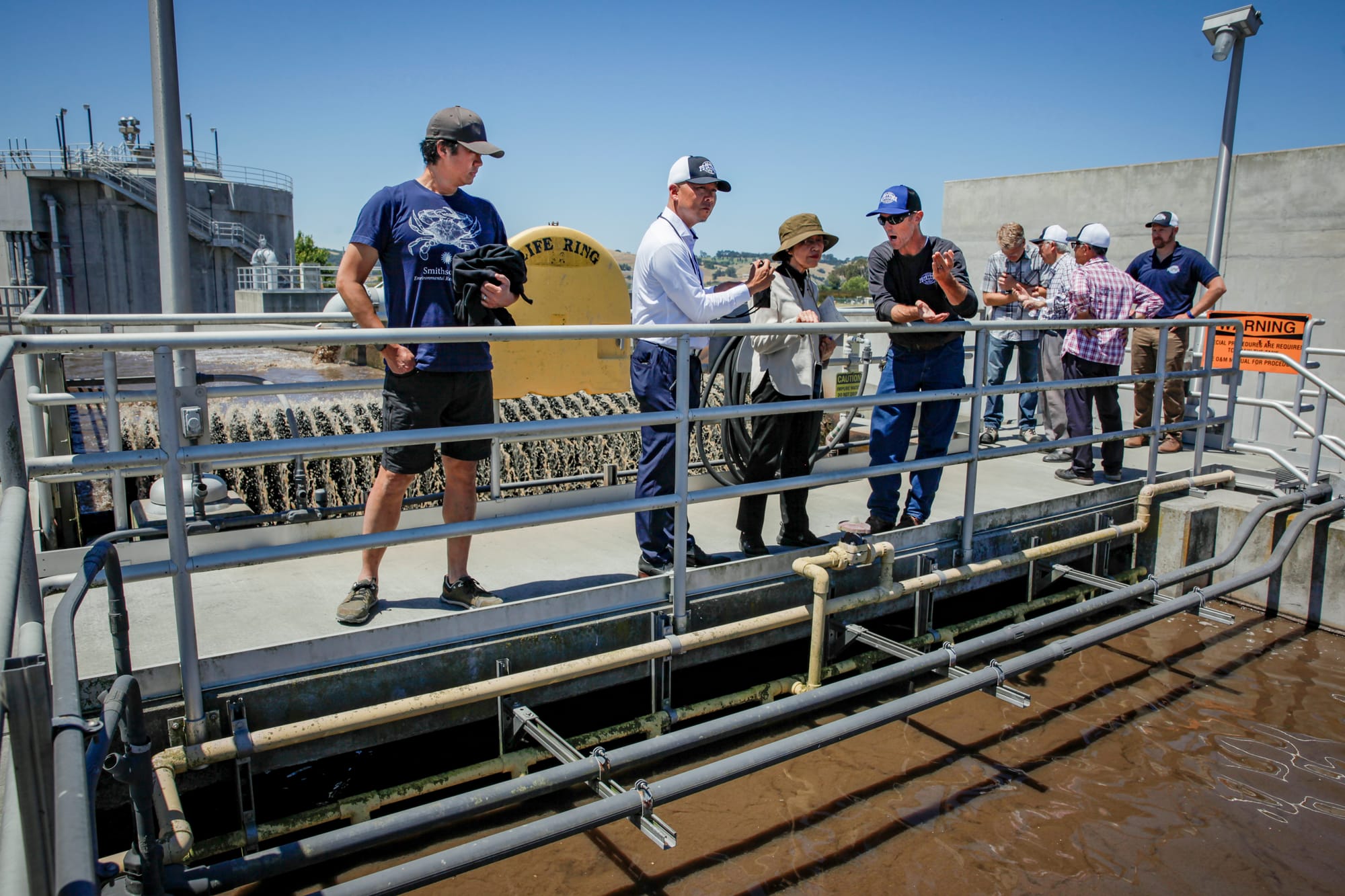
A visiting delegation of Japanese scientists and a ginger farmer toured Petaluma’s Ellis Creek Water Recycling Facility and adjacent Shollenberger Park on Monday, June 1, to learn more about the city’s wetlands and innovative water treatment system.
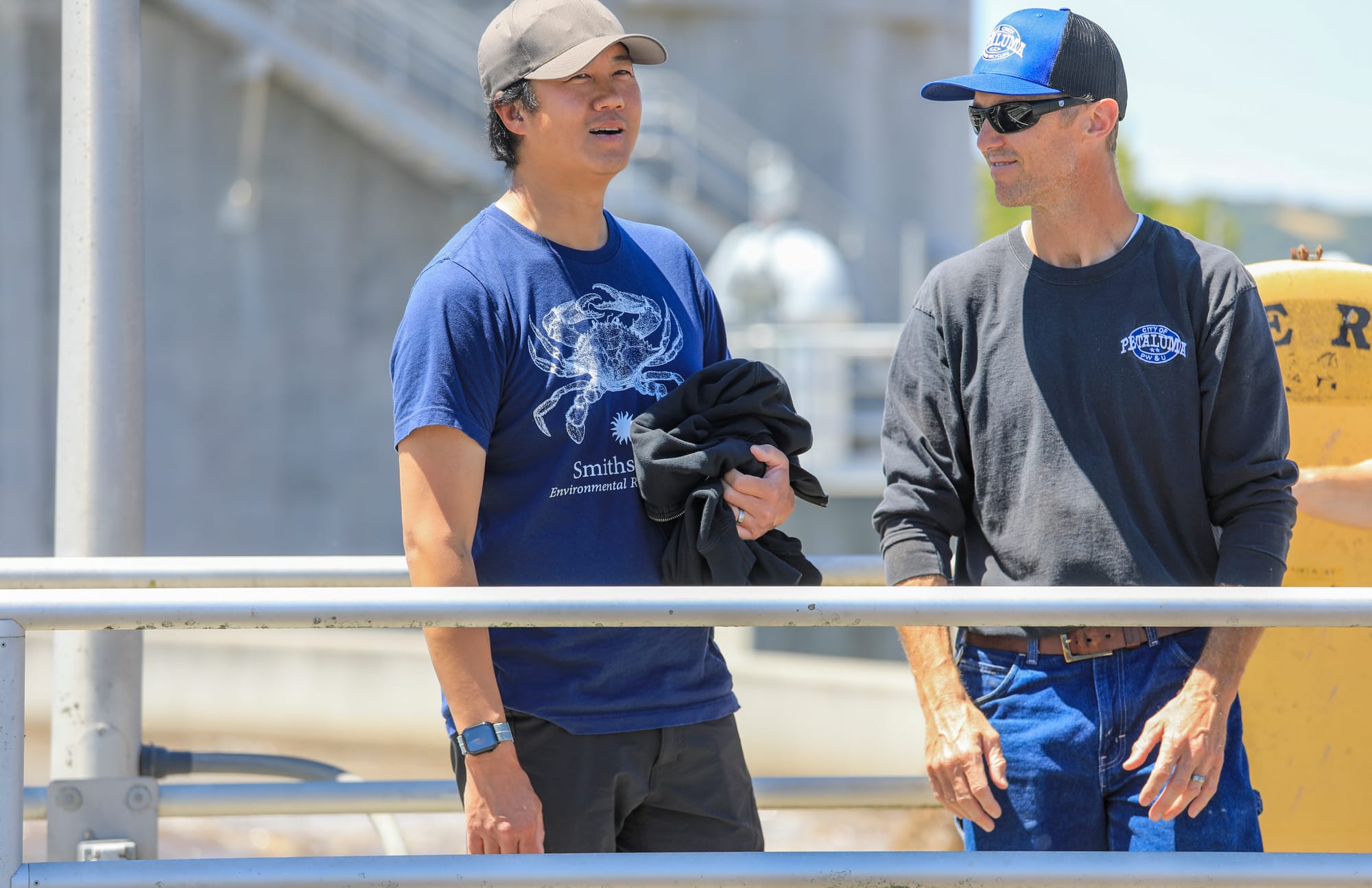
The visit was organized by Masayuki Komatsu, a decorated Japanese researcher and author of more than 60 books, and coordinated locally by Andrew Chang, an ecologist with the Smithsonian Environmental Research Center in Tiburon and a Petaluma resident.
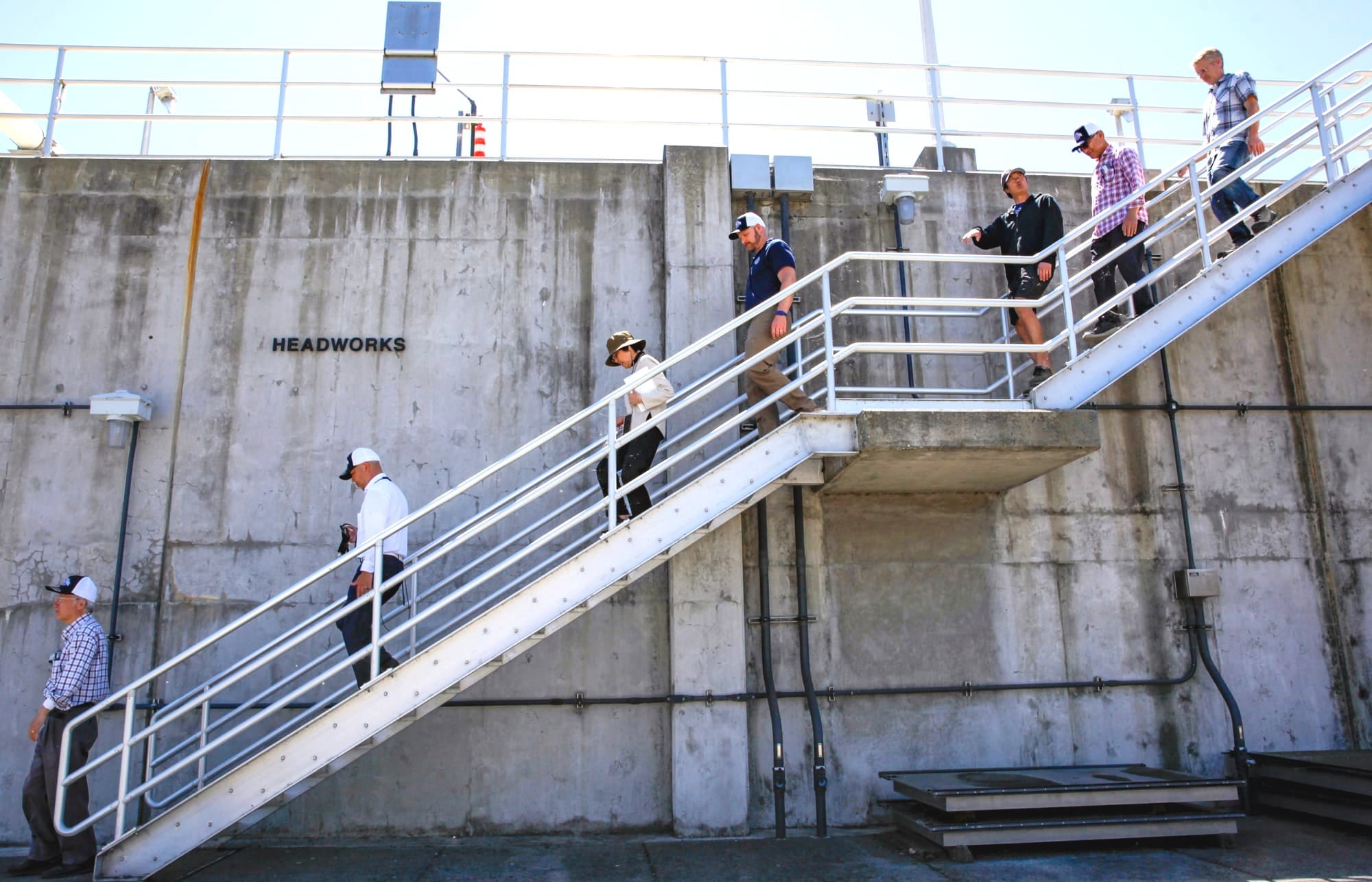
The group began their day with a tour of Shollenberger Park led by Petaluma Wetlands Alliance president Mary Kadri, vice president (and city council member) John Shribbs, and communications chair Joanne Figone. Steve Worrell, deputy director of environmental services for Petaluma Public Works and Utilities, also attended and later helped lead a tour of the Ellis Creek facility.
Matt Weekley, a water recycling plant operator for the city, delivered a presentation sharing details about the mechanics of the city’s wetland-based water treatment plant – including bacteria separation, natural chlorination, and other nuances of the water cleaning process.
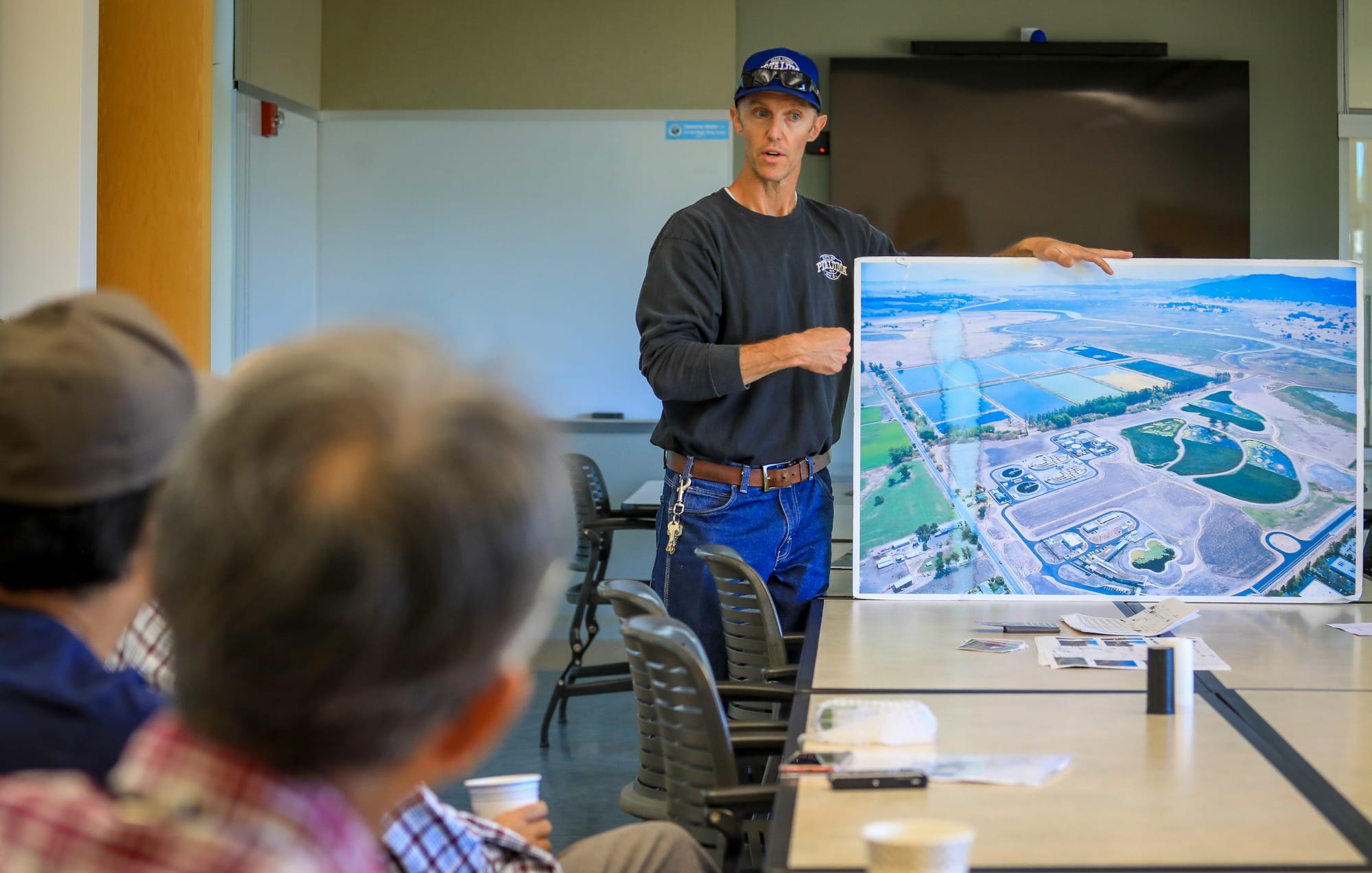
According to the city’s website, wastewater sent to the facility “undergoes advanced treatment, filtration, and ultraviolet (UV) light disinfection to ensure the production of high-quality recycled water.”
Treated water is then sent to the facility's 31 acres of polishing wetlands. “These wetlands help remove excess nutrients and metals from the treated water, acting as nature’s filter before the water is either reused or released,” according to the city’s website. Water that isn’t recycled through special pipes is discharged to the Petaluma River.
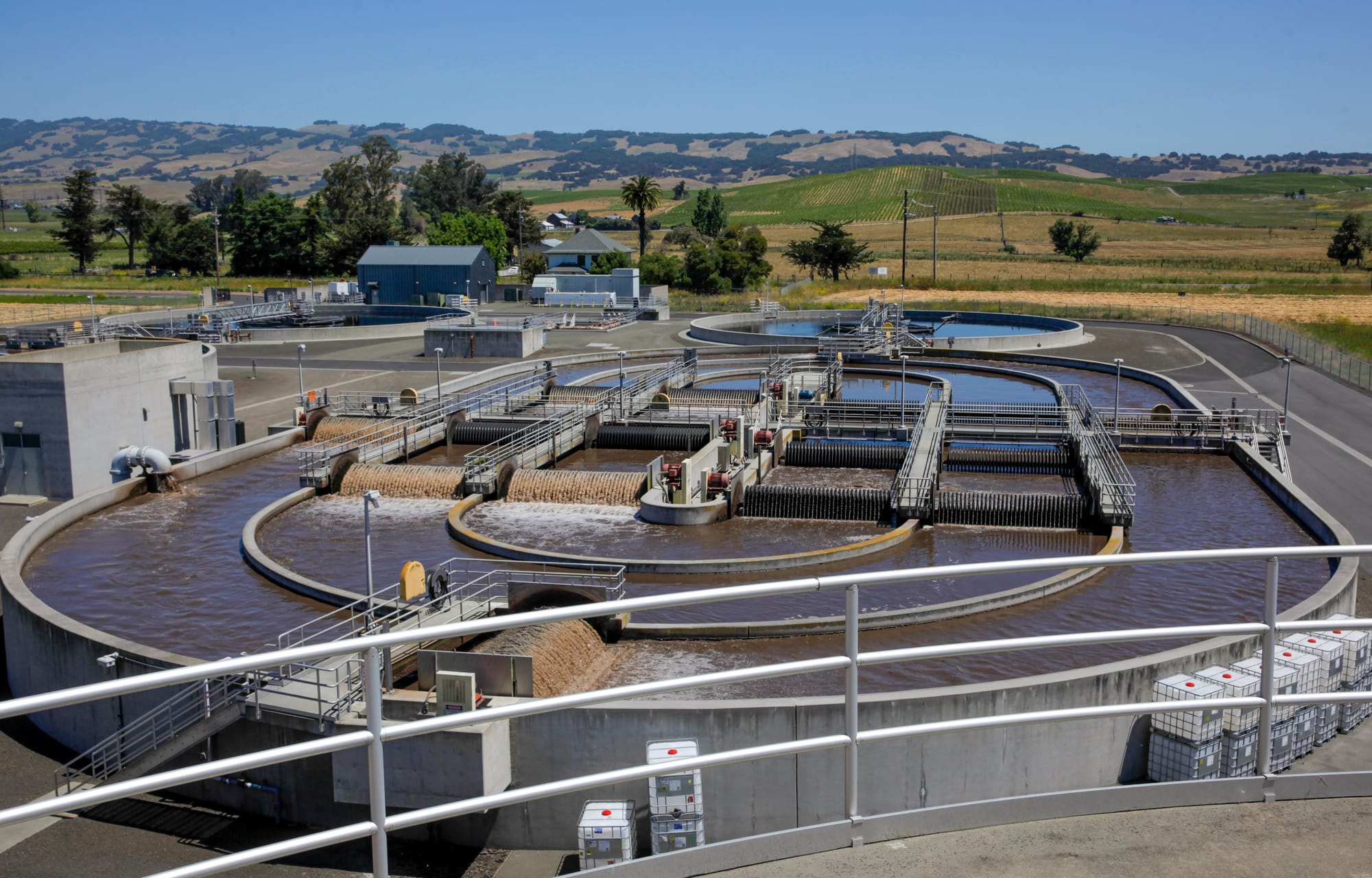
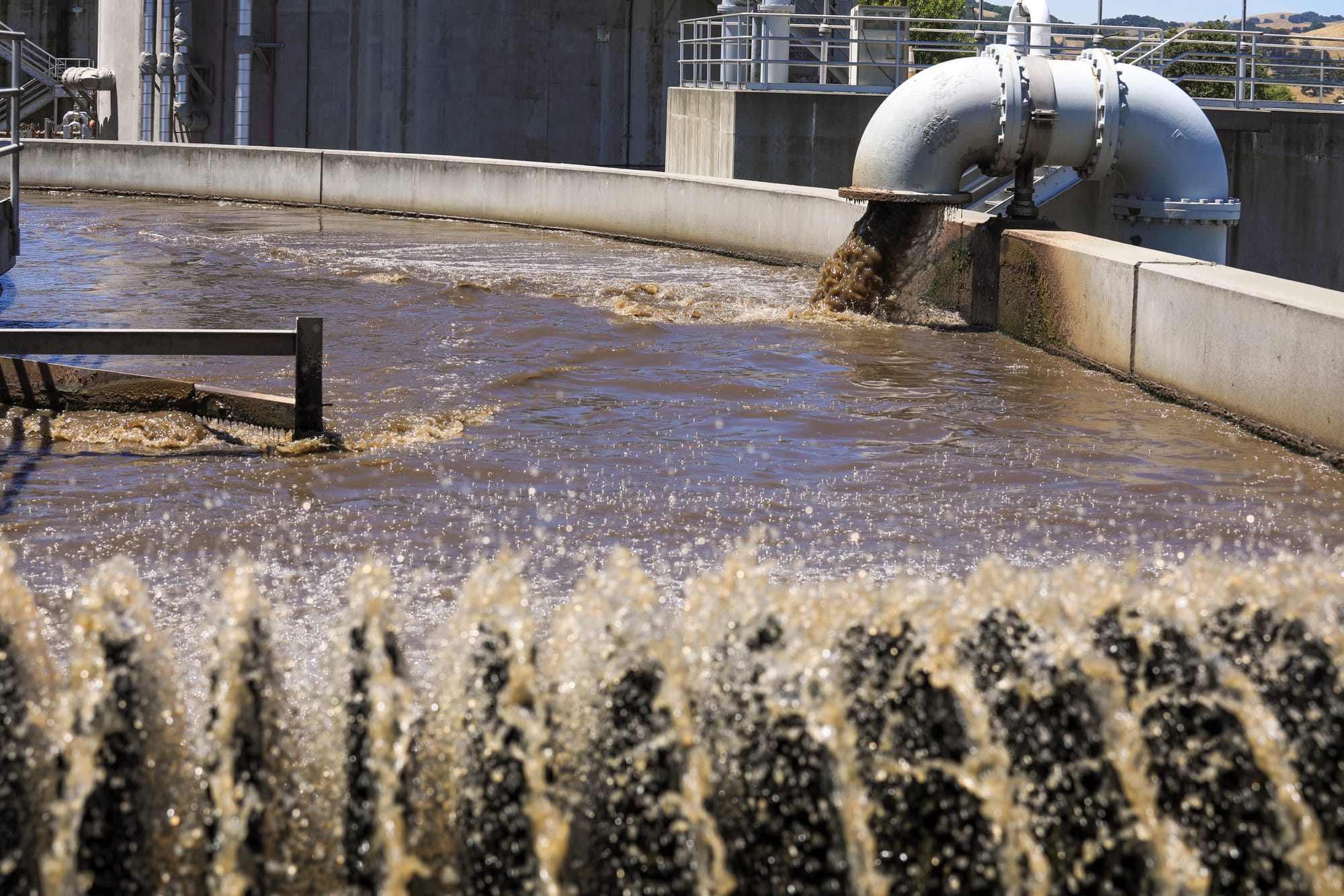
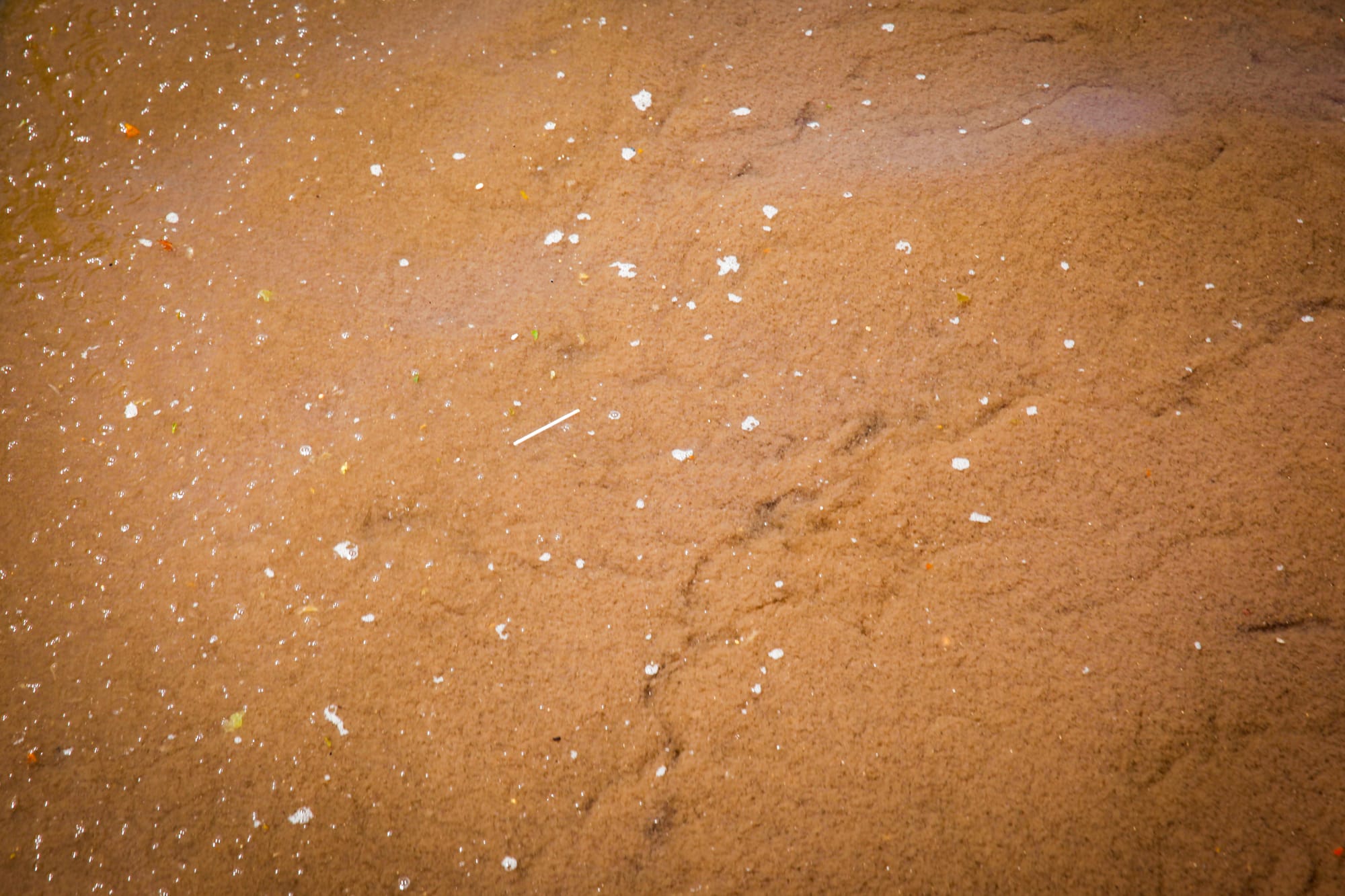
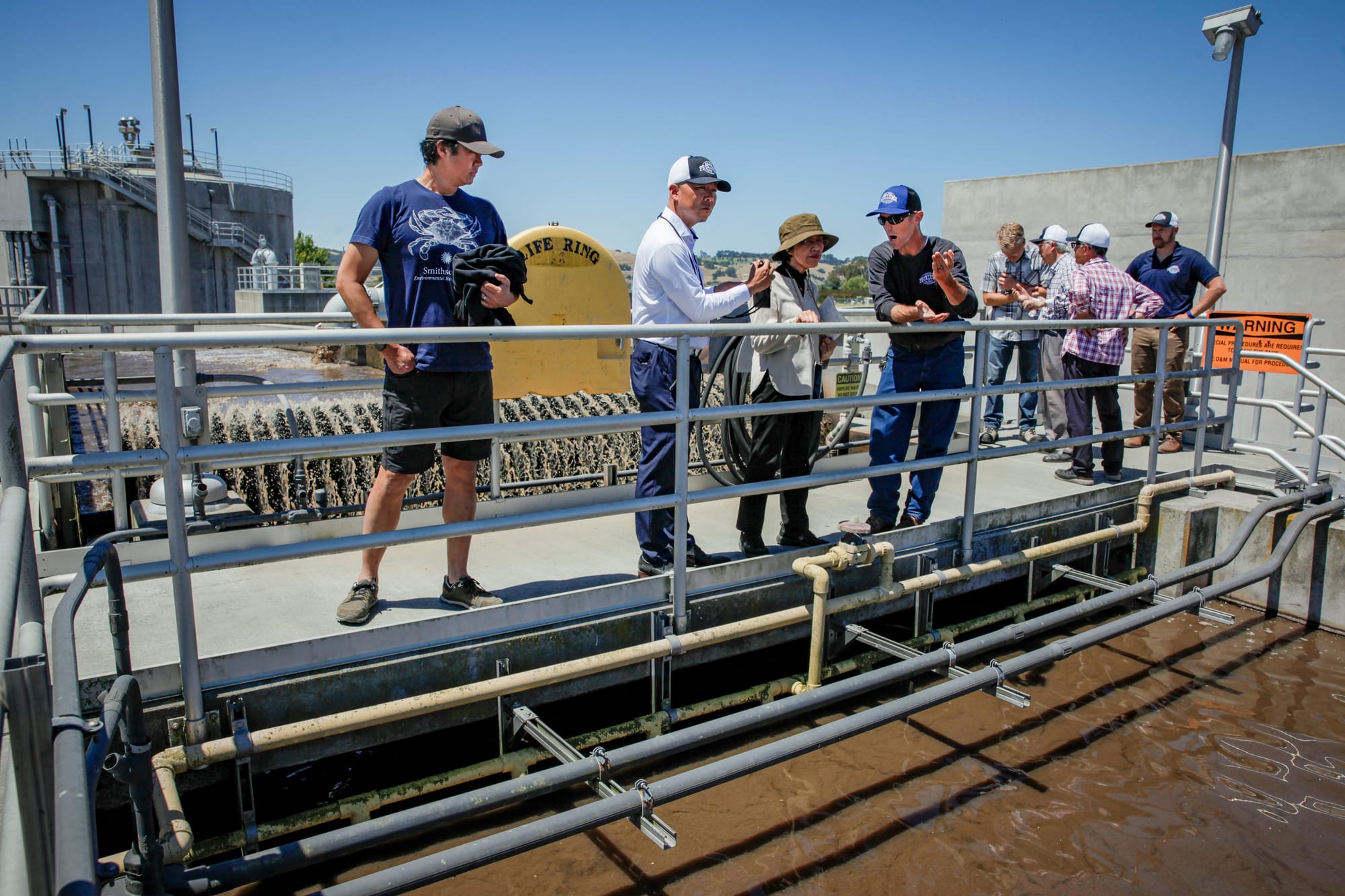
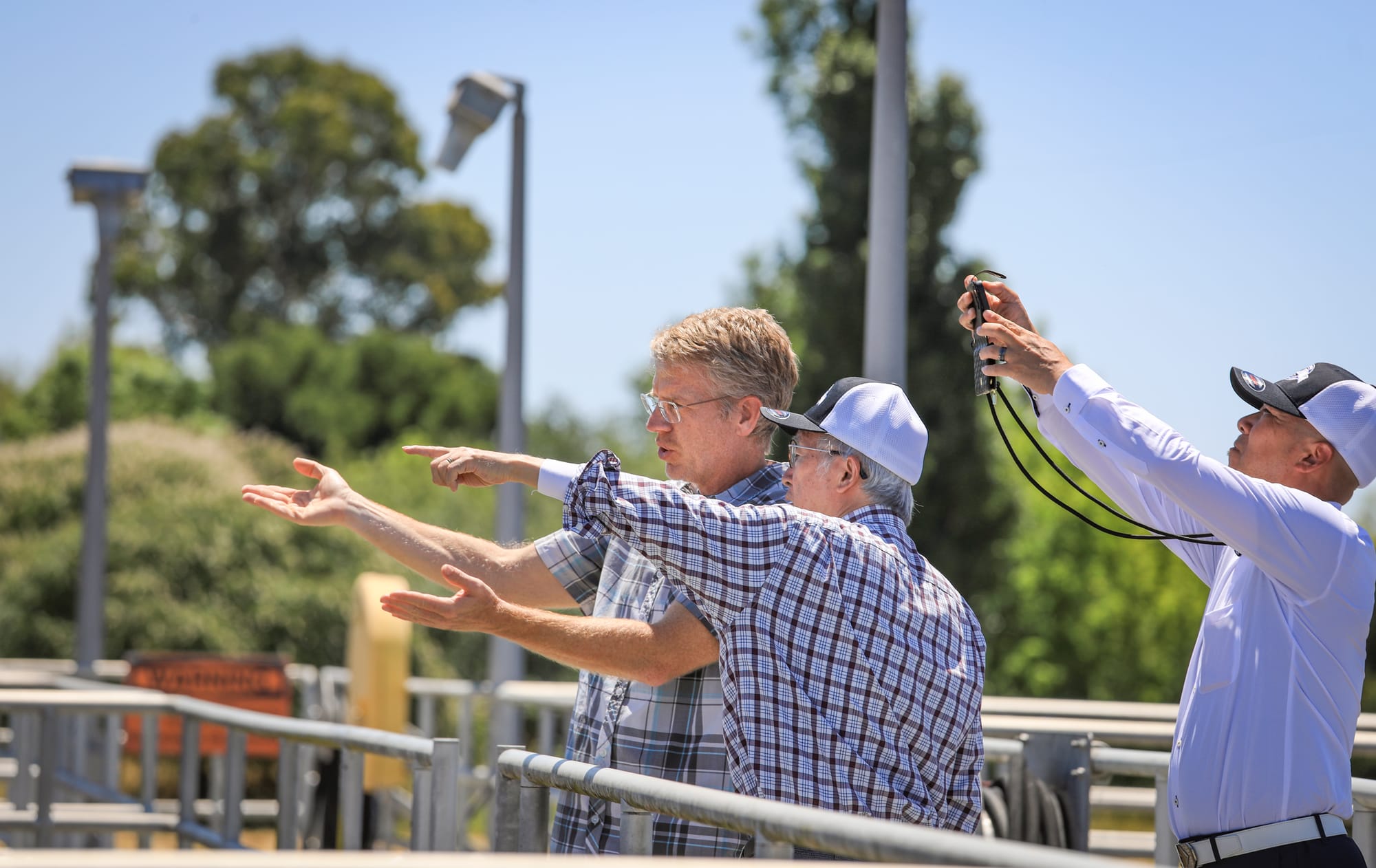
Visitors from Japan tour the Ellis Creek Water Recycling Facility in Petaluma on Monday, June 1, 2026. (CRISSY PASCUAL/PETALUMA VOICE ©2026)
Komatsu and Chang were joined from Japan by Masatoshi Matsumasa, professor emeritus of biology from Iwate Medical University, assistant Tomoko Nakamura of the Ecosystem Research Institute, as well as Kouta Satake, a ginger farmer planning to add wetlands and bring more ecologically sound practices to his family’s 12-acre farm – which, he said, for the past 40 years has been using conventional farming techniques and harmful chemicals.
Via translation by Nakamura, Satake said he was “determined to do better.” He wants to introduce nature-based solutions, similar to the ones used in Petaluma, to make his home an ecological, natural hub in 20 years’ time.
[Correction 6/9/2026 7:14 a.m: Corrected a transliteration and added a researcher's name.]
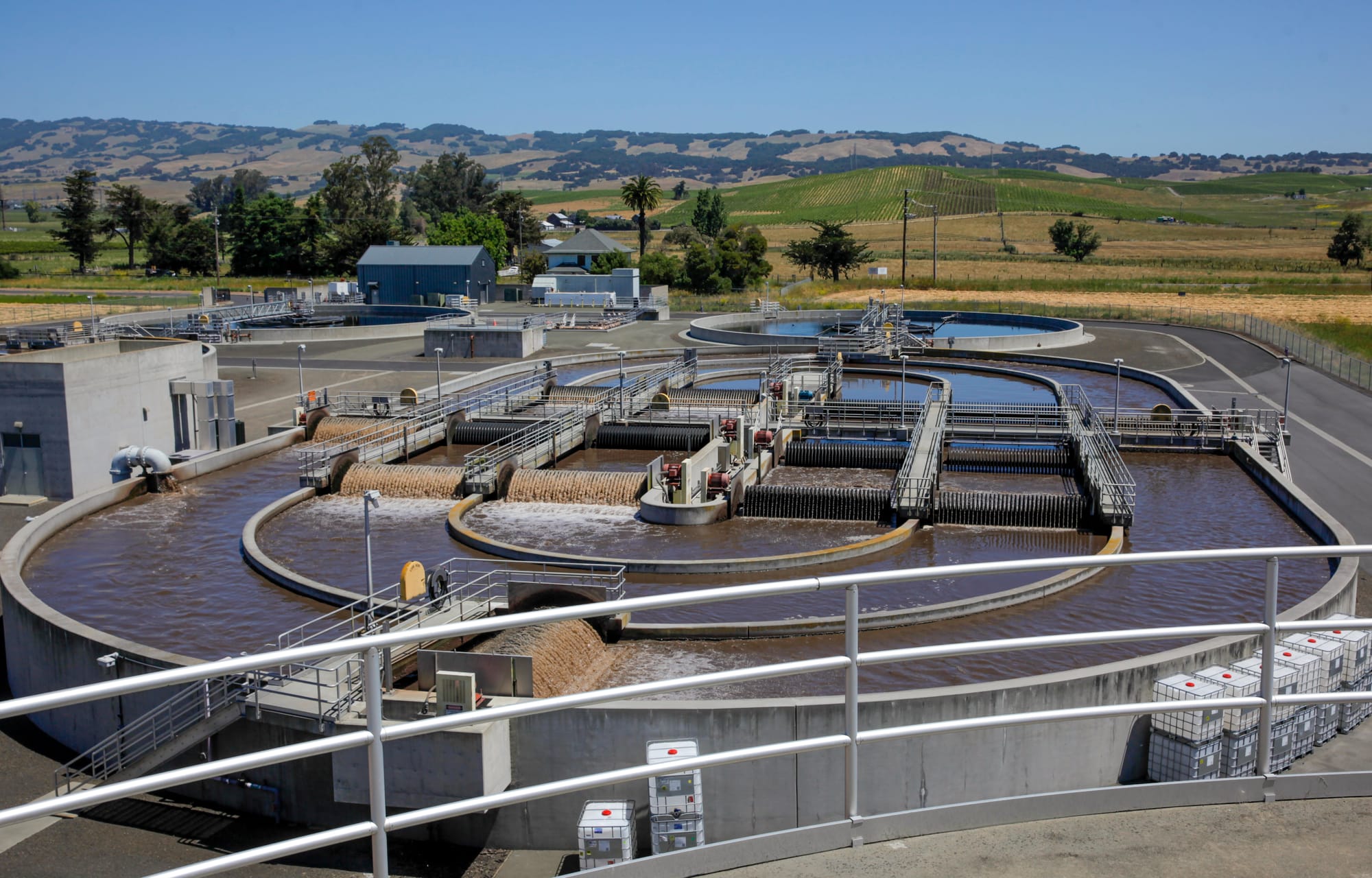
An oxidation ditch at the Ellis Creek Water Recycling Facility in Petaluma helps separate solids from liquids as part of the water treatment process. Video by Crissy Pascual/Petaluma Voice ©2026 (Monday, June 6, 2026)