New state plan could boost local oyster and seaweed farming
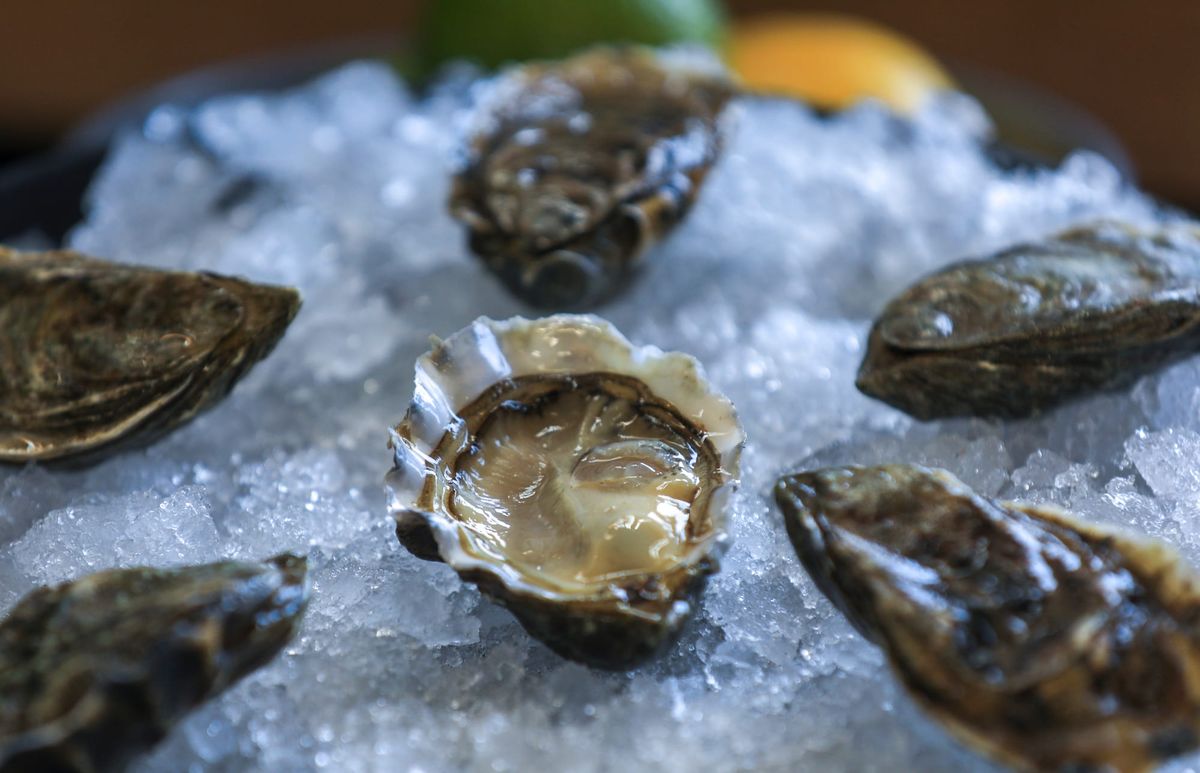
Petalumans looking to celebrate National Oyster Day – Wednesday, Aug. 5 – have many options. But if a new plan to expand aquaculture in the state fulfills its promise, they could one day have many more.
Tomales and Bodega bays are already a hotbed of top-shelf oyster production. Hog Island Oyster Company, Bodega Bay Oyster Company, and Tomales Bay Oyster Company farm oysters in these rich coastal waters and sell them to residents and tourists alike who seek out fresh, local, sustainable seafood. Until it lost its lease in the nearby Point Reyes National Seashore in 2014, Drakes Bay Oyster Company did the same.
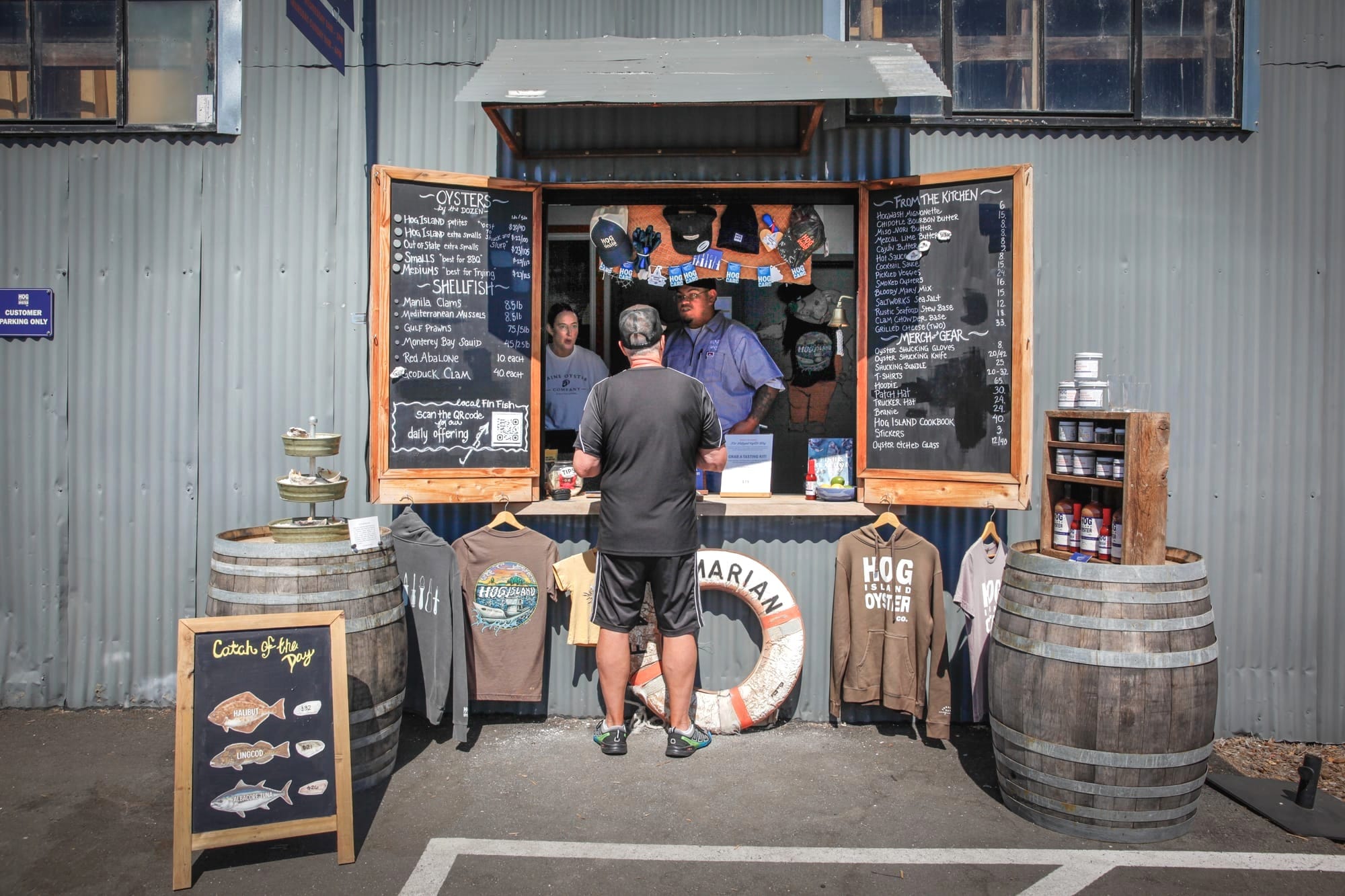
Hog Island and Bodega Bay are both based in Petaluma and have a significant presence here. Hog Island operates a pick-up window downtown on First Street while Bodega Bay runs a popular roadside restaurant on Valley Ford Road, halfway to the coast.
In June, the California Ocean Protection Council, a cabinet-level body that works with state and federal agencies, NGOs, tribes, and the public to maintain “healthy, resilient, and productive ocean and coastal ecosystems” took a first step toward opening the door for more such operations when it formally adopted the Statewide Marine Aquaculture Action Plan.
The council calls it “California’s first roadmap to improve governance, ensure environmental protections, and facilitate sustainable development of marine seaweed and shellfish aquaculture.”
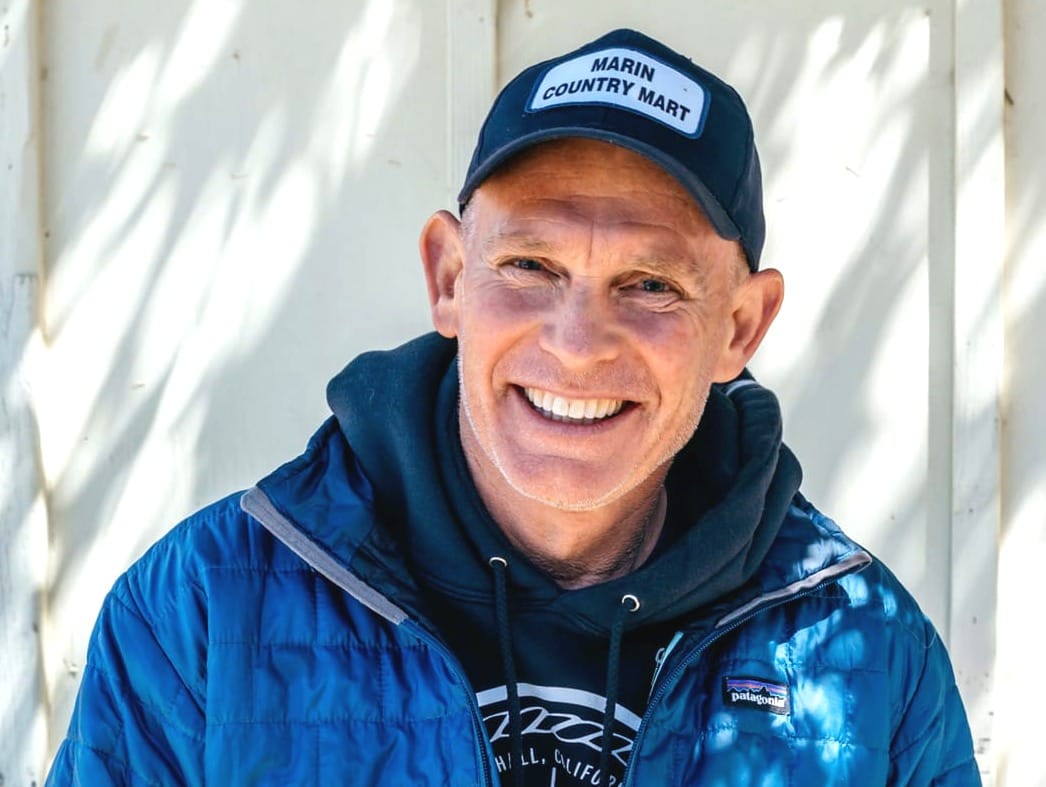
In simpler terms, explains Gary Fleener, senior director of science and policy for Hog Island Oyster Company, its primary intent is to help new shellfish and seaweed operations get off the ground and into the water.
A plan to cut red tape
“Right now, the state separates permitting across different agencies: the California Coastal Commission, the California Department of Fish and Wildlife, the Water Board,” Fleener said. “There's federal involvement through the Army Corps of Engineers. It's a very long, onerous, and expensive process – not because the agencies are trying to be a pain in the butt, but because they're each doing their jobs and they have overlapping jurisdiction for things that happen in the coastal zone.”
The new plan proposes a more efficient, streamlined approach, Fleener said, “where a lot of those redundancies would be removed, where there would be maybe a lead agency for aquaculture permitting.”
Hog Island supports the proposal, Fleener said, and as a major player in the California oyster industry helped shape it through public comment.
“It has the potential to have some very positive impacts,” he said – even if that means more competition.
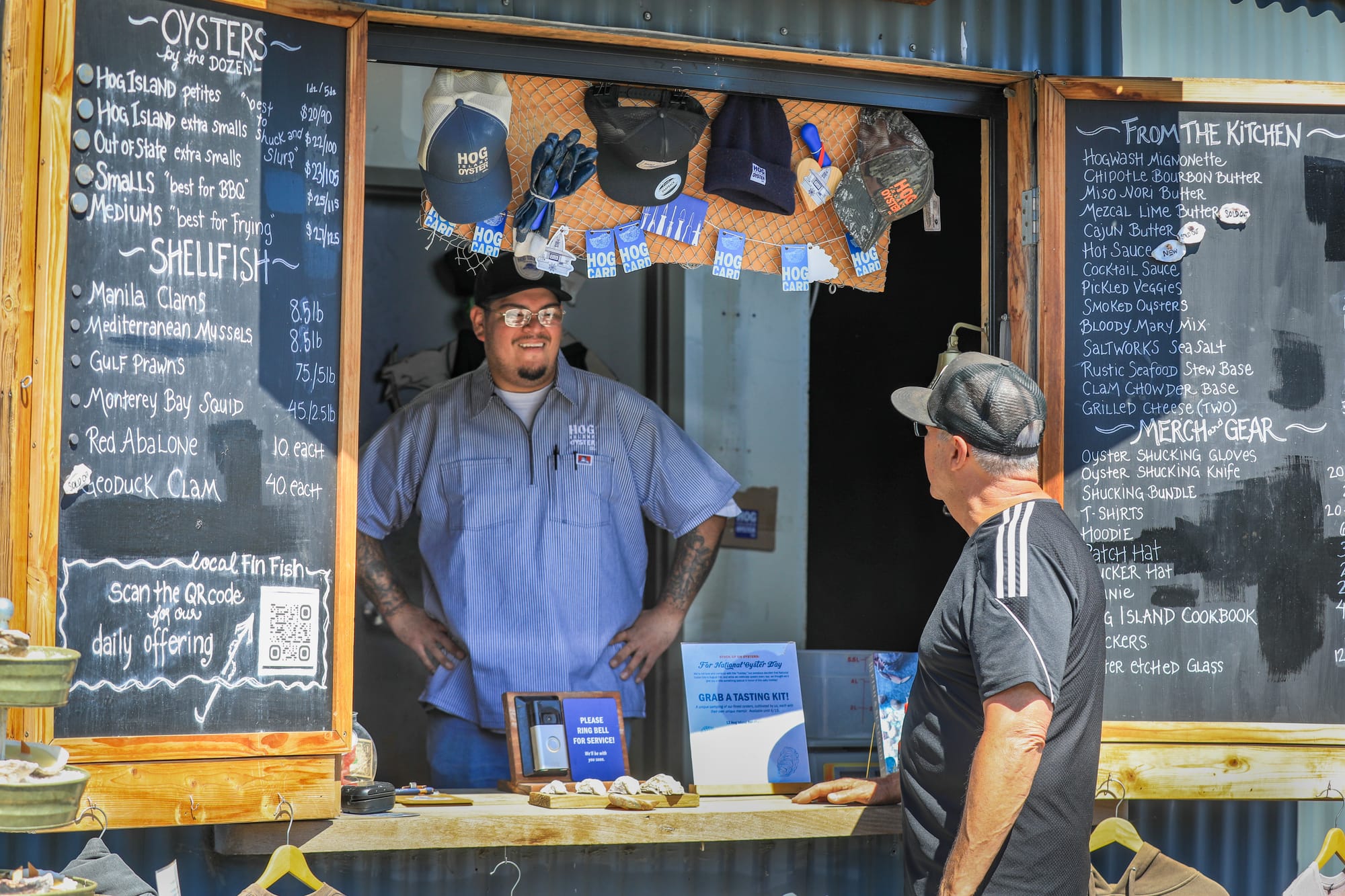
The Hog Island Oyster Company operates a pick-up window near downtown Petaluma. Kevin Reyes (left) helps customer Greg Haas (right) make a pre-order for the weekend. (Tuesday, August 4, 2026. Photo by CRISSY PASCUAL/PETALUMA VOICE ©2026)
“I'd love to see young, aspirational folks with a vision for sustainable food systems get into the game if they want to, but there's really no pathway for that,” he said. “That would be a really cool outcome to make aquaculture opportunities more accessible to, you know, the 2030 generation.”
For now, the plan is just that. As a policy and research agency, the Ocean Protection Council lacks the ability to force state agencies, the state legislature, or the governor to do anything about it.
What it can do is direct funding. In June, upon approving the Marine Aquaculture Action Plan, the council also allocated $500,000 to California Sea Grant – a collaboration between the National Oceanic and Atmospheric Administration, the state of California, and universities across the state – to develop an aquaculture science plan that may inform future governance.
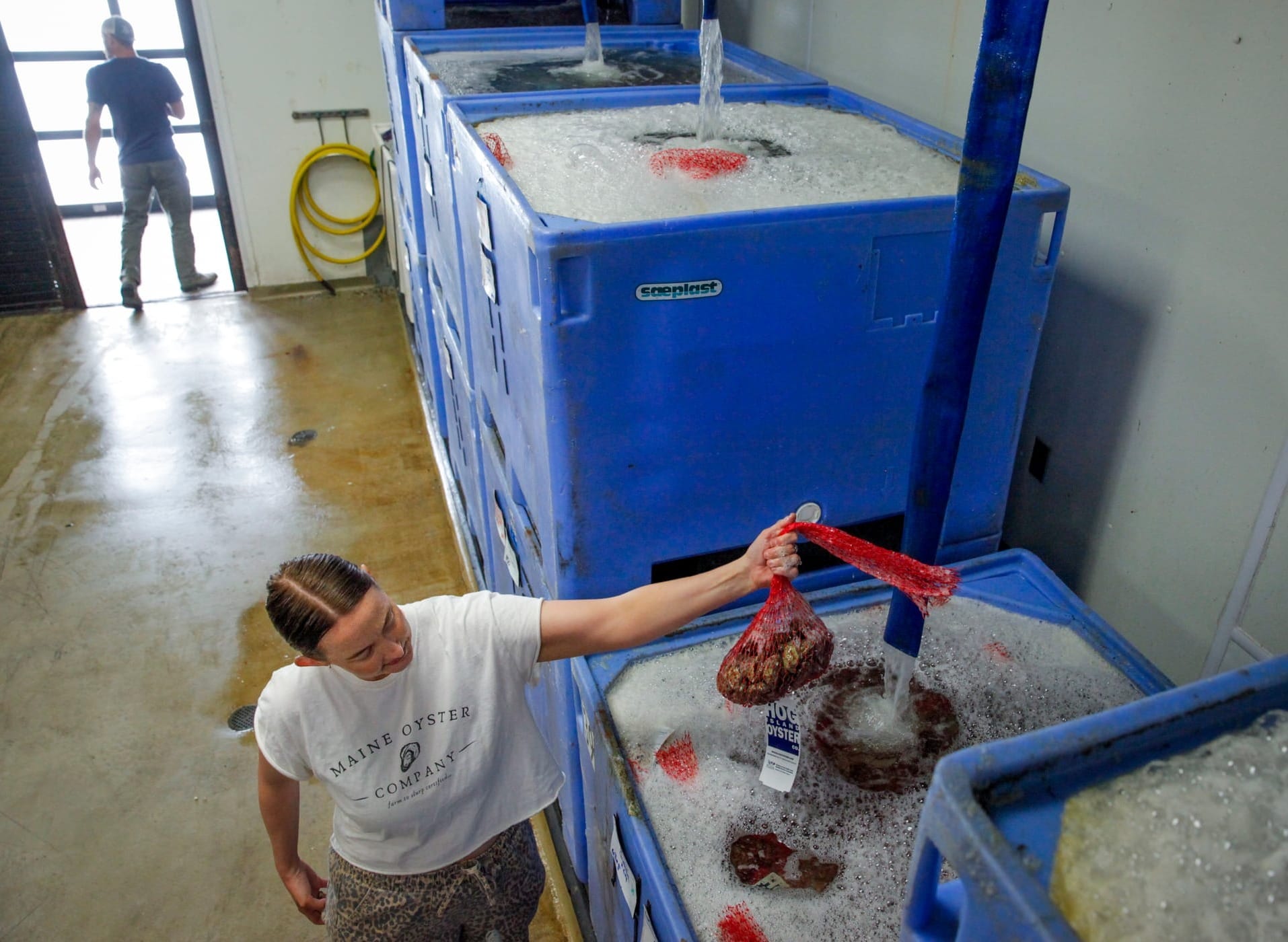
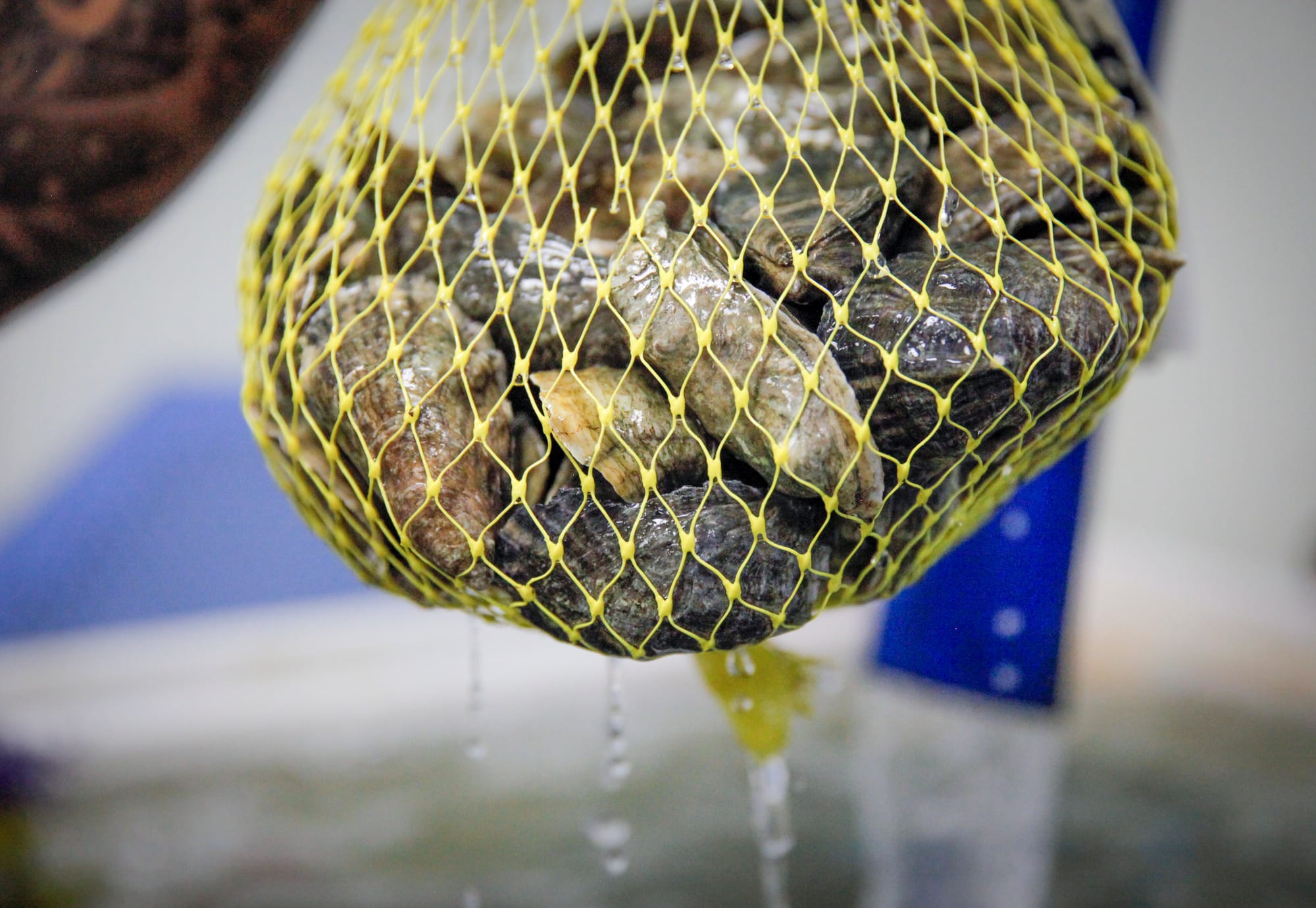
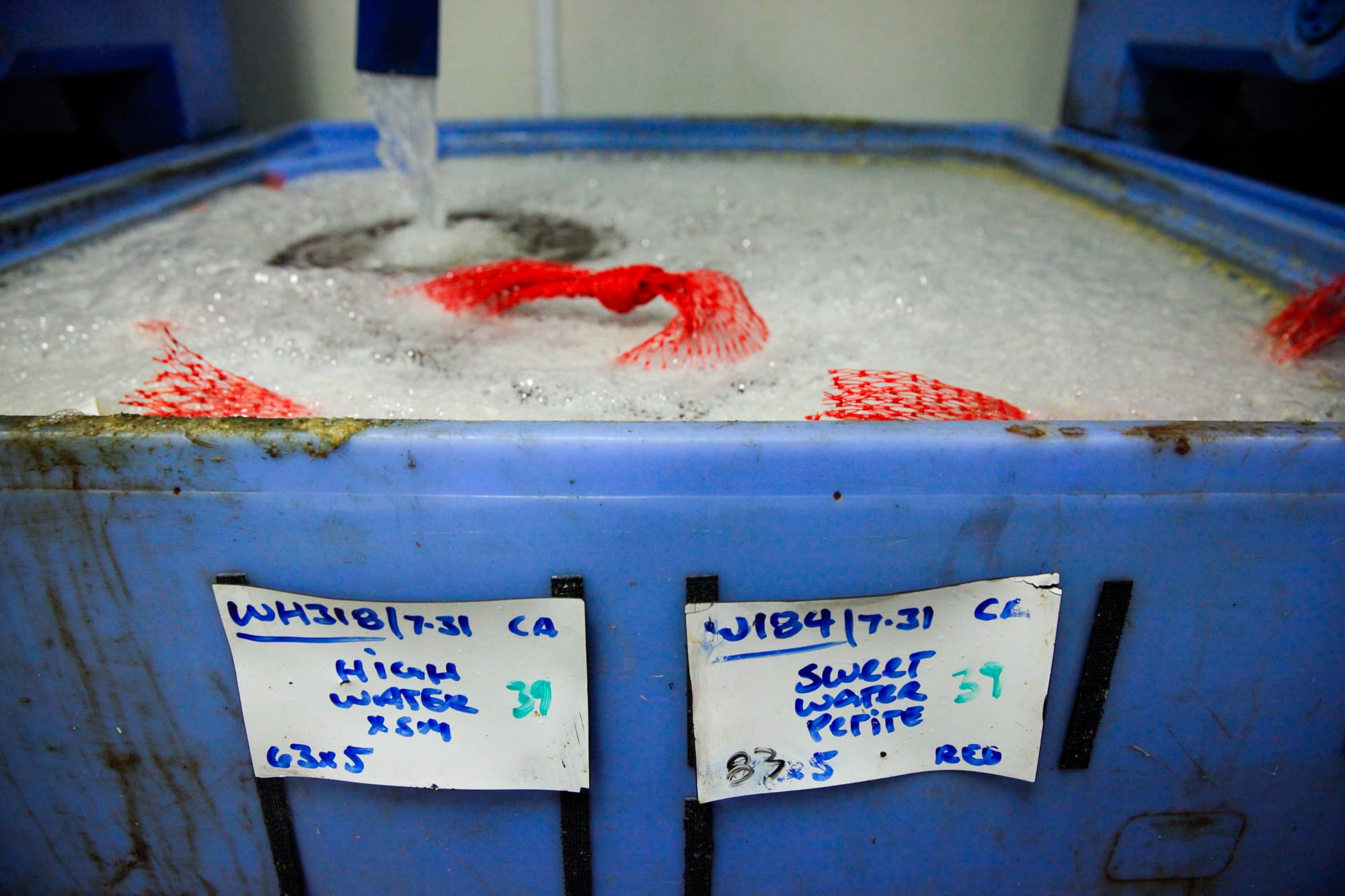
Fresh oysters are kept at the Hog Island Oyster Company's shop in Petaluma where they can be picked up from a sales window. Oysters are stored in water from Tomales Bay. (Tuesday, August 4, 2026. Photo by CRISSY PASCUAL/PETALUMA VOICE ©2026)
Supportive, but skeptical
Martin Strain, owner of Bodega Bay Oyster Company, said he, too, supports the plan’s goal of improving opportunities for new operators, including in Tomales and Bodega bays where his company raises and farms oysters.
“With climate change, we need a holistic approach to aquaculture, which means growing multiple species of shellfish and aquatic plants in the same water column,” Strain said.
But he’s not confident the council, or its current plan, will be able to accomplish that.
“The plan is never going to cut through the bureaucracy of any of the agencies involved or reduce any agency’s fear of making the wrong decision, which leads to inaction,” he said.
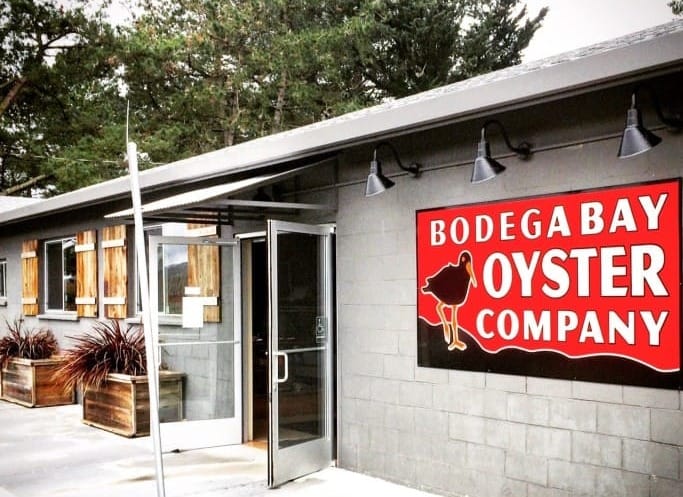
In any case, the plan isn’t likely to directly affect his business one way or the other, Strain noted. For now, Bodega Bay Oyster Company is more focused on National Oyster Day – and happy-hour pricing all day long.
Fleener, meanwhile, says he’s turned his attention toward the Trump administration’s newly launched review of California's coastal management process, and threats to undermine the California Coastal Commission.
“We want to work out our salvation in the California coastal zone as Californians,” he said. “It’s a hassle to have to jump through the hoops, but they’re important. Would we like to see efficiencies? Absolutely.”