Two new players to oversee animal shelter and services
Petaluma signs contracts with countywide operators
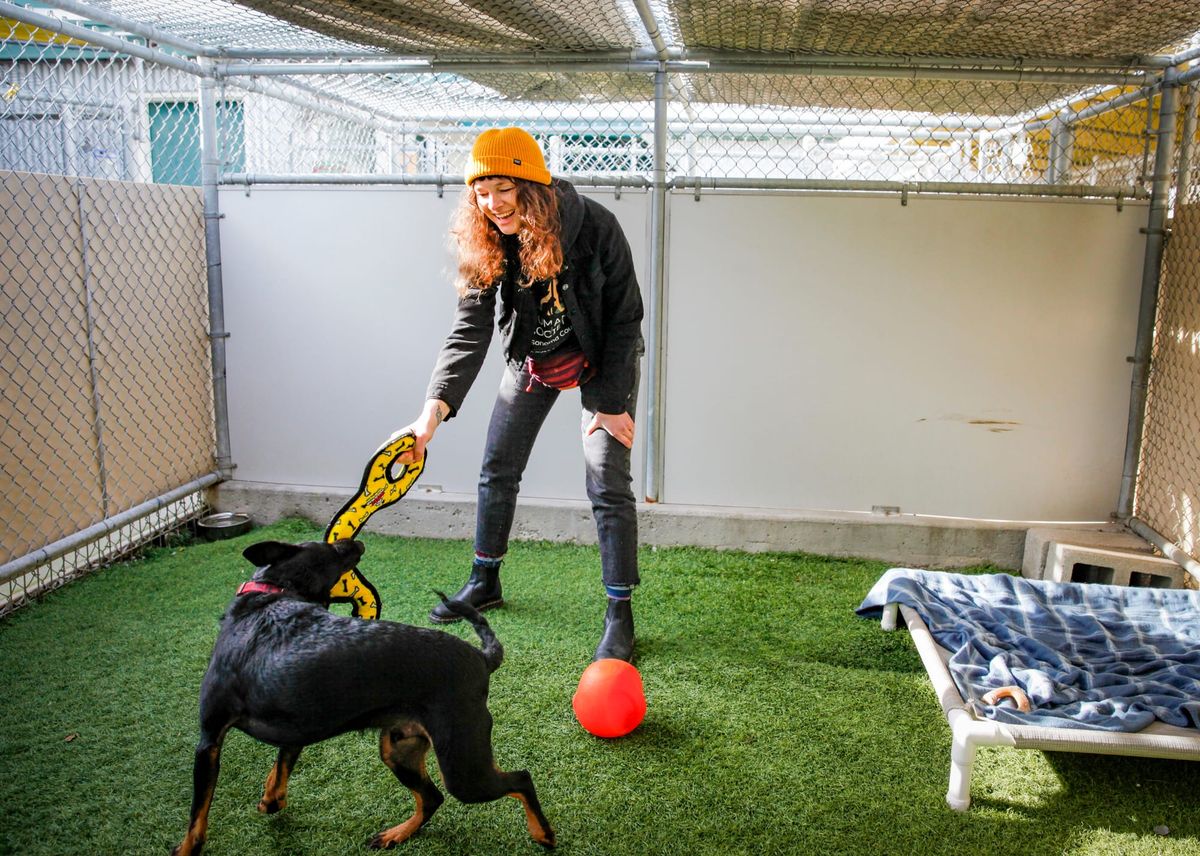
Local resident Akira – who doesn’t have a last name just yet – strolled and sniffed around the play area at the newly reopened Petaluma animal shelter for an afternoon jaunt earlier this week.
Moments prior, Tressa Fessenden-McKenzie, director of shelter operations with the Humane Society of Sonoma County, had led Akira, an amicable and fluffy German shepherd, from inside the shelter, past outdoor cages with newly added barriers, and into a spruced-up outdoor space at the shelter.
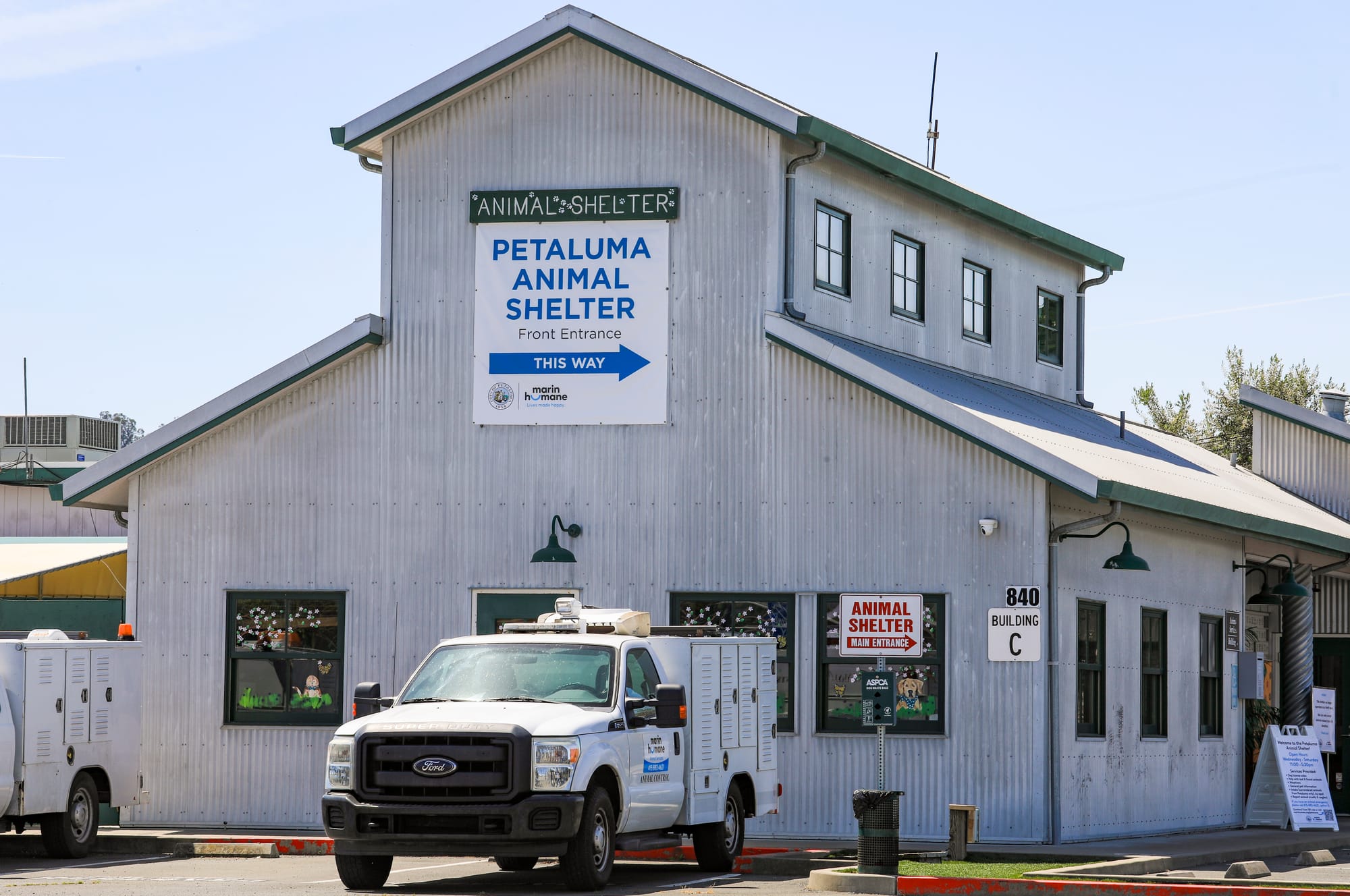
For at least the next two years, the Humane Society of Sonoma County will oversee the Petaluma shelter after taking over from temporary operator Marin Humane on Sept. 1. The organization will work alongside the Sonoma County Animal Services Department, which is contracted through June 2027 to provide animal control services in Petaluma in the wake of prior operator North Bay Animal Services’ tumultuous departure earlier this year.
Both of these established, countywide operations are settling into their new roles, feeling welcomed by the community, and familiarizing themselves with Petaluma, as they each hire more staff to address the area they’ll now serve, leaders from both said.
Petaluma’s new contracts with the two providers goes hand-in-hand with behind the scenes work toward a more comprehensive and collaborative model of animal services countywide – a move that leaders of both operations said they support. For now, they’re focused on getting settled in Petaluma.
Overseeing licensing and “field services” – dogs at large, bite cases, animal cruelty investigations, and similar issues within city limits – is the responsibility of the Sonoma County Animal Services Department, said Brian Whipple, the department’s director.
If someone is having an issue with an animal, or finds a loose dog, “We’re the folks you’d want to call and reach out to,” he said.
The department also serves the unincorporated county and the cities of Santa Rosa, Windsor, and Healdsburg, and is finalizing a contract with Cloverdale, Whipple said. The contract could have two one-year renewals.
Currently, 10 officers cover its entire jurisdiction, with two more slated to join the team after the Board of Supervisors approved the positions last week to support the expansion into Petaluma, Whipple said.
After the Humane Society assumed responsibility for the Hopper Street shelter on Sept. 1, its first order of business was to bring up the site to the minimum standards suggested by the Association of Shelter Veterinarians. The group seeks to improve the health and well-being of animals in communities by supporting the practice of shelter medicine, according to its website.
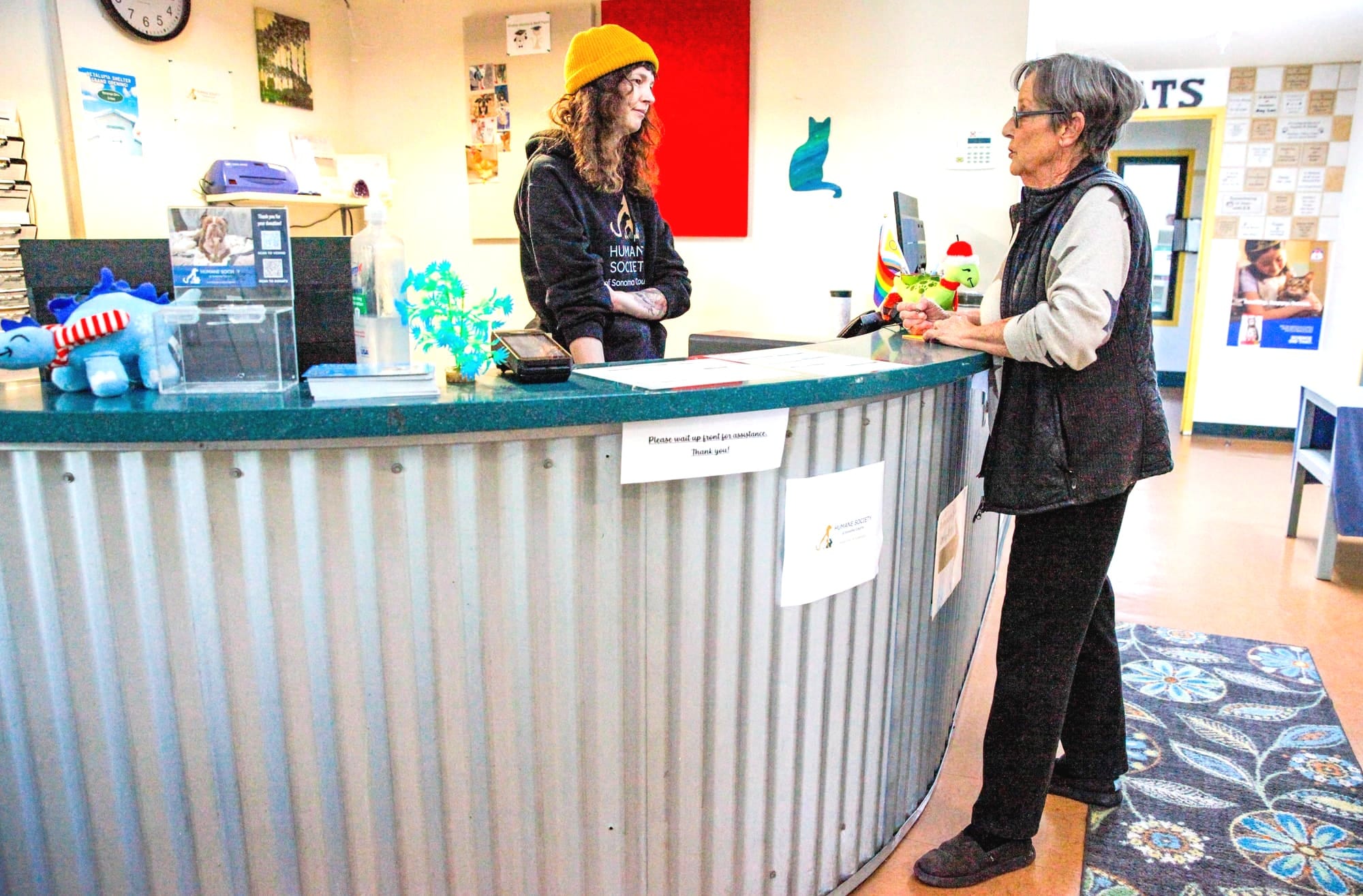
Staffing the shelter are a handful of workers from the Humane Society of Sonoma County, who are working to meet the “primary functional needs first” for the animals that they aim to support, said Cynthia King, executive director.
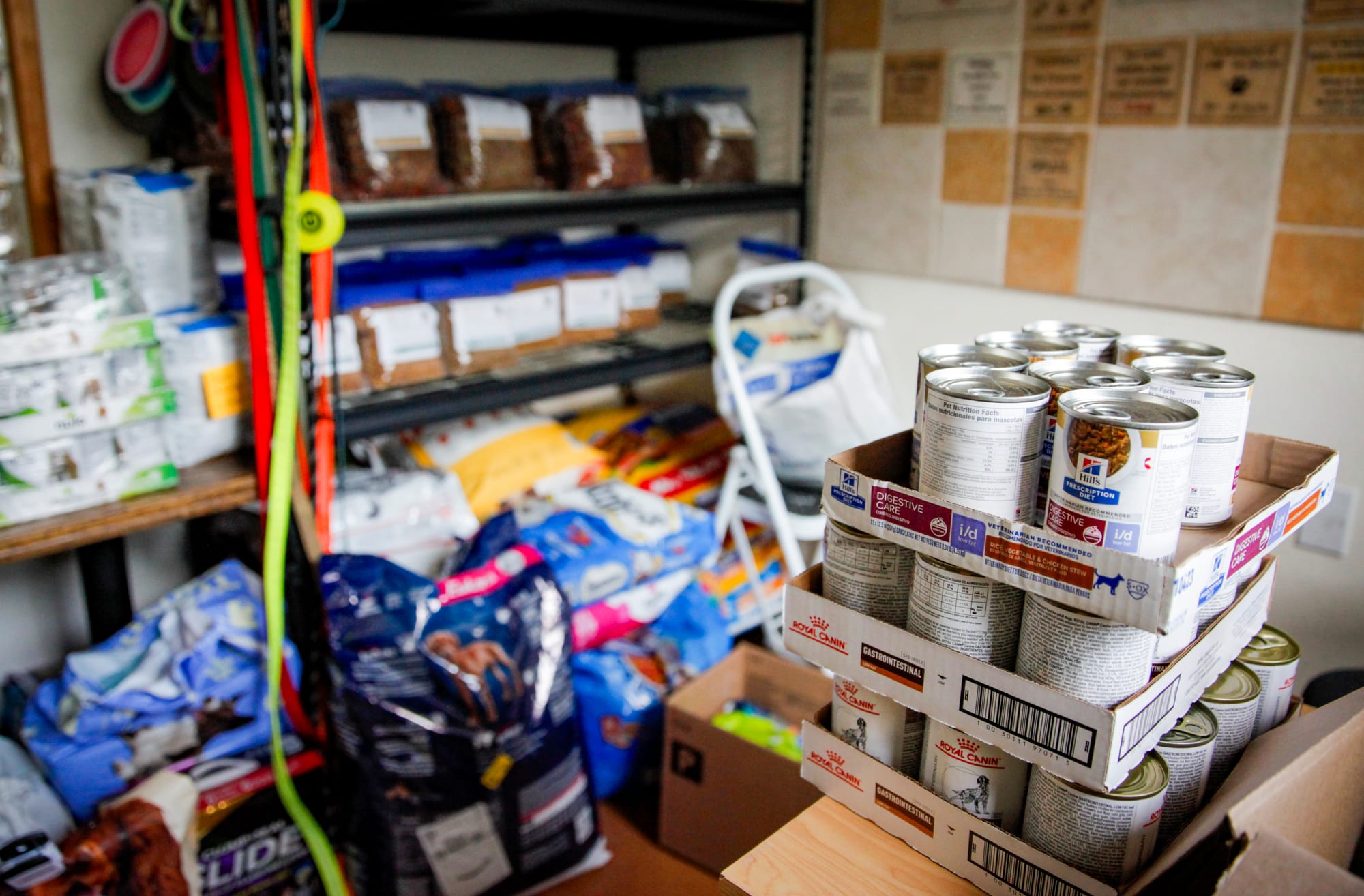
“We have a great care team and then we're layering in the other parts of the contract, which include behavior support, the veterinary oversight, and eventually bringing in the vaccine clinics and the other supportive services piece,” King said. “We have the pet food pantry and we have expanded our facilities team.”
The organization, established in 1931 in Santa Rosa, serves about 1,800 animals at its two shelters each year. King estimates that number will rise closer to 2,000 with the addition of the Petaluma shelter.
“The biggest question we get is, ‘Are you a no-kill shelter?’” King said. A no-kill shelter is one where at least 90% of animals leave alive. For the last several years, the organization has been at 97% to 98%, King said, adding that the average stay for an animal is about 14 days.
The Petaluma City Council approved the new contracts in a 7-0 vote on Sept. 14. It will cost the city a combined total of $1.2 million (and up to $1.5 million) to bring in both providers for the remainder of this fiscal year. The city had previously budgeted $878,000 under the previous provider, according to staff. The change also brings in Forgotten Felines as a subcontractor for the Humane Society of Sonoma County.
As part of the agreements, and to ensure transparency, both “must provide quarterly performance information, incident notices, and participate in operational meetings with the city,” according to a response to council questions from the Sept. 14 meeting.
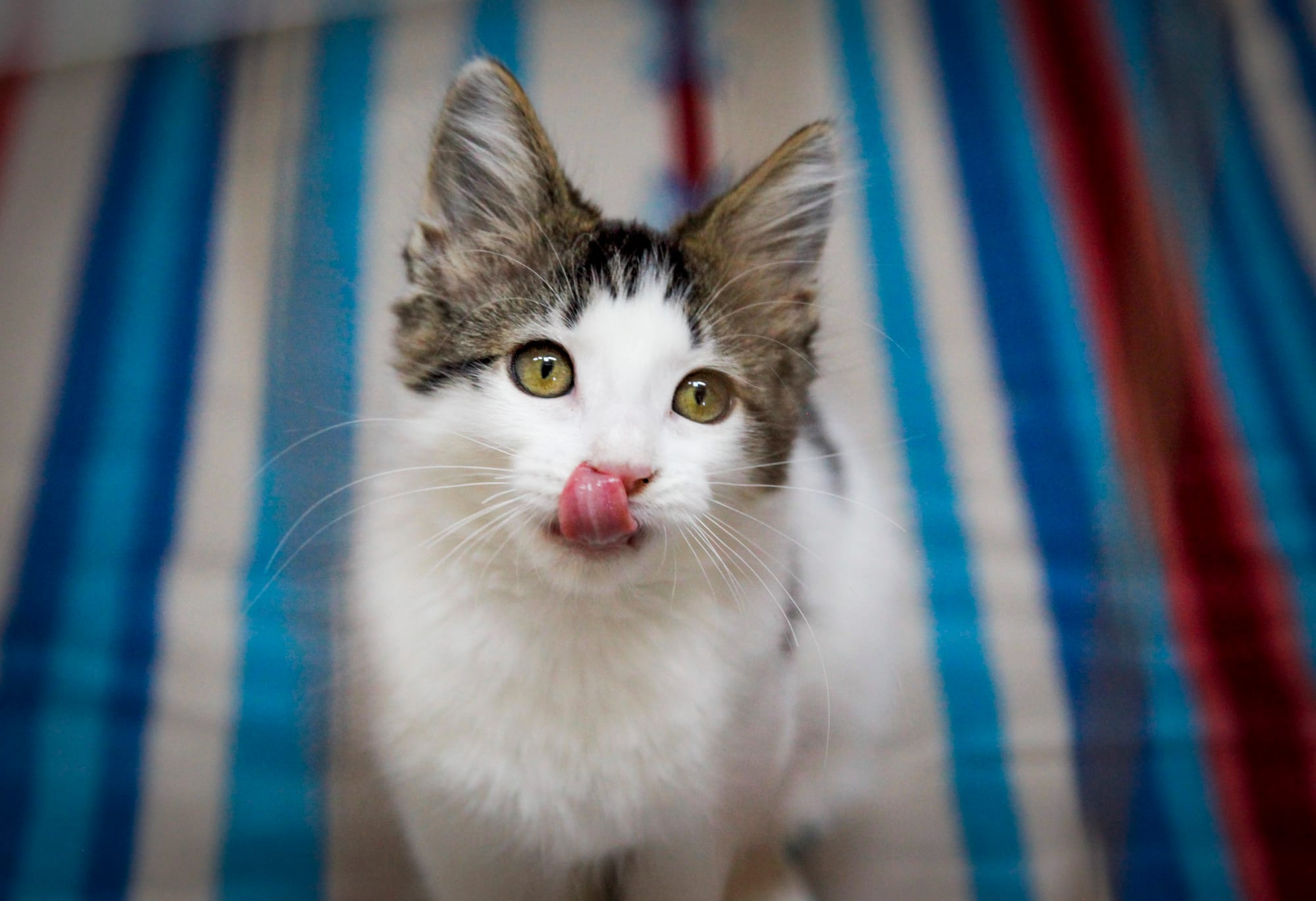
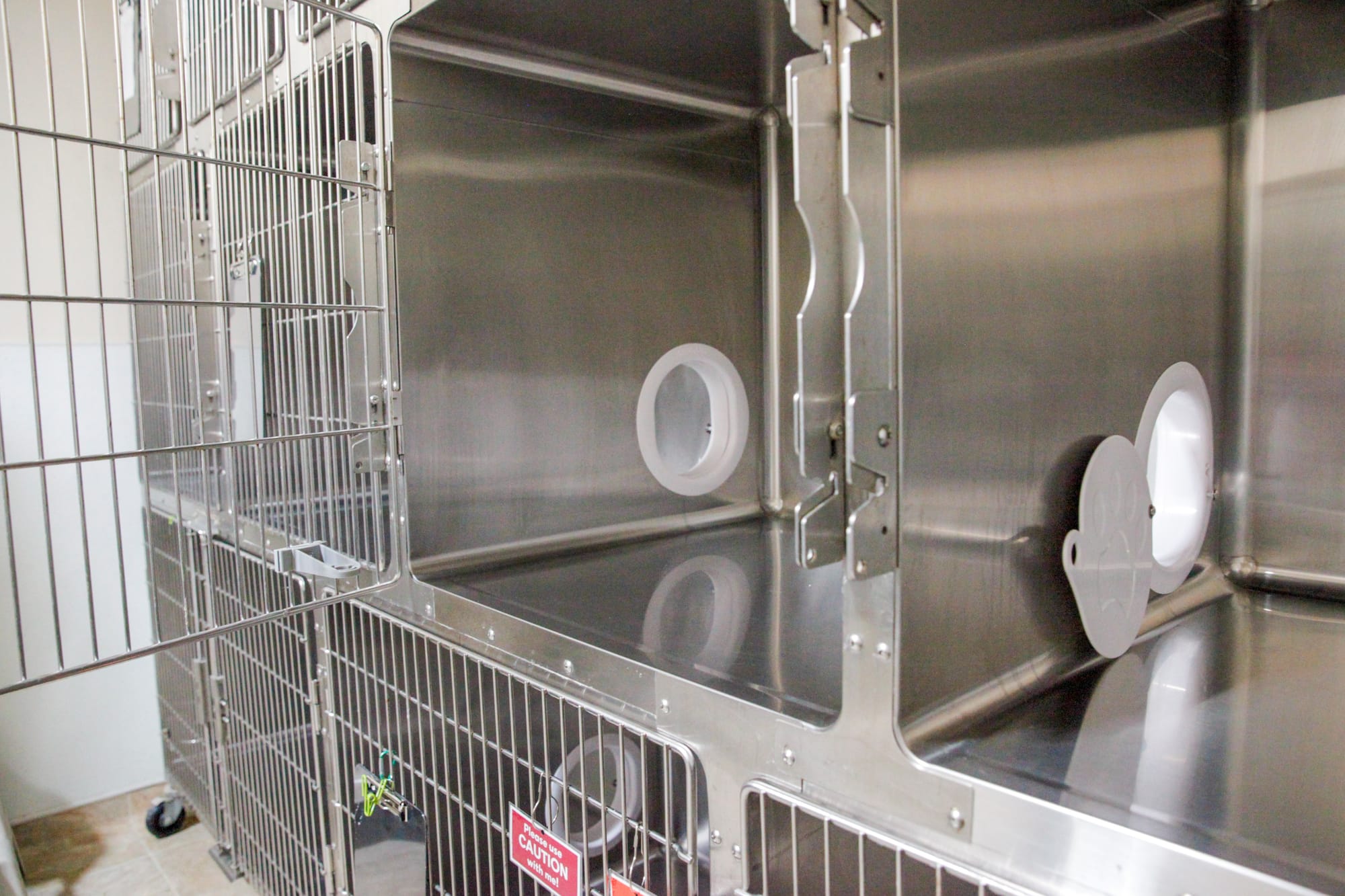
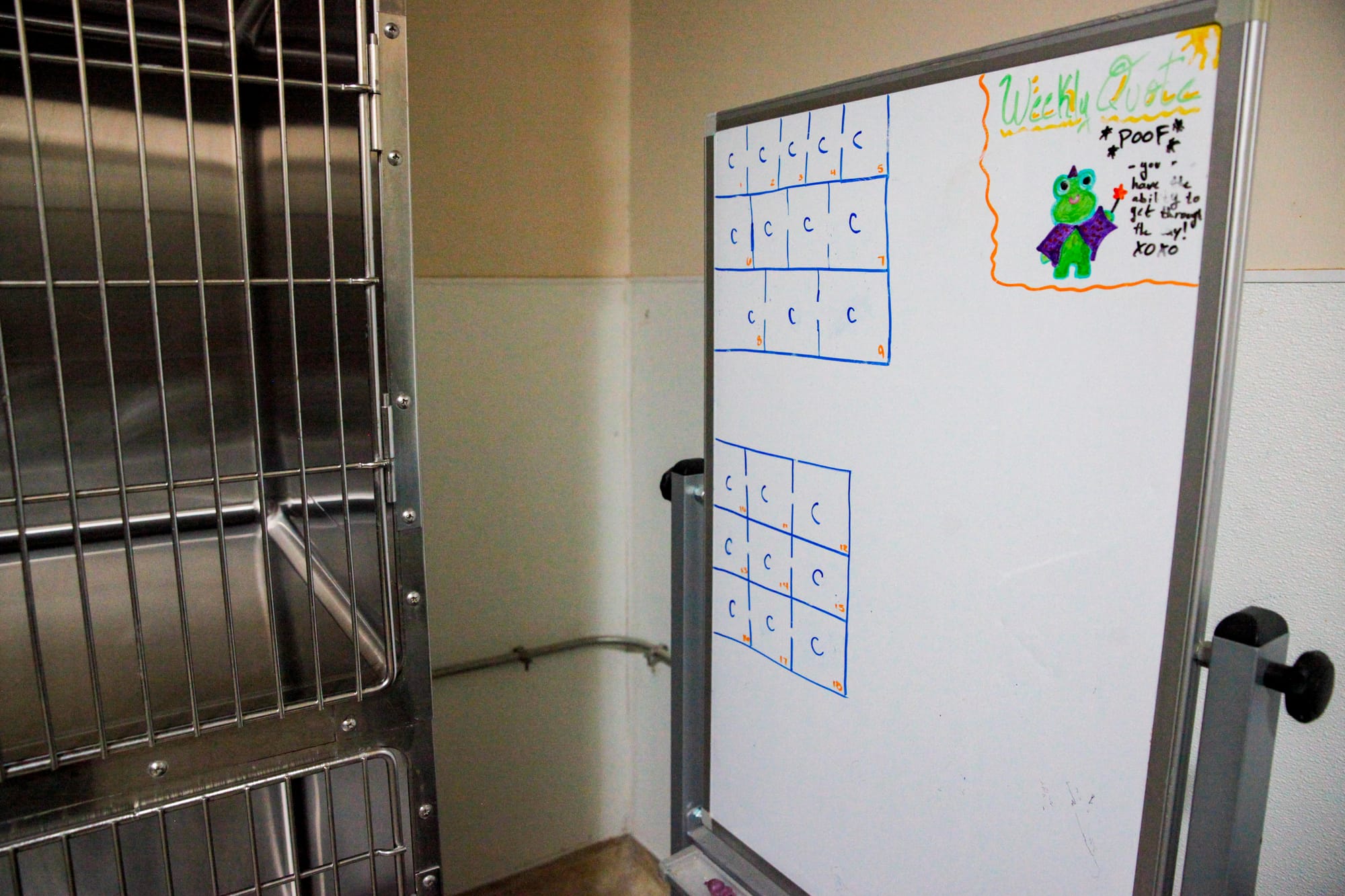
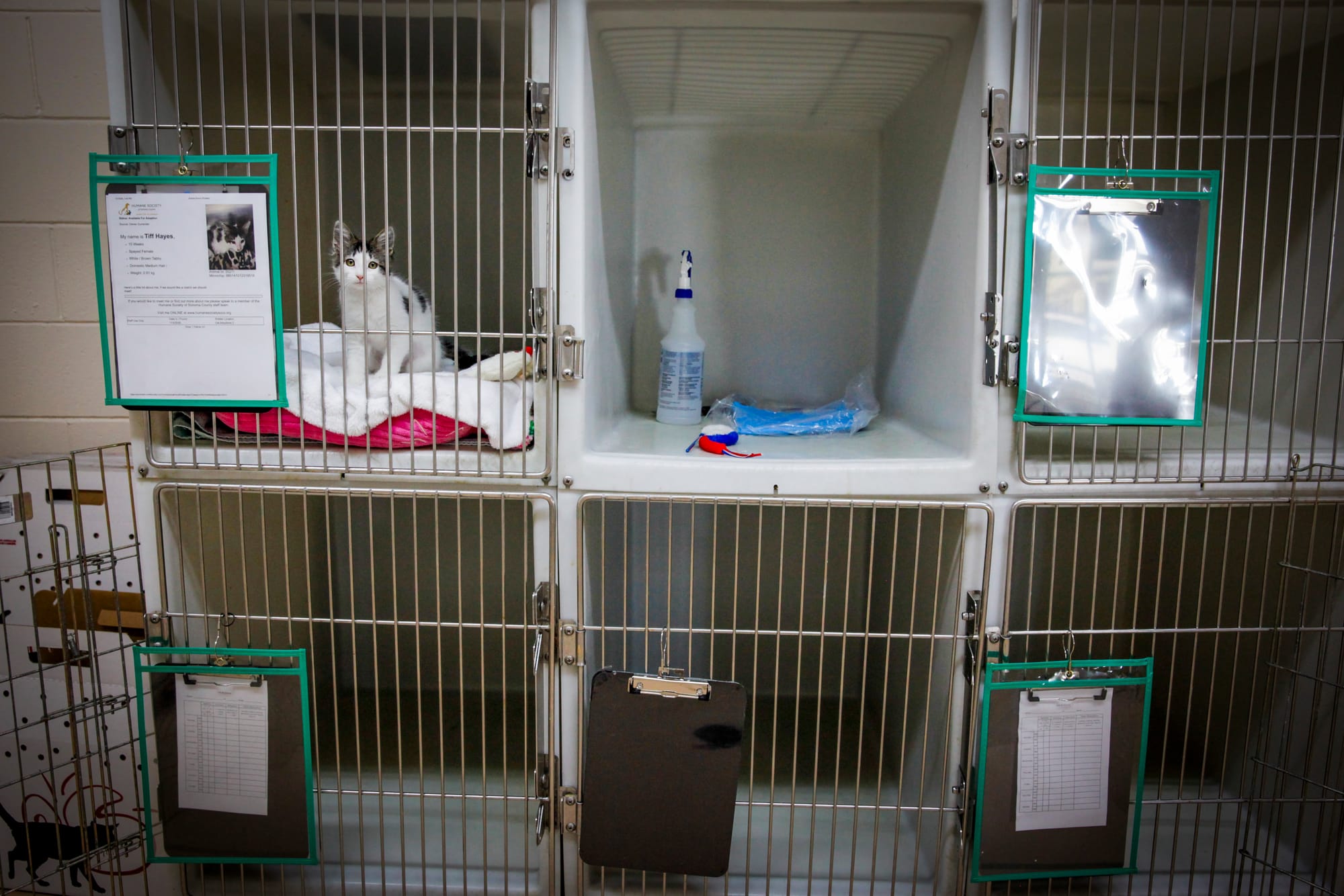
The cat intake room at the animal shelter has been cleared out and cleaned up. New compartments contain one area for cats to sleep, eat, and play, and another for their litter box. The whiteboard on the right indicates the status of each kennel and when they were cleaned. (Monday, Nov. 23, 2026. Photo by CRISSY PASCUAL/PETALUMA VOICE ©2026)
What to expect
For those visiting the Petaluma shelter for the first time since its reopening, they will notice changes both subtle and significant.
Outside pens now have visual separators on their chain-link fences where, previously, dogs could see one another. This change, Fessenden-McKenzie said, helps prevent a “vicious cycle,” with the new barriers helping to calm animals down and reduce frustration, stress, and anxiety.
“We do whatever in our power to reduce shelter stress,” she said.
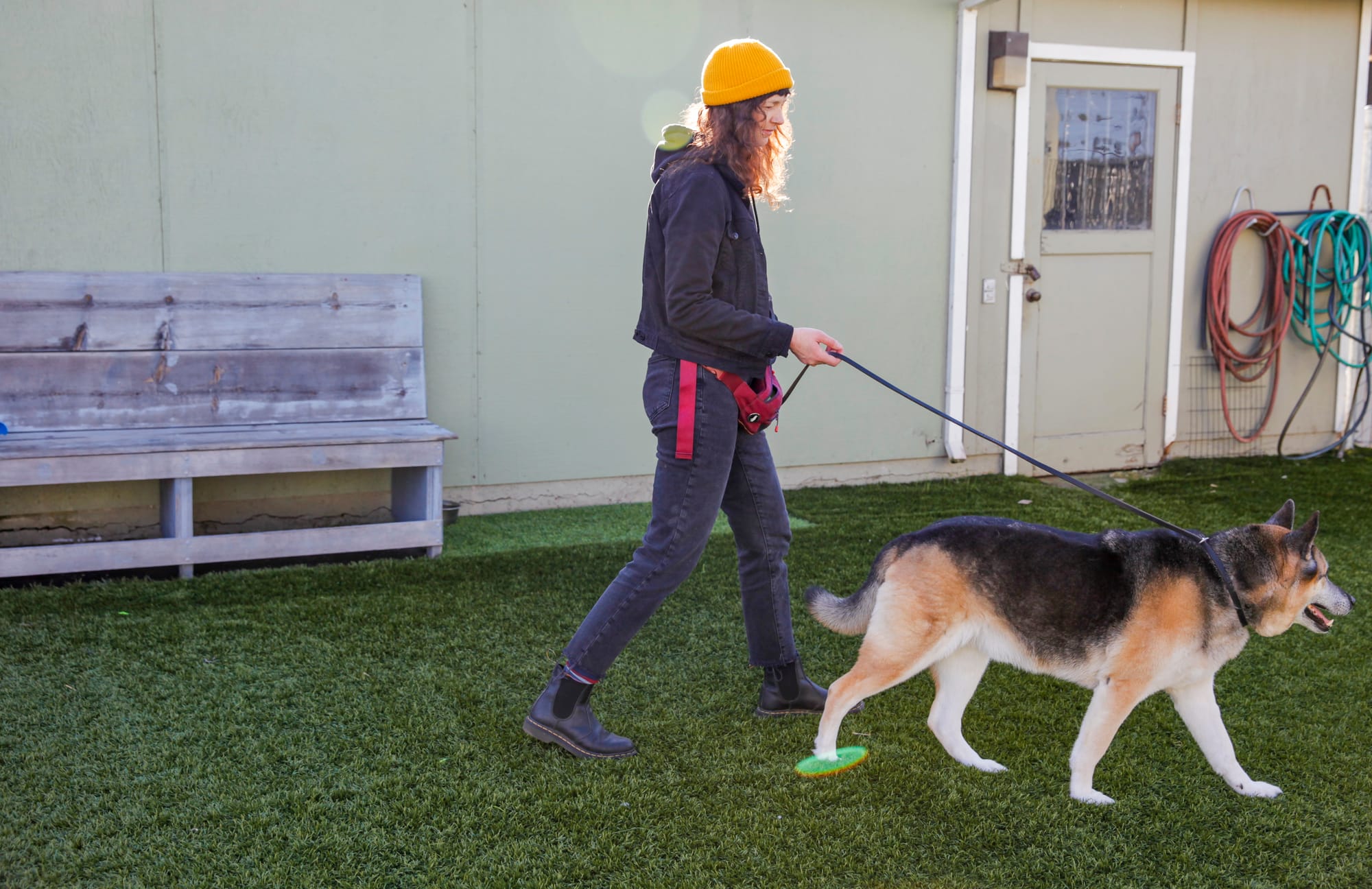
Staff added skirting to cover holes under portable office buildings bordering the play yard, and removed metal scraps that had been left behind by the previous permanent operator, said Fessenden-McKenzie, while another canine resident, Hambone, made his way around.
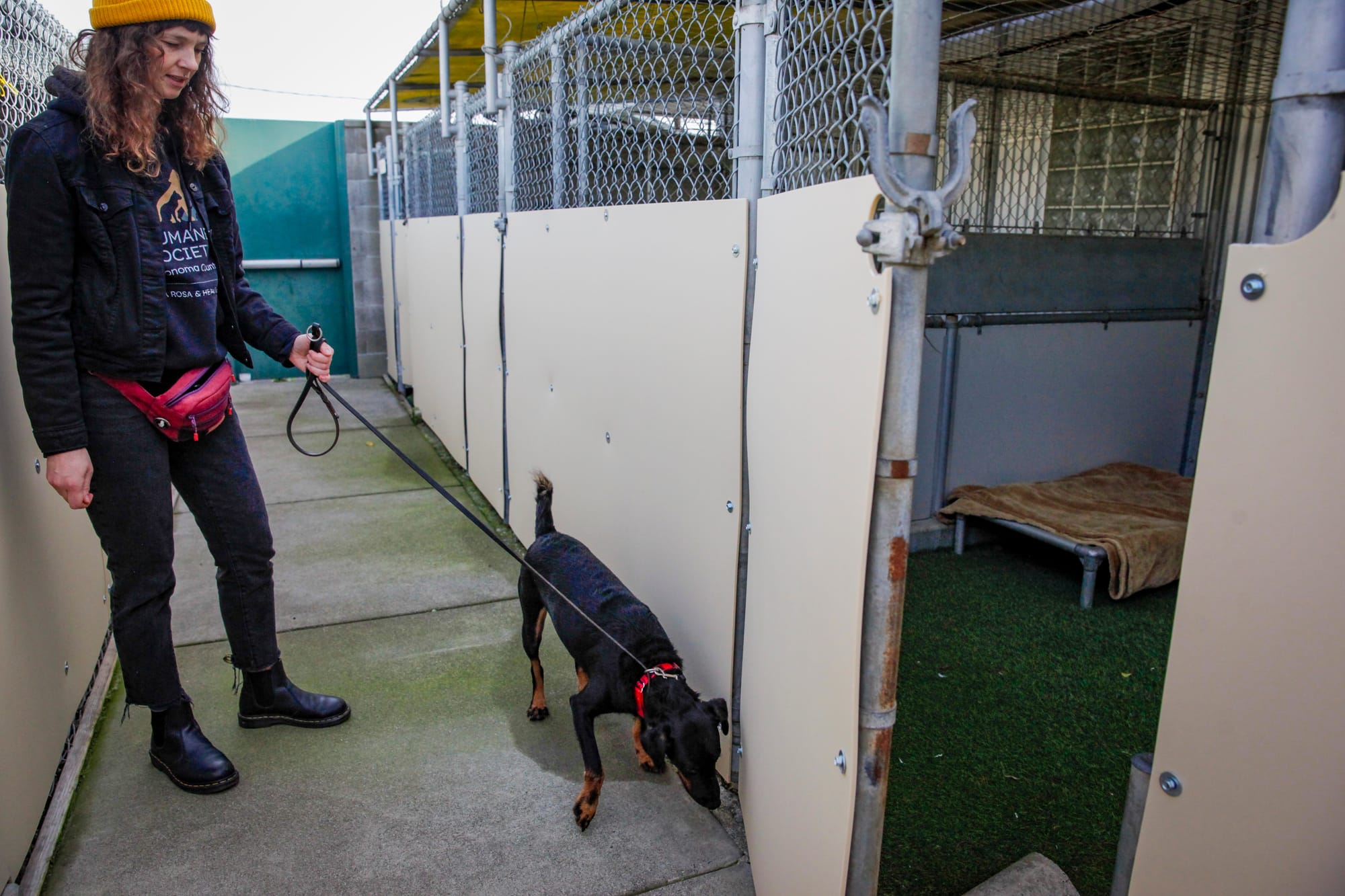
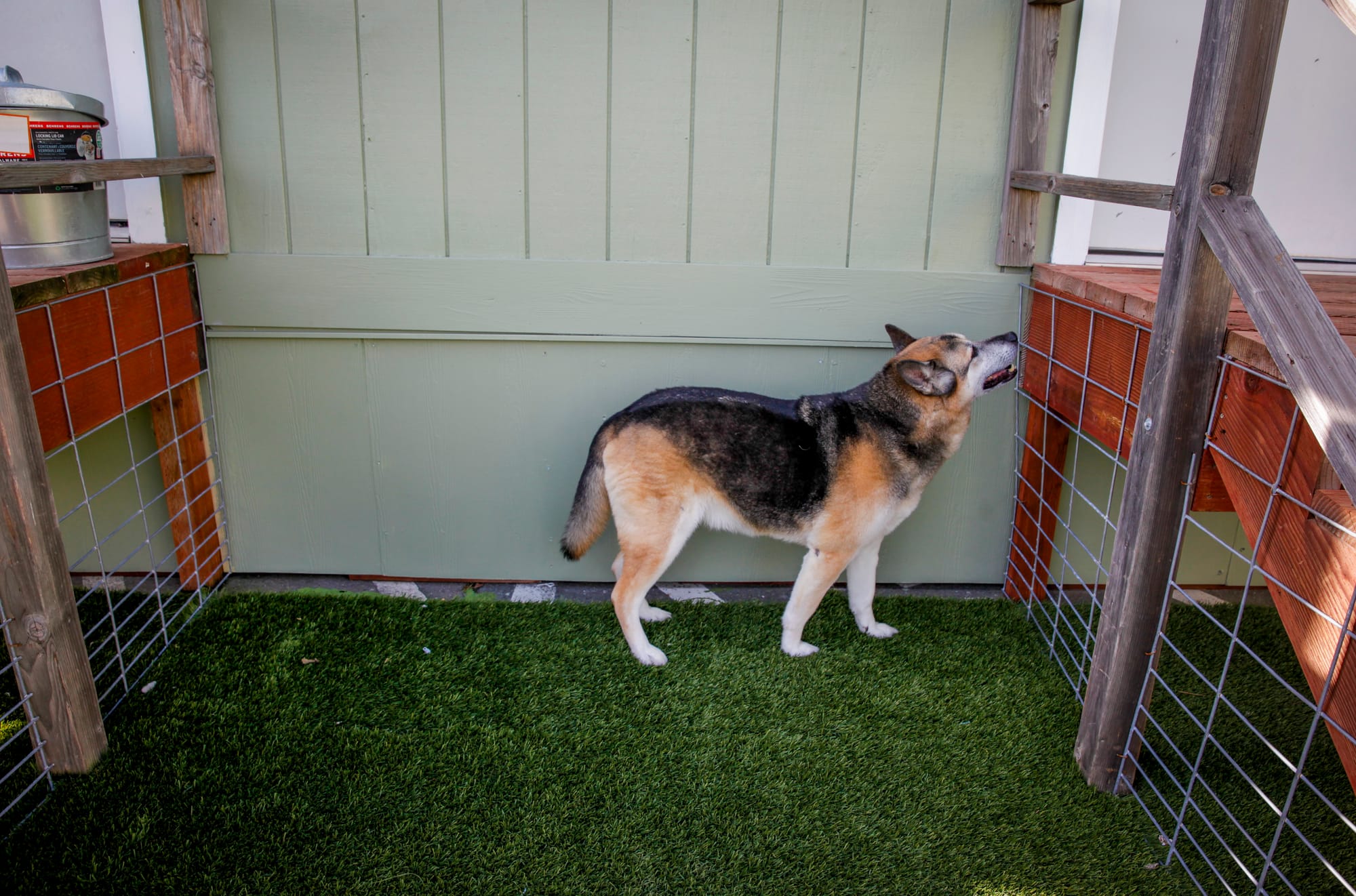
(Left photo) Fessenden-McKenzie walks Hambone out to the play area, walking past the outdoor kennels that have been covered to reduce visual contact for dogs, which reduces their stress. (Right photo) Akira sniffs around the outdoor play area, walking up to the portable buildings that have been skirted and fenced to prevent dog access. (Monday, Nov. 23, 2026. Photo by CRISSY PASCUAL/PETALUMA VOICE ©2026)
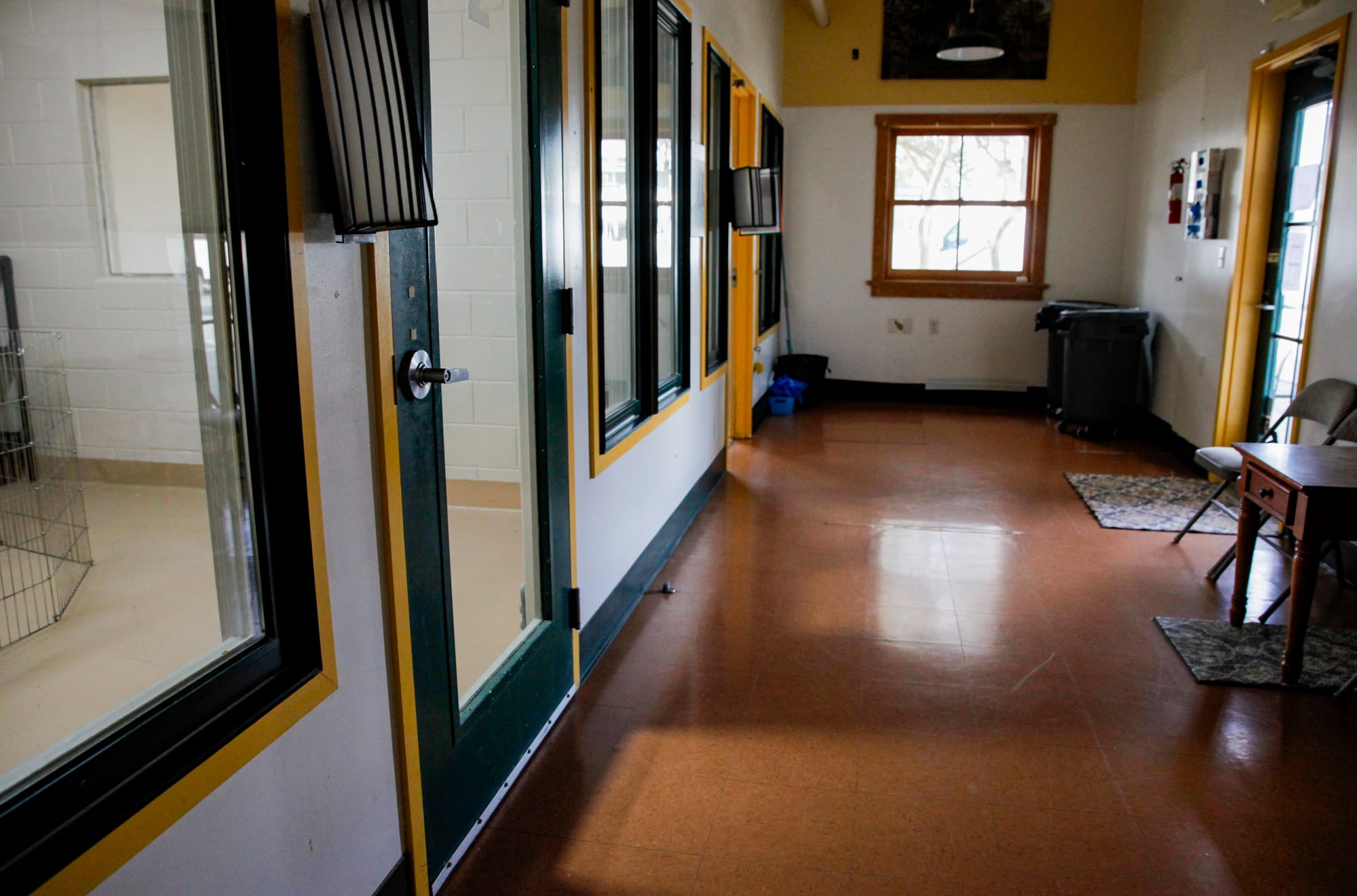
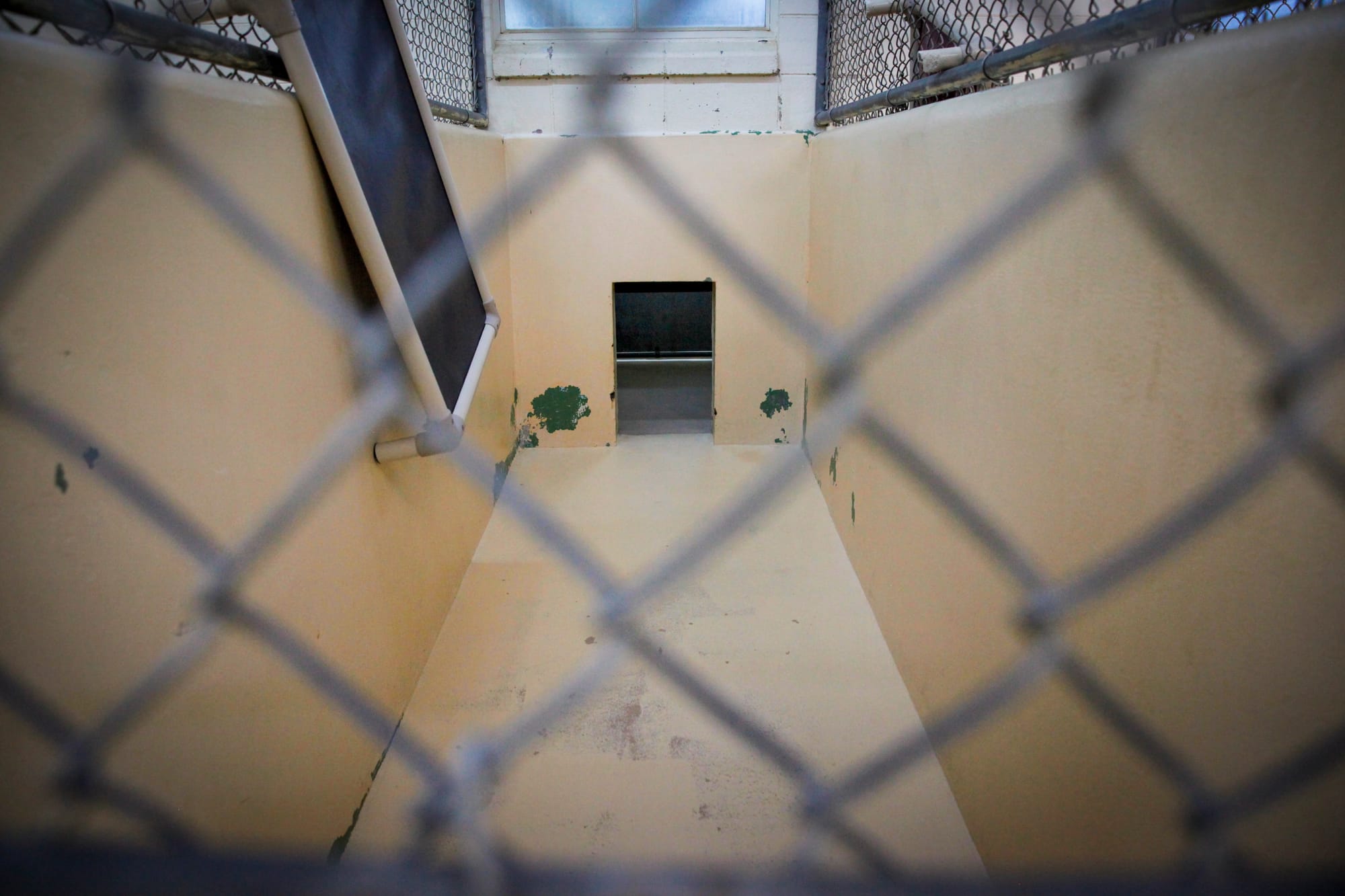
(Left photo) Hallways that were once filled with kennels and boxes have been cleared of clutter. (Right photo) Dog kennels have been expanded so that dogs have more space. (Monday, Nov. 23, 2026. Photo by CRISSY PASCUAL/PETALUMA VOICE ©2026)
As more staff get hired at the shelter, the Humane Society plans to ramp up services like behavioral assessments incrementally, Fessenden-McKenzie said. Currently, animals in Petaluma can receive some basic assessments, but may need to be transported to Santa Rosa for more.
A public open house on Nov. 14 was a hopeful new start for the shelter.
“It’s very rewarding to get to be a part of revitalizing the shelter here,” Fessenden-McKenzie said. “The turnout was so huge, and really illustrated how much this place means to the community.”
Animal control
To help keep their own animals safe, Whipple encourages pet owners to pay attention to posted signage and rules wherever they bring them, keep vaccinations up to date, and sign up for DocuPet, the county’s licensing provider. “It’s a pretty simple process” to do so, he said.
During their first three months here in Petaluma, Sonoma County Animal Services Department officers will focus on community education and warnings before they start to issue citations.

Whipple said that while the public has expressed a desire for animal control services that will be more present in the community, his department still has to enforce the rules.
“Everybody wants accountability except for when they have it happen to them, so that gets a little tricky. But in the long term, I think people are happy that our normal process” is coming to Petaluma, he said.
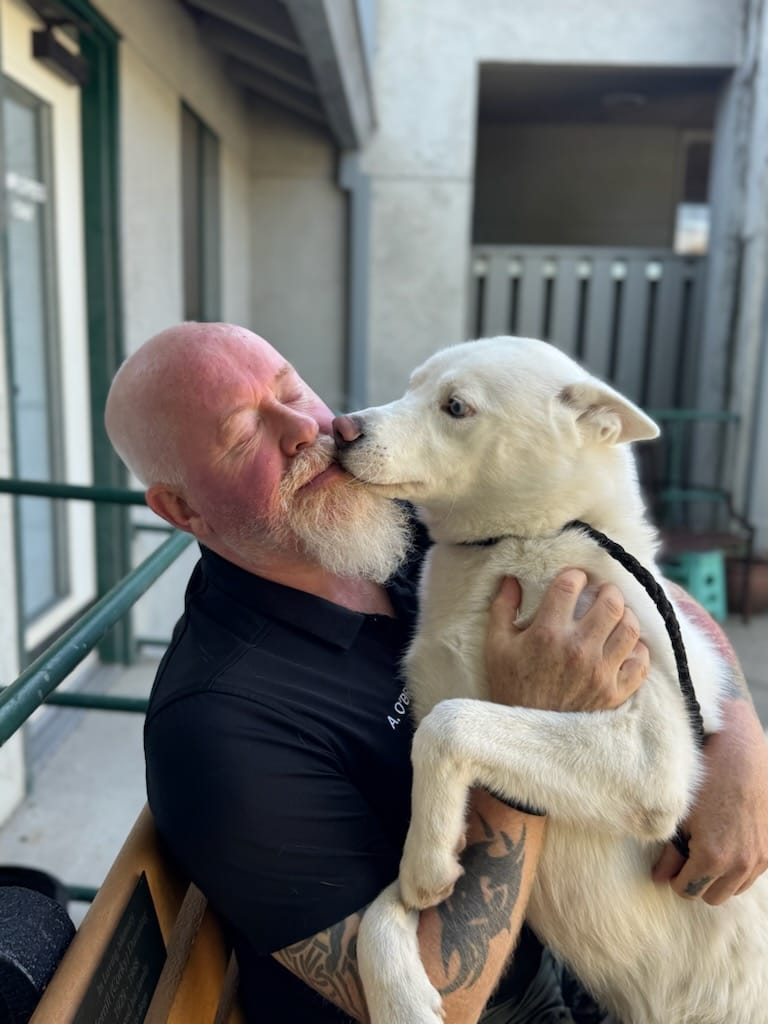
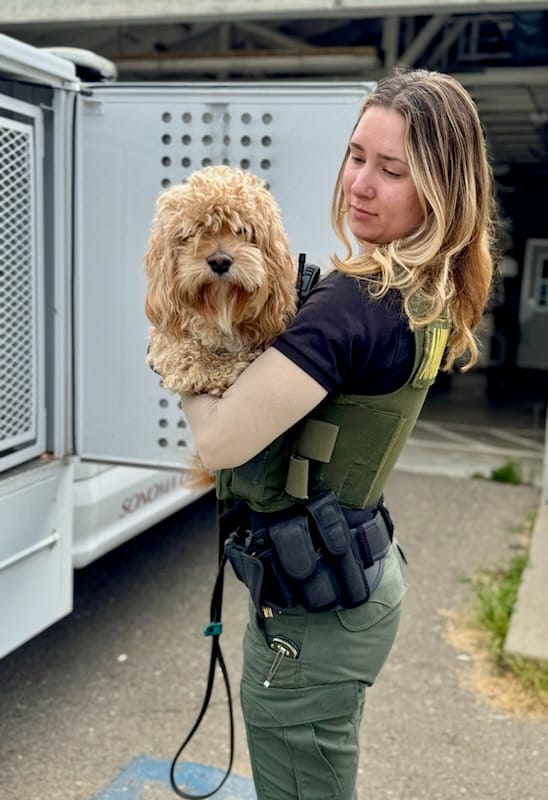
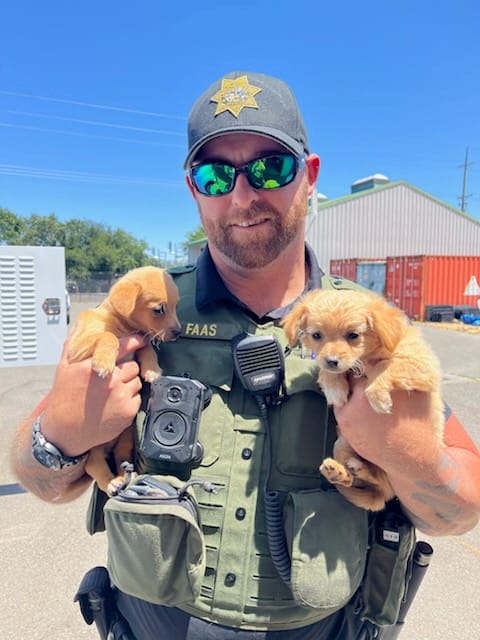
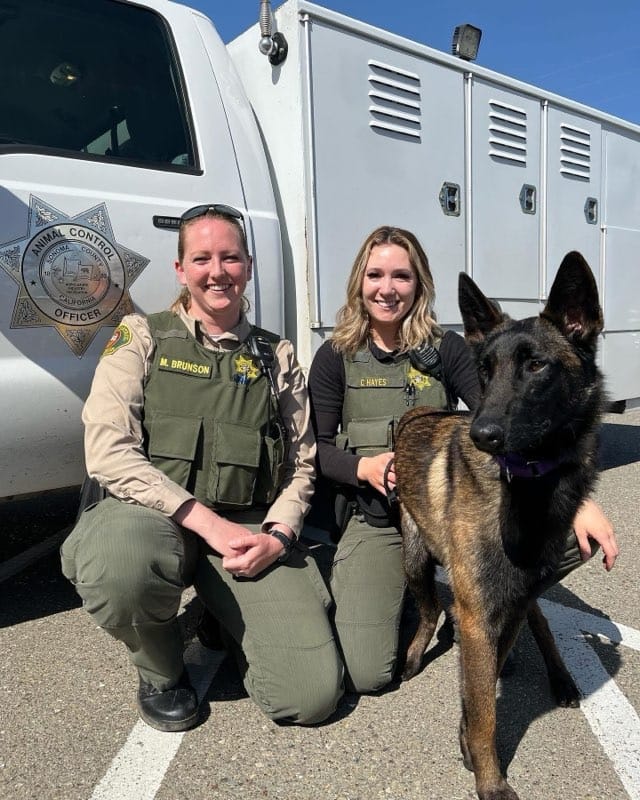
Sonoma County Animal Control officers will focus on education and warnings before issuing citations. (Courtesy of Sonoma County Animal Services)
Animal control officers will be driving trucks slightly larger than the previous providers’. Each vehicle has six boxes in the back to transport animals and is outfitted with non-slip flooring as well as heating and cooling in the rear compartment.
Officers will be wearing green pants, black polo shirts, and ballistic vests that have “Animal Control” printed on the back, as well as badges on the front with the officer’s name.
The county’s animal control services will still coordinate with the Petaluma Police Department, Whipple said, which will be available to provide additional support as needed.
“We're out there for the animals,” he said. “The two-legged ones are always the more difficult ones.”
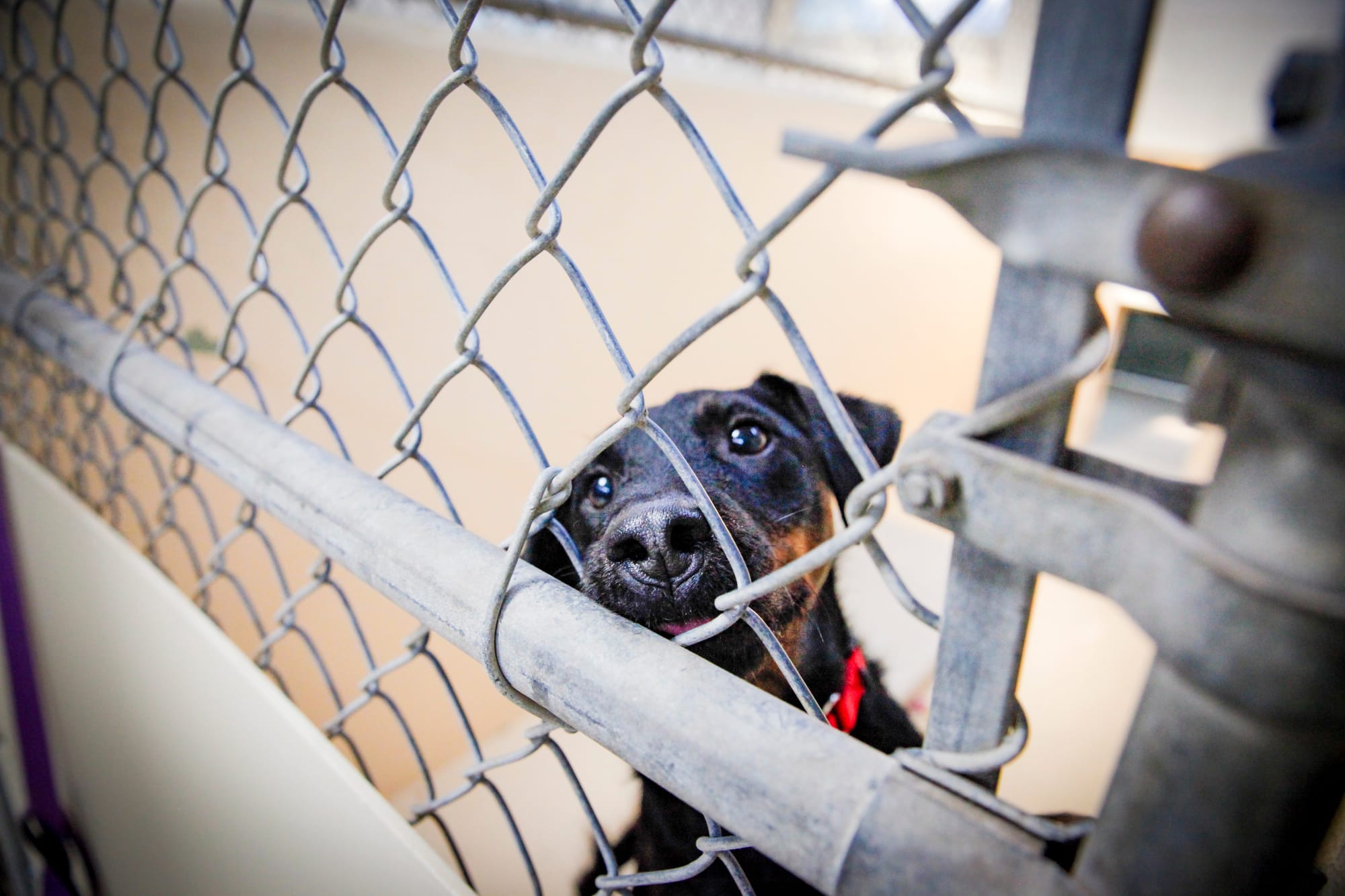
The Petaluma Animal Shelter, operated by the Humane Society of Sonoma County, is located at 840 Hopper St. and open Wednesday through Saturday from 10 a.m. to 5 p.m. The telephone number is 707-789-5750.
Sonoma County Animal Services' normal business hours are 7:30 a.m. to 5:30 p.m. It can be reached via the Petaluma Police Department after hours. Call 707-565-7100 and press 1 for field services.
Jennifer Sawhney is a reporter and co-founder of Petaluma Voice. She can be reached at jsawhney@petalumavoice.org.
Do you like our work? Support us with a tip.