Valley Vista Public Waldorf Community Reflects on First Year
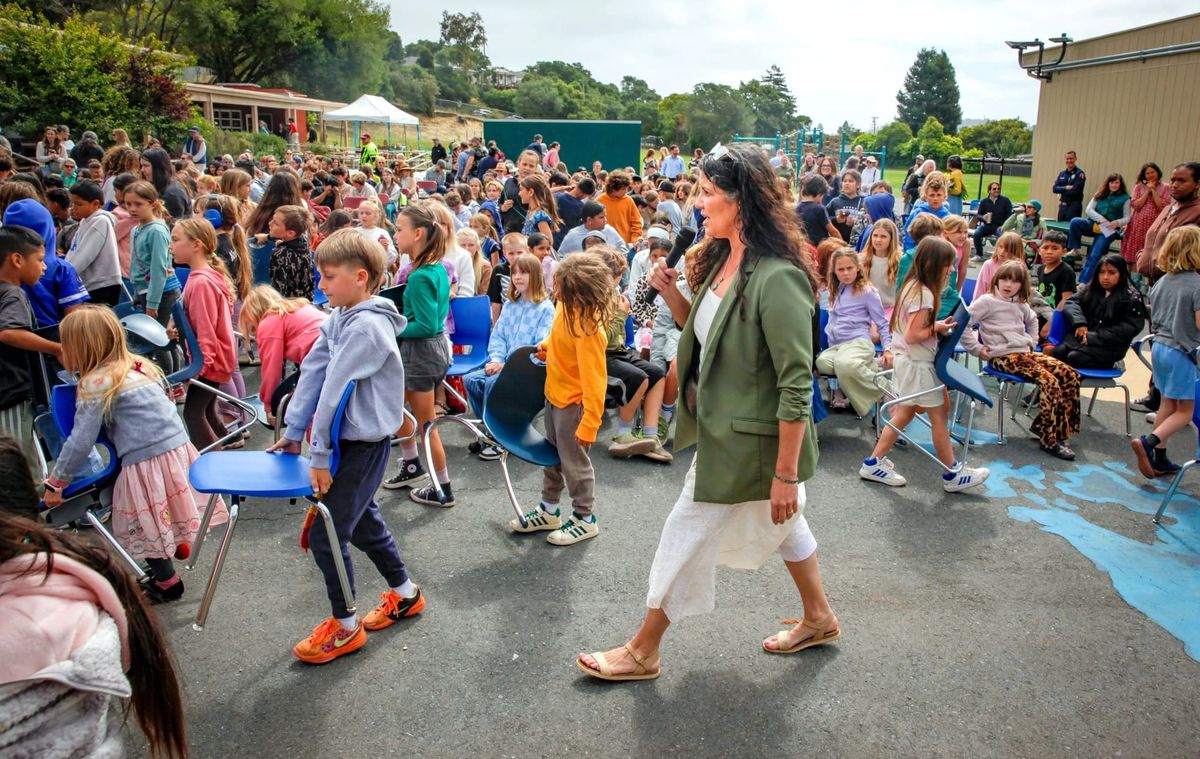
Students, parents, and educators are finding balance in Petaluma’s new Valley Vista Public Waldorf school, which formed last year from two existing schools with very different histories.
With declining enrollment at the longtime Valley Vista Elementary School on North Webster Street and growth at Live Oak Charter School, a public Waldorf school housed in inadequate facilities at the fairgrounds, Petaluma City Schools district officials saw the blending of the two at the Valley Vista site as a natural solution. But it didn’t happen without some pushback.
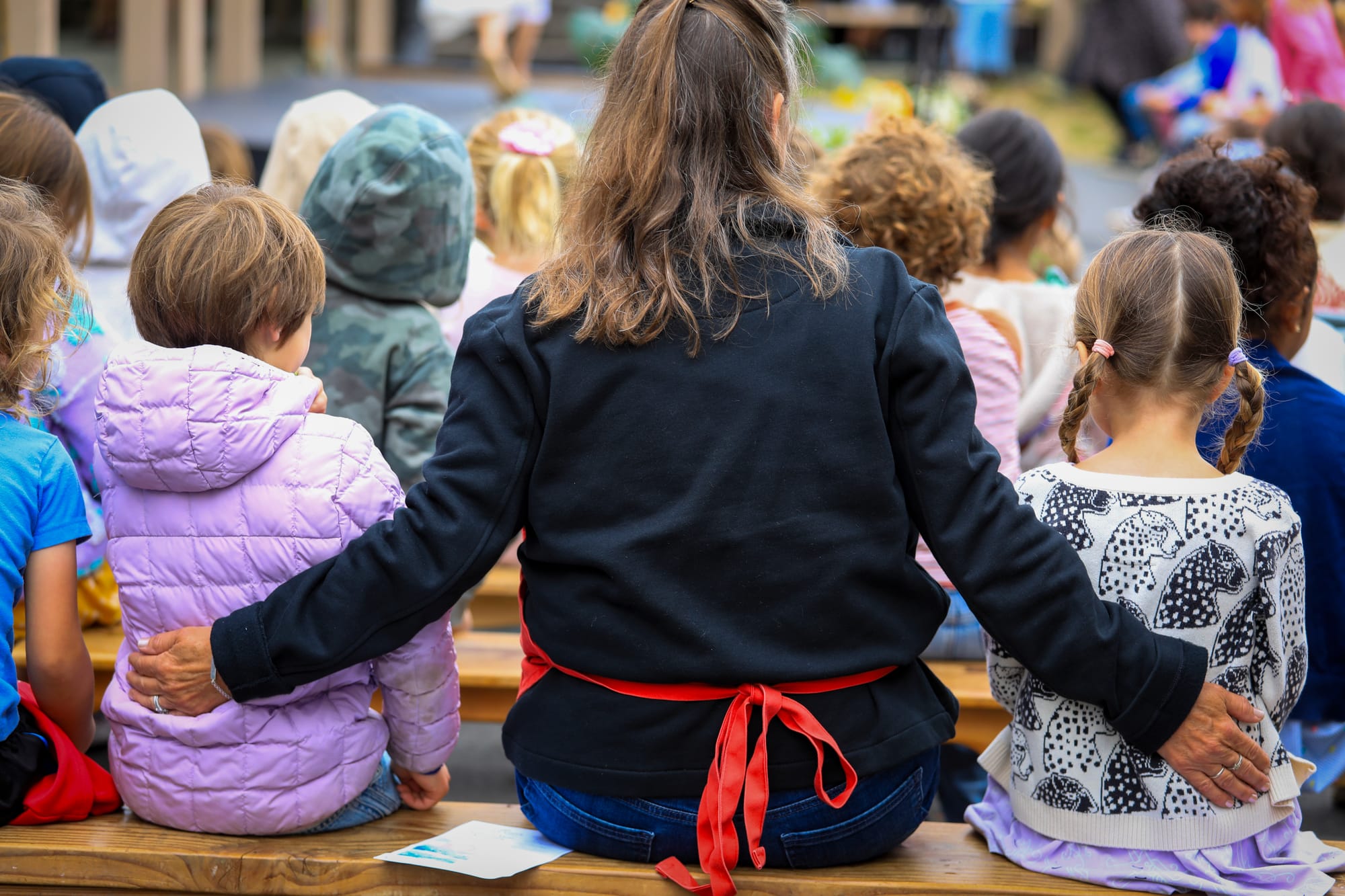
For those who decided to join the new school, the transition has been fruitful, parents and educators reported.
Before the merger, Heather Haley was a parent at Live Oak for 10 years.
While she was excited about becoming part of a more “culturally diverse” campus – Valley Vista had a sizeable Latino population and held events like Dia de Muertos – the significantly larger population of the new, combined school prompted her to “work through grieving a lot of things that weren’t the same as a small school,” she said.
For example, many parents frequently volunteered at Live Oak, and Haley and other parents had to find a new rhythm as they adjusted to their role on a larger campus.
What she appreciated at Live Oak that she and others hoped to bring to the new iteration was “the sense that we’re all raising our kids together. We’re all supporting each other in this community and not just creating a school, but creating a really strong and supportive community,” Haley said.
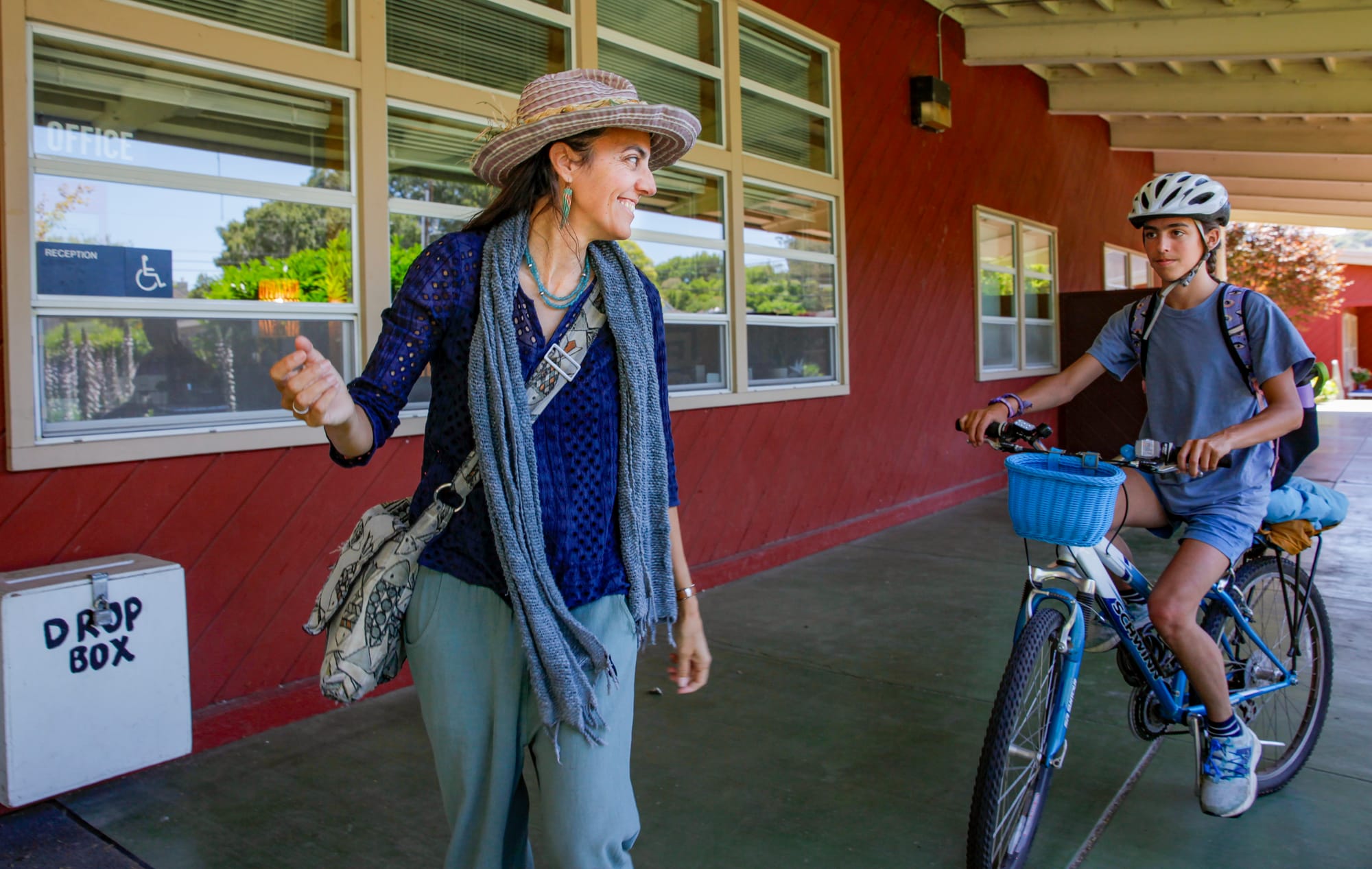
She said that so far, staff at the new school have been attentive to that intention. “There’s been a huge amount of effort from the parents and the staff, especially the principal ... that we are working on weaving our communities together to make one family.”
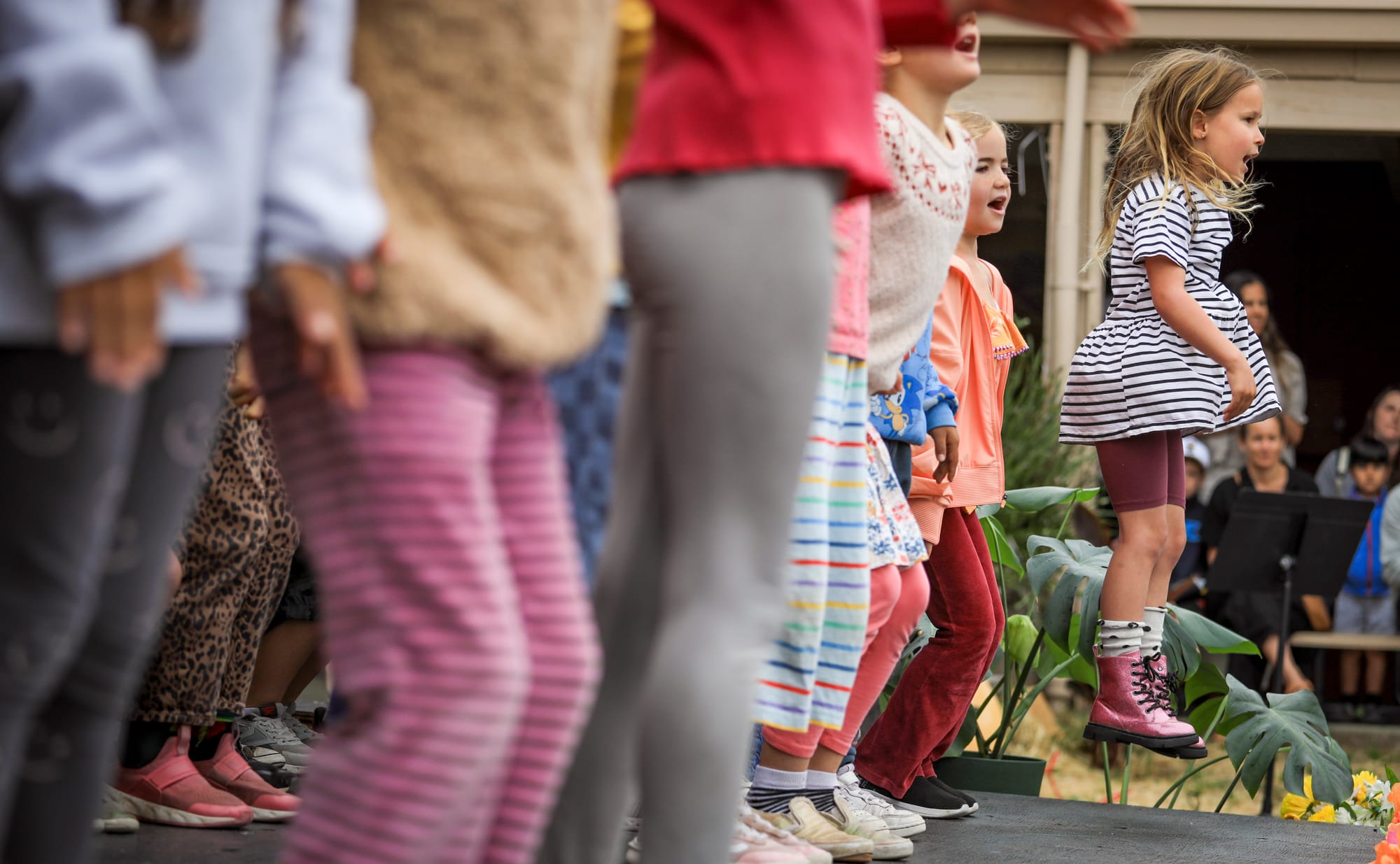
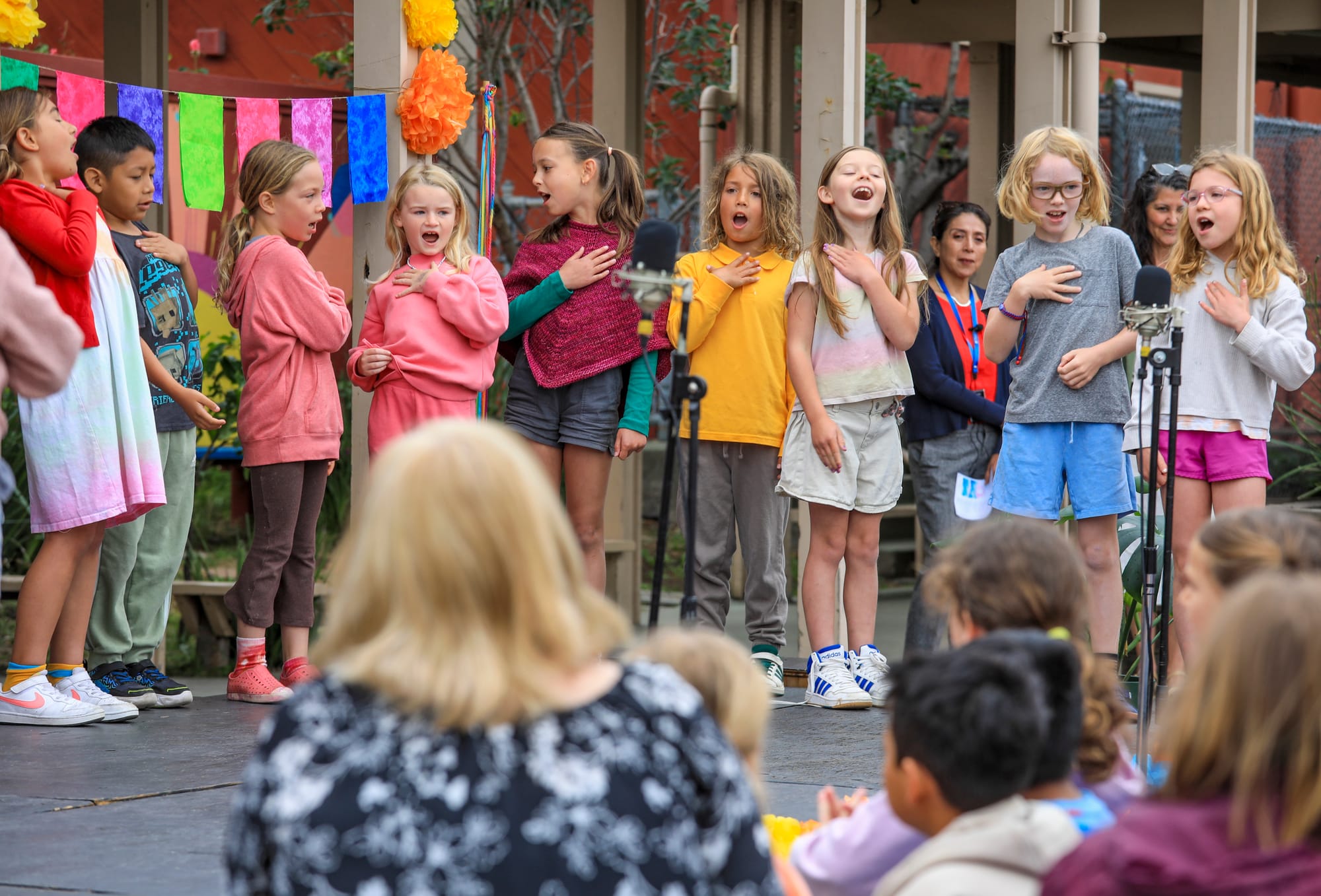
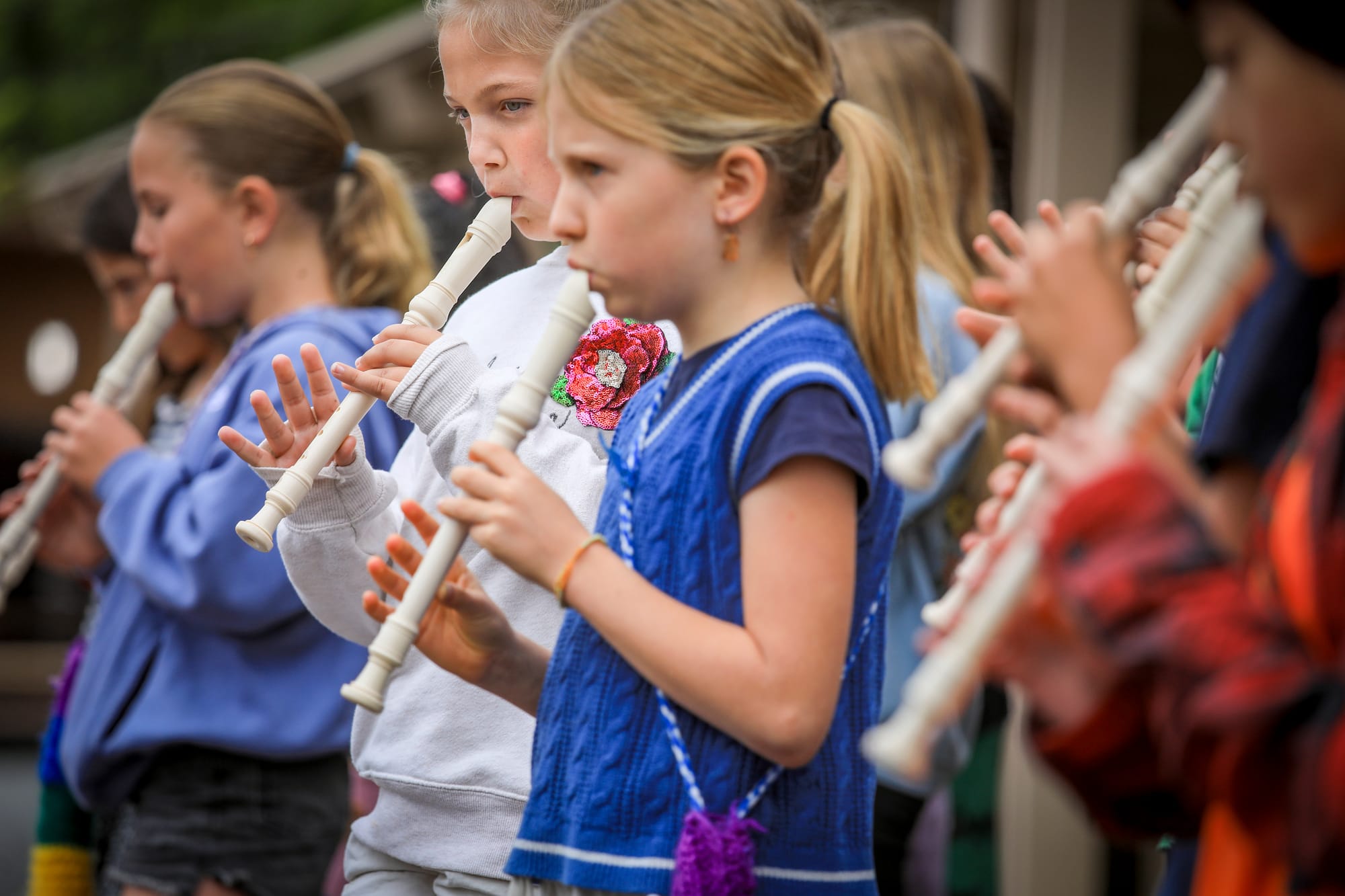
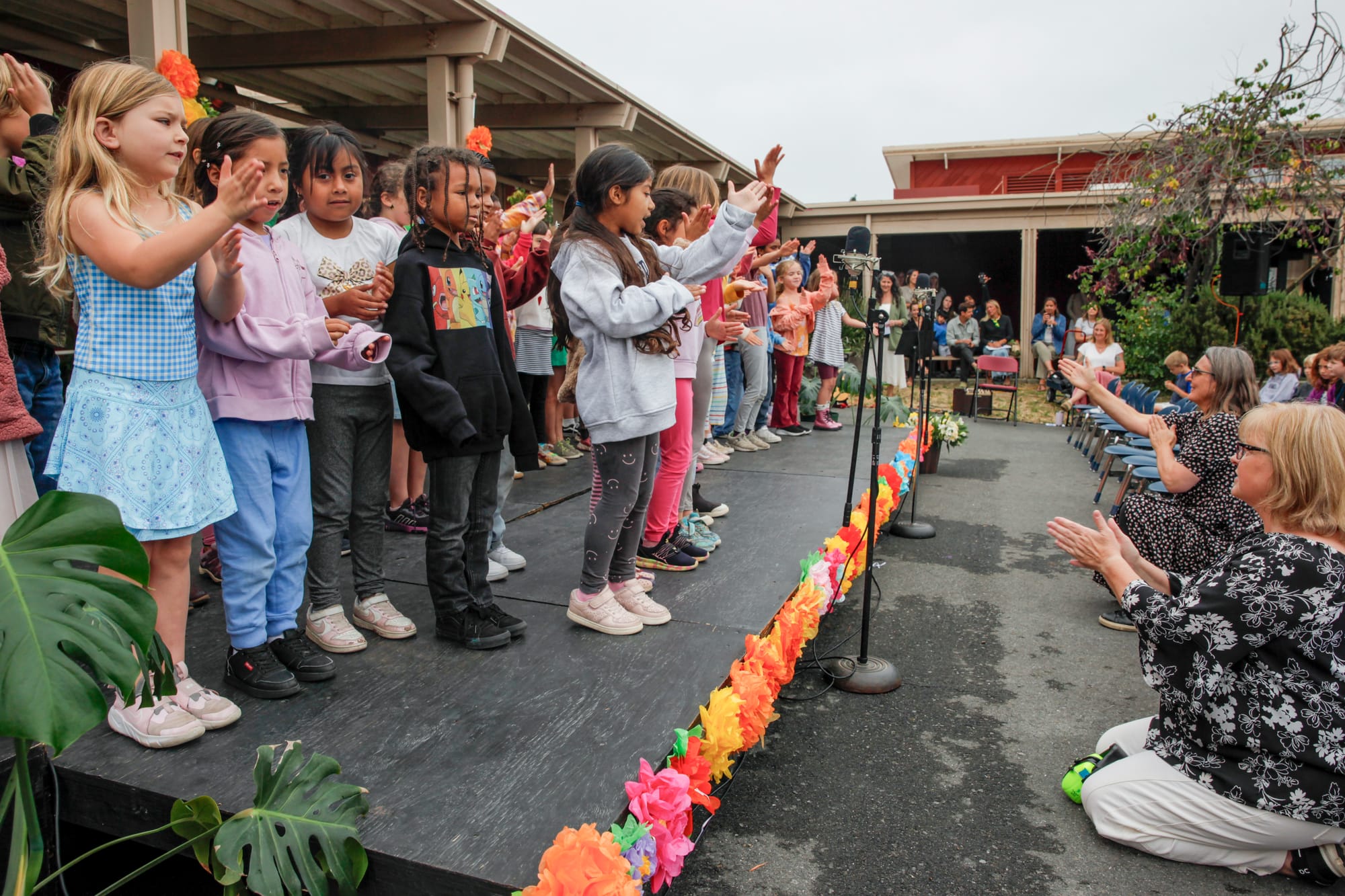
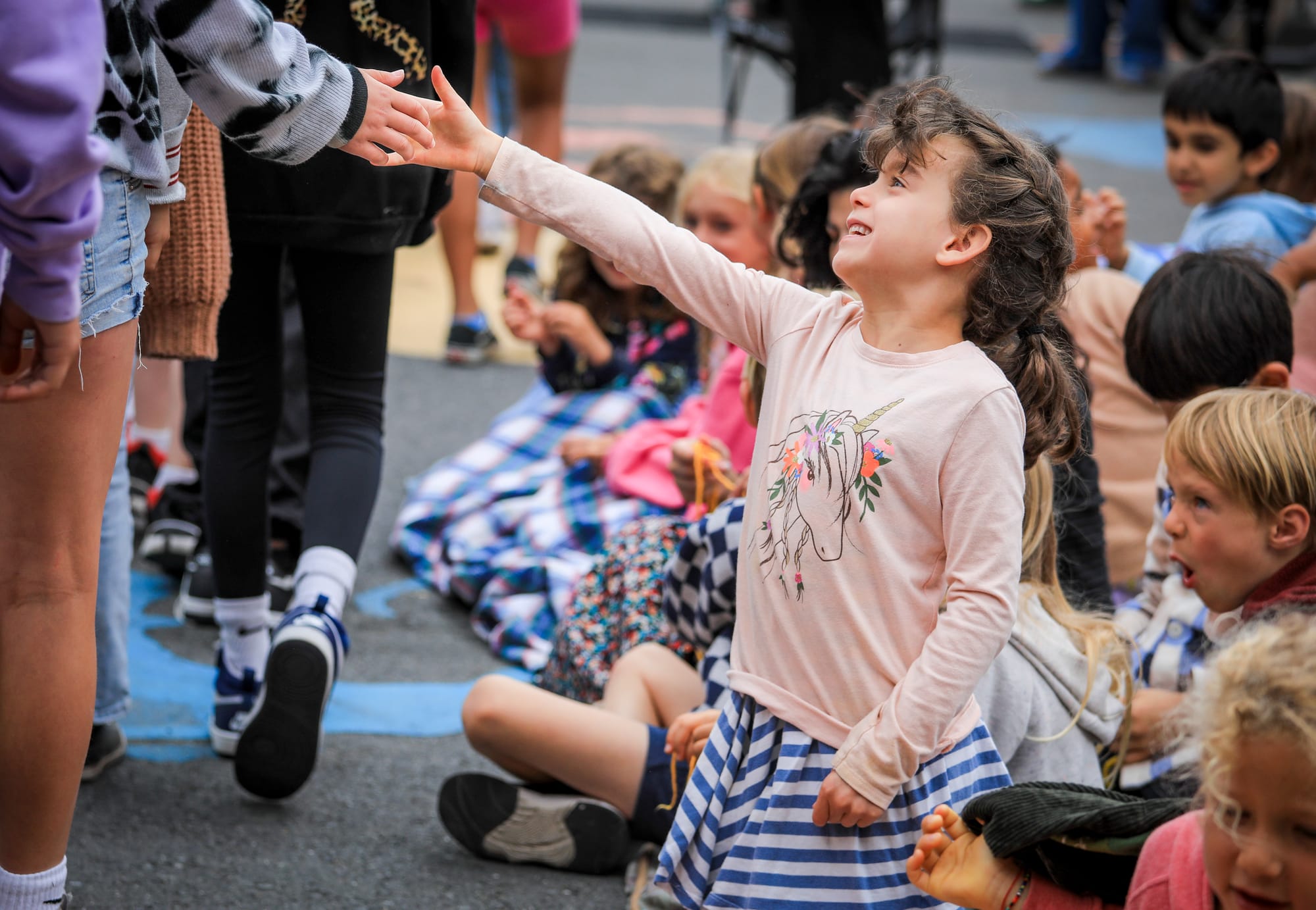
Earlier this week, during the final days of the school year, Principal Kat McFee was abuzz with the energy of the new, combined school’s first-ever end-of-year celebration. Much of her work over the past year was centered on creating a completely blended program, she said.
“We set up, for example, class coordinator leadership to have representation from each of the schools. There was a lot of work done to create the infrastructure for equitable access for a true innovative public Waldorf school,” McFee said.
In their work with students, teachers, and families from both schools, her staff seeks to create balance and to “make sure that we are upholding fidelity of the two and serving all students through the Waldorf pedagogical approach,” she said.
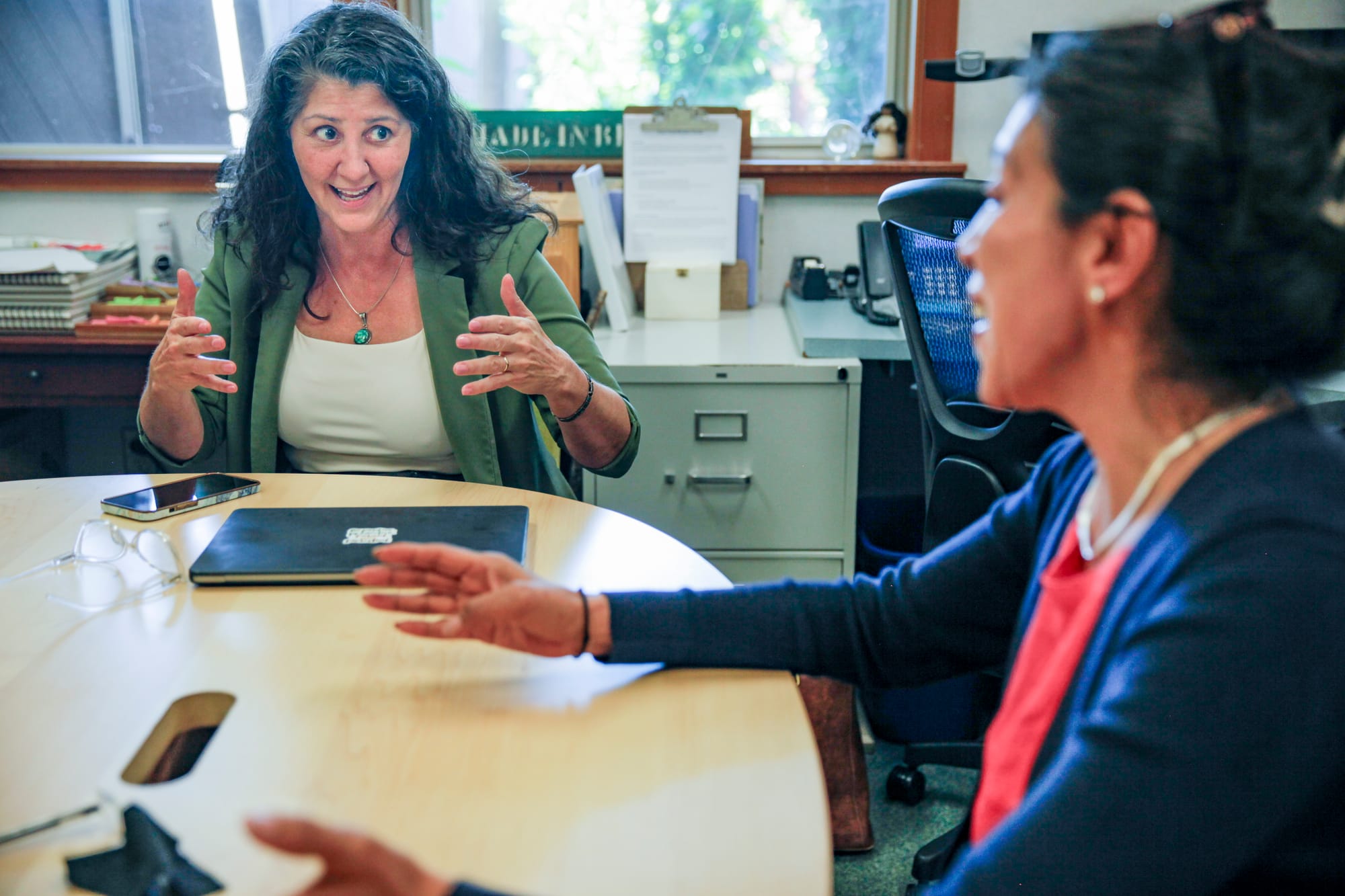
Having previously worked in public schools for 14 years and Waldorf programs for 17, McFee said her own career exemplifies the integration involved in the new Valley Vista Public Waldorf school.
“At the core, at the end of the day, we are a public school that is delivering the curriculum of the state of California’s expectations, PCS expectations, through the Waldorf pedagogical approach,” she said. “So our standard has to stay the same.”
Near her sat student advisor Angie Sideris or “Miss Angie,” who worked at Valley Vista Elementary before the transition.
“This was the right move,” she said assuredly.
Sideris works closely with students, particularly the Spanish-speaking population, and noted that mostly Latino families stayed on after the merger.
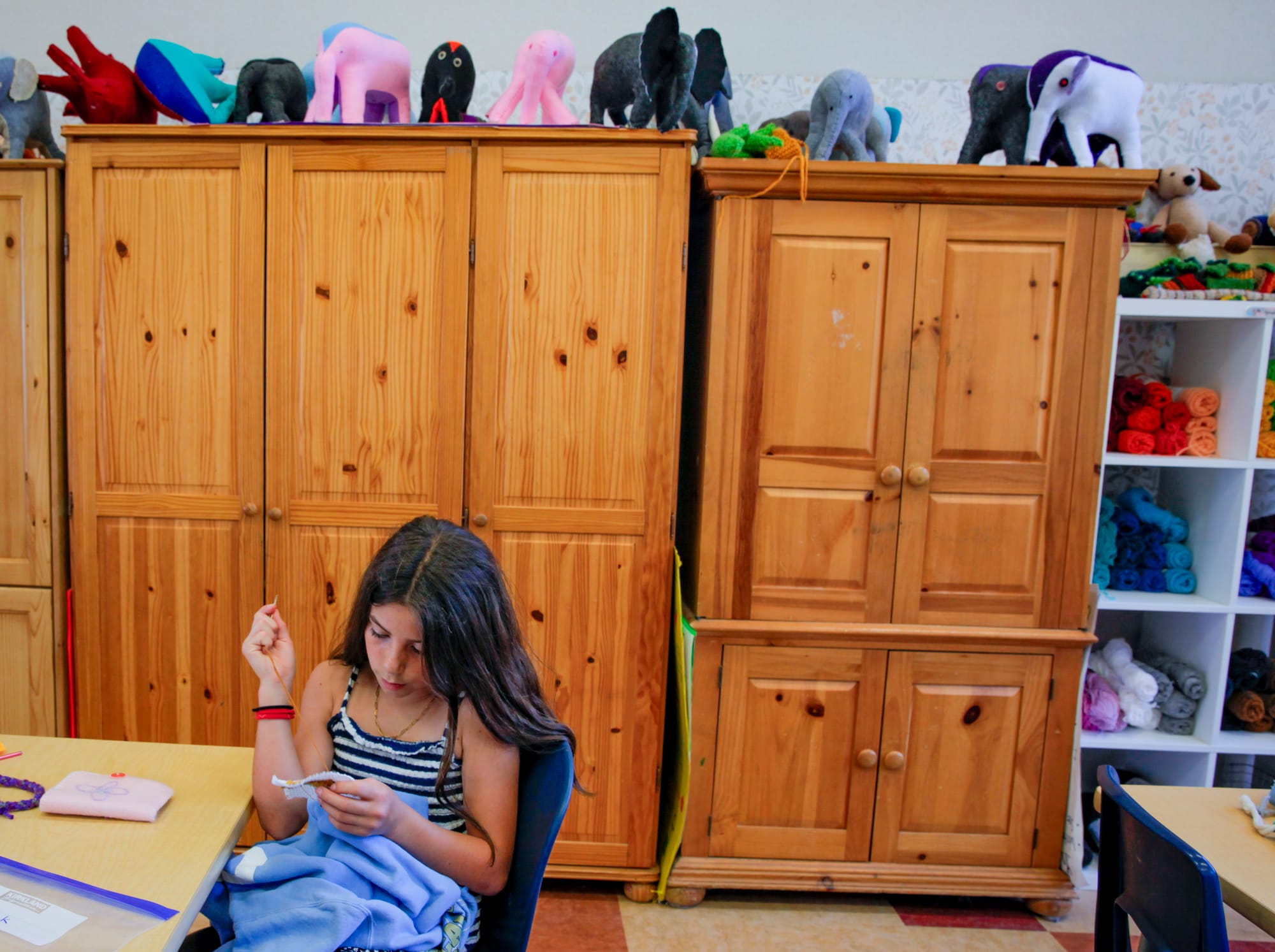
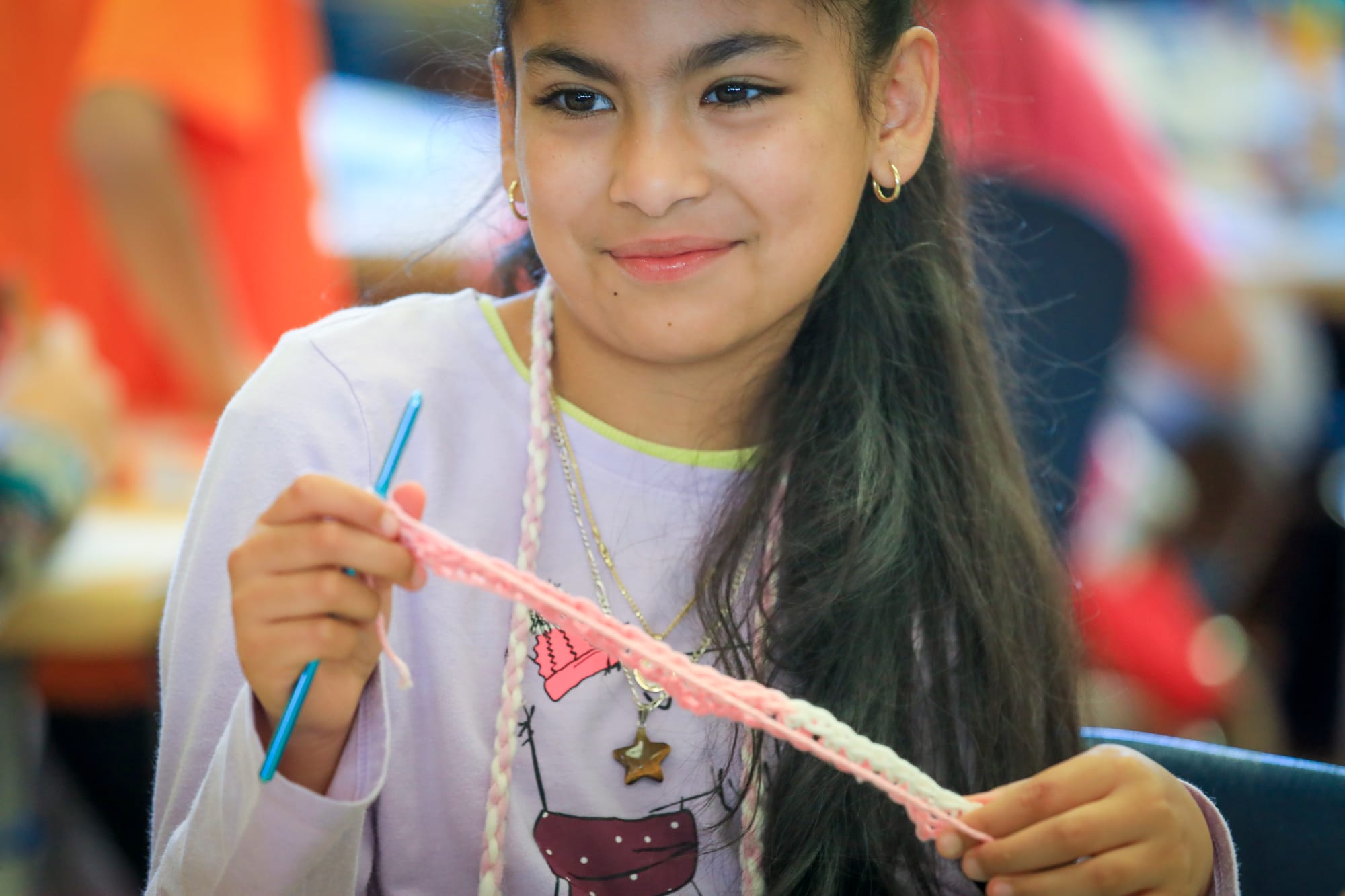
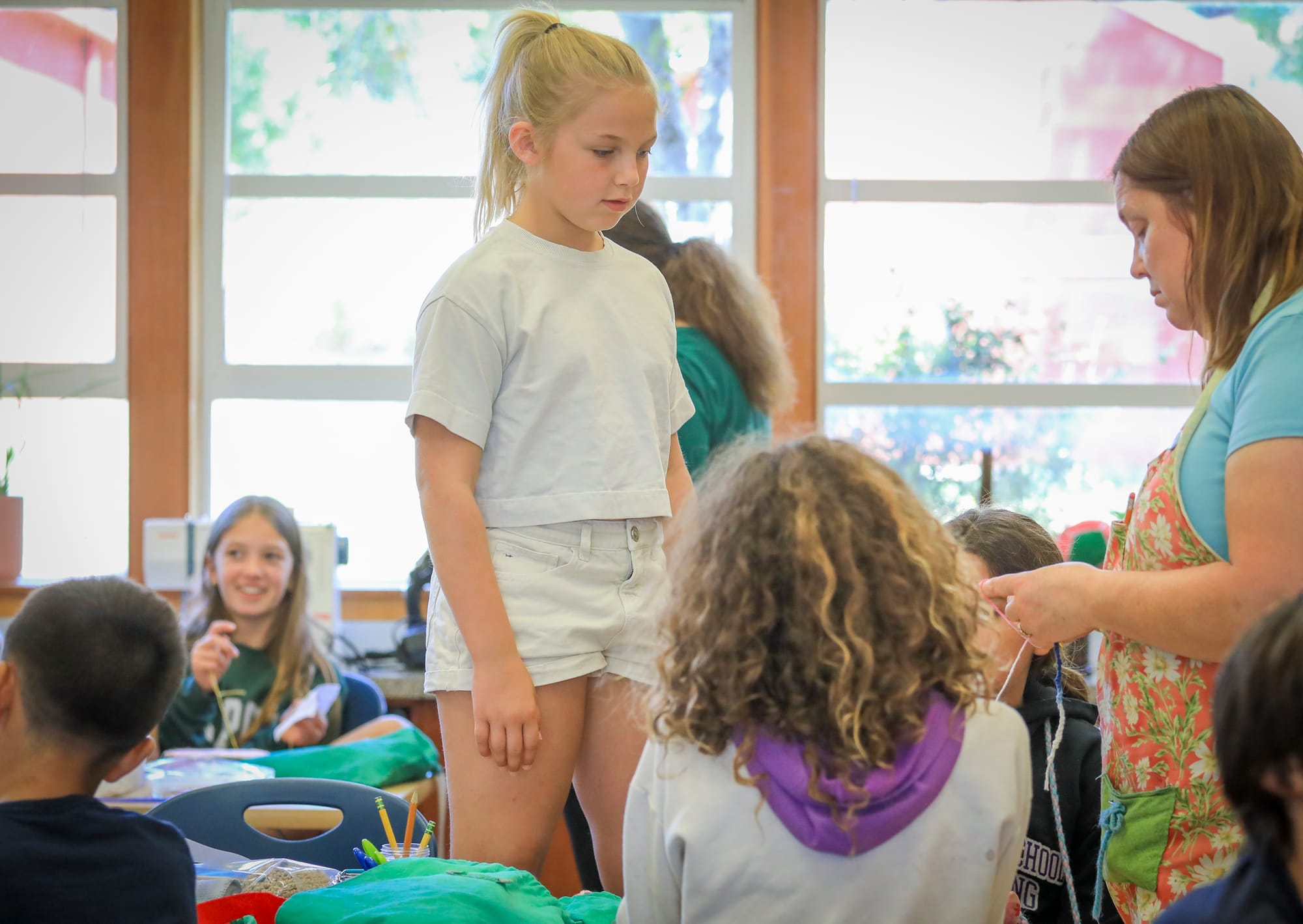
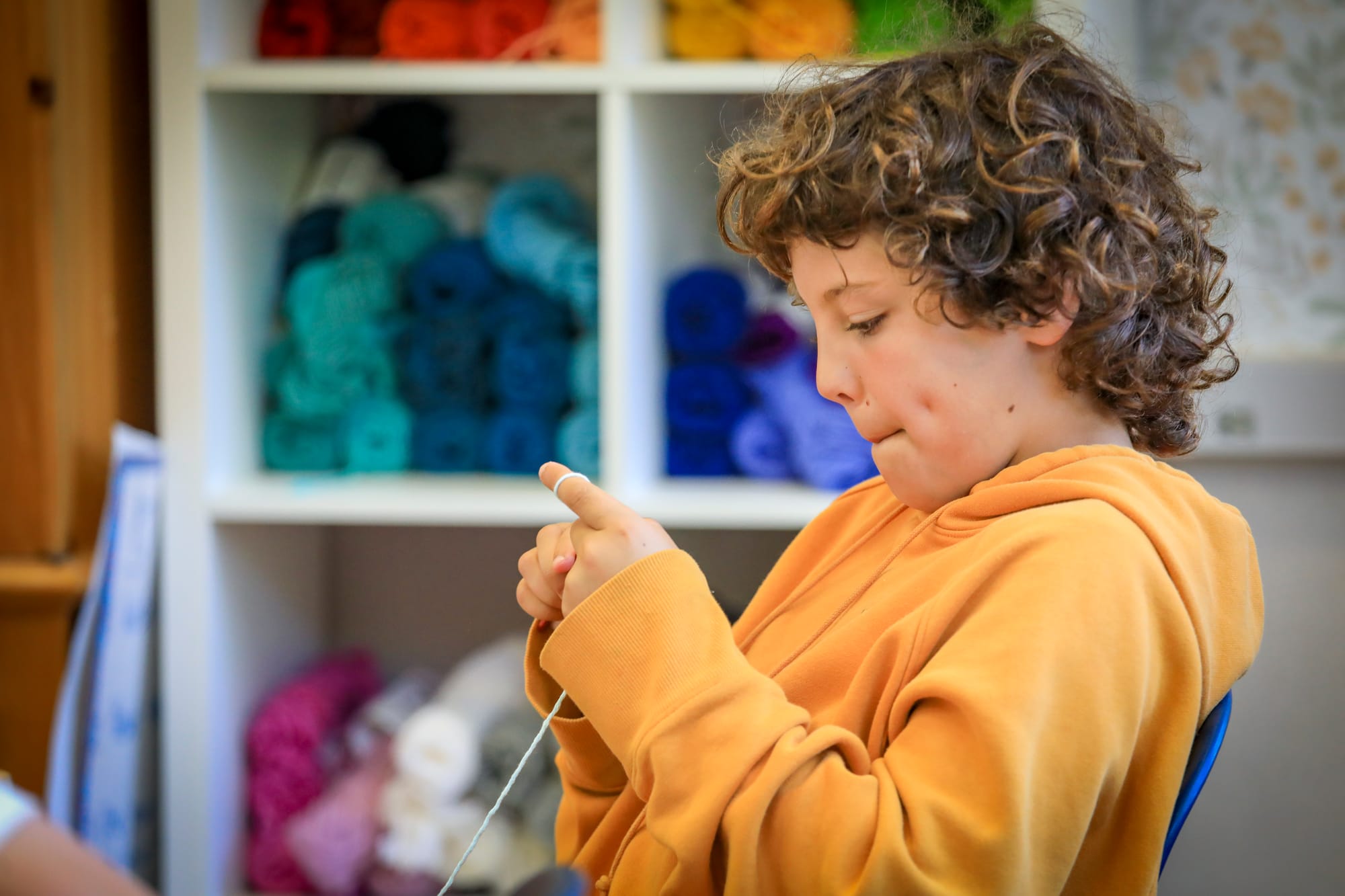
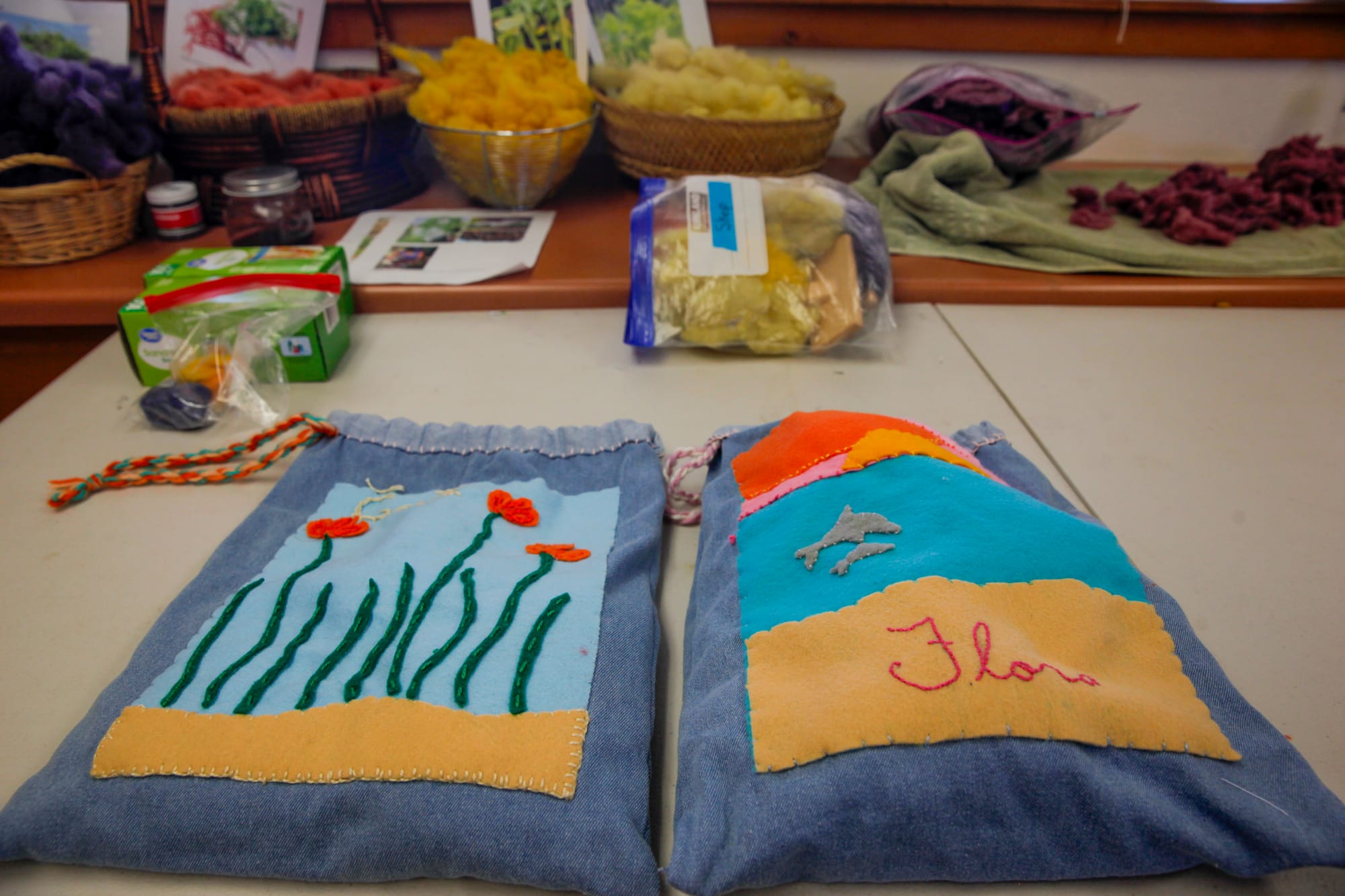
She spoke highly about the new school’s handworks class, where kids learn to dye wool, sew and design pajama pants, and make other hand-made items; the bilingual parent speaking group; and larger celebrations like Spring Day and Dia del Niño (day of the child) that blend the Waldorf experience with Valley Vista’s history.
“We're becoming a very nice community,” Sideris said. “We all help each other. The teachers are wonderful. The children … they can look at your eyes and talk to you. They are more in touch with their feelings.”
Since the transition, she’s seen a positive change in the Valley Vista student body. “They're creative. I see them thinking outside of the box,” she said.

When word first spread that Valley Vista would become a Waldorf school, Brenda Cifuentes was interested because the Waldorf approach is similar to what she knew in her native Guatemala, she said.
She credits Miss Angie for teaching parents about the Waldorf method in the early days, prompting many Latino families to stay at Valley Vista.
Her daughter, Fiorella Cifuentes, is doing well, and she plans to keep her there through eighth grade.
“Her teacher is very amicable, inclusive, and they really respect our Latino community. They respect our festivities,” she said in Spanish. “My daughter is learning a lot at her own rhythm.”
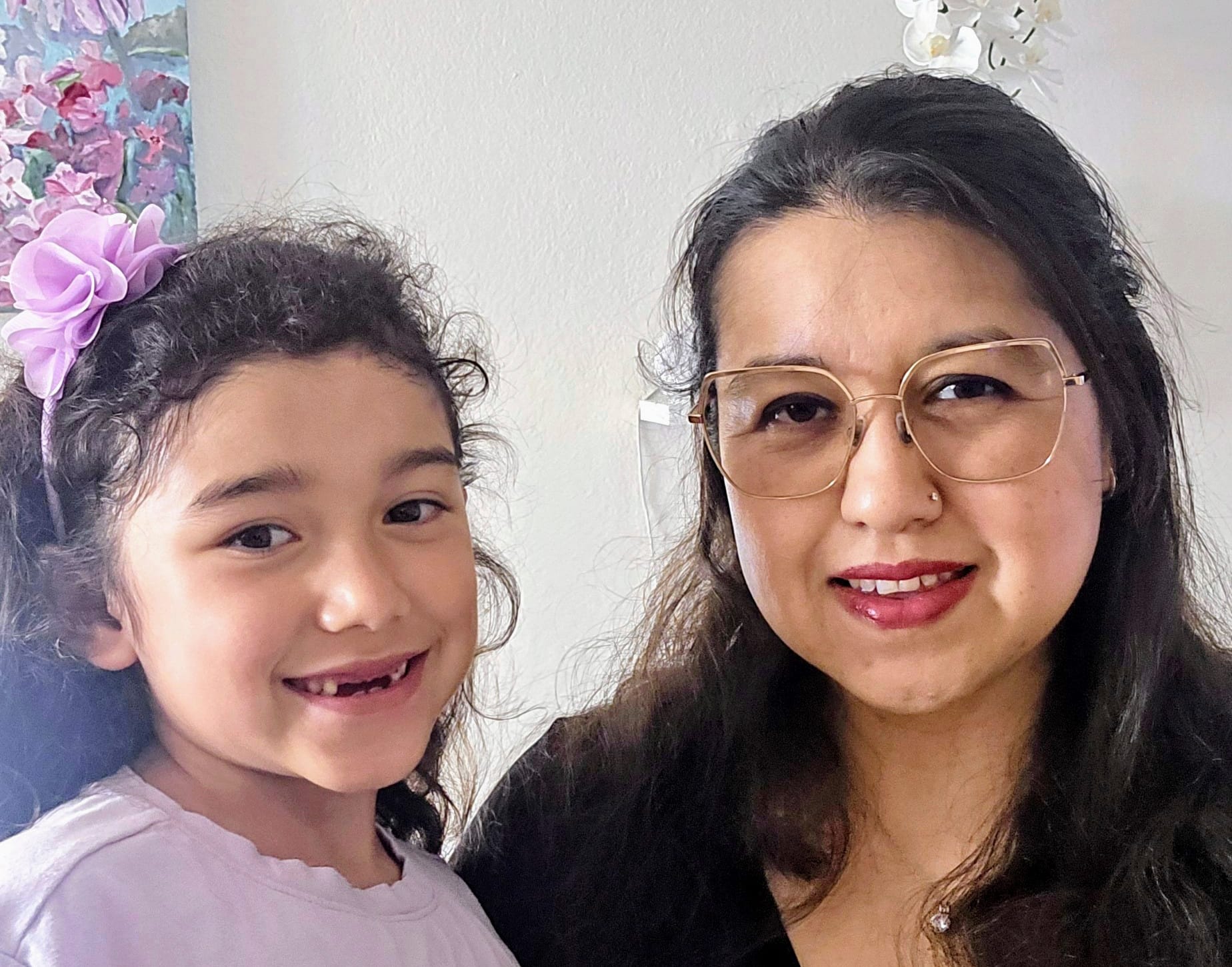
On top of that, she mentioned the new bilingual group where parents who want to learn English come together with parents who want to learn Spanish.
“For us, as a Latino community, we feel happy because we can communicate with the parents of our children. It’s working for us,” Cifuentes said.
Parent Luisana Maneiro said her daughter Ailynn, now 6, was at Valley Vista for transitional kindergarten until the family left for Miami, before returning to Petaluma this year. She said she still has much to learn about the Waldorf style of education, but said her daughter is “very happy” at the school.
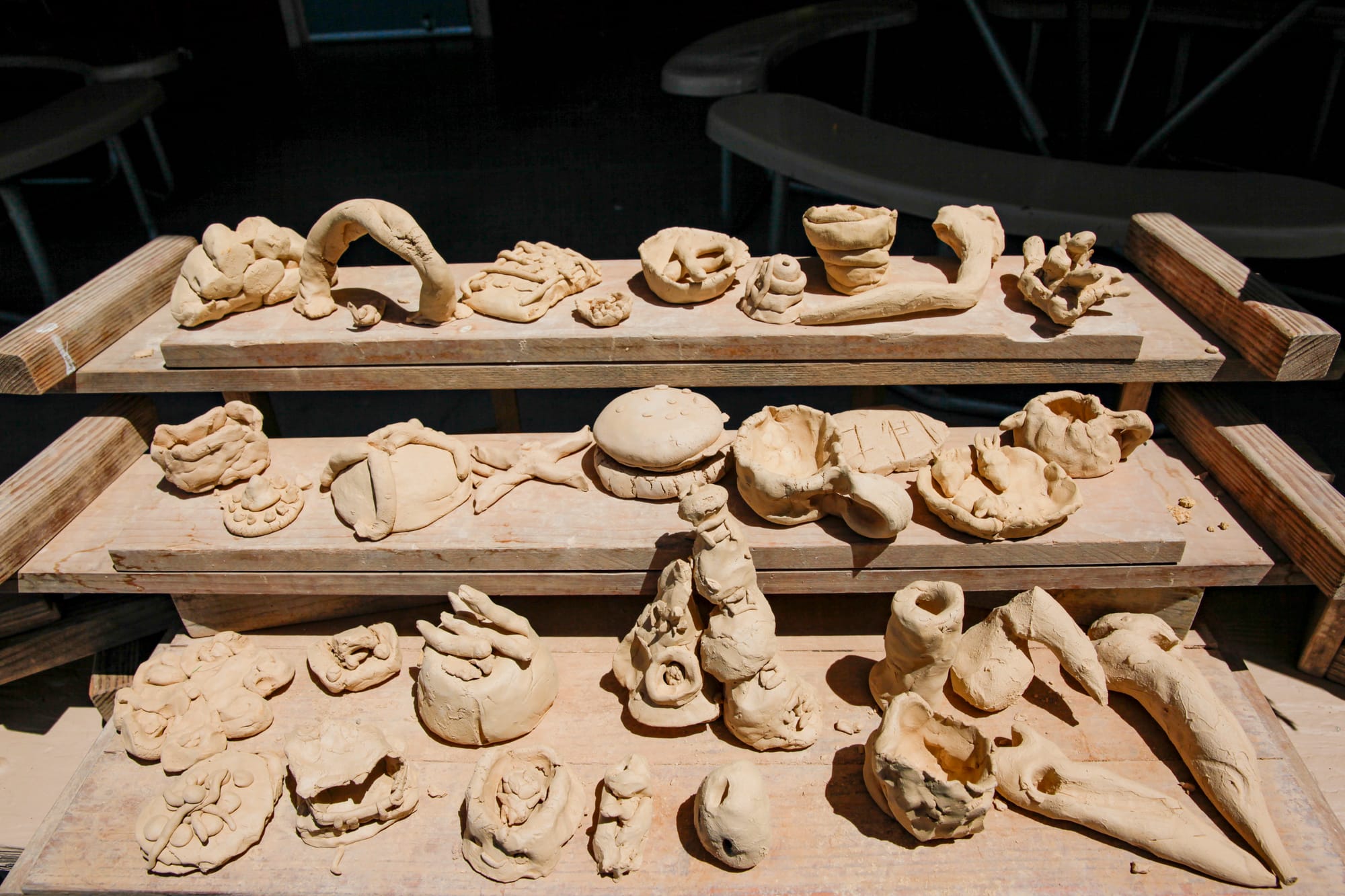
"The teachers take their time,” Maneiro said. “It is not so strict that my daughter has to learn through memorization. Instead, they make them do things with their hands, create things with their hands," which, she said, activates parts of their brains to further help their development.
She pointed to Miss Angie’s help with interpreting to bolster the cultural cross-over. “Becoming one big community – we are achieving it,” she said.
Maneiro looks forward to enrolling her youngest daughter in transitional kindergarten at Valley Vista Public Waldorf for the next school year.
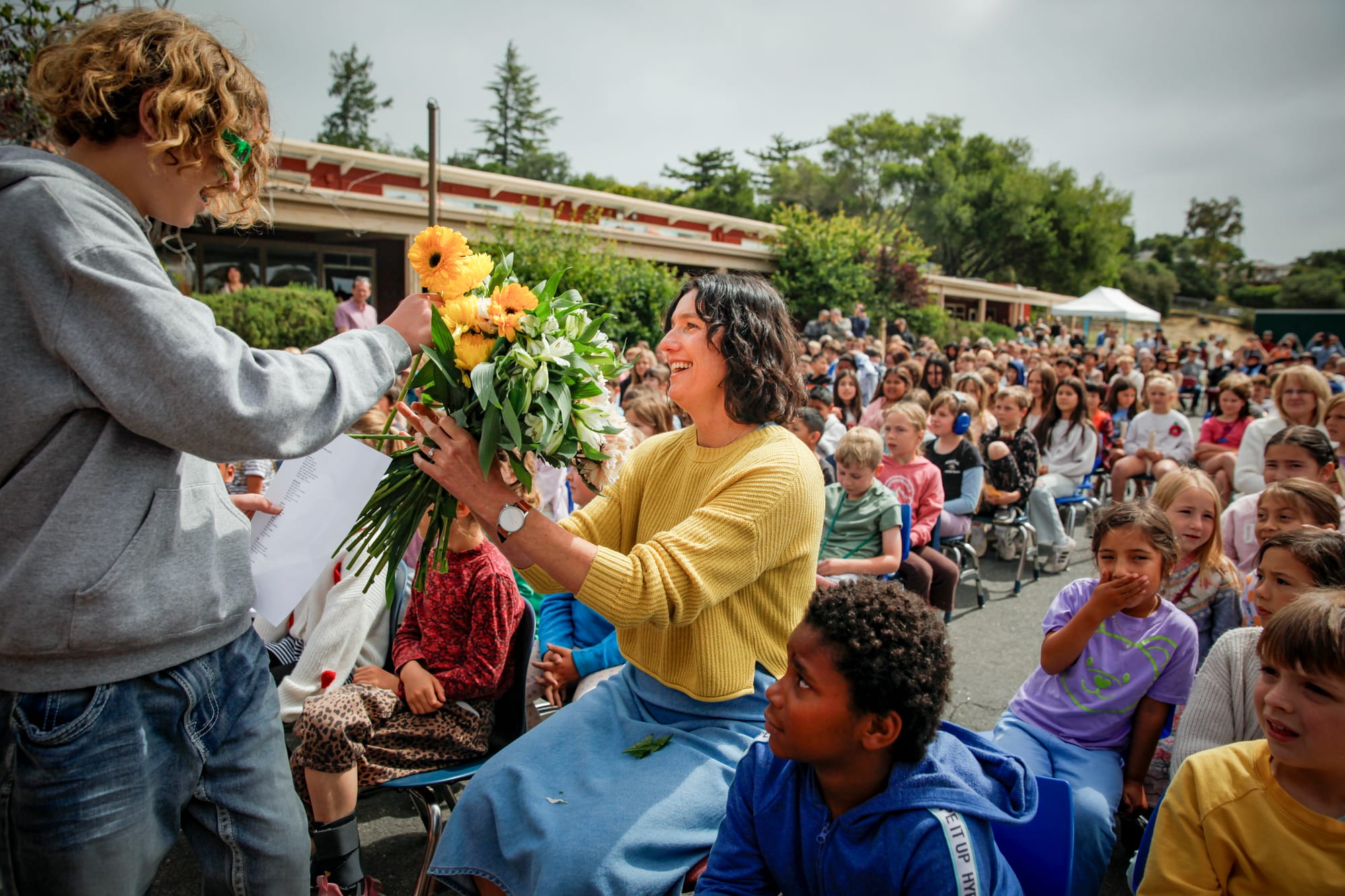
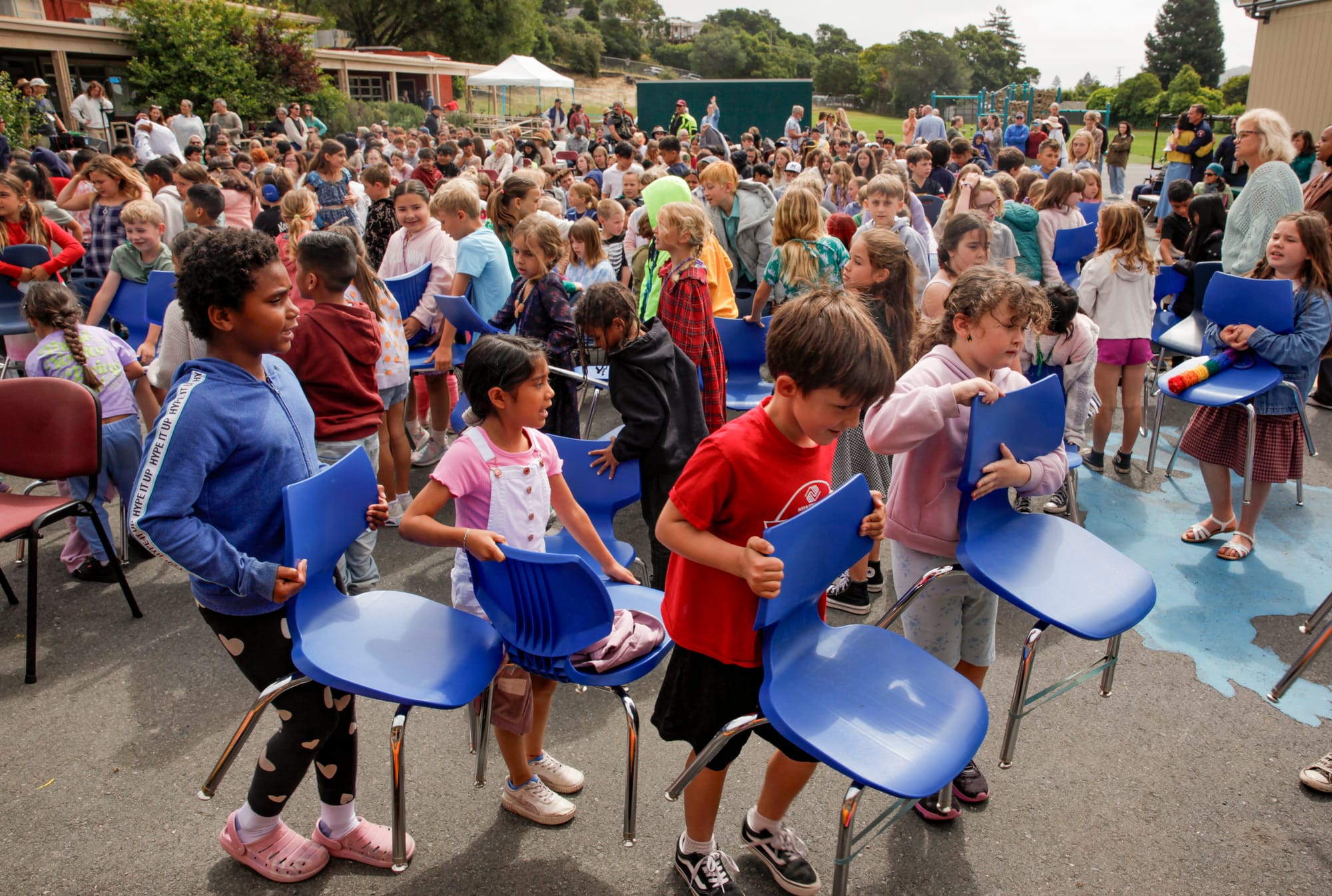
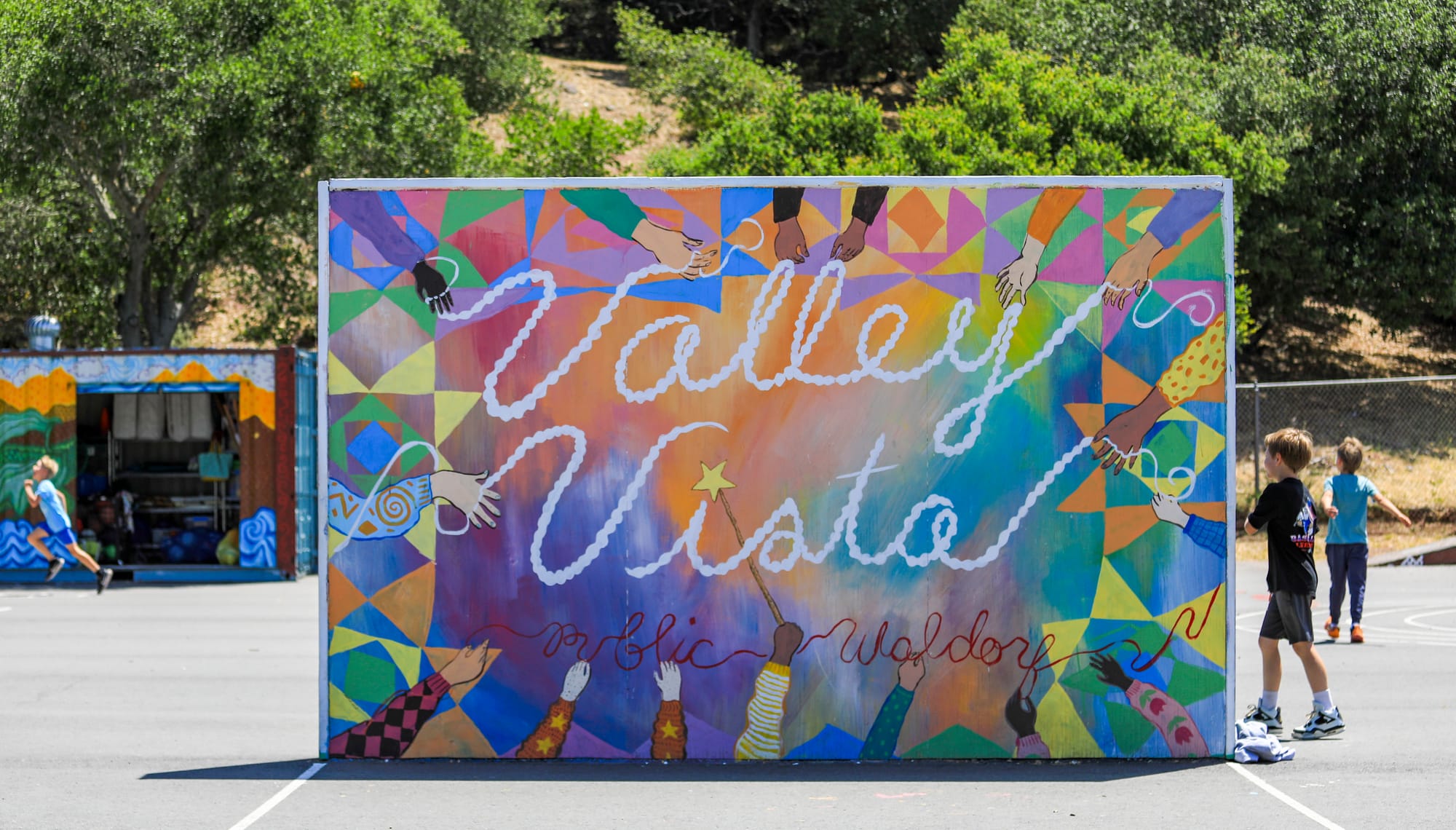
The end-of year assembly at Valley Vista Public Waldorf School on Tuesday, June 2, 2026, included a song performed for eighth-grade teacher Rachel Mohr by her students (left photo). (CRISSY PASCUAL/PETALUMA VOICE ©2026)
In its first year, the new school had about 240 students from Live Oak, 85 from Valley Vista Elementary, and 150 from other places, including San Rafael, Novato, and Santa Rosa. That’s about 475 students in all.
In the coming year, McFee will work on developing middle school programming and plan for the construction of a new “TK Village,” to be funded by school bonds, for its youngest transitional kindergarten students.
“Until it's very much settled into one whole school, we have to keep just infrastructure in place that makes sure … that all children have equitable access to this experience as well as their parents,” she said.
McFee expects about 500 students to be enrolled next school year, with many on the waitlist.