Waugh School District pay draws scrutiny

The Waugh School District board in early August boosted pay for several administrators by almost 10%, saying it was compensation for filling the role of a principal who departed unexpectedly. But the move drew criticism from some staff who received a much smaller increase than they were asking for in recent salary negotiations.
Calum Weeks, a union official representing non-teaching staff, is crying foul. He said district leaders are telling employees it is cash-strapped and cannot afford raises, while bumping the salaries of its highest-paid administrators.
“We’re incredibly frustrated because we feel we’re being lied to,” said Weeks, a labor relations representative with the California School Employees Association. “They keep saying there’s no money, no money. They’re not being honest.”
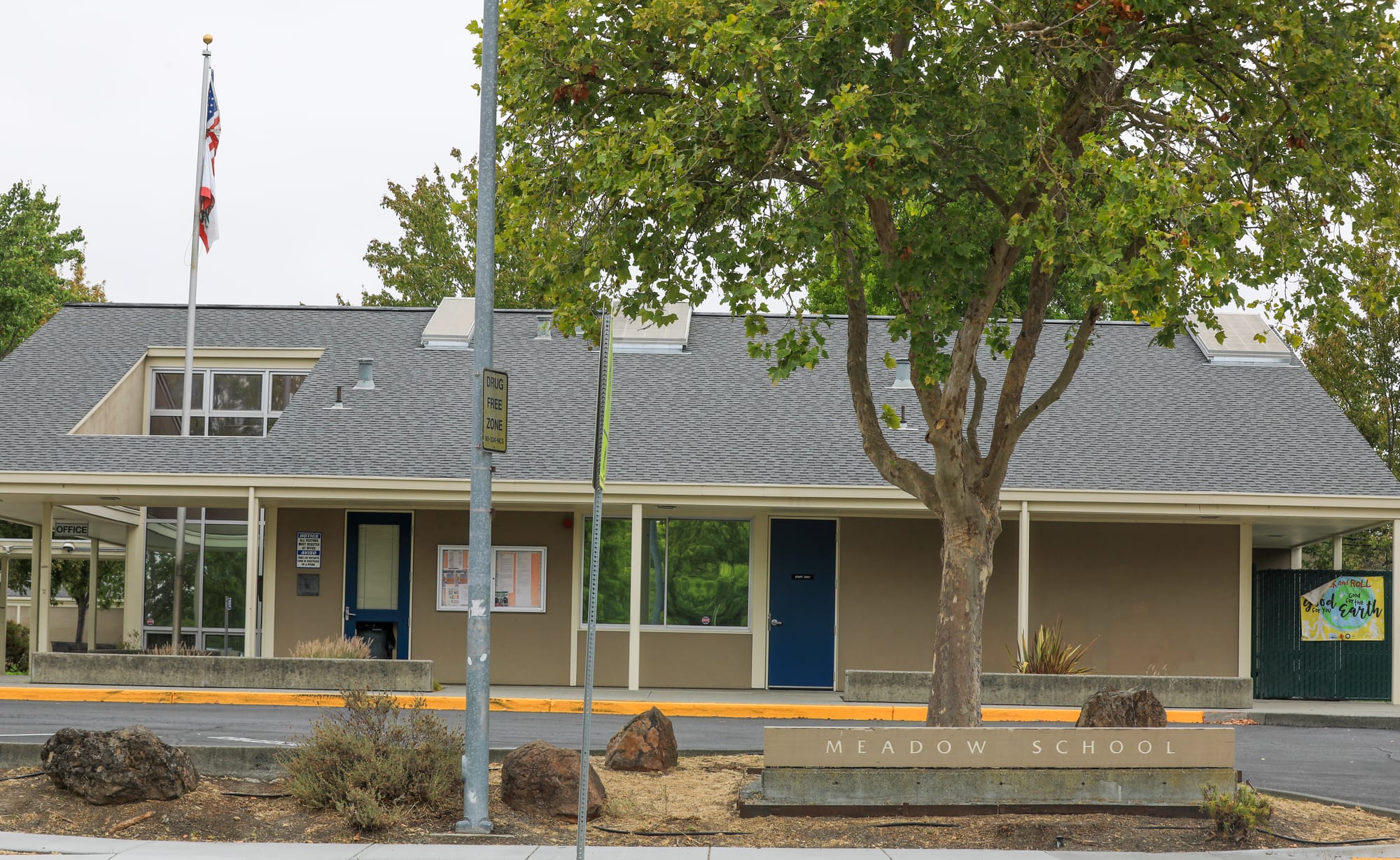
Not all are critical of the salary increase. The president of the Waugh Teachers Association, Lenee Howe, said she hopes the administrative increase means resources are going toward fixing problems internally, and a signal for what could come under future salary negotiations.
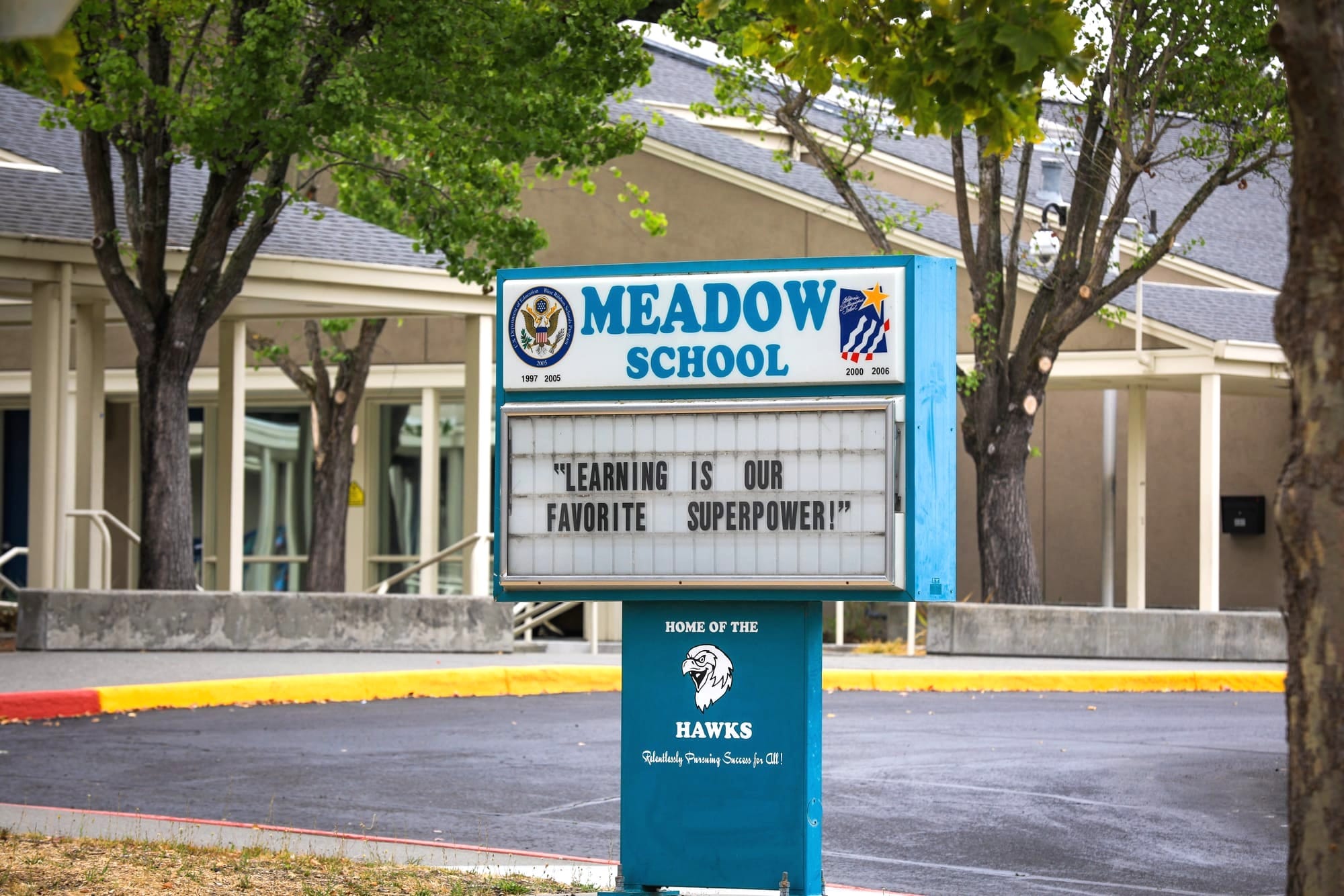
“I think from the teachers’ standpoint, knowing that administrators were doing more work and taking on more, we understood that that was the deserving increase,” said Howe, a Meadow Elementary School fifth-grade teacher. “It also made us hopeful for our upcoming negotiations.”
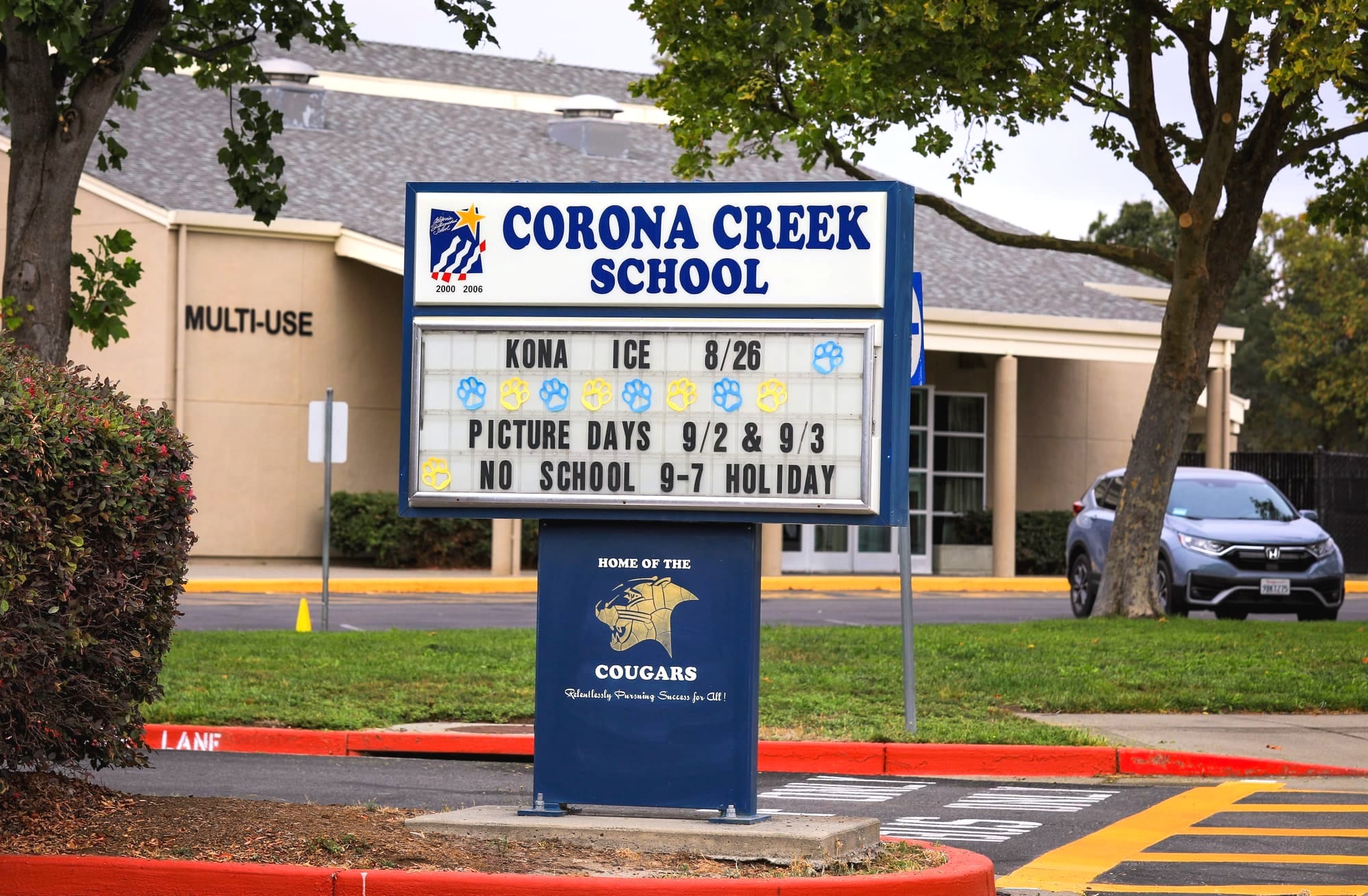
At the Aug. 11 board meeting, the five-member Waugh School District board unanimously approved a 9.6% pay increase for four administrators for the current school year. This comes after they received additional stipends after a principal left Corona Creek Elementary School in February and the remaining administrators absorbed the workload.
At the same meeting, the board approved collective bargaining agreements for classified and certificated staffers for the previous school year, with each group receiving a minimum of a 2% increase. Negotiations for the current school year typically do not begin until mid-school year to account for changes in the state budget, Howe explained.
The administrator pay increase will be in effect for the 2026-27 school year after the board requested that the current administrative team “continue absorbing the open principal position” instead of hiring a replacement, said board president Dominic Magnani in an email to Petaluma Voice. Magnani declined a live interview, explaining that he has chosen to correspond solely in email because the inquiry relates to collective bargaining and labor negotiations.
“Operating with four administrators instead of five delivers an overall net cost savings to the district while maintaining continuity for our students and school communities,” he wrote, adding that administrators’ pay is expected to revert to 2025-26 levels once the duties end.
Just months prior, the board approved $4,000 stipends for one principal and the superintendent, as well as $2,000 stipends for the chief business official and an employee with a dual role as human resources specialist and executive assistant to the superintendent, according to the June 9 board documents.
After the August meeting, classified staff – non-teaching and the lowest-paid at the district – will receive a total 3% increase for the previous school year. Broken down, that is a 2% salary increase and a 1% one-time increase, according to district documents.
Overall, pay raises for four administrators are calculated to cost the district an additional $72,300, or an average of $19,000 per employee. For classified staff, the raises will increase district costs by $82,500, or an average of $4,544 per employee, according to public disclosure notices.

The district is expected to end the school year with a $1.25 million surplus in its general fund, which is projected to grow by $389,000 next year and $205,000 the year after, according to the 45-day budget revisions. Overall, about 83% of the district’s general fund goes toward salaries and benefits.
Per district policy, the district maintains an 8% general fund reserve, higher than the state-mandated 4%.
The surplus is a boon to the district, which only two years ago was showing a million-dollar deficit, according to the 2024-25 budget. In late 2024, the district formed a budget advisory committee to weather the changes as one-time COVID-era funding ended and the district faced ongoing budget deficits.
The district’s “reserves continued to be depleted” from the 8% requirement for the 2025-26 school year, Magnani said. “Despite this depletion, our unit members still received an increase through collective bargaining,” he said.
Staff also projected enrollment increases in the current school year and declines for the next two school years, which will impact the amount of state funding the district receives.
Union representative responds
The discrepancy in pay increases drew scrutiny from classified staff union representative Weeks, who is alleging bad-faith bargaining.
“They’re not being good actors,” Weeks said. “They’re not entering these negotiations in good faith.”

Magnani disagreed with that characterization. “I am confident that our district leaders approach bargaining with our unions in good faith, and vice versa,” he wrote. He pointed to protections and dispute resolutions “when allegations of bad-faith bargaining exist. I encourage parties to exercise these options when they believe a grievance has occurred.”
Teachers, who are represented by another union, also received a 2% retroactive increase applied to the previous school year, according to public collective-bargaining agreements.
Instead of fast-tracking the replacement of a principal at Corona Creek Elementary School, Howe said the teachers themselves asked to slow down the process of hiring a replacement.
“We wanted to make it a thoughtful process about what we’re looking for, and really figure out and address some of the issues that we have,” such as high leadership turnover at Corona Creek, she said.
Historically, Waugh School District has had a shared superintendent-principal position, though that was split in recent years. Superintendent Mike Gardner, who took on the principal role after the departure, told Petaluma Voice that the superintendent and principal positions are two distinct, full-time jobs. As a principal he manages day-to-day operations, including overseeing more than 350 students, communicating with parents, and addressing student disciplinary needs. As superintendent he manages the district’s macro-level needs like long-term budget planning, state reporting and compliance, and labor negotiations.

Balancing both roles is a challenge, but “it is doable for this year because of the strong team we have in place,” Gardner said in an email to Petaluma Voice.
Anecdotally, Howe and Weeks said Waugh School District, a two-school elementary district on Petaluma's east side, has among the lowest staff and administrator compensation in all of Sonoma County. The ranking of district pay has not been independently verified by Petaluma Voice. Howe said this has likely led to higher turnover.
The district will seek voters’ approval for a bond measure in November to exclusively address aging facilities, after a previous parcel tax didn’t pass. If approved, the bond could give the district breathing room to address other needs.
Howe anticipates brighter days ahead. “Seeing the reserves are back, enrollment is increasing, and our schools are doing well, so we’re feeling hopeful,” she said.
Magnani said that the board expects to return to a “traditional leadership structure” of two site principals and a superintendent for the 2027-28 school year.
Jennifer Sawhney is a reporter and co-founder of Petaluma Voice. She can be reached at jsawhney@petalumavoice.org.
Do you like our work? Support us with a tip.