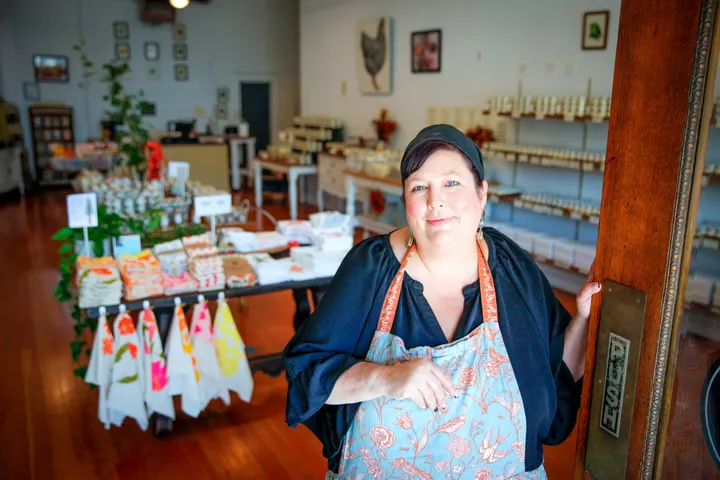
5Qs with United Cerebral Palsy of the North Bay CEO Christina Isetta
In recognition of Zero Waste Month, we speak with the nonprofit leader and longtime Petaluman who oversees the Petaluma Recycling Center

Tell me about United Cerebral Palsey of the North Bay and how the Recycling Center fits into its mission.
We serve adults and children with intellectual and developmental disabilities across the board. I think there are 10% who have cerebral palsy.
It’s funny, when I started with UCP almost 11 years ago. I wondered, how does the recycling center fit into serving adults with disabilities?
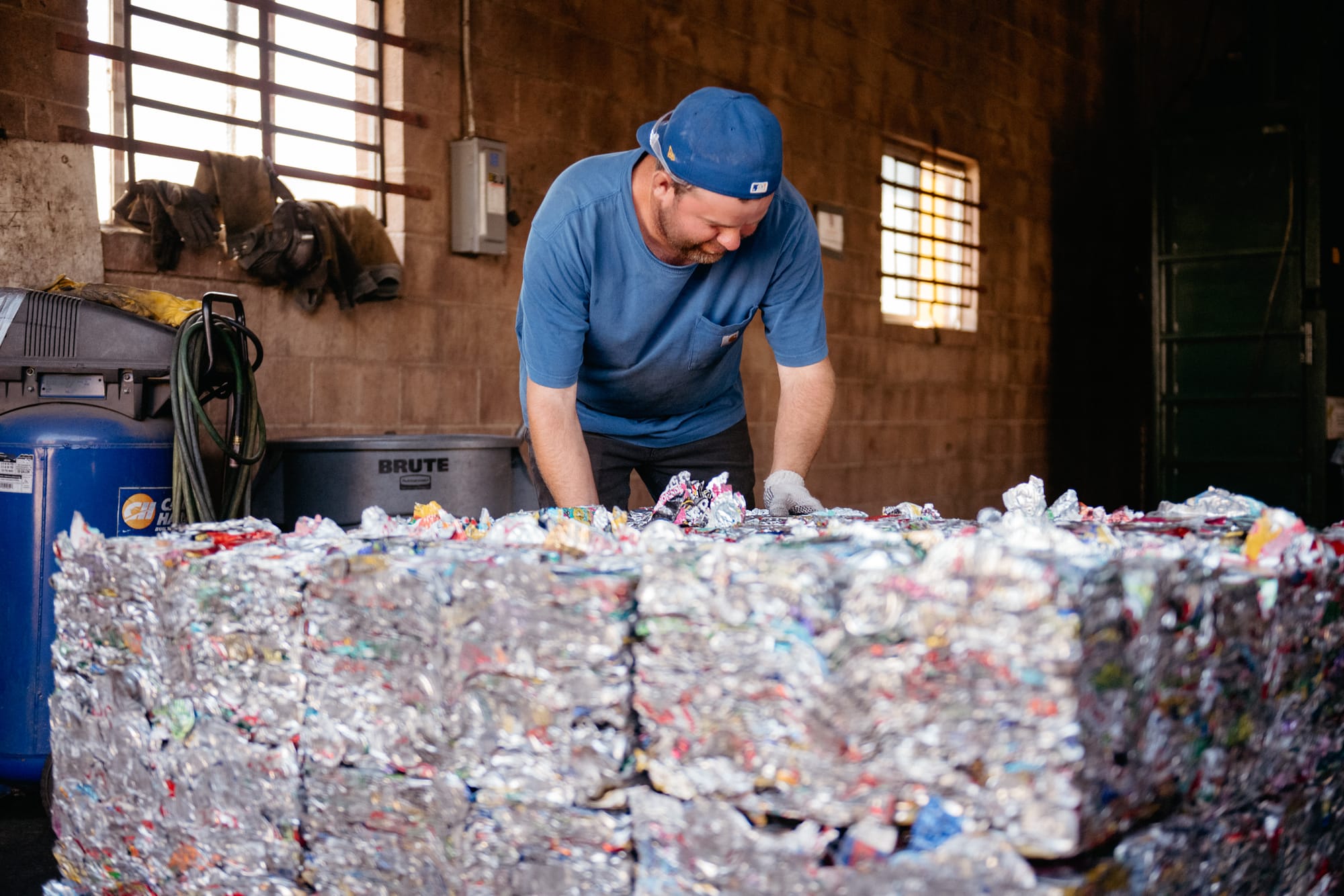
We call it one of our social enterprises. So we have thrift stores. We do secure document shredding. We do kitting – where wineries send us the product, they send us the packaging, and then we have an assembly line, and we put everything together and then ship everything back out to the winery.
As far as the recycling center, we do use that as a job training ground for our participants. Right now we have two groups of three, which means that we have three adults with disabilities to one job coach, and the job coach is there to help them build their skills.
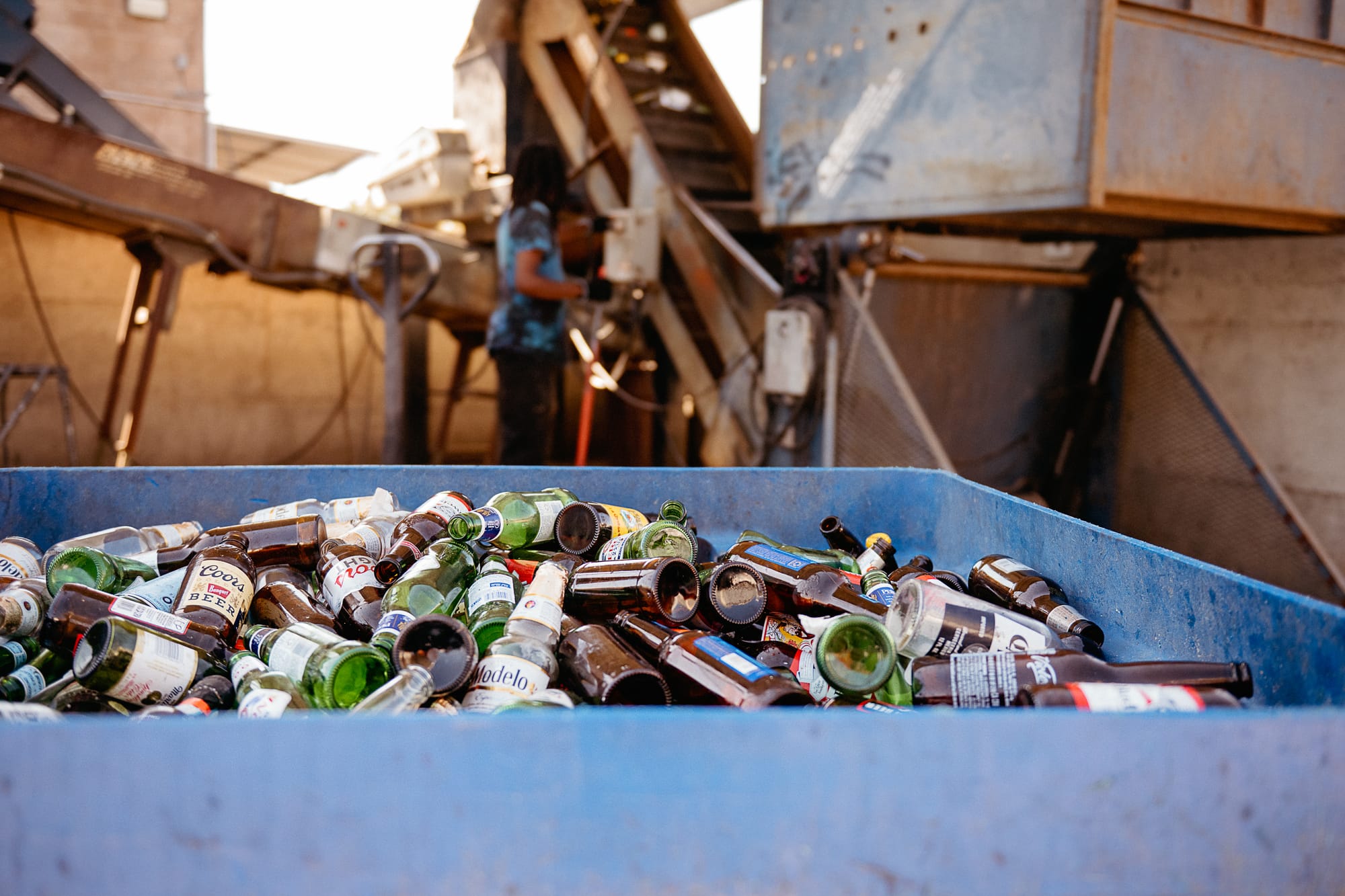
When they have succeeded through the program, their job coach will work with them and say, ‘Well, what's the next step? What do you want to do next?’ And then we'll look for outside placement with other businesses.
The recycling center was part of Old Adobe Developmental Services years ago. And we took over Old Adobe Developmental Service in November of 2013. They had already established the recycling center as a job training center so we've kind of grown that.
Many other recycling centers in the area and around the state have closed in recent years. What’s the business of running a recycling center like?
In the state of California, recycling isn't a money maker, but it's a tool that we use, like I said, for the training center, and that's definitely something that the community needs.

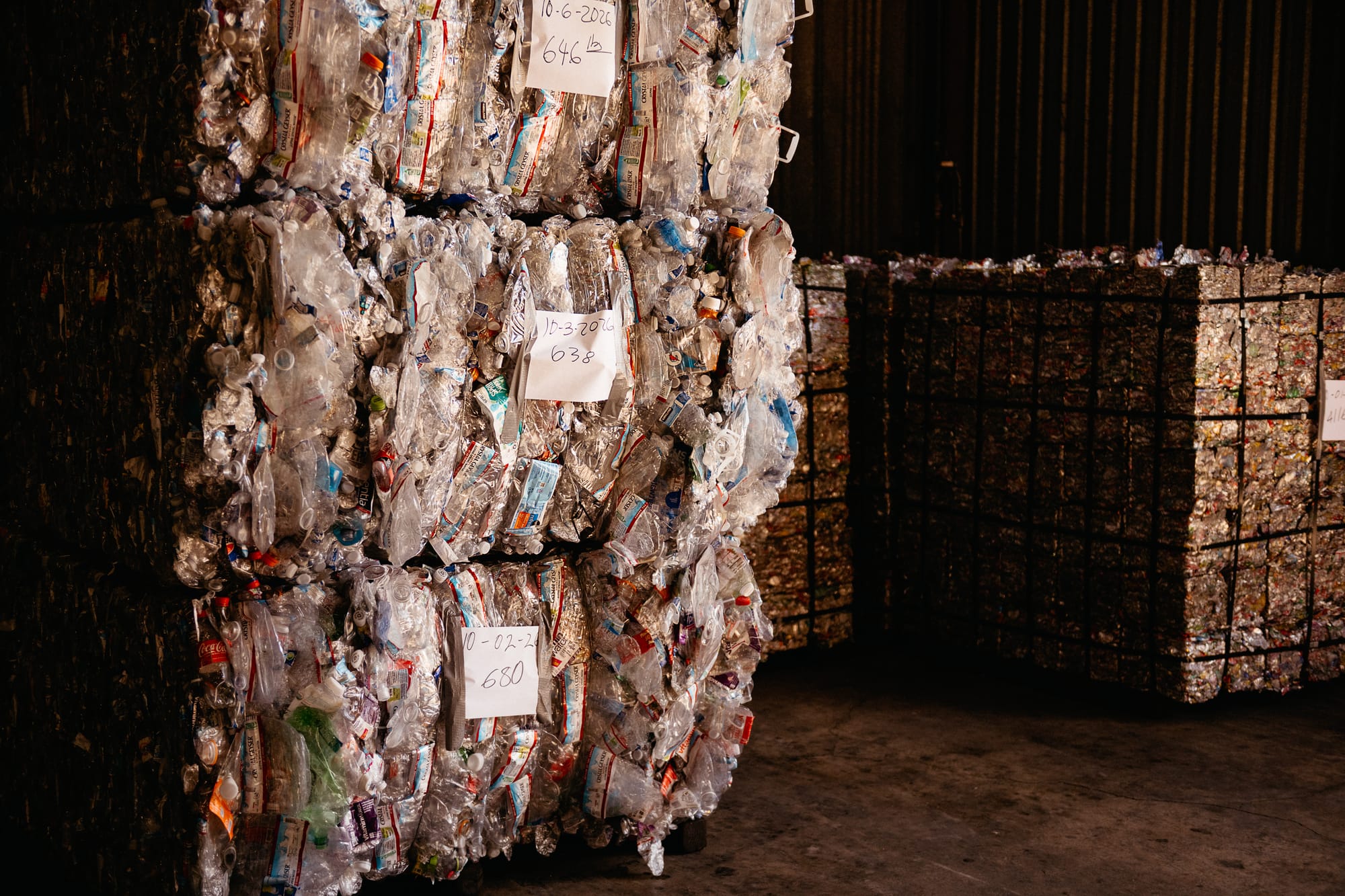
But because the reimbursement rates are so low with the state of California, a lot of recycling centers have gone out of business. We get paid per pound, and the consumer gets charged per item. You're charged a nickel for a can, and the reimbursement rates don't match what the consumers are paying.
The more volume we have, the more we get paid by the state to fund the recycling center, and the more jobs we can create.
Some of our other programs are reimbursed at higher rates, and those programs are helping to support the recycling center. For us as a nonprofit organization who serves adults with disabilities, it's really important for us to have social enterprises where we can do internal training and provide that training to our participants, and that's why we've kept it open.
It's important for us to keep that service available to the mental health community.
How are you looking to increase volume?
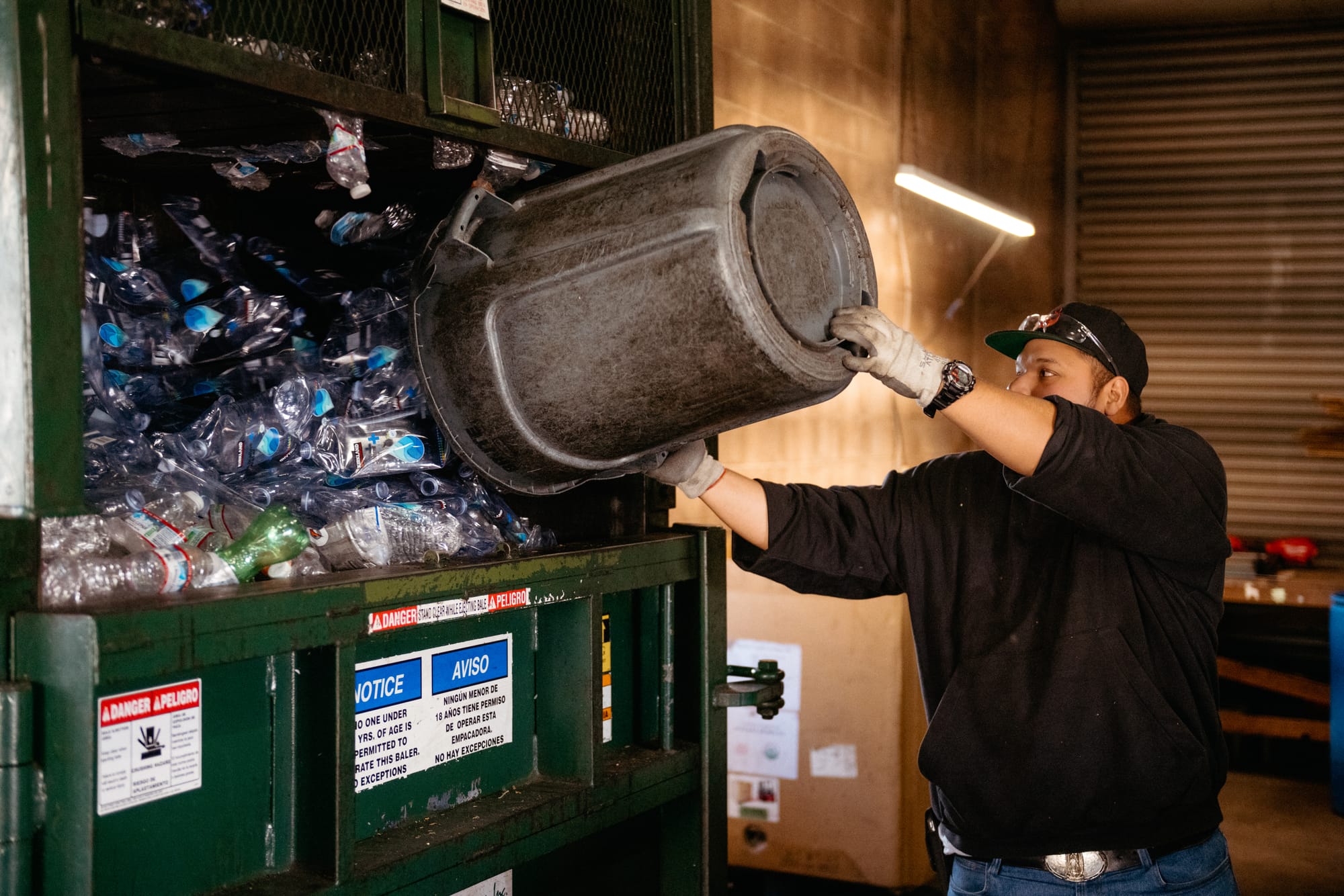
We are moving towards a more automated system. We received a grant through CalRecycle to automate recycling. We have recycling pods in Rohnert Park, Sebastopol, Healdsburg, and then one on First Street in Petaluma, right behind our recycling center. That one's not up and running yet, but it should be by the end of the year.
The goal is to make it easier to recycle. We're really trying to make it easier for the consumer, and so with these new automated pods, we have bags that we provide, and it has a barcode on it. You scan the barcode. You open the bin, kind of like the mail slot where you put your packages, and you put it in. It's tied to your account.
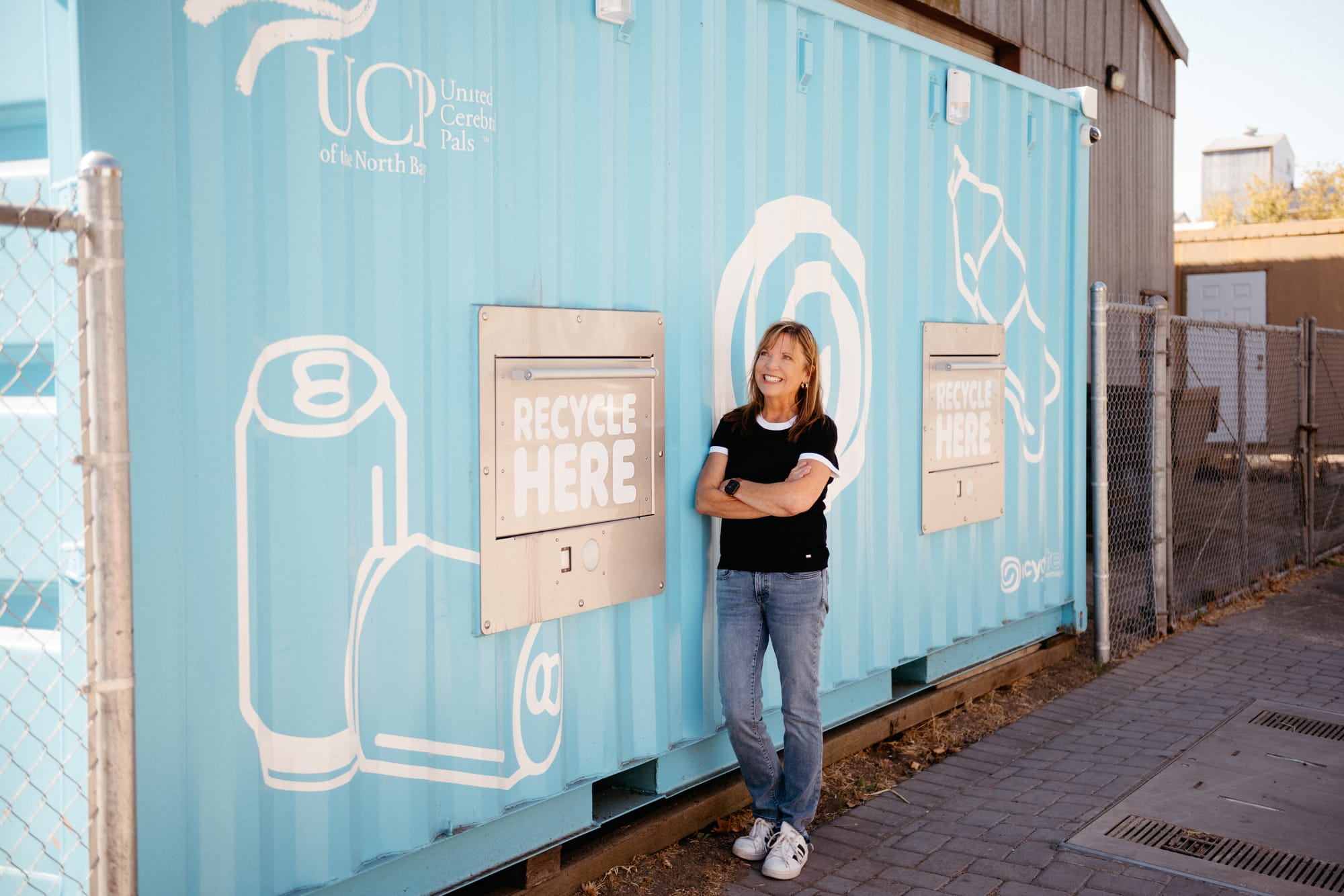
Once a day, we go and collect everything out of these pods, and then take it back to the recycling center for processing. And once it's processed, because that bag has your individual barcode on it, it's weighed, and then the money is deposited into your Venmo, PayPal, or we also have a debit card. So we are moving more towards that to help encourage recycling.
You mentioned thrift stores earlier. Is there a waste reduction goal in mind with that program as well?
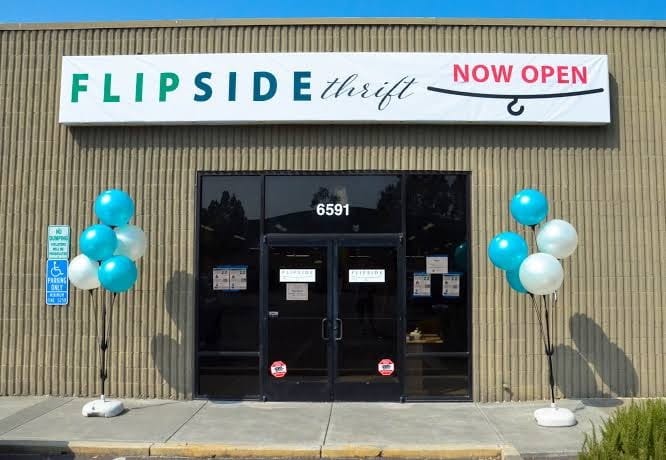
With our recycling, and with our thrift stores, we're doing a lot. Recycling's the last thing, right? We're trying to get people to reduce, reuse, and then recycle as the last thing. Because once it's recycled, it's crushed and gone. Tying back to our thrift stores, we're really trying to promote partnerships with Reuse Alliance and others. If we’re getting shirts with holes in them, can that be made into yarn? That type of thing. As an organization, we're trying to be more environmentally friendly and encourage consumers to do the same.
Finally, what’s something that your colleagues and employees might not know about you?
I’ve been in Petaluma since 1995. One of the things that I think a lot of my current staff doesn't know is that I was one of the founding members of River Montessori Charter School, which was the first public Montessori elementary school in the North Bay. That was a two-year-old process, and that was before I came to United Cerebral Palsy. I think a lot of people don't know that. I’m pretty proud of that. We opened up with, I think, 49 students, and I think right now they're at 170.
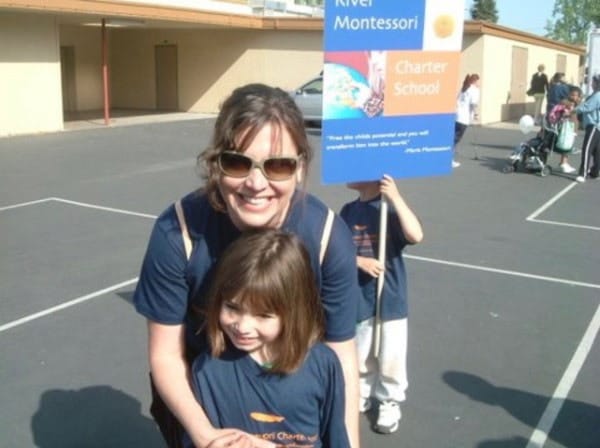
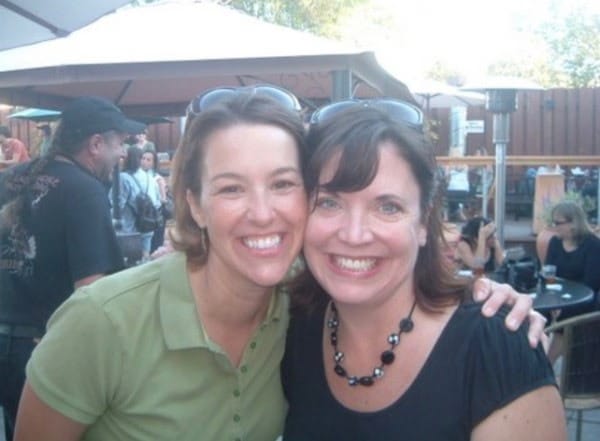
(Left photo) Christina Isetta stands with her daughter, Olivia Zimmerman, in the early days of River Montessori. (Right photo) Isetta (right) poses with Principal Kelly Mannion (left) at the opening of River Montessori. (Courtesy of Christina Isetta)
This conversation has been lightly edited for clarity and readability.
Nate Seltenrich is an editor and reporter at Petaluma Voice. He can be reached at nseltenrich@petalumavoice.org.
Do you like our work? Support us with a tip.