5Qs with Petaluma Pumpkin Patch farmer Jim Groverman
The fourth-generation Petaluman who grew up on Corona Road considers farming and ranching a way of life, and his homegrown pumpkin patch and handmade corn maze are proof
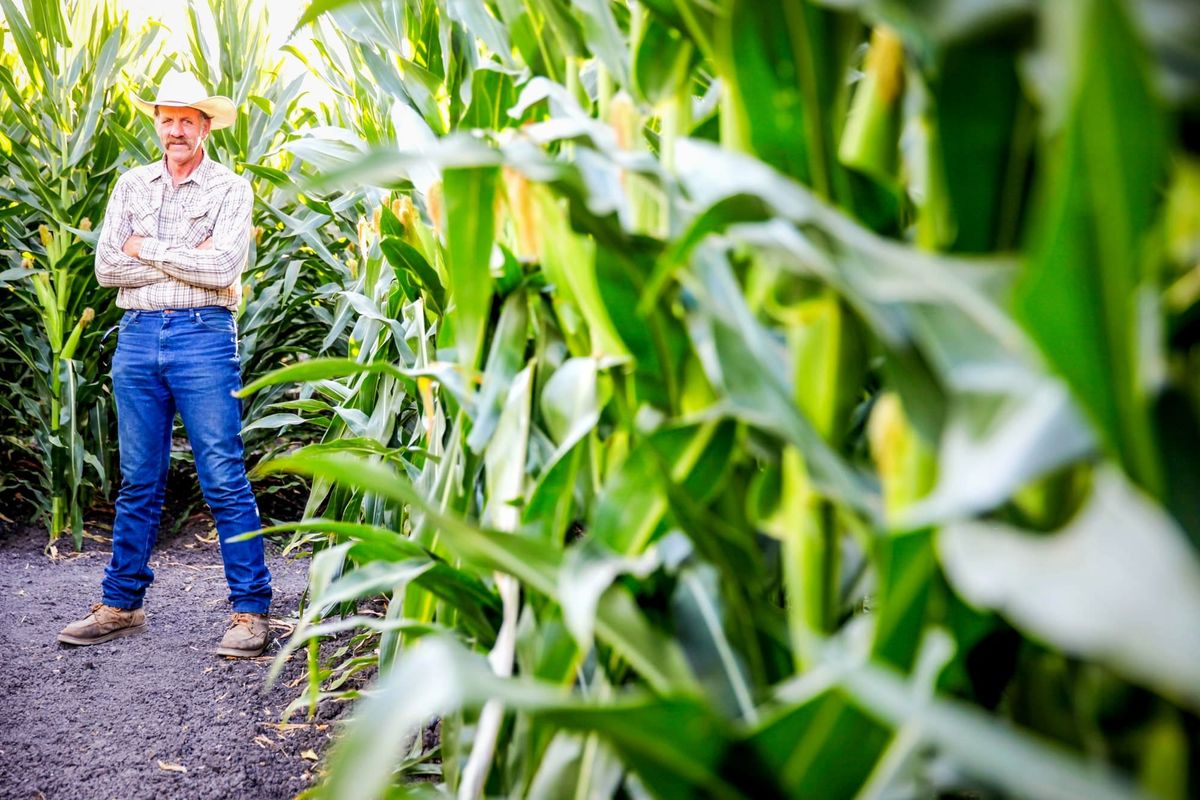
Tell me about the decision to launch a pumpkin patch in 1993. What were you doing at the time and what motivated the decision?
Well, I’ve always done a little bit of farming. Even when I was in junior high and high school, I used to grow shallots and sell them locally, in San Francisco, all the way to Sacramento.
We had about an acre when I was growing up as a kid on Corona Road. When I was in junior college, I worked at the Petersen Brothers Dairy since my grandma was a Petersen. They had a dairy, a pumpkin patch, apples, and potatoes. So that kind of gave me the idea.
My grandmother was born in the town in Bloomfield in 1902. Her parents moved to what’s now Petersen Road, right off Roblar Road. They started the dairy there, and they started feeding pumpkins to their milk cows. People from town in the ‘50s started coming out and wanting to buy the pumpkins, and they started the pumpkin patch there. And it was pretty successful.
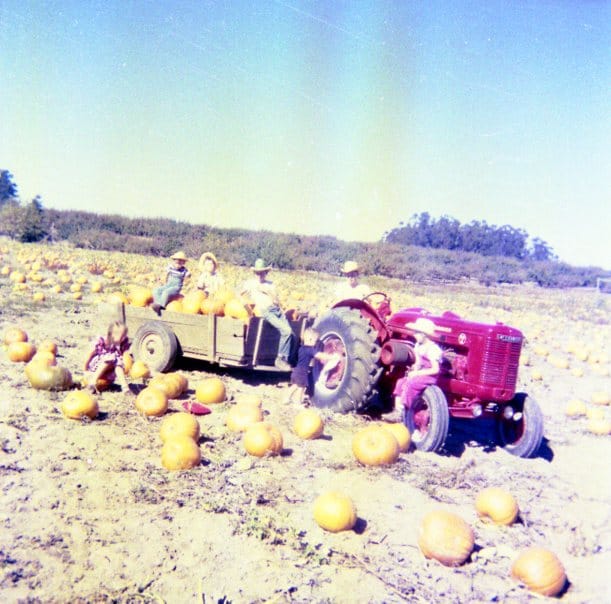
Kids all over the place, watching the cows being milked. It was pretty neat.
And then I went away to college and came back, and they had quit doing the pumpkin patch. I wanted to keep that going. I saw an opportunity. I had grown pumpkins when I was kid, too, in our big garden.
I went with that idea, and ran with it. I’d been growing other crops, too. I tried growing artichokes with not much success, and potatoes, and sweet corn. I’ve always been trying something, and this is just something that finally hit.
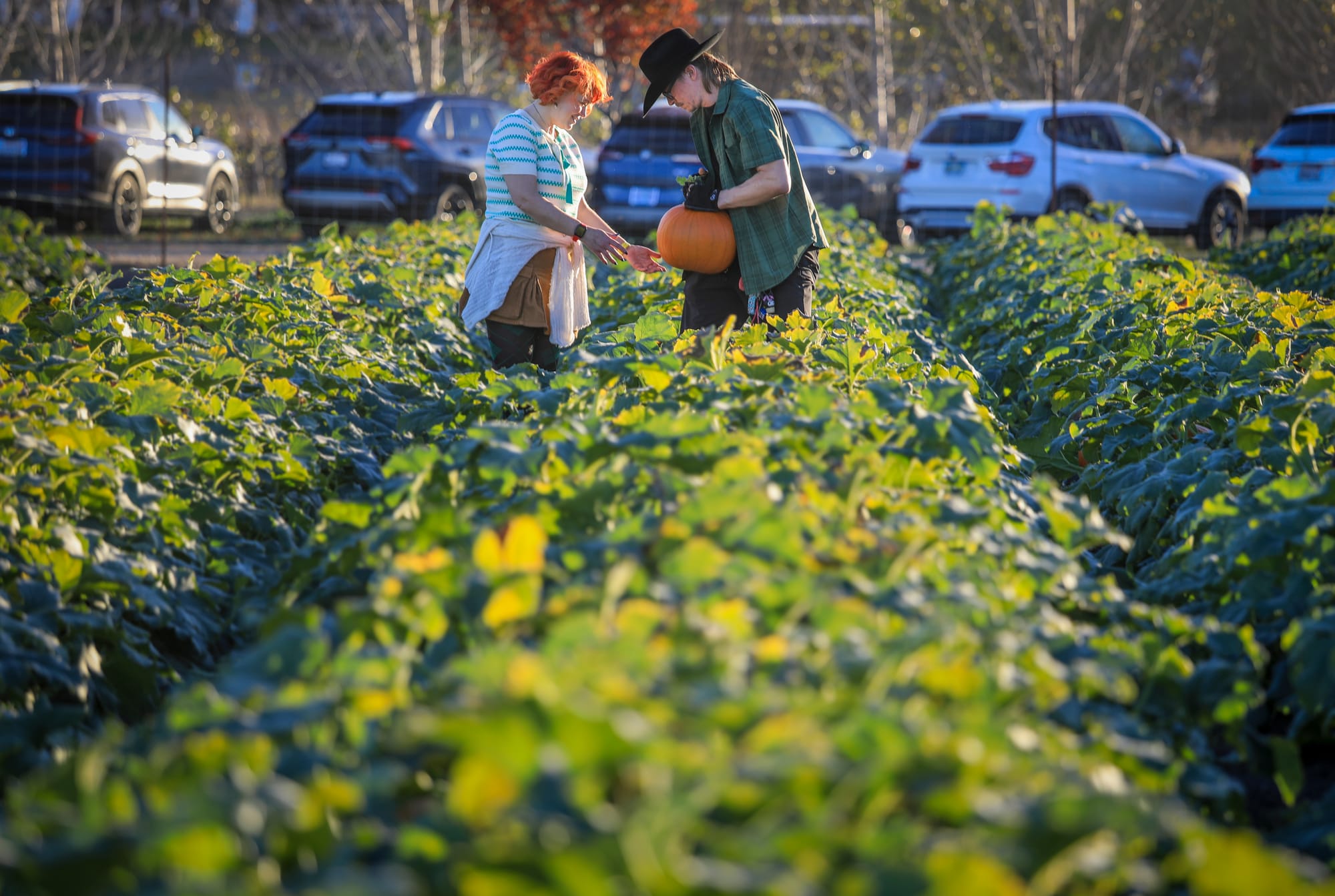
How has the operation grown or changed over the last 33 years?
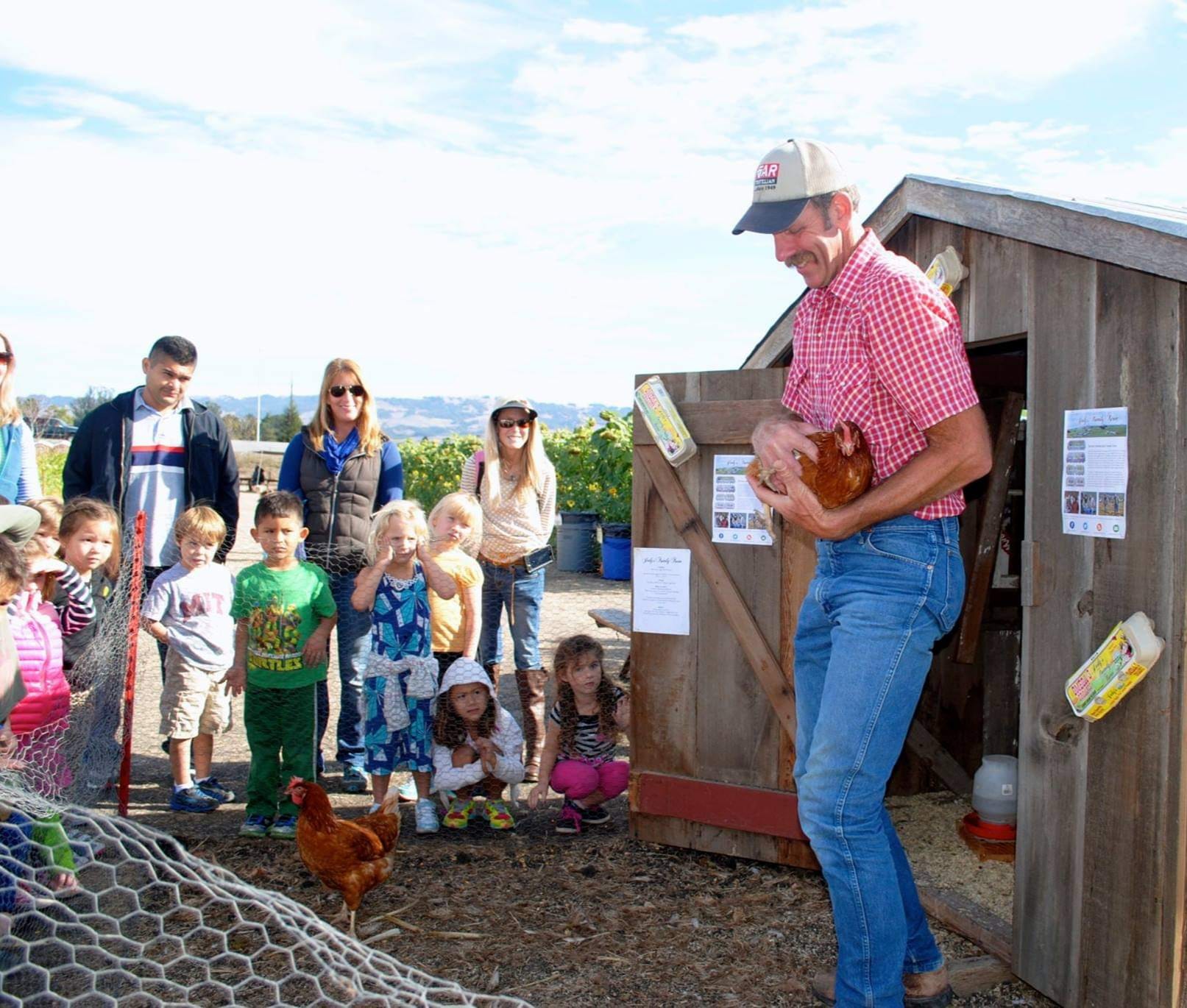
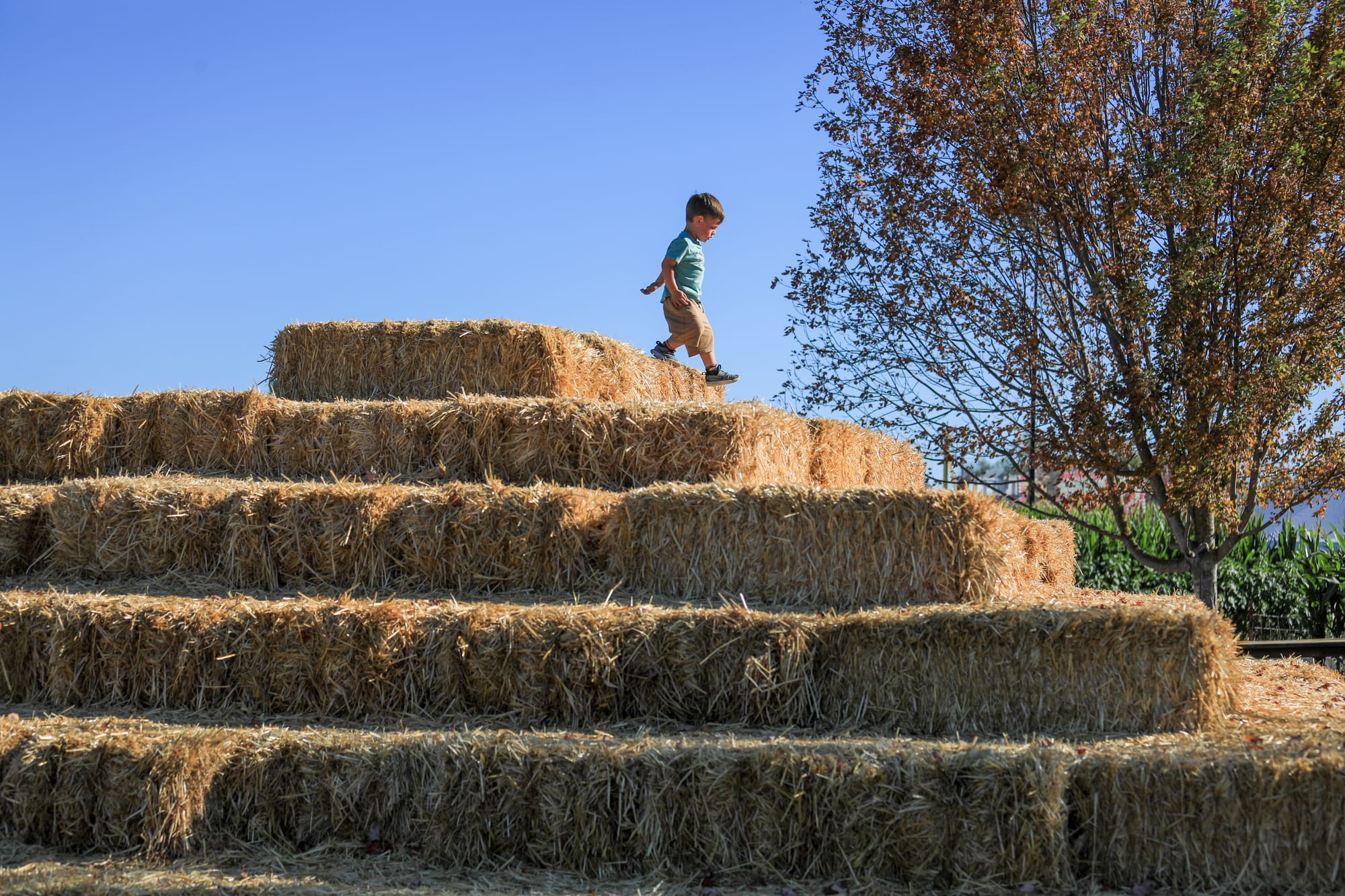
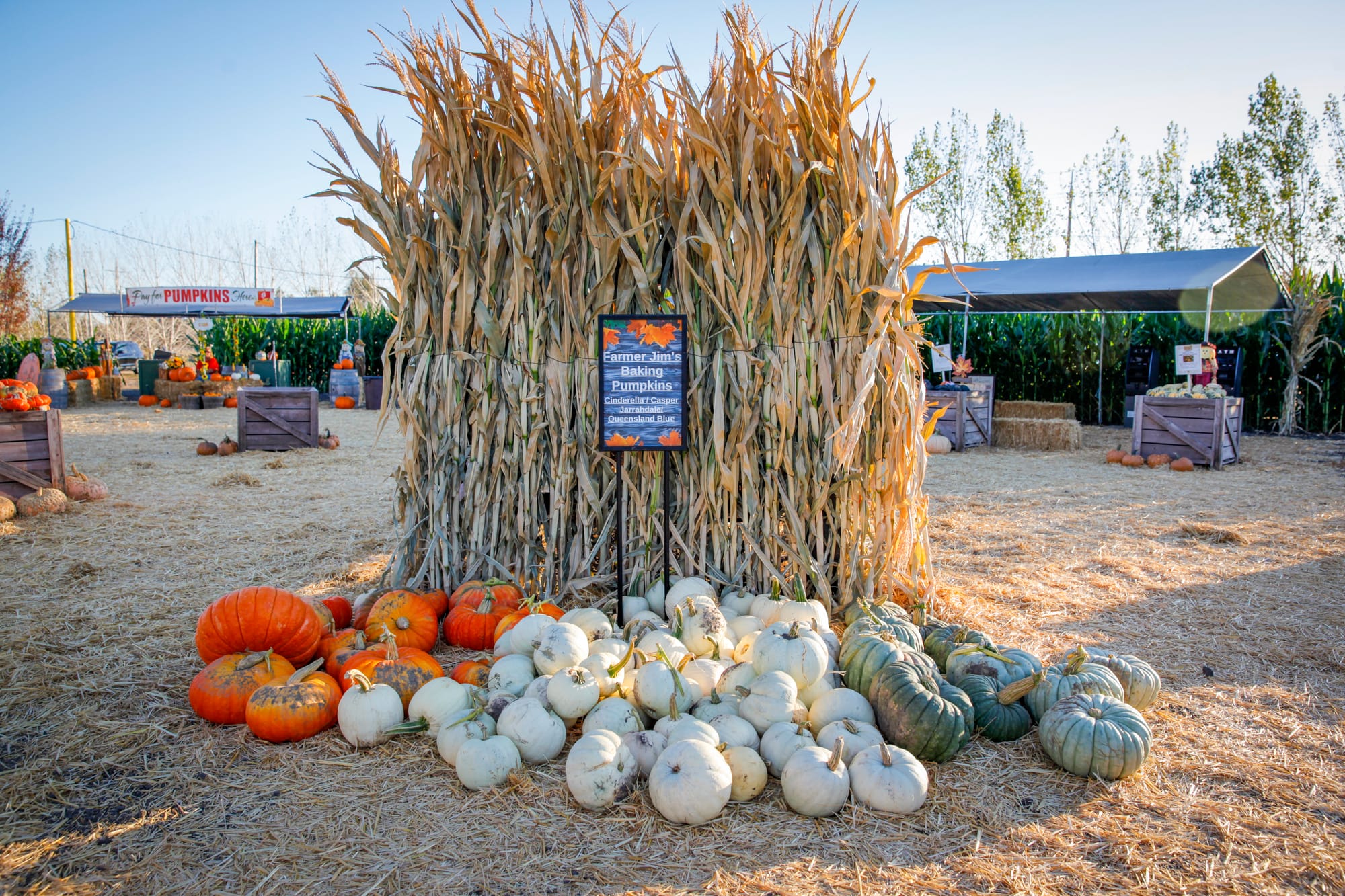
Oh, we've just added so much more. I kind of went down the route of “agri-tainment.” I am just trying to get people an idea of what goes on on a farm, and what the animals are like. A lot of people get so far away from farms and ranches, and this gives them a little taste of agriculture. That's why I always have the farm animals down there, and I spend a lot of time educating the people, and just letting them, you know, feel the animals, and give them information.
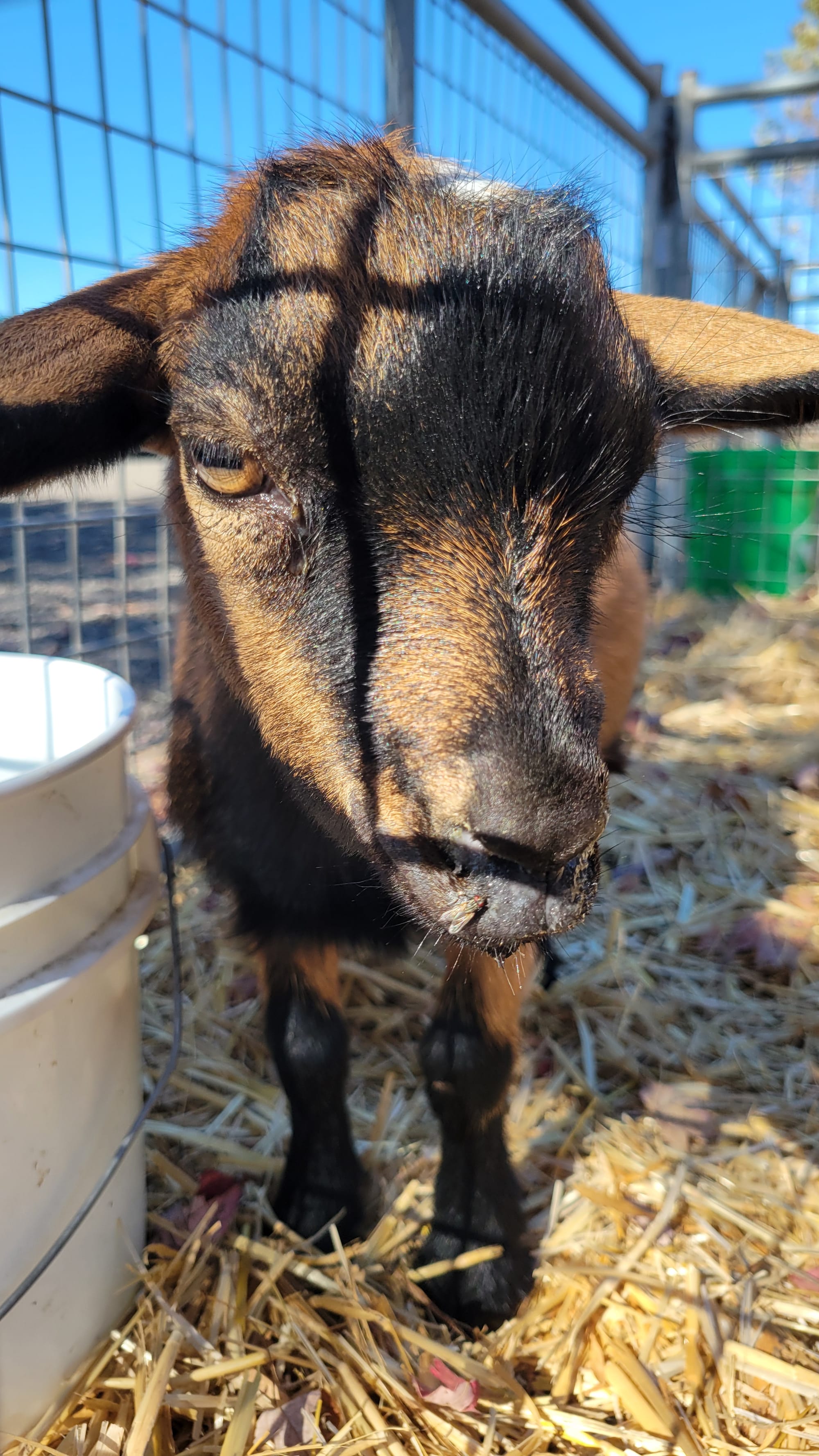
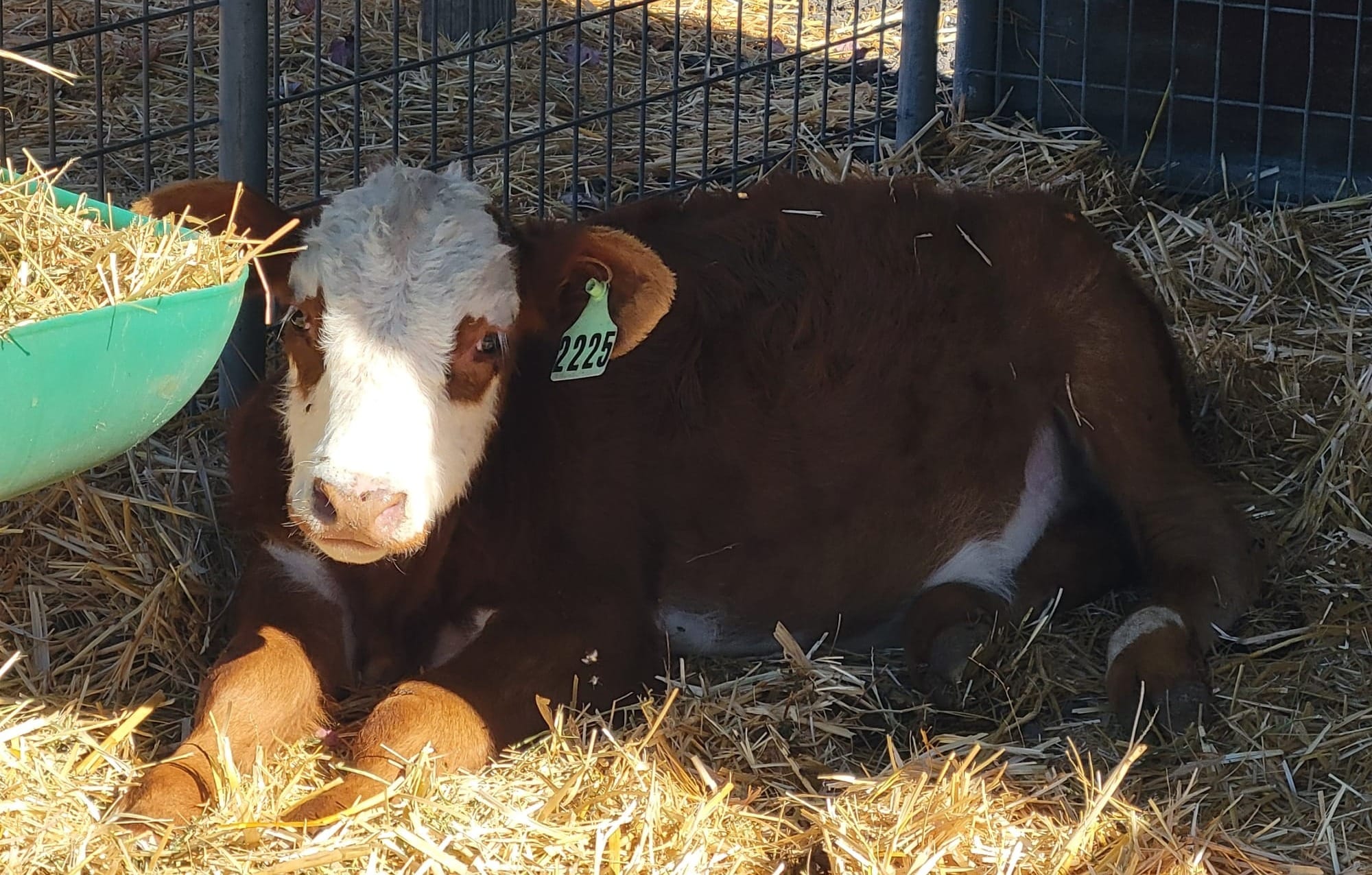
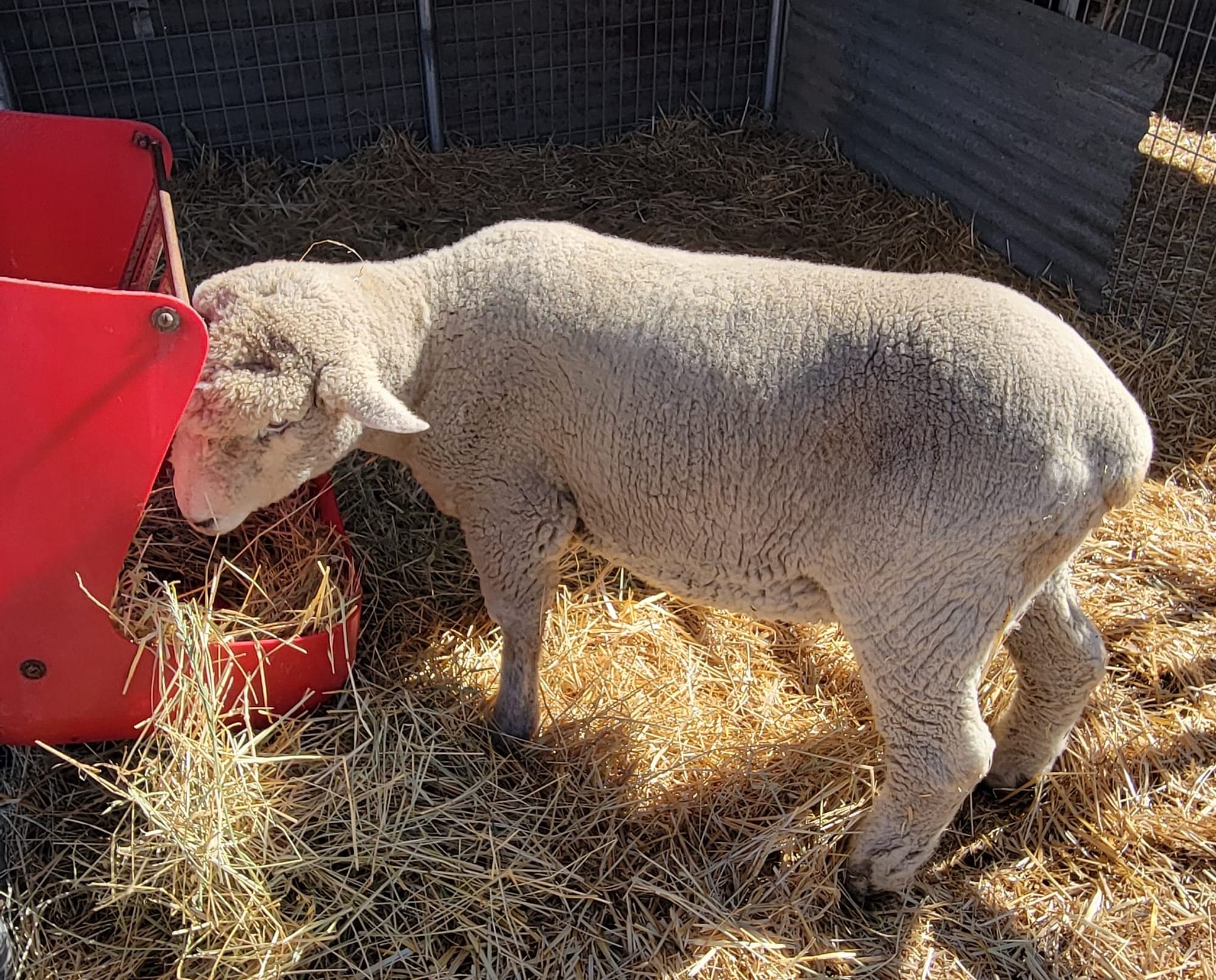
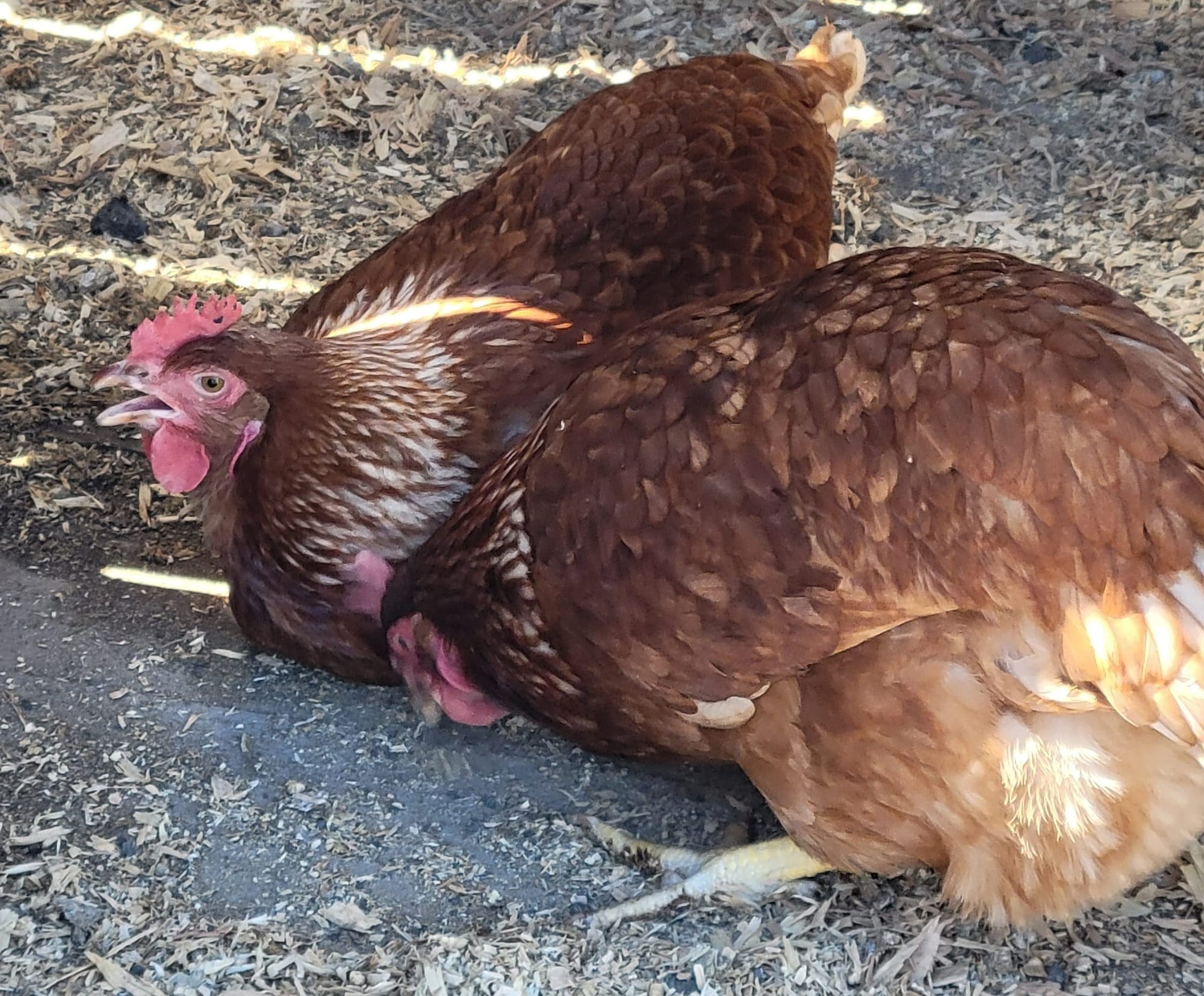
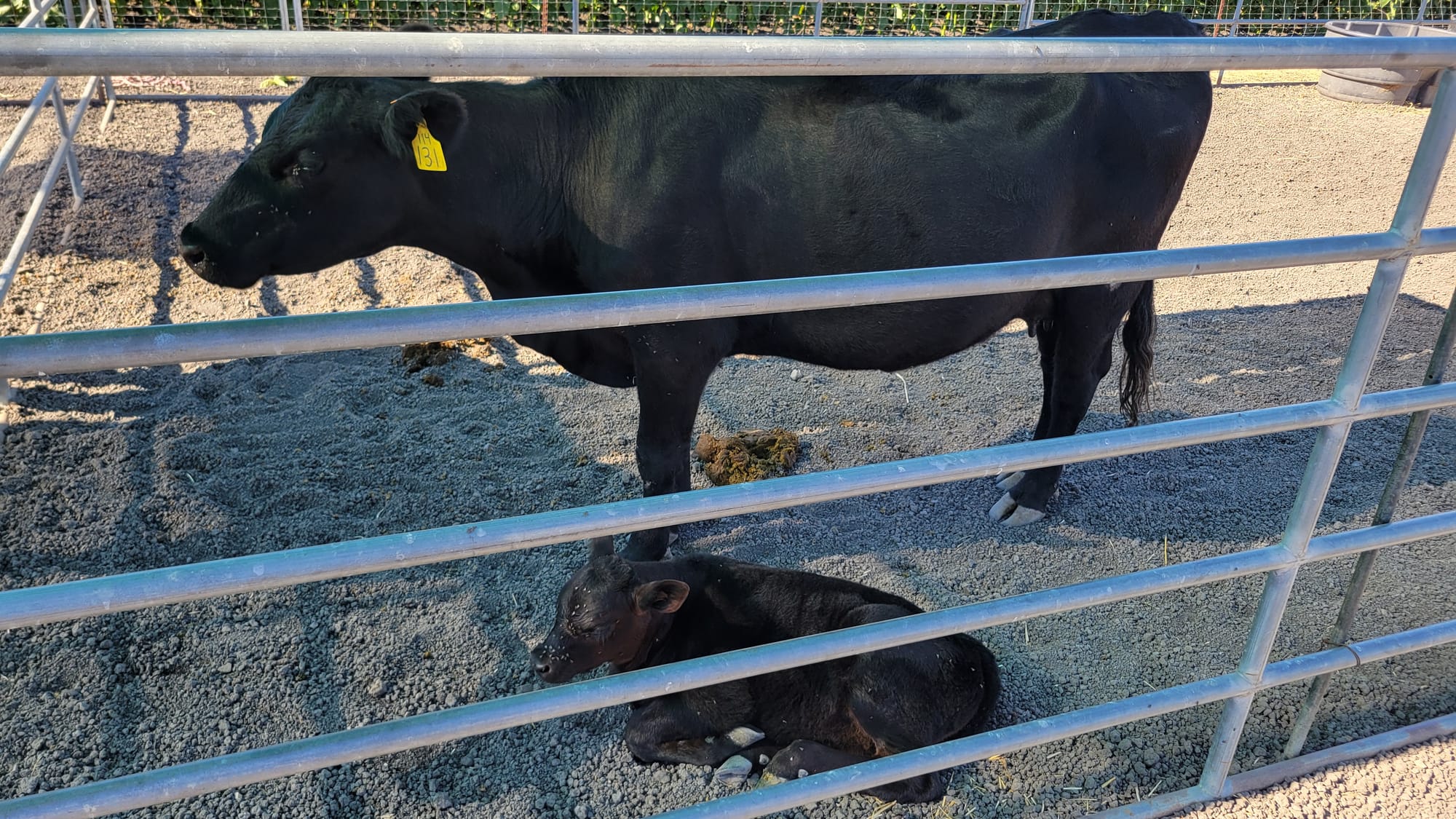
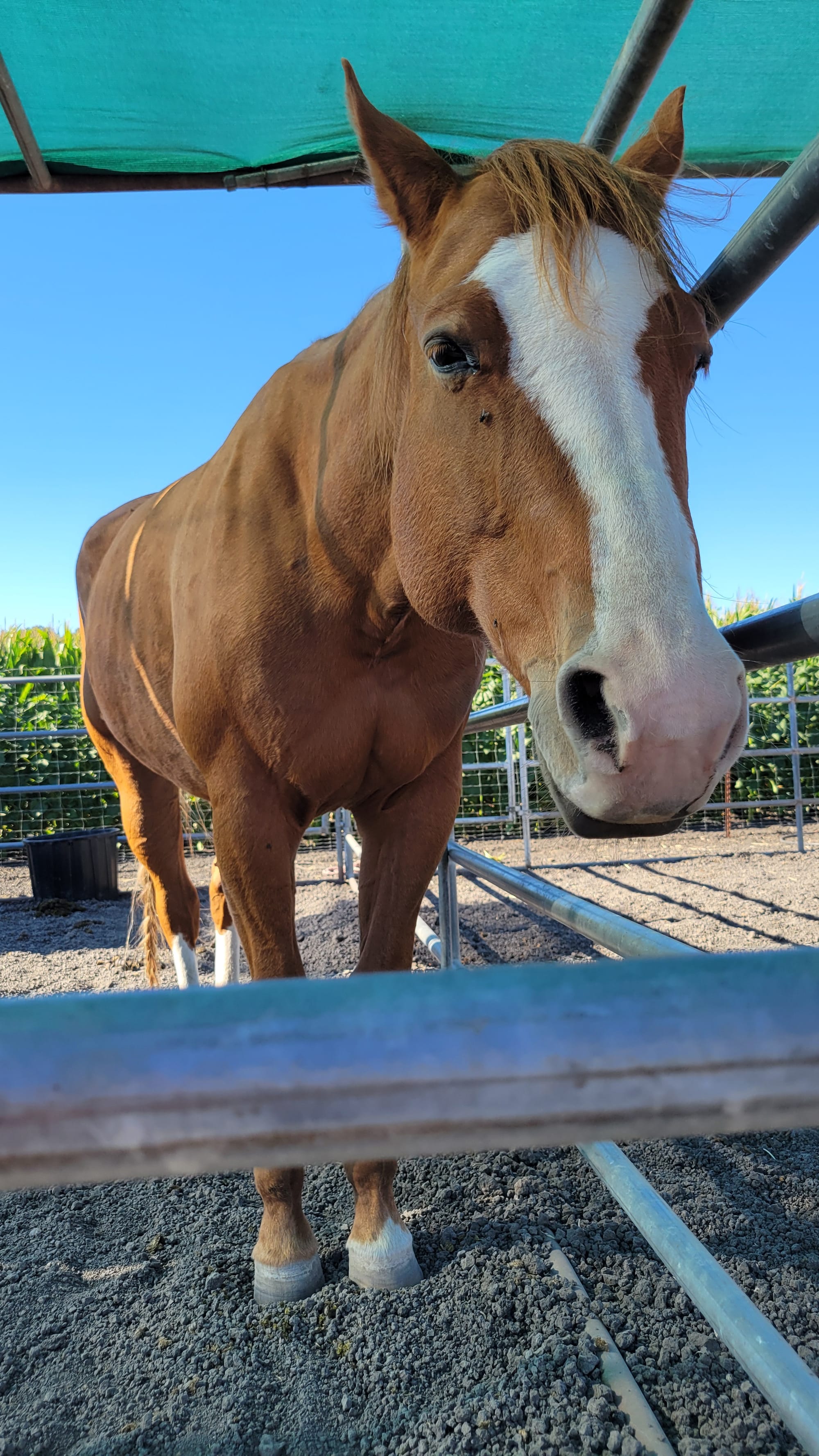
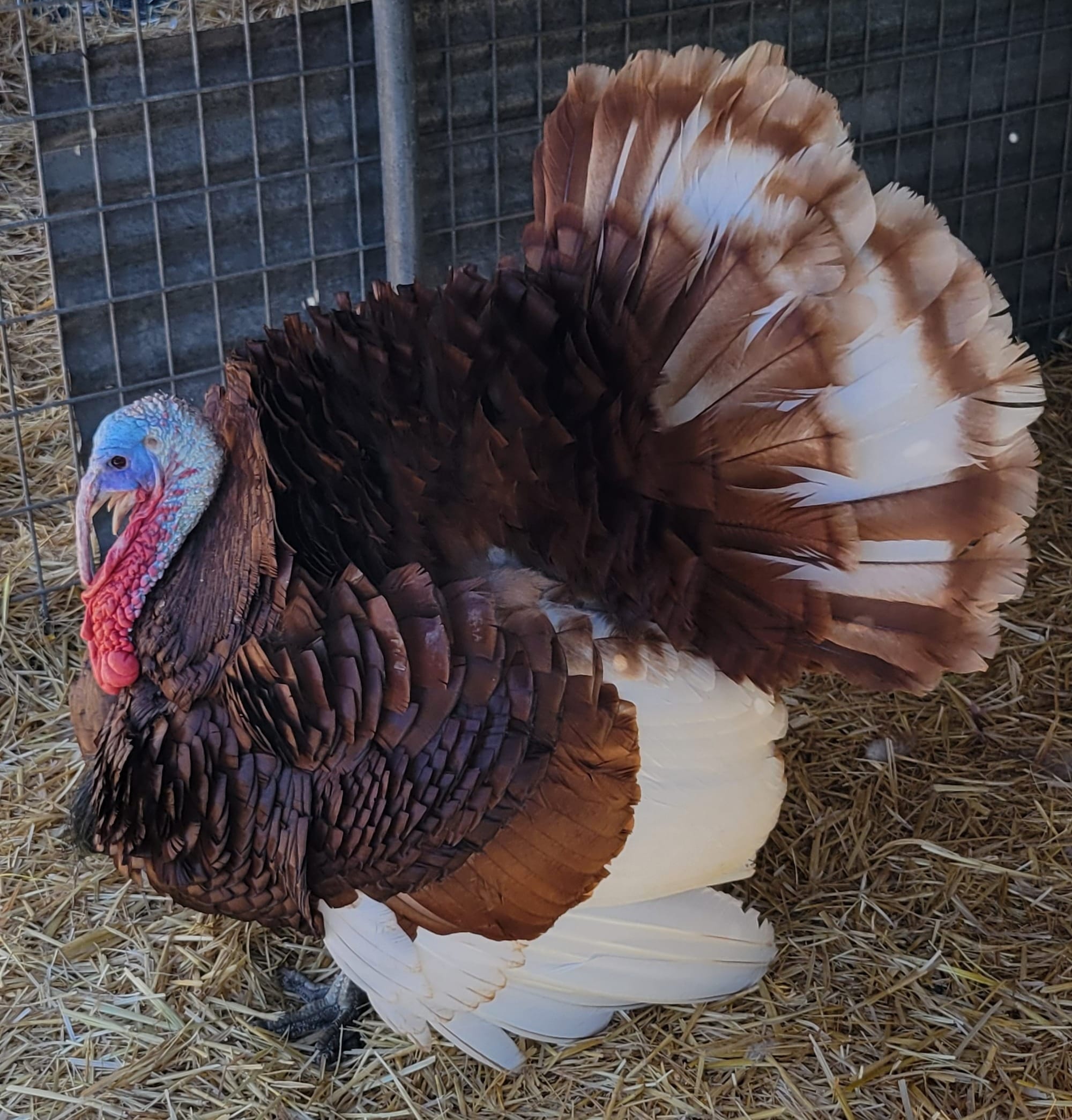
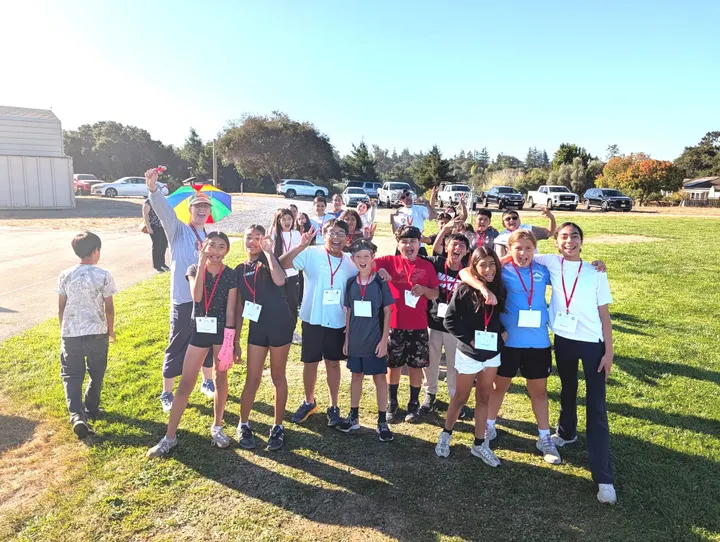
We have school groups that come, and we have some information that we send home with teachers about agriculture. We also have one staff member stay with the group, and they’ll talk about the lifecycle of a pumpkin, they talk about the animals and give some information about them. I just think that’s real, real important.
It’s always growing, and we’re trying to add something all the time to keep people wanting to go back.
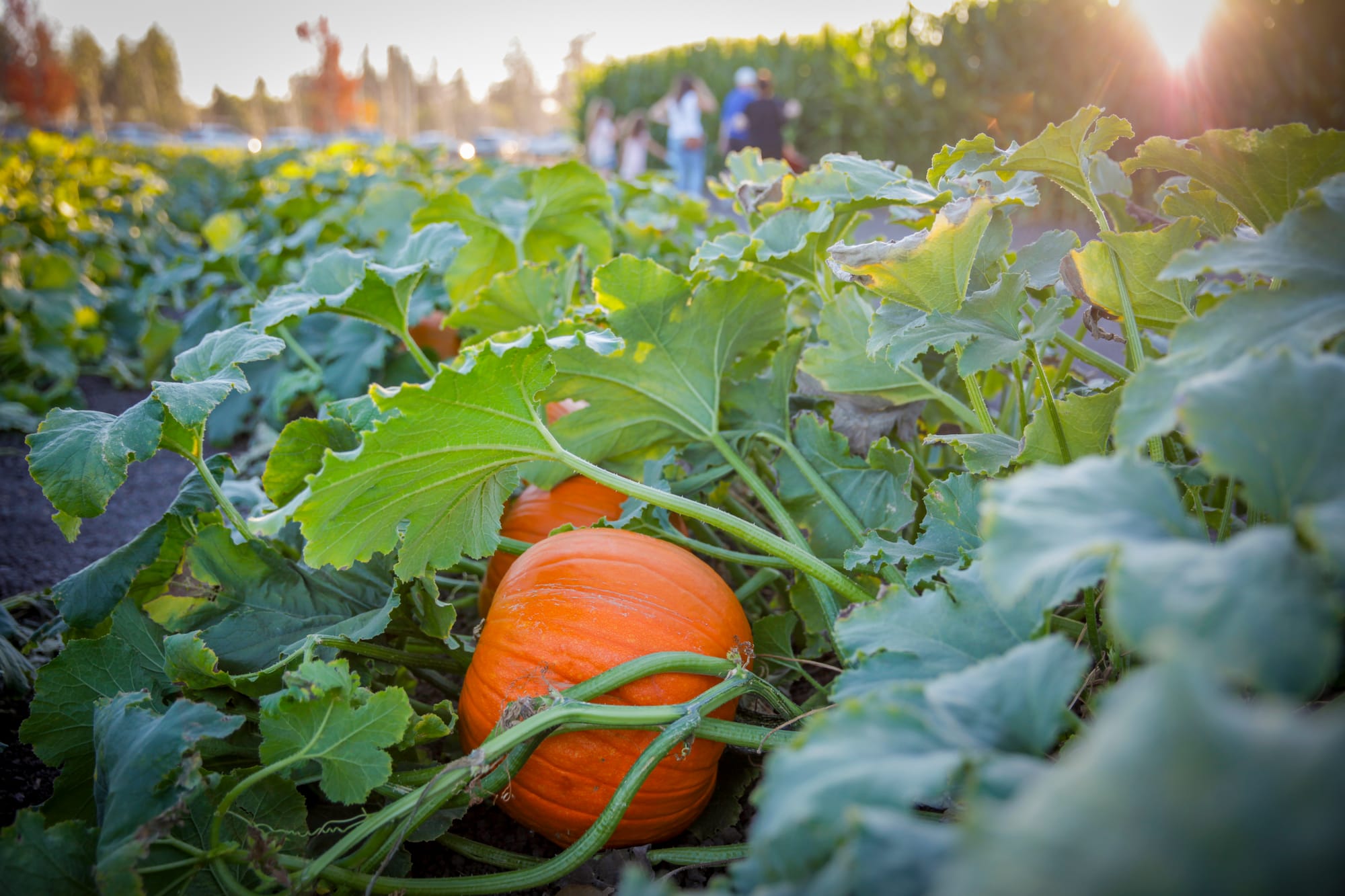
As far as wholesale goes, I used to grow a tremendous amount of pumpkins, mainly for other pumpkin patches – all the way to Livermore, Marin County. I supplied other pumpkin patches. But the past few years I’ve just concentrated on taking care of myself.
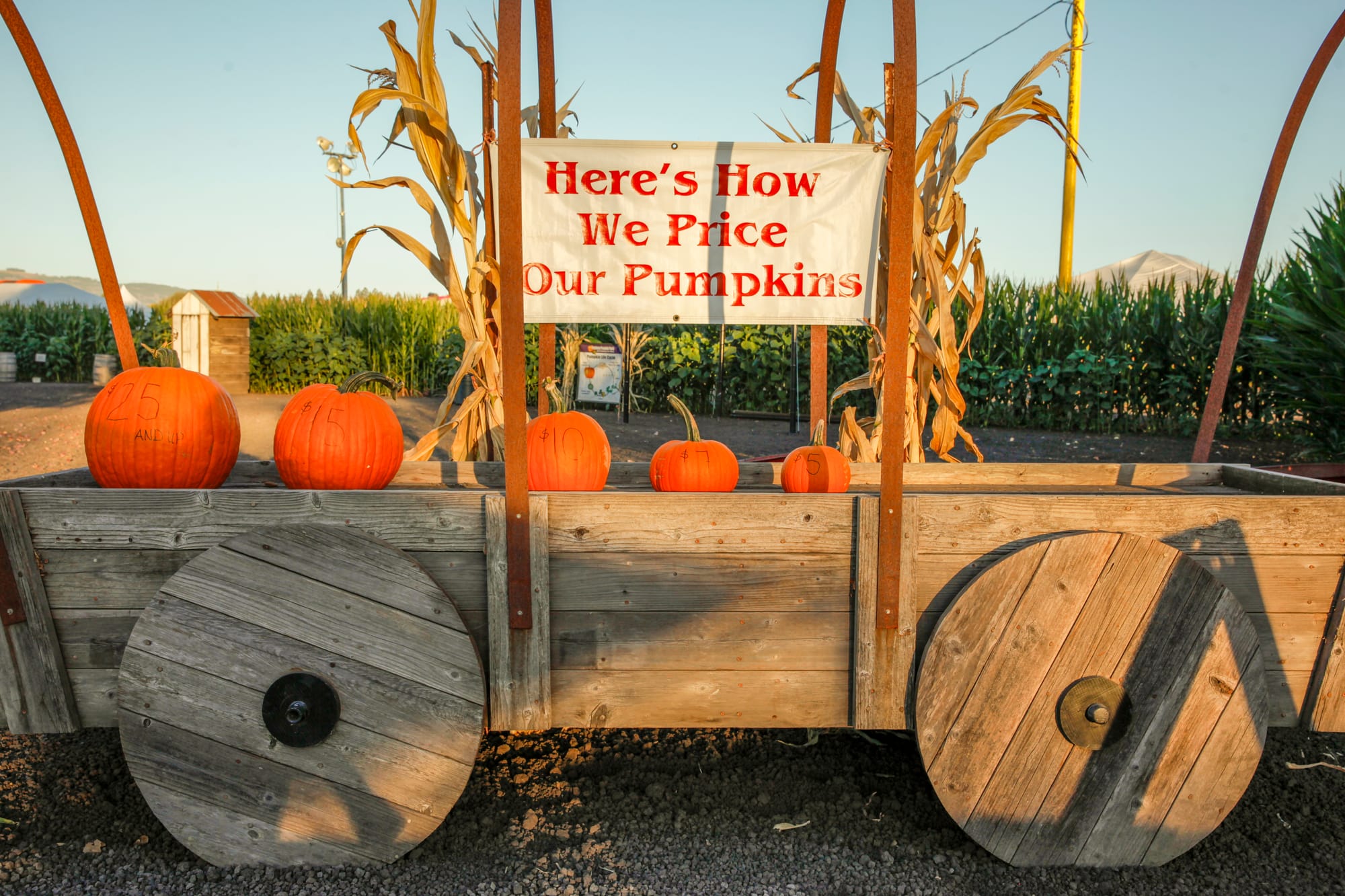
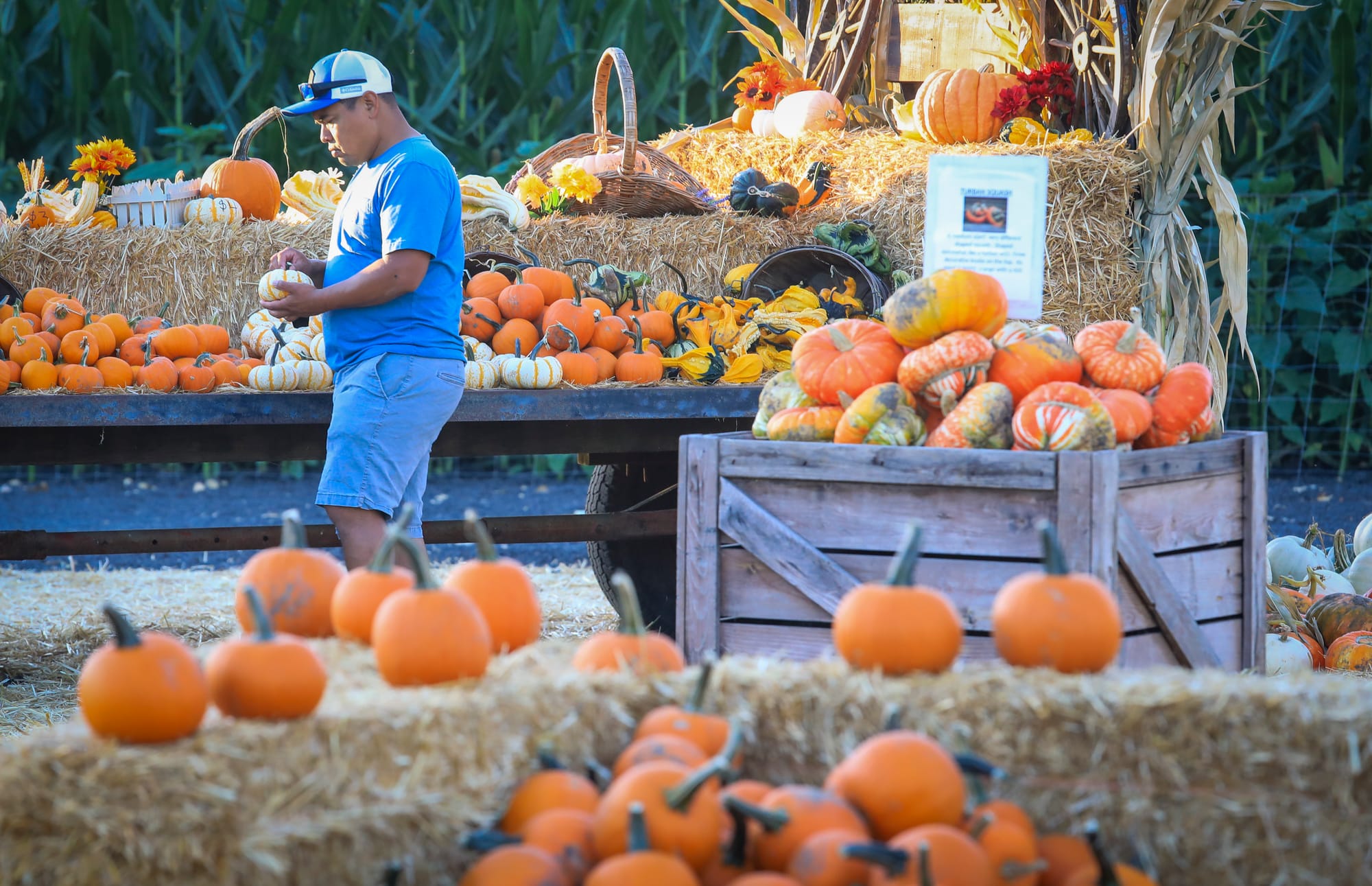
Everything that’s there, I grow. We start purchasing seed in February, do soil samples in March and April, and we usually start planting in June.
And what about the maze – how has that evolved over the years?
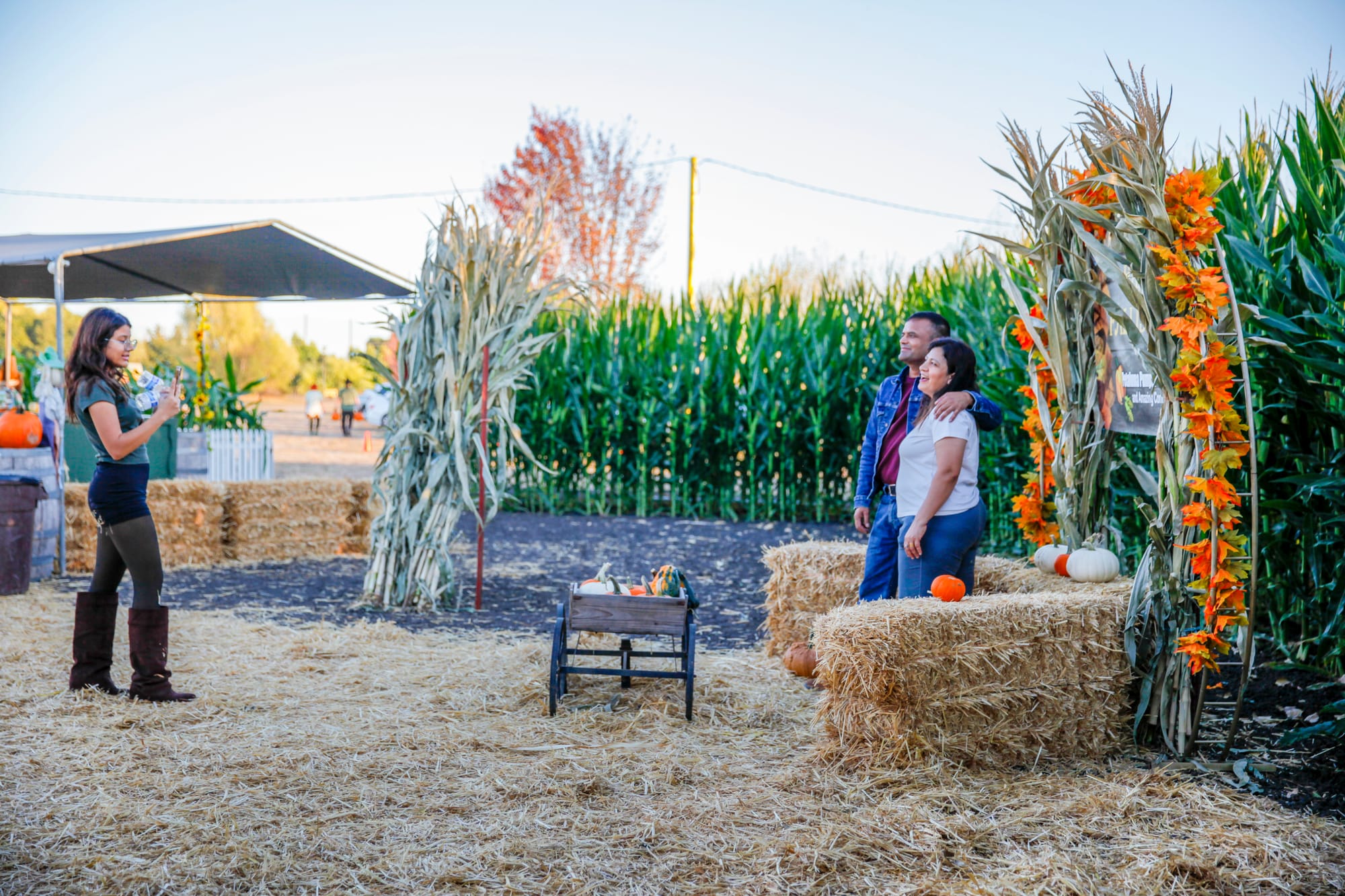
That started a couple years after we opened. It’s gotten about as big as I can make it. I’m kind of landlocked. I can’t make it any bigger, because there are houses on two sides and roads on two sides. That’s the one thing, I wish I had more elbow room.
I originally started a little corn maze over in Sonoma. I also had a pumpkin patch over there for five years at the same time that I was running this one. I’d grow my ornamental corn over there, and then once we picked the ornamental corn, I'd make paths through the corn and people had a lot of fun.
So then I go, well, maybe make this a little bit bigger. We started doing aerial photographs on postcards, and that’s a little cheat sheet that people can get if they want. And that’s evolved over time. Originally, we used to go up in an airplane and take aerial photos from there. Then we’d go up and take pictures from an ultralight aircraft. Now you just send a little drone up to take pictures.
Walk us through the process of actually making the maze.
About three weeks after I plant it, I get in there with a shovel. It takes about four full days with just a shovel and an idea in my head, and I make the paths.
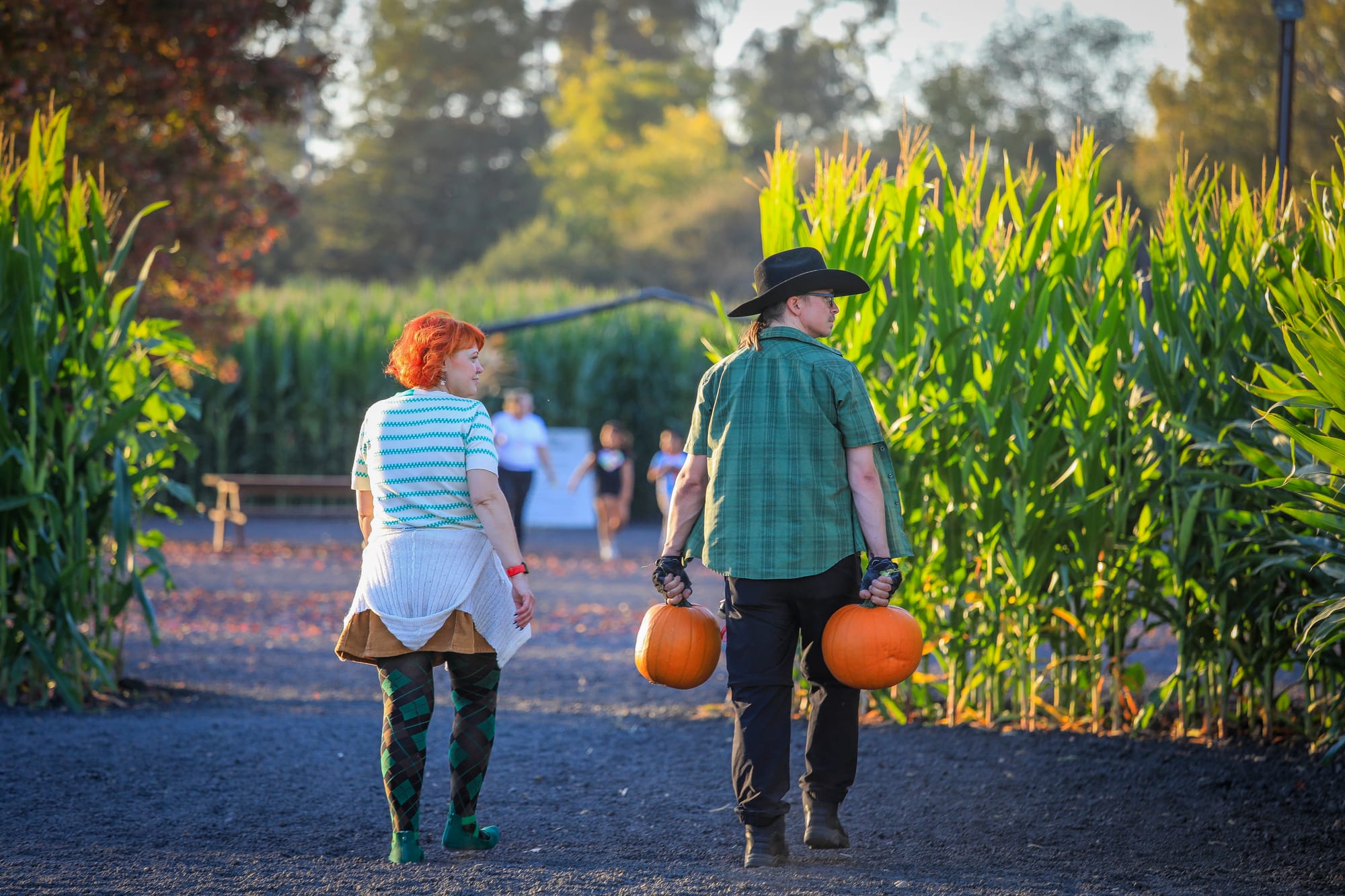
Everything is in my head. I have an idea how I want it to look. There's one way in and one way out. And I have it set up so you have to end up going into all four corners of the maze, and there's two elevated platforms where you can climb up and look out over the corn. You have to go past each one of those. And then there are what I call four hubs, where you follow a path into an area where there's a total of six paths – five other paths leading out of that. There's four of those, and you have to go through each one of those four in order to successfully complete the maze.
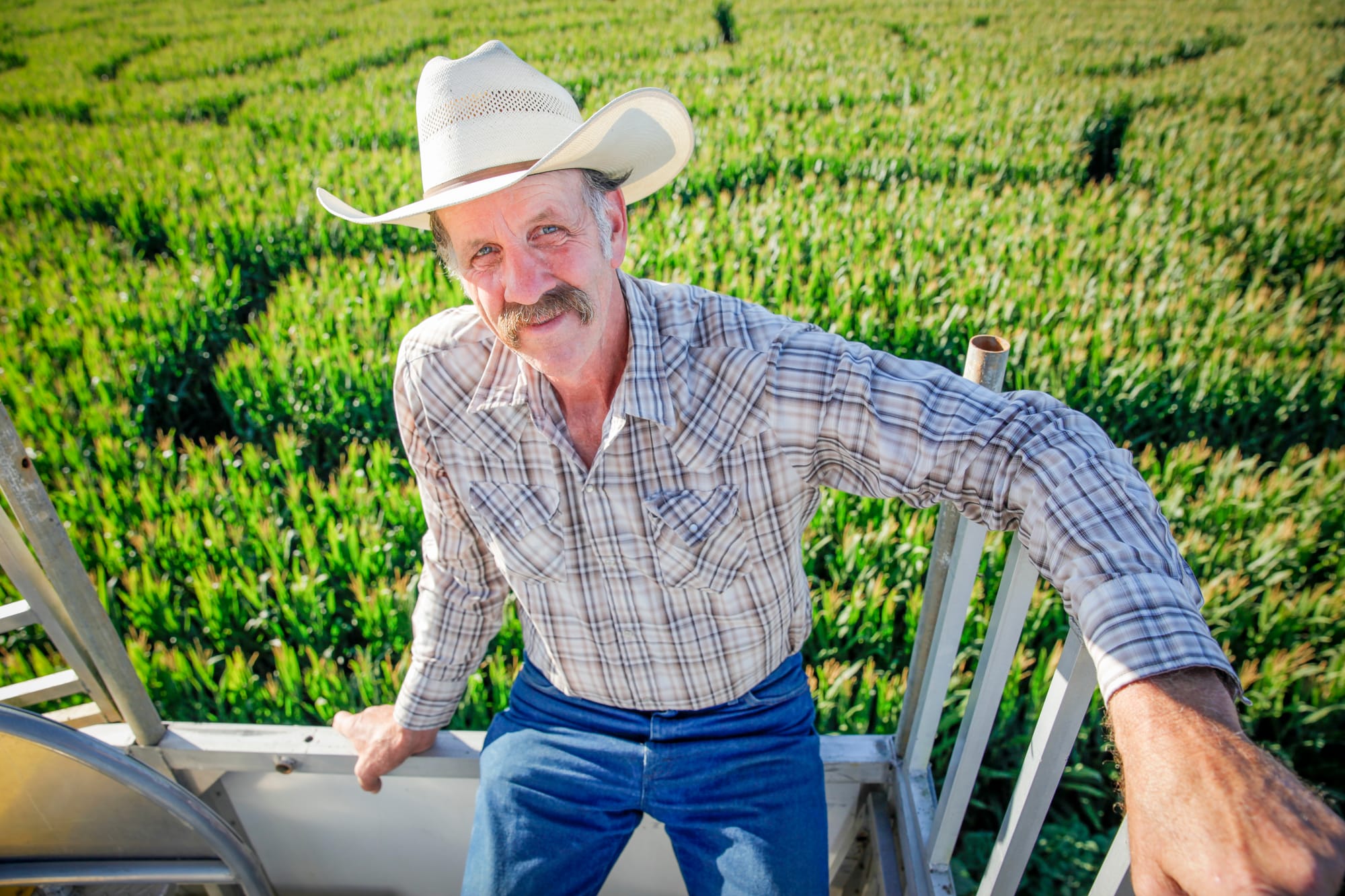
That’s the basic structure I’m working with. I change it up. There’s no way I could duplicate it. So that way, every year’s a different challenge.
It’s not written down anywhere. I just do one part of it at a time. I try and leave 15 feet between paths; that way people can’t look through easily or break the corn down and make a new path. It’s worked out really well.
It takes me plus one other person four to five full days. My goal is to be completed by the first of August. And then the corn really starts to grow.
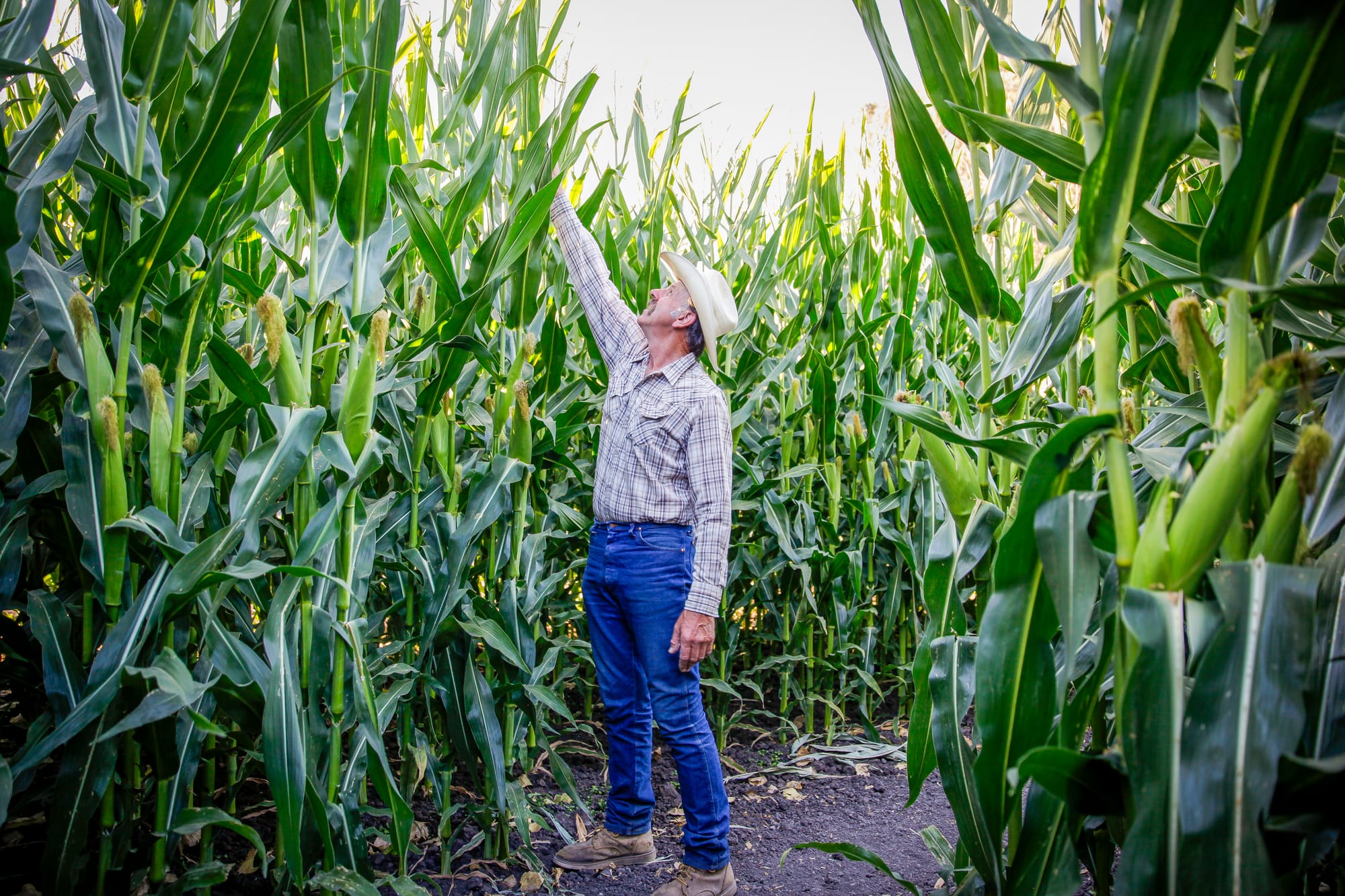
All the paths have to be leveled before everybody comes in. All the leaves from the corn have to be pressed down. That way, nobody gets scratched by the leaves or gets hit in the face. It’s constant work. And it’s all on drip irrigation.
Afterward, the corn goes to feed our cattle, and the leftover pumpkins, too.
What’s something that people who know you through the pumpkin patch may not know about you?
This goes for a lot of other people that farm and ranch. It’s what you do, and it's who you are. You enjoy the farming, you enjoy the ranching, and for me, it's not work, because I love what I'm doing. It's just something you do. I don't know how else to say it. It's part of who you are.
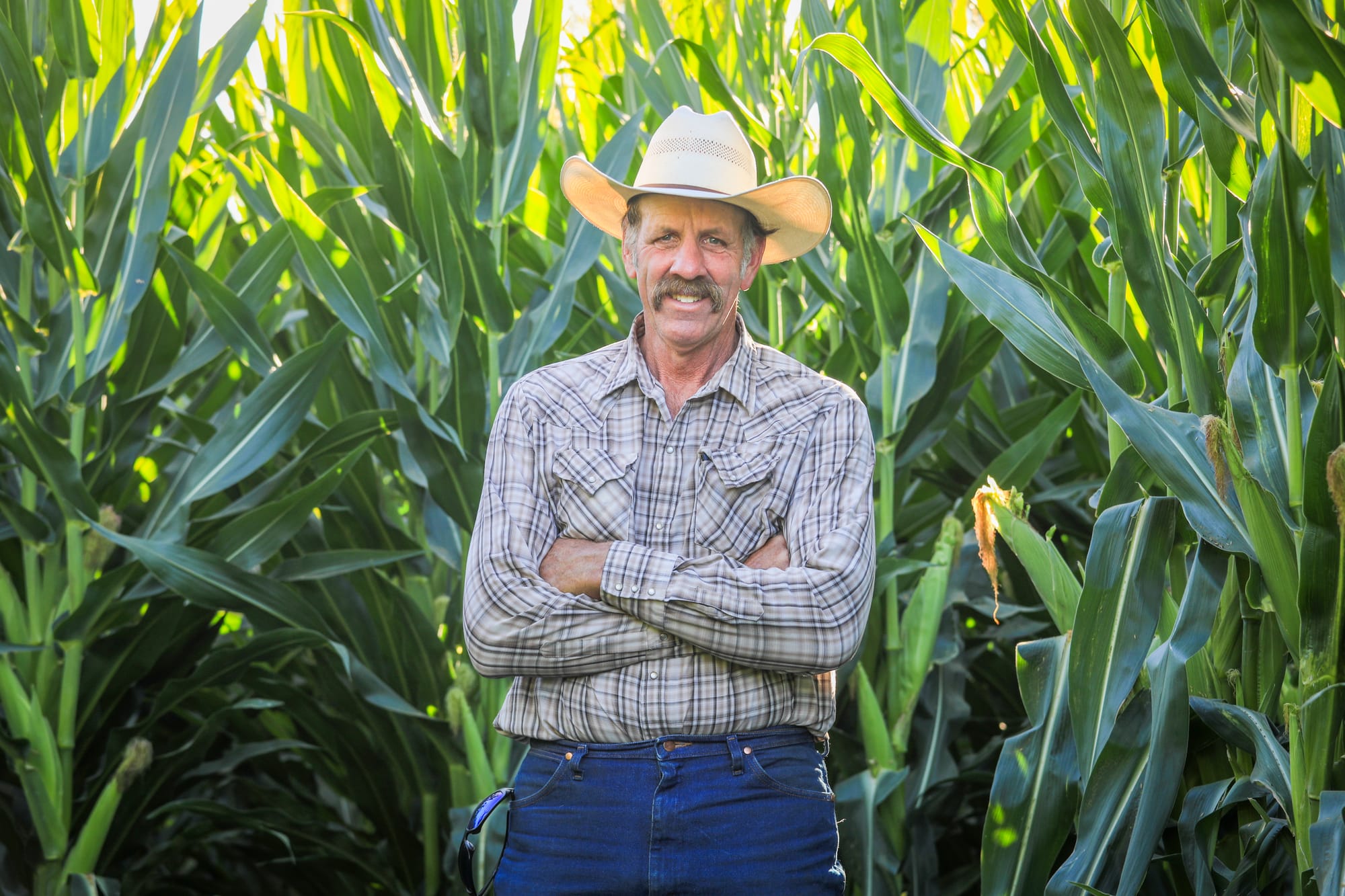
I grew up on a small sheep and cattle ranch. My dad was a veterinarian. My brother and sisters were all in 4H. I was in FFA. We showed animals at the fair. When I was in 7th grade, I had my own milk cow I’d milk twice a day. I had calves that I fed milk to. We made cheese and milk for the house. It’s just what you do. It’s just part of who you are.
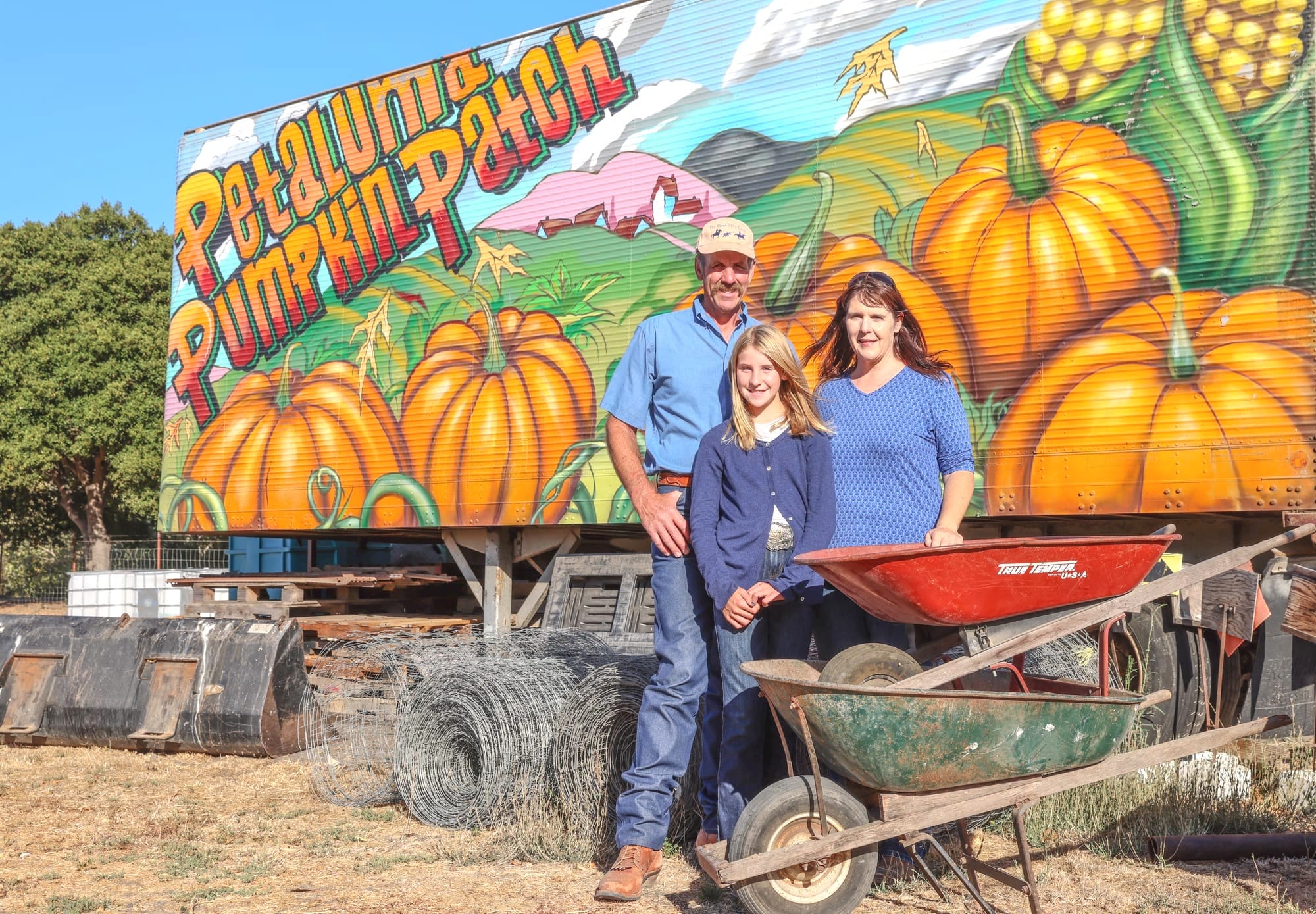
Today we run beef cattle, and we do hay. Right now, we’re trying to finish up calving our cows. We had three calves yesterday, so we’re checking on them. My daughter shows cattle, and my wife shows horses. So we also go to horse shows and cattle shows throughout the nation.
And then working on the equipment. We have a fair number of tractors, and they’re always breaking down, or you need to maintain them. It never slows down around here.
This conversation has been lightly edited for clarity and readability.
Nate Seltenrich is an editor and reporter at Petaluma Voice. He can be reached at nseltenrich@petalumavoice.org.
Do you like our work? Support us with a tip.