City Leaders Seek to Attract and Retain Businesses, Including Hotels
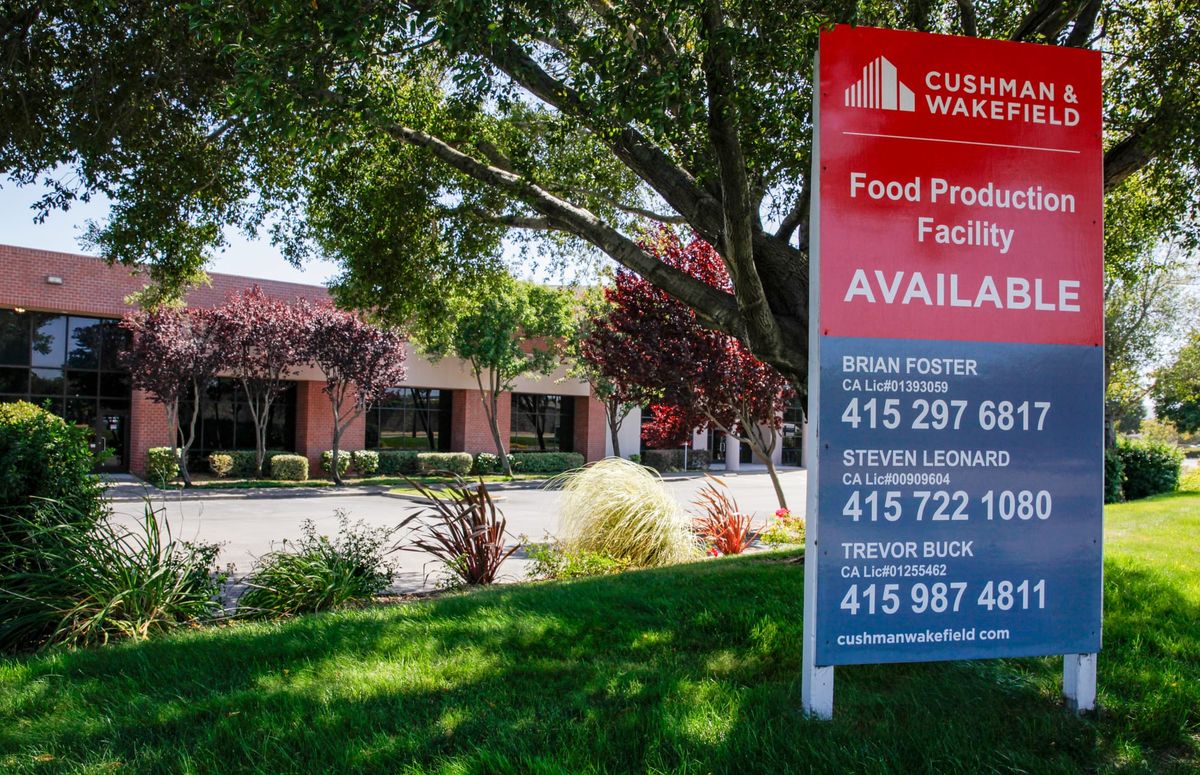
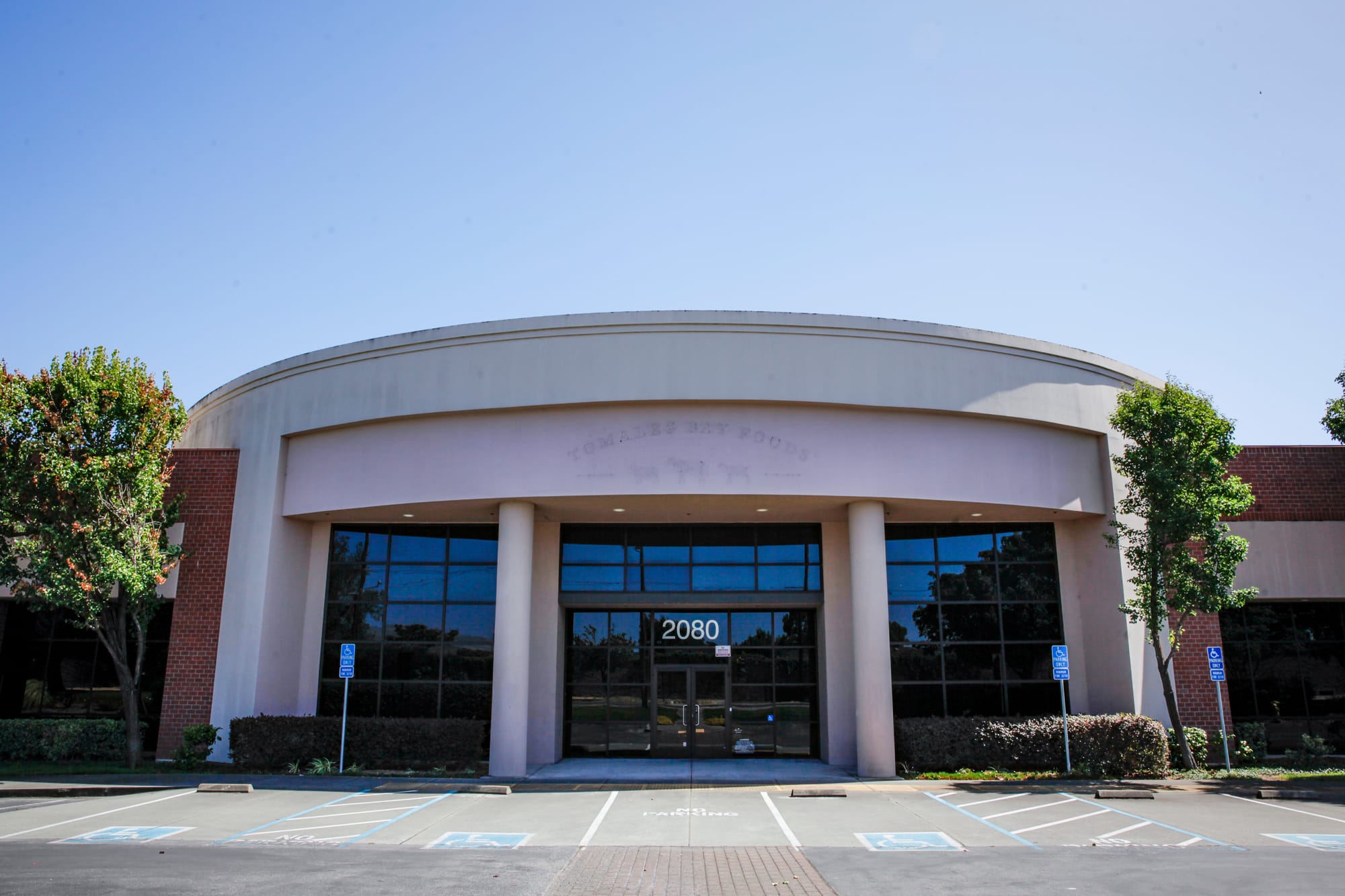
Mindful of vacant storefronts, dipping sales tax revenues, and frustration among business owners about the city’s permitting process, city leaders are working on several ways to attract and retain businesses in Petaluma.
Staff from the Economic Development Division within the Community Development Department presented a number of such strategies in a comprehensive “Economic Development Work Plan” at the June 15 City Council meeting.
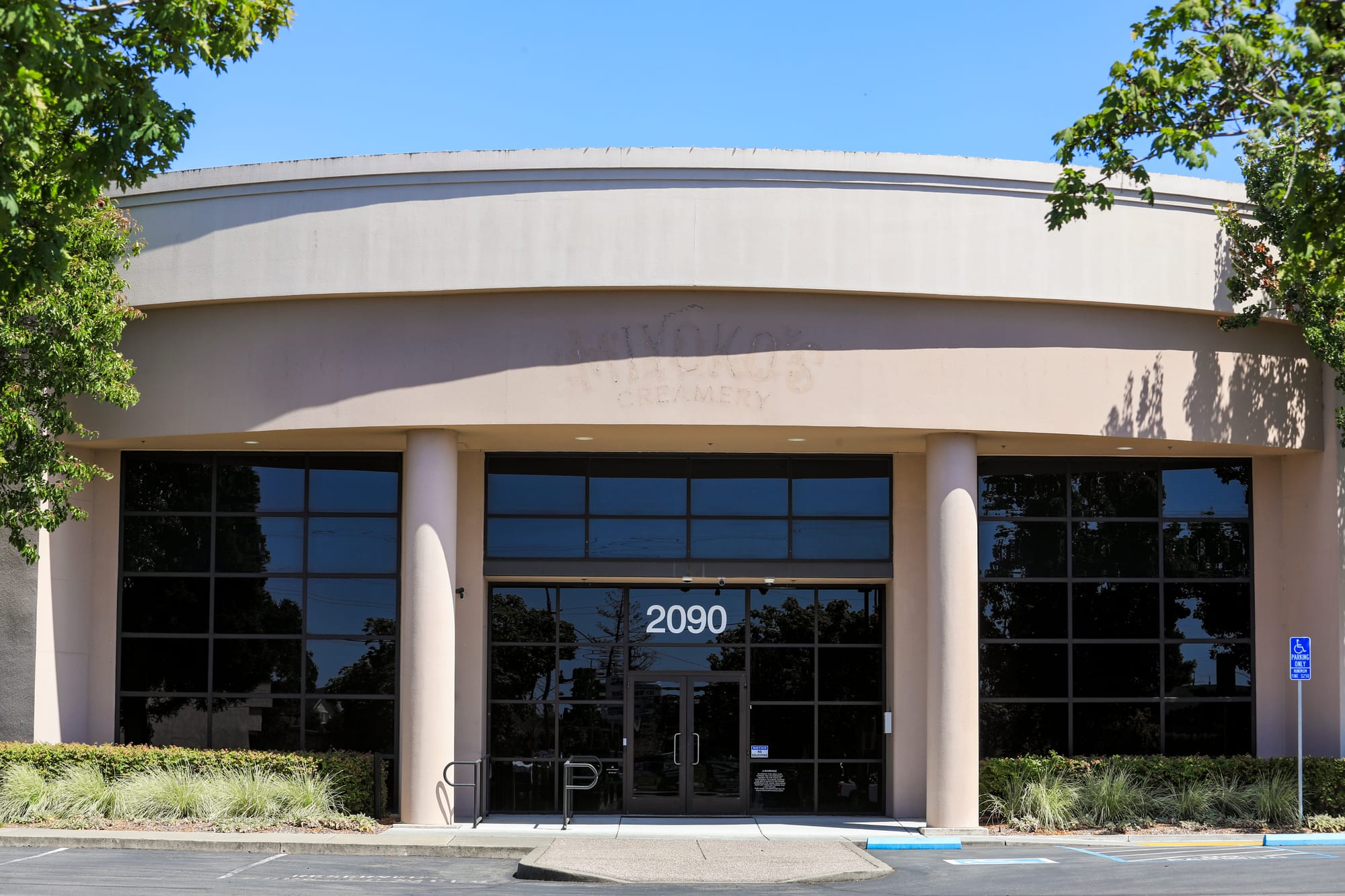
The plan outlines four main priorities: retain and grow businesses; strengthen manufacturing and food and beverage production; reduce barriers to investment with a streamlined permitting process; and “advance priority development opportunities” – or, in other words, create more incentives to fill vacant sites and boost development, including by building more hotels.
Some specific strategies proposed in the report include improving data tracking on permits, outreach, and recurring issues; offering ongoing business office hours; and reviewing the zoning code to support manufacturing and food production.
The city also has plans to establish a public dashboard by fall 2026 to share the city’s financial metrics on an ongoing basis, including sales tax revenues, permit timelines, and more.
Additionally, the plan calls for improved city communications, outreach, and coordination with business interest groups, property owners, and entrepreneurs.
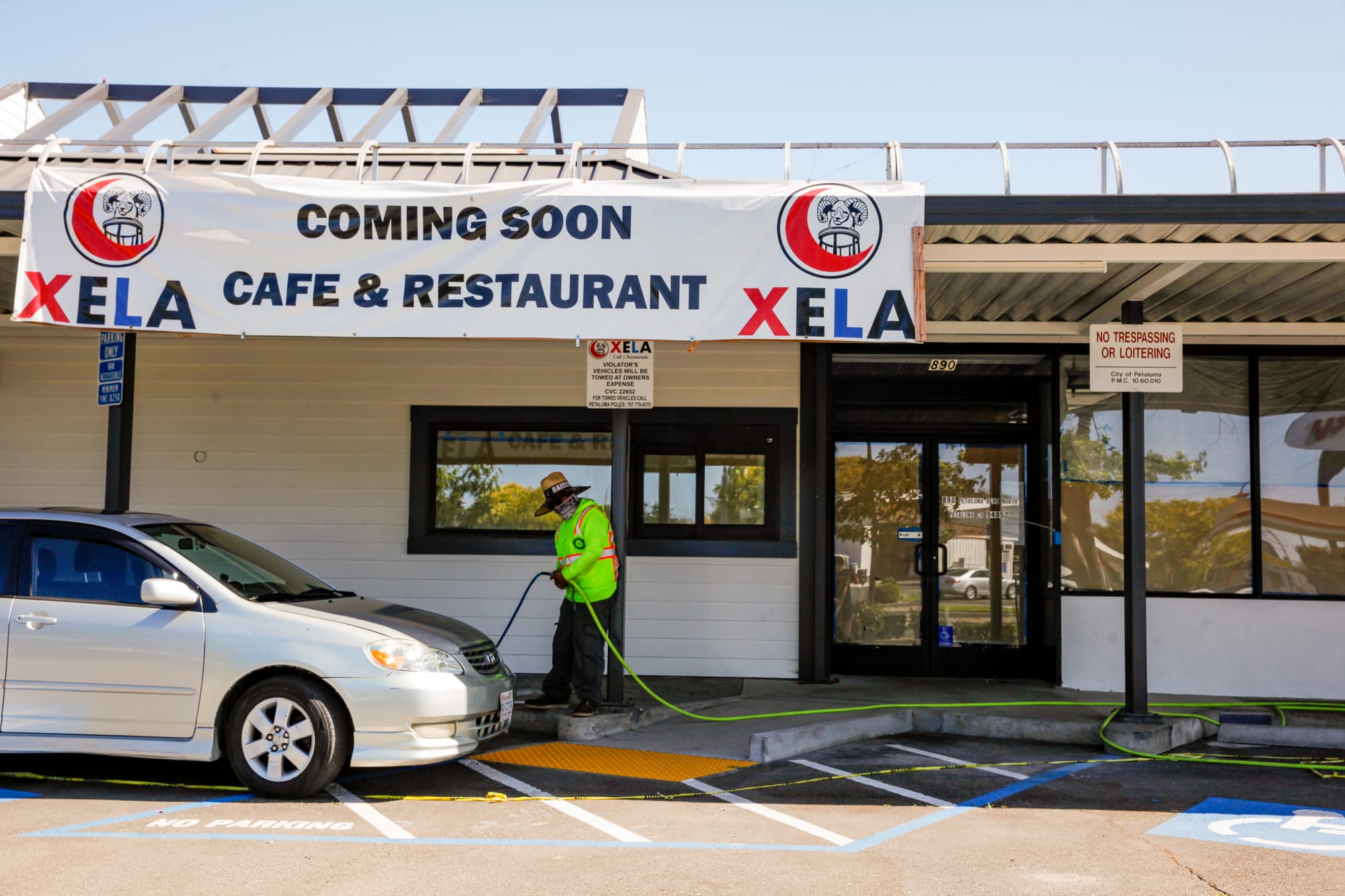


Petaluma’s sales tax revenues dipped from a high of $17.7 million in 2021-22 to $15.6 million in 2024-25, said Katherine Dipasqua, economic development manager, during the council presentation.
According to the presentation, just one in five jobs in Petaluma are held by a Petaluma resident. Housing costs are relatively high in Petaluma, causing most workers to commute from outside the city.
Retaining more local jobs could contribute to the local economy and boost local spending, said Dipasqua, one of two people in the department working on this plan. “There’s a real opportunity to connect our jobs here with the people who live here.”
The Petaluma City Council didn’t make a decisive vote on the plan, but, overall, expressed approval with the effort. The feedback they shared that night would go toward further refining the plan.
Also included in the plan is an attempt to incentivize new hotels in Petaluma, which drew some questions from a few council members – especially in regard to a potential revenue-sharing strategy tied to Transient Occupancy Tax revenues, a 10% tax added to the cost of stays at hotels, lodging, and camping within city limits.
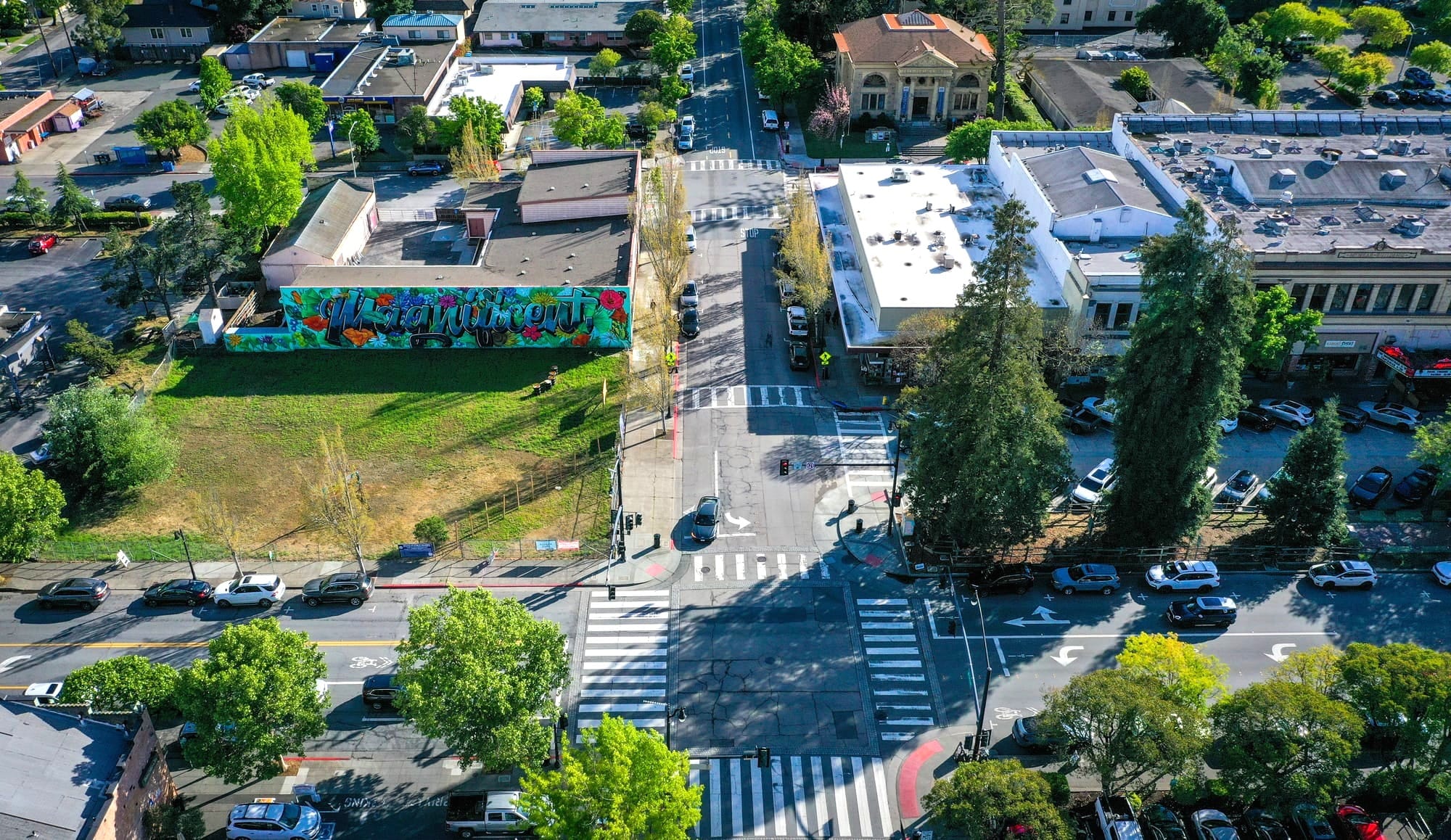
Councilmember Alex DeCarli was skeptical about the idea, and asked for more clarity on what those numbers would look like. With such an agreement, the city could give a rebate on Transient Occupancy Tax revenues after reaching a given baseline, as is done in the South Bay city of Morgan Hill, an example cited in the plan.
City staff also proposed creating a hotel incentive program “modeled on peer city programs and adapted to Petaluma's market,” according to the workplan. The city plans to hire a consultant to analyze the total rebates that the city could offer developers to support hotel development, while addressing the city’s needs, according to the workplan.
Councilmember Frank Quint said he appreciated the efforts to improve the city’s permitting process in particular, but added, “Honestly, I believe it requires some teeth,” He noted that unless there is some sort of accountability on timing, then “it’s going to be a constant battle.”
Similarly, Councilmember Brian Barnacle said he wanted to see improvements to the permitting process. He also called for improved communications, pointing to flashier social media messaging that involves the city council that could clarify the complexities tied to public funds, such as how property taxes fund schools. In a similar vein, Councilmember Nau asked for improved advertising of empty warehouses to diminish vacancies.
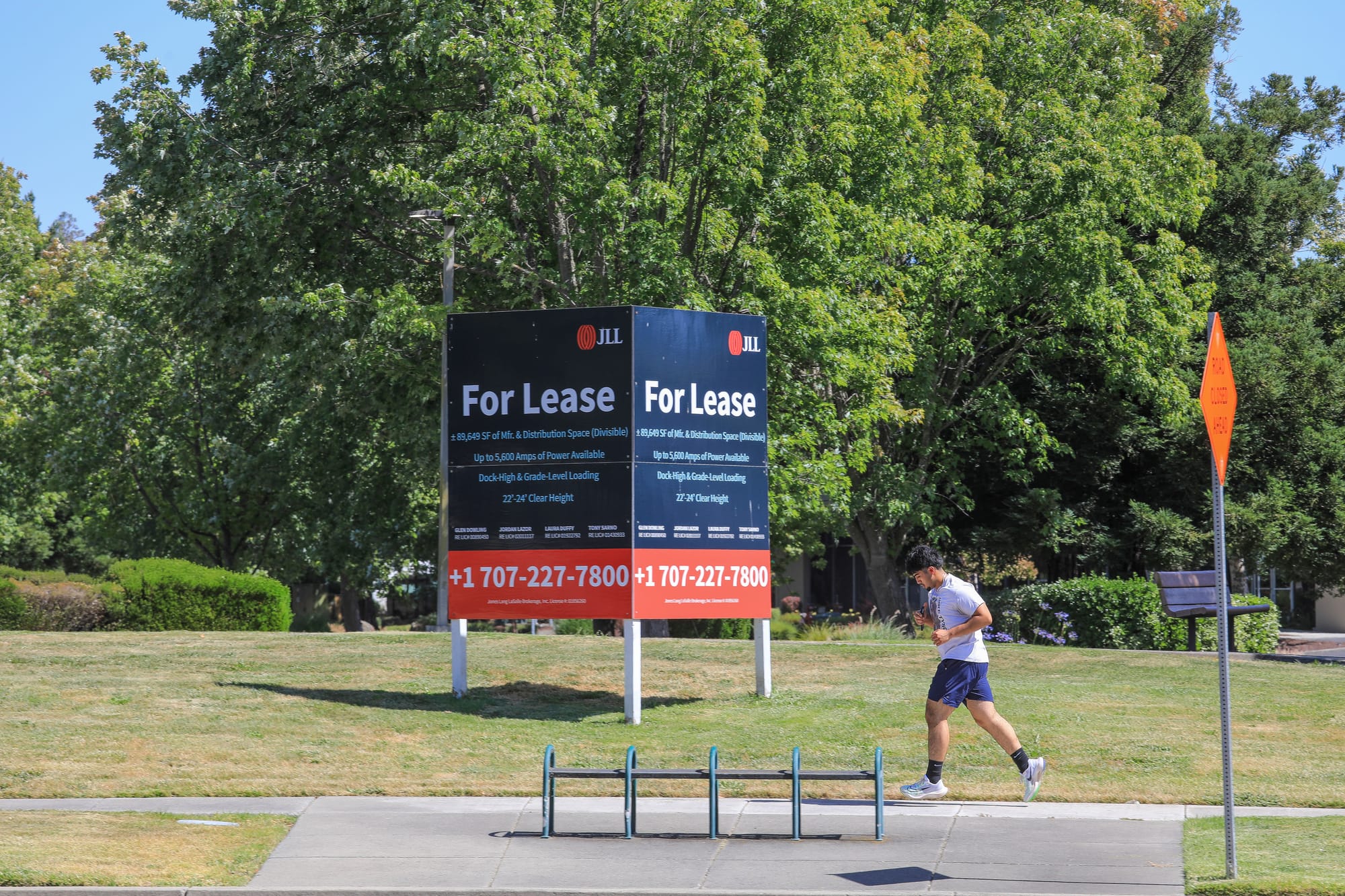
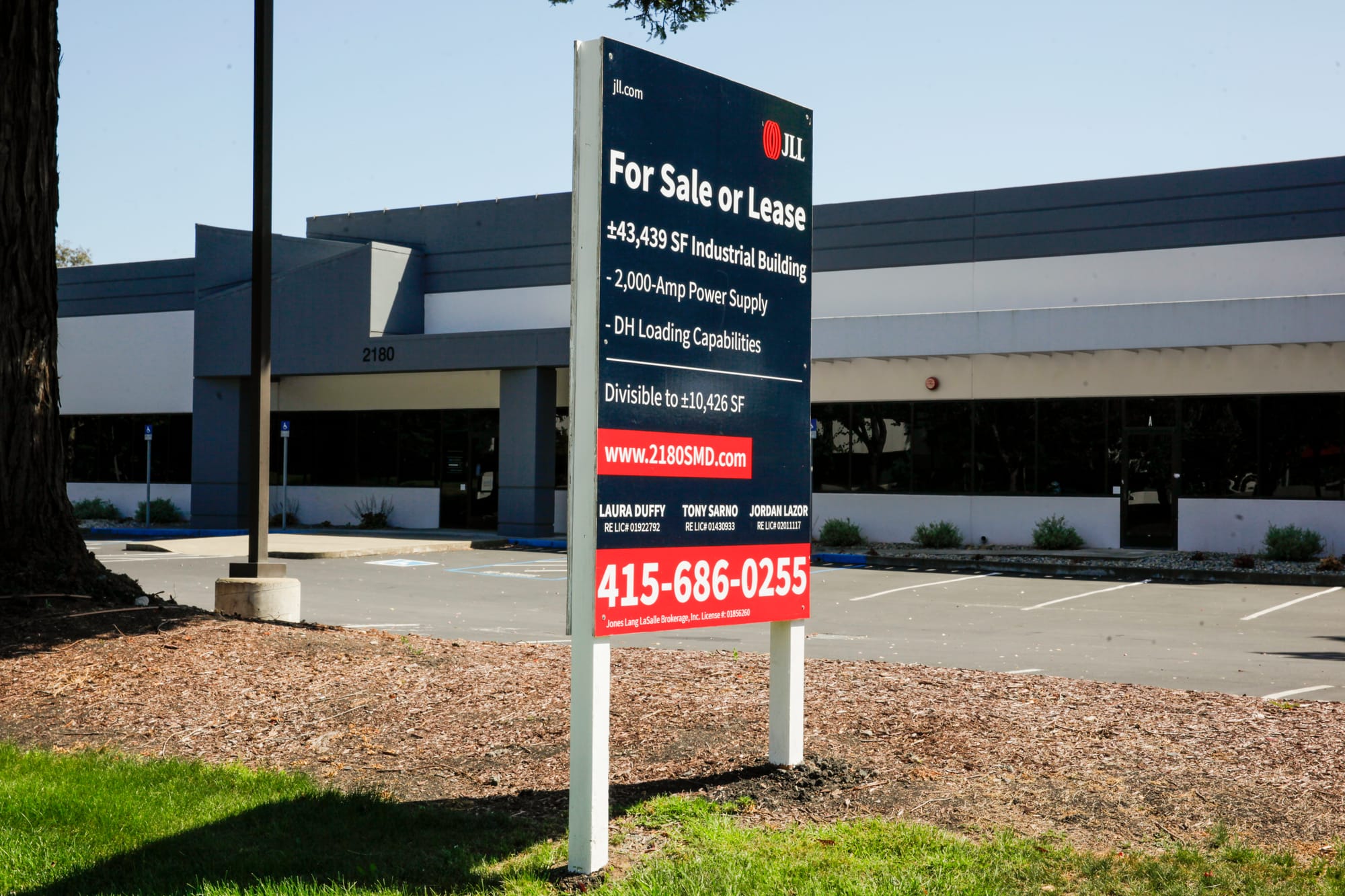
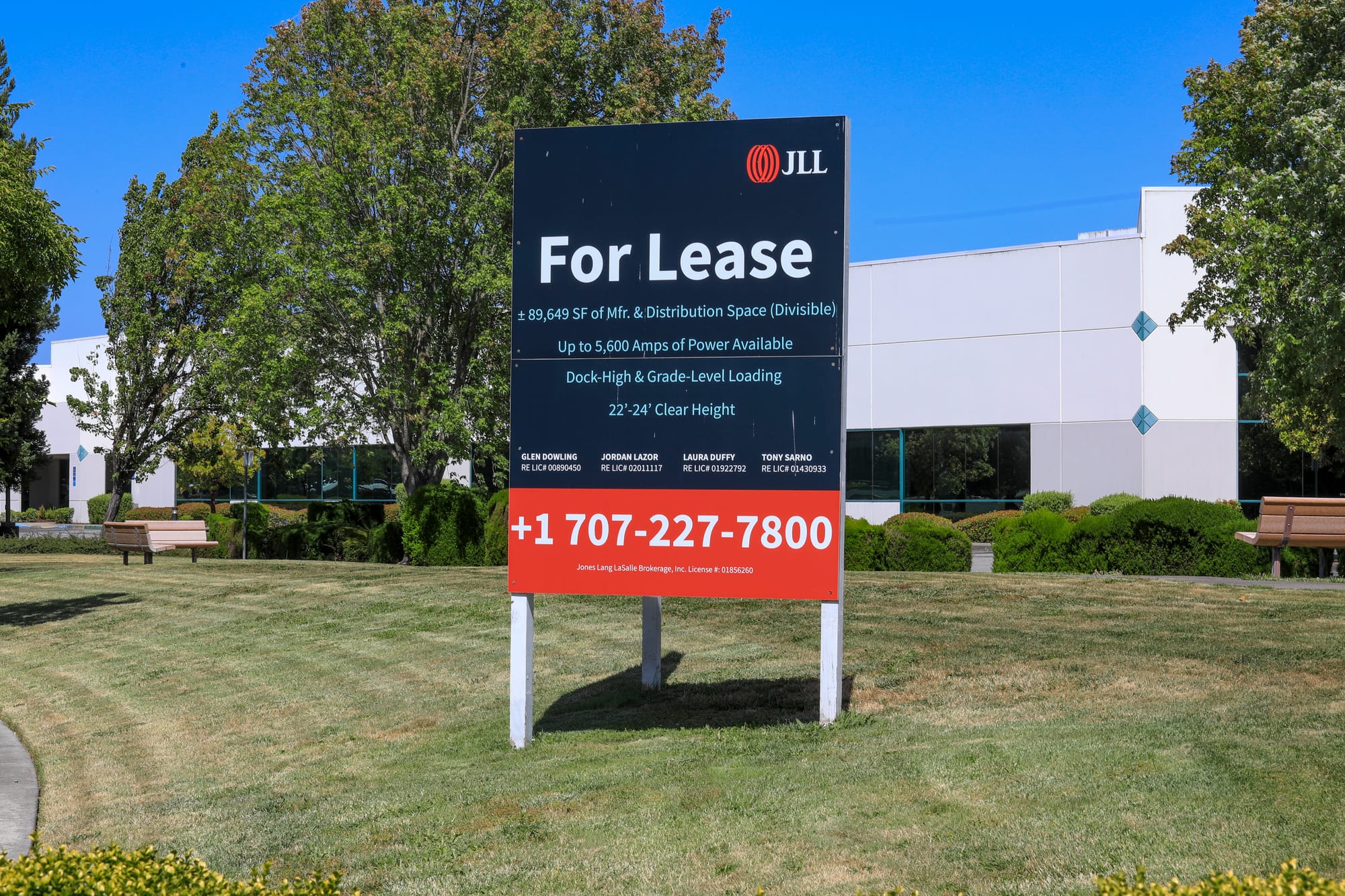
Speakers from various business interests, including the Petaluma Area Chamber of Commerce and the Petaluma Downtown Association, supported the workplan. They lauded it as a step forward to improve the city’s financial well-being, while reminding the city leaders of other priorities and concerns like keeping up with the city’s climate goals, requesting updates to fiscal analyses and cost verifications, and providing incentives to existing businesses.
Representing a group of 10 hoteliers in the Petaluma Lodging Association, Marie McCusker, executive director of the Petaluma Downtown Association, asked that while city leaders look to attract new businesses, they be mindful of existing businesses and hotels that have long invested in the community.
“We need to encourage our local hoteliers or incentivize them also,” she said.