Voices: My Experience With Medical Aid in Dying
"Voices" is our column for community contributions, where guest authors share their expertise or unique perspective on life in Petaluma. If you would like to contribute, please email news@petalumavoice.org.
In 2015, I worked hard to get the End of Life Option Act passed in California. I had been in favor of such a law permitting medical aid in dying (MAID) since my time in medical school. Governor Jerry Brown signed the act into law that October, and it went into effect the following June – meaning last month marked its ten-year anniversary.
In 2018, my wife, Donna Norquist, and I went to Rancho Nicasio to listen to music and dance. After our first dance, Donna said that she didn’t think she could dance anymore, because she constantly felt like she was about to fall on her face.
I believe that this represented the onset of the disease that eventually led to her death, progressive supranuclear palsy. Not long after this event, Donna began sitting in on MAID deaths as a volunteer, supporting patients that needed a buddy.
Years later, in mid-July of 2025, she had a horrible fall on her face into the concrete floor of our garage. She was unconscious for five minutes and admitted to the hospital’s intensive care unit for a week.
As Donna’s disease progressed to poor balance with frequent falls, mild dementia, and near blindness due to eye muscle weakness, and as she needed increasing help at home, we acceded to a friend’s request to visit an assisted living/memory care facility.
During our tour, we were overwhelmed by the lack of happiness and fun. The following day, Donna began to speak more seriously of utilizing MAID. She requested a referral from her primary care provider, who reluctantly agreed to send one.
As we were not sure she would even be eligible for the California program, I began to investigate MAID in Canada, where all of Donna’s living relatives remain. (It is clear that Canada’s law is more accessible than California’s.)
Donna had phone appointments with the chief of Kaiser Permanente’s MAID group, and we were both impressed by this physician's emphasis on “what is right” over the letter of the law!
Within a couple weeks, Donna was deemed eligible for MAID, and we turned our attention to preparing for her ending. Among other things, we committed to staying in bed an extra hour each morning, just to hold each other.
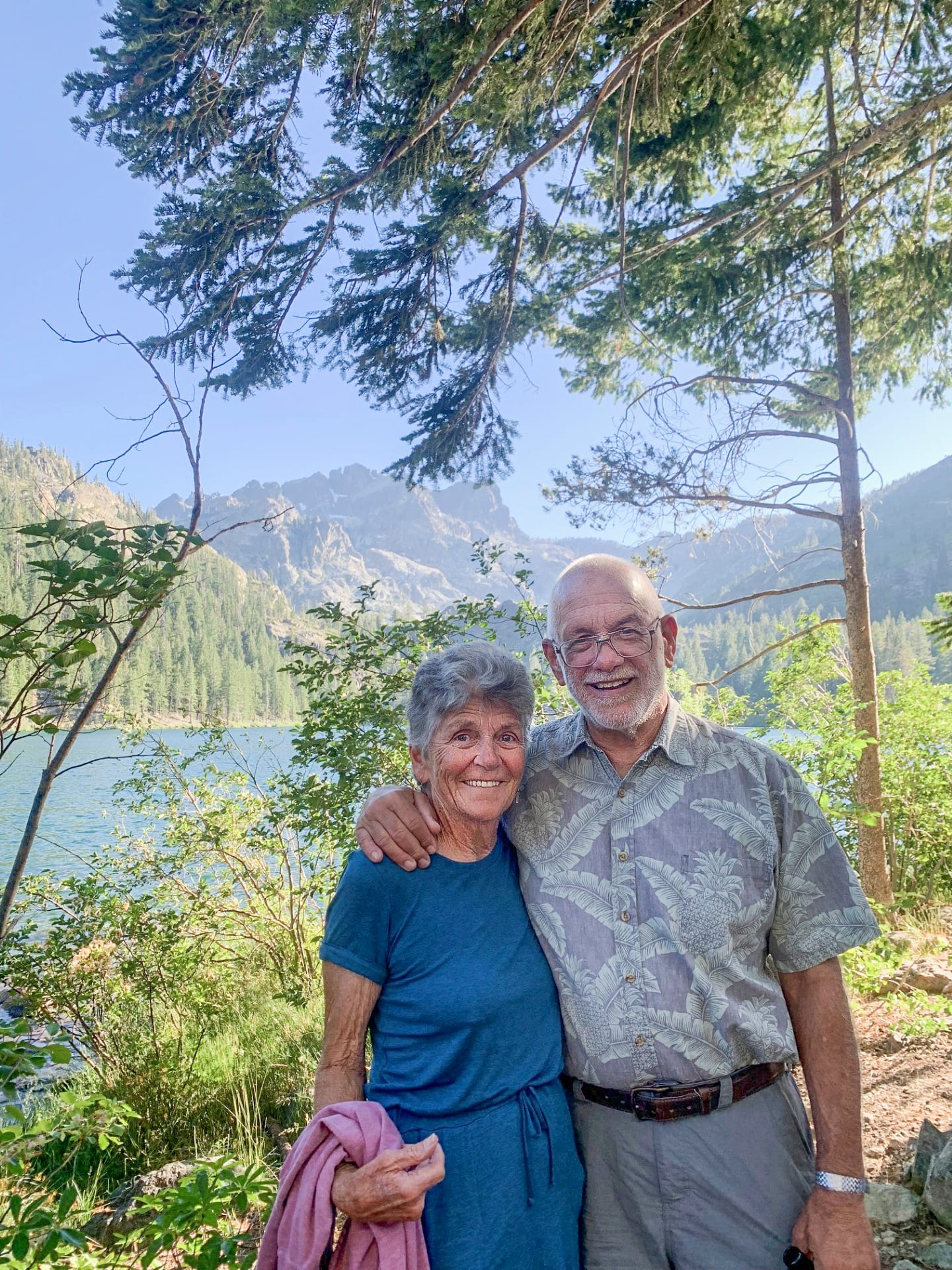
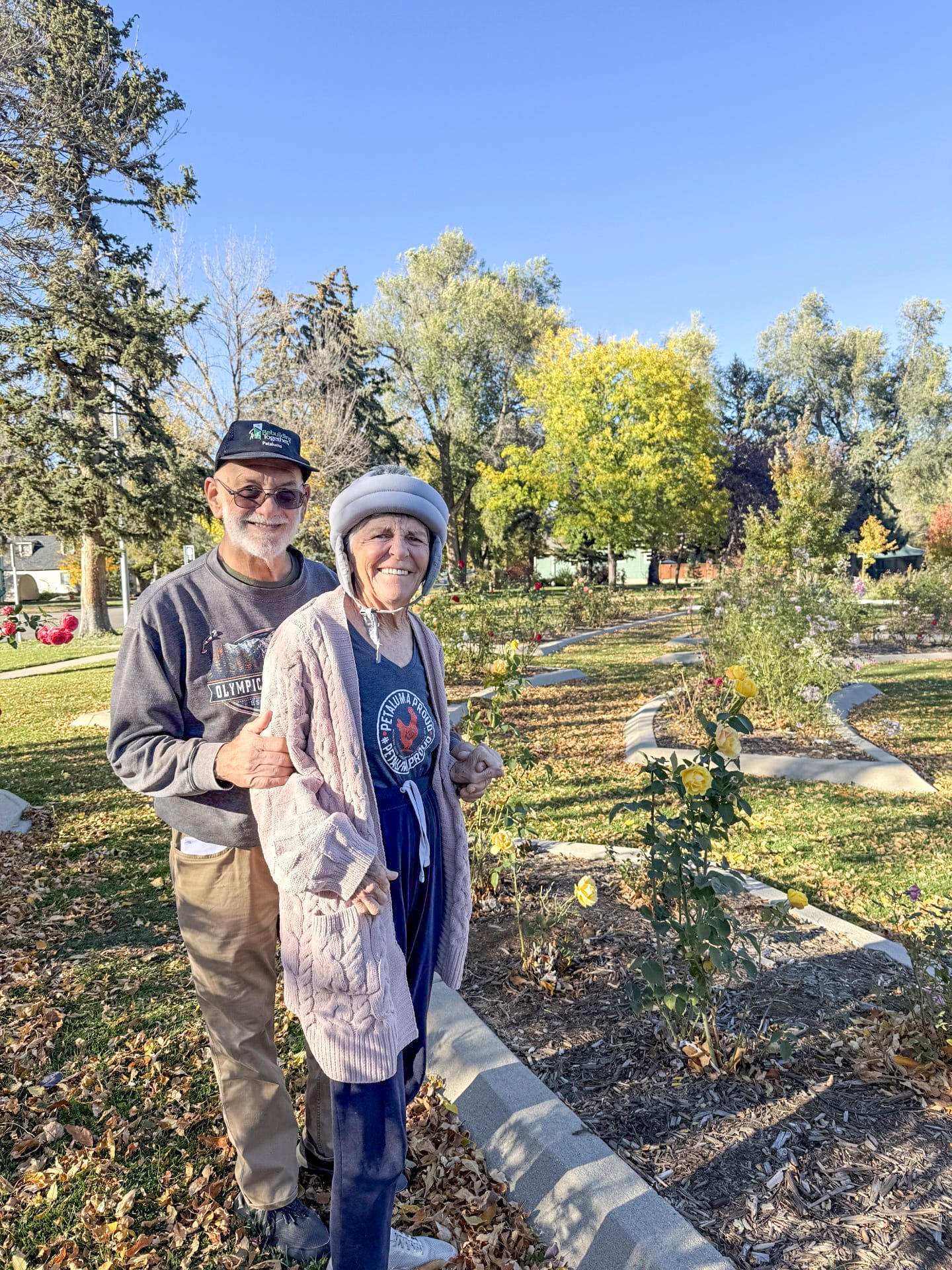
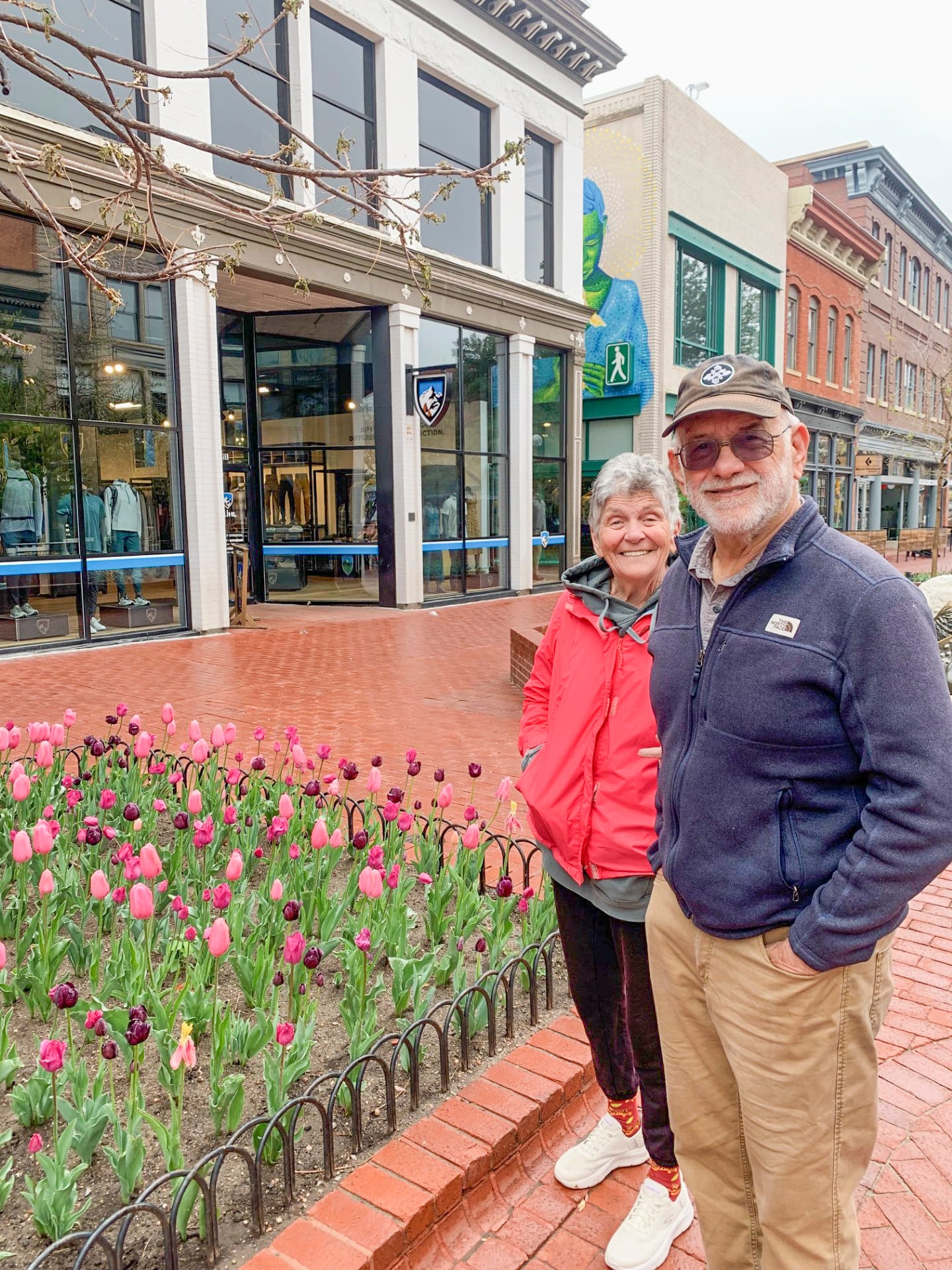
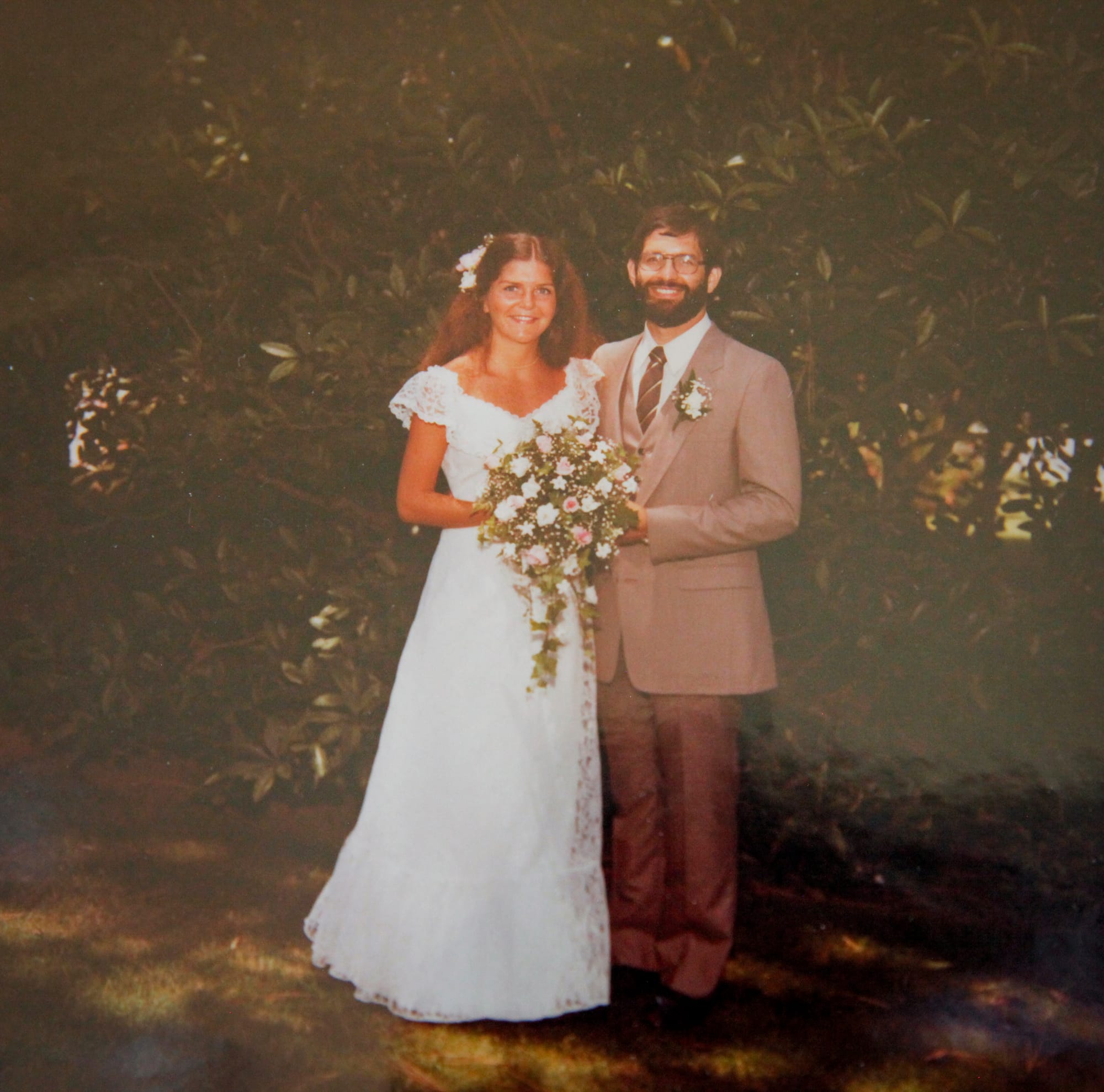
Dennis Pocekay with his wife, Donna Norquist. (Courtesy of Dennis Pocekay)
I was surprised by my own awareness that her utilizing MAID was as much for me as for herself, and was overwhelmed by the need to thank her repeatedly. With her disease advancing rapidly, she reluctantly agreed to remain alive to attend our daughter’s wedding in Denver on October 16, 2025.
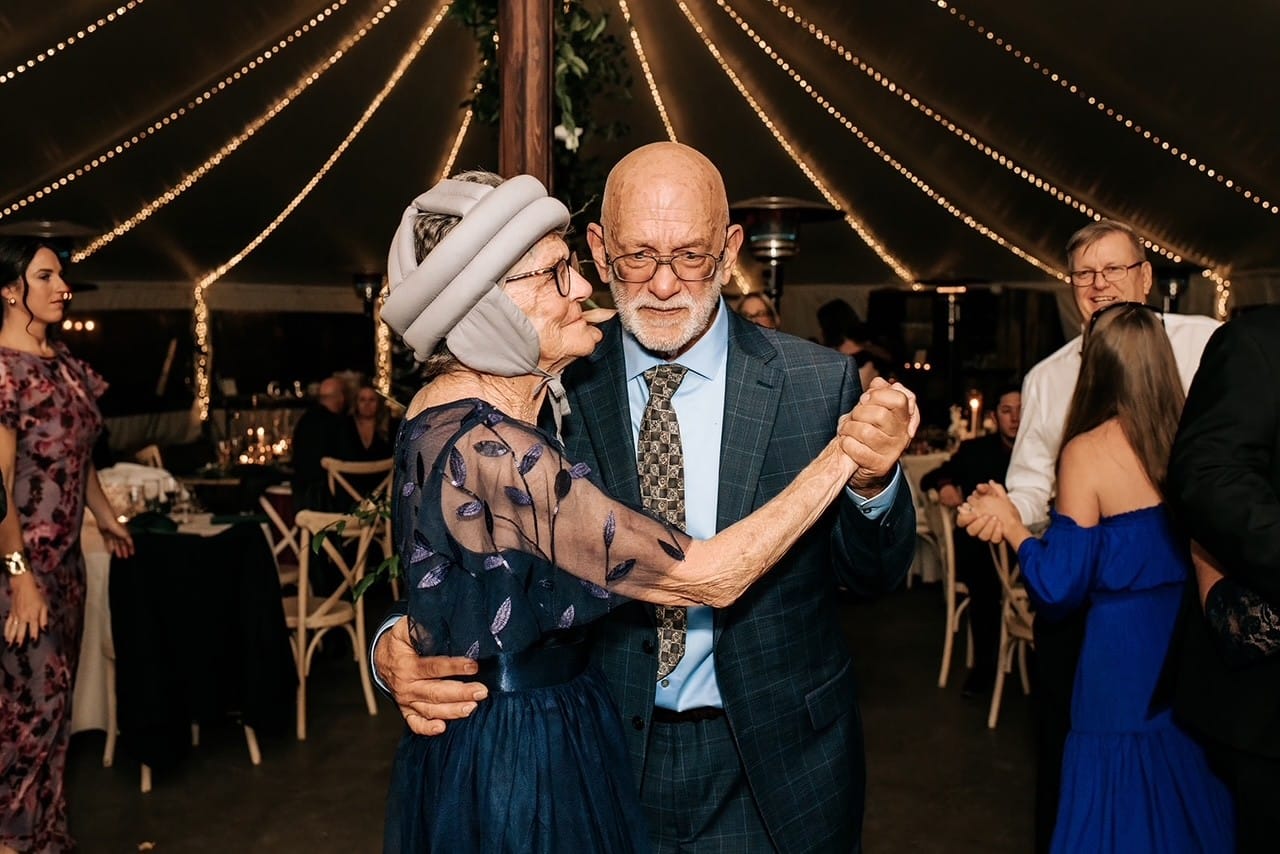
The wedding went as well as anyone could have hoped: our daughter appropriately shined some light on her mother, and everyone present (including Donna) was extremely happy that she was able to attend. We returned home on October 21. On October 22, Donna said goodbye to close friends who came to visit.
The next day, she began the MAID protocol.
I can still put myself back in the moment today. I’m present, along with our son; one couple that we love and respect most of all; and Barry, our in-home helper who has helped care for all of us during the last five months. When I hand her the final medication, she looks into my eyes and hesitates briefly. I say, “You don’t have to do this.” She says, “I want to," and drinks the cocktail. She falls asleep in a few minutes, and passes within two hours
I don’t mean to push anyone to die this way. But Donna wants everyone to know that it is an option.