A complete history of the Phoenix Theater, part 1
From scandalous vaudeville to punk rock
Editor’s note: This is the first of a two-part series that originally ran as a single story on April 27, 2026, in The Oak Leaf, a student-run publication at Santa Rosa Junior College. Find part two here.
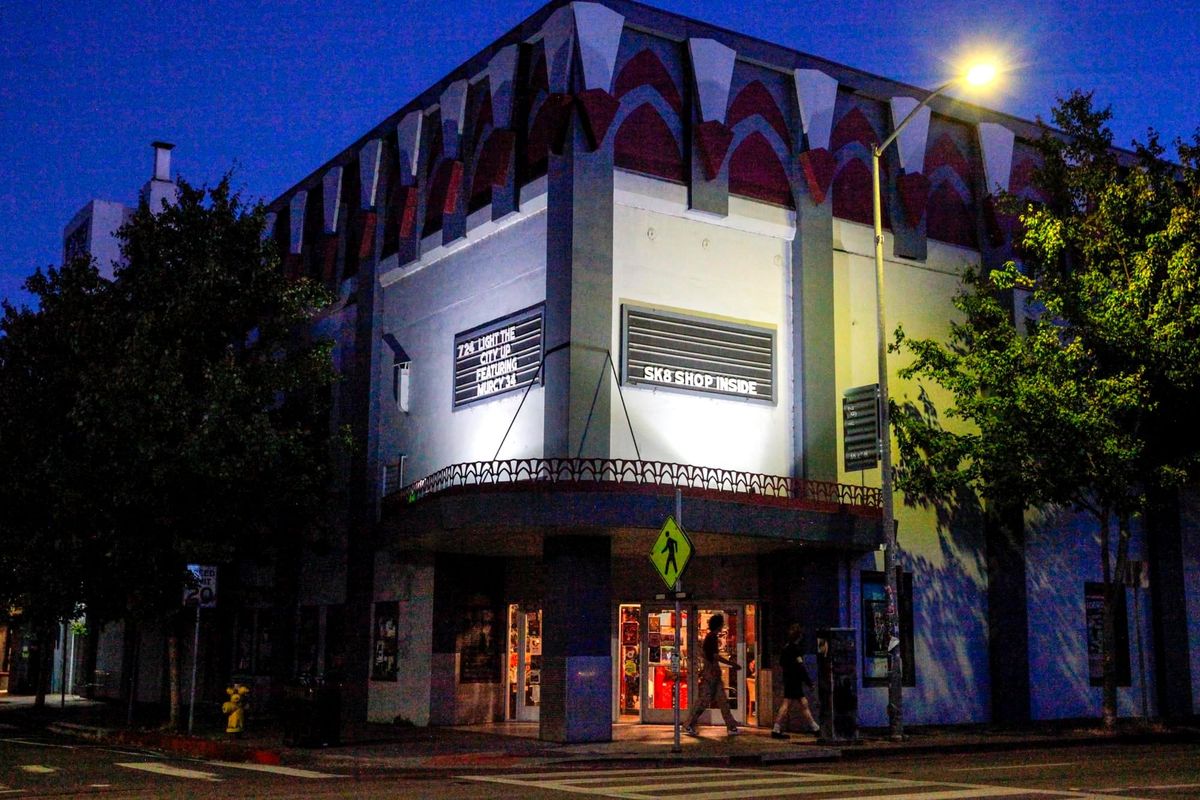
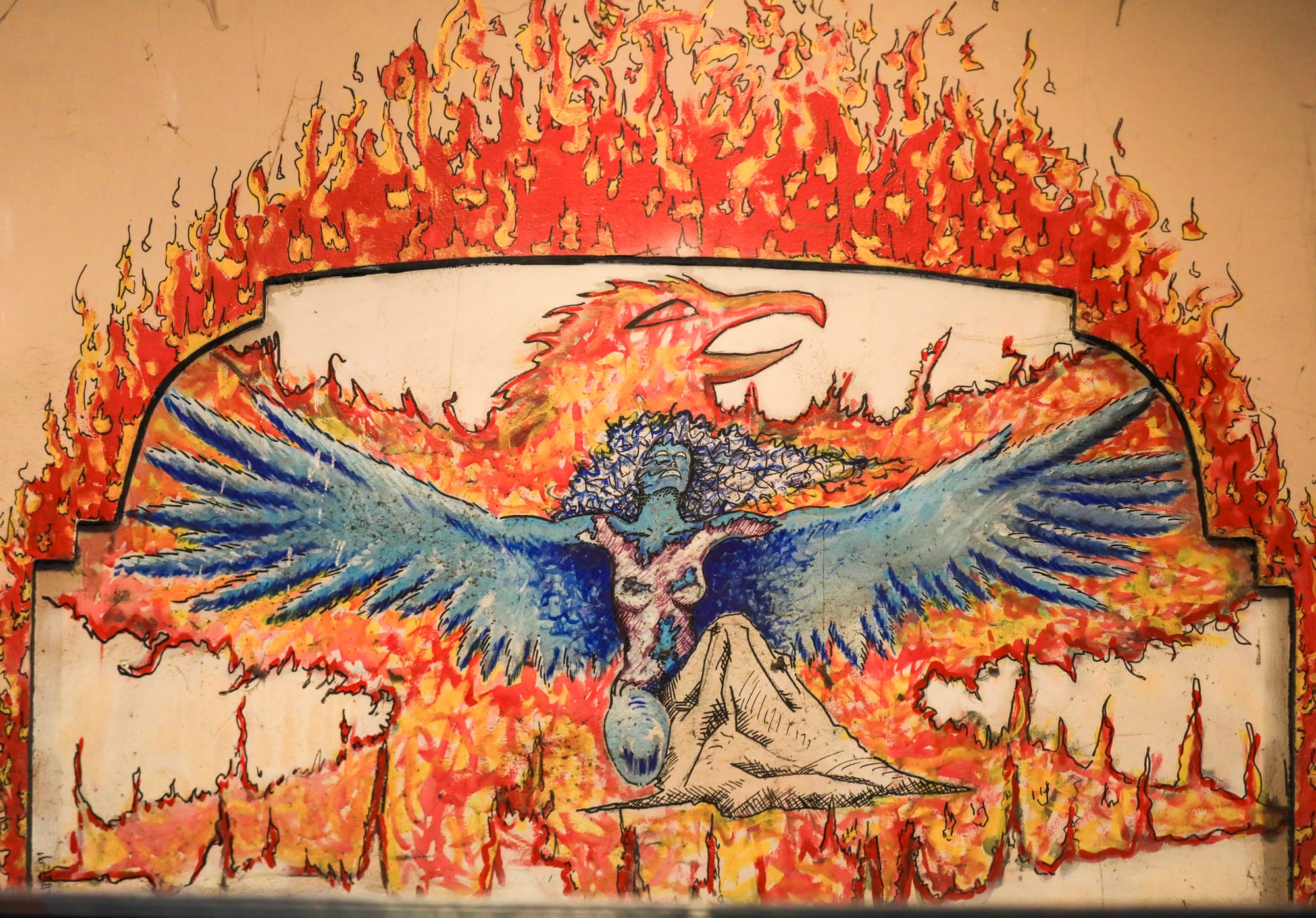
With more than a century of history, the Phoenix Theater in Petaluma is home to generations of memories, artists, and possibly ghosts. Its physical foundation is marked by fire, earthquake, scandal, even near-demolition, and yet it has always risen from the ashes as a shelter for all those who need it.
Painted with lifetimes of multicolored, layered chaos, the walls are as much a gallery of creativity as a memorial for the departed. Despite virtually every part of it being destroyed and replaced, and despite its many names, the soul of the Phoenix has remained unchanged since its birth.
The first 80 years
In December 1905 the theater opened as the Hill Opera House with a performance of Shakespeare’s “Twelfth Night” by the famous Ben Greet Players. The wealthy Josie Hill, who built and owned it, envisioned it as a venue of high-class theater and refined extravagance. When Petaluma was still a small town with fewer than 5,000 people and hoof-trod cobblestone roads, it was one of the city's first theaters.
Today, the Phoenix stands as a safe haven for alternative music and counterculture, but even from its inception, the location was no stranger to breaking social norms. Shortly after the Hill Opera House opened, it faced scandal for hosting vaudeville acts that challenged conventions. These acts often were sexually suggestive for the time, satirizing police, politicians, and the wealthy owning class.
When the venue became a gathering place for women, immigrants, and the working class, Josie Hill grew dismayed enough by her proximity to the common people that she changed the program, emphasizing films that appealed to more delicate, middle-class sensibilities. Little did Josie Hill know what would become of the Hill Opera House a lifetime later.
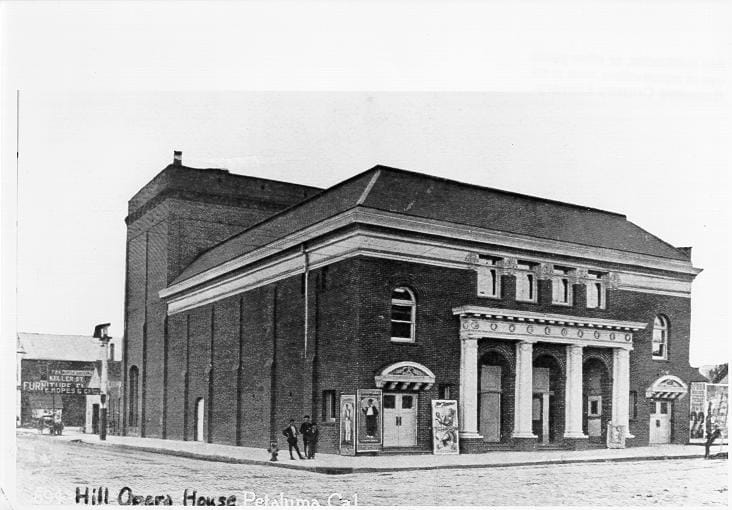
The Hill Opera House suffered its first fire in 1922 or 1924 – sources vary – and was later rebuilt as a movie theater. Tom Gaffey, who has managed the Phoenix Theater since 1984, isn’t certain on the year of the fire, but shared a secondhand account: “I had a conversation with an old local that used to play organ for the theater during the silent movies,” Gaffey said. “He told me about a fire that started next door and burned the south-side, stage area of the building.”
Though it’s likely that a minor fire did occur in the early 1920s, the claim that it caused enough damage to necessitate rebuilding seems unfounded. The actual story of how the Hill Opera House became a movie theater is, likely, far less dramatic.
In the 1920s, the venue passed through several hands before falling under the ownership of T&D Jr. Enterprises, operated by Mike Naify, before he passed the responsibility to his brother, Sergius “Doc” Naify. According to news reports from the time, they chose to renovate the theater not because it was damaged, but as a business decision. The interior was completely gutted and rebuilt as a dedicated movie theater, reopening in 1925 as the California Theater.
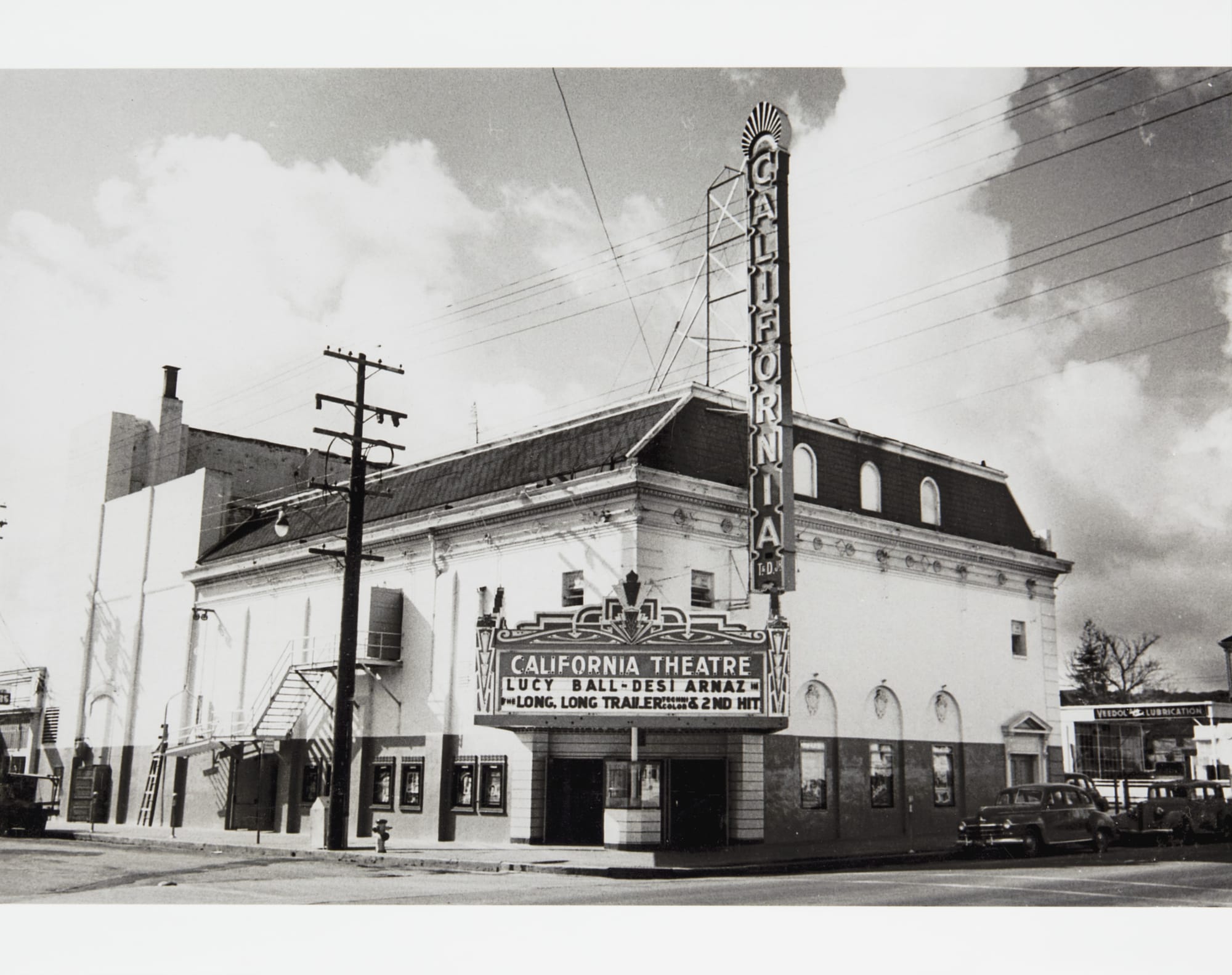
Doc Naify managed the theater for more than three decades, becoming a beloved member of the community who is still remembered for fostering the welcoming, open-to-all atmosphere of the Phoenix that persists to this day.
Gaffey cited Naify as a major inspiration for eventually taking charge of the venue. Though Gaffey never personally spoke with Naify, his legacy is part of the building’s lifeblood.
“People would ask if I met Doc Naify,” Gaffey said. “In ninth grade, I’d heard so many stories. One day I’m sitting on the stage before the theater opened up and I said, ‘God I want to come back and run this place one day; I want to be like Doc Naify.’”
Under Naify’s management, the California Theater — with its state-of-the-art projection system and generously decorated interior — became the central pillar of Petaluma’s cinema culture throughout the 1940s, ’50s and ’60s.
The massive fire that later gave the Phoenix its name happened in 1957, destroying the building’s roof and damaging the interior. The structure was remodeled and reopened once more a few years later, just in time for a young Gaffey to enter the picture.
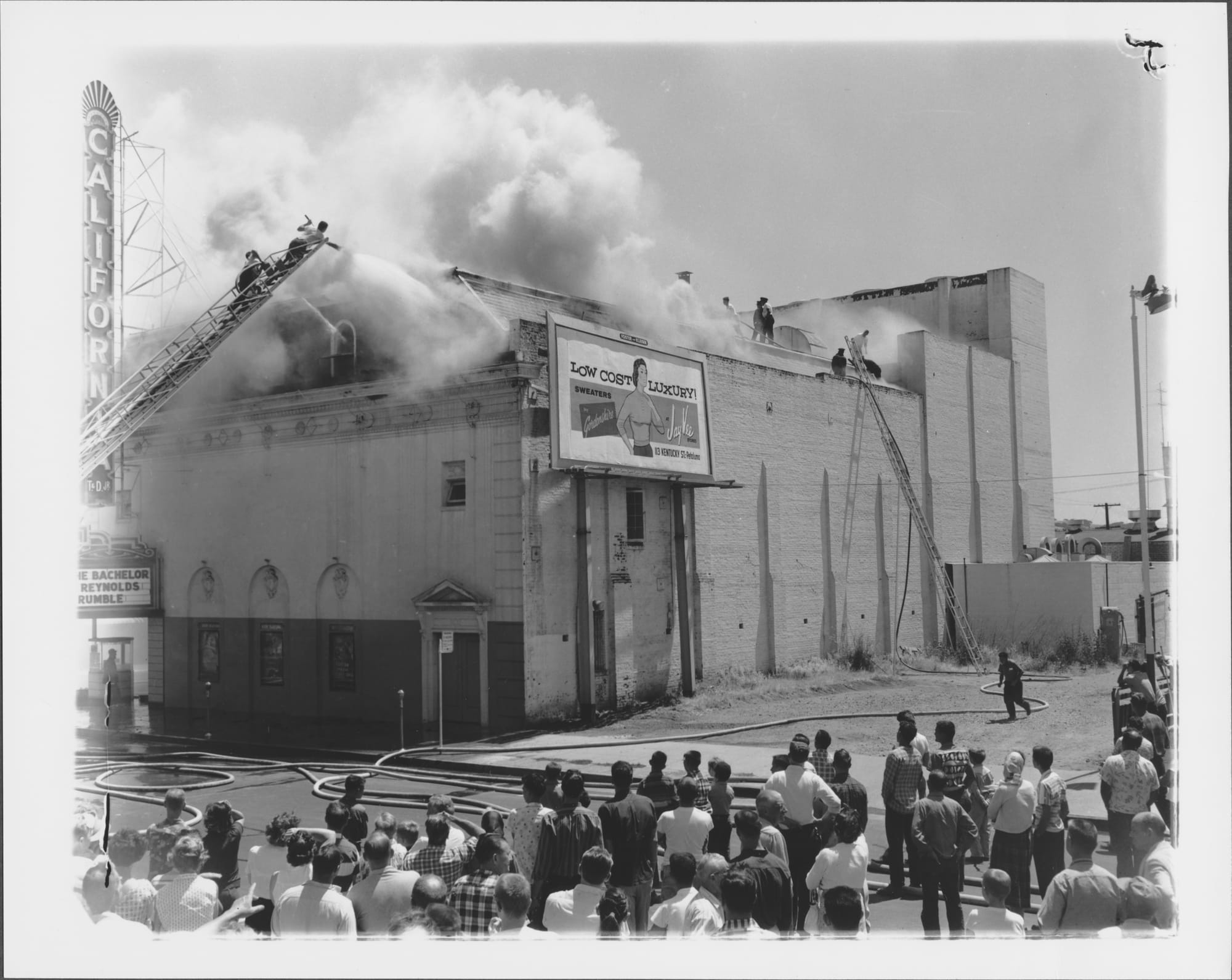
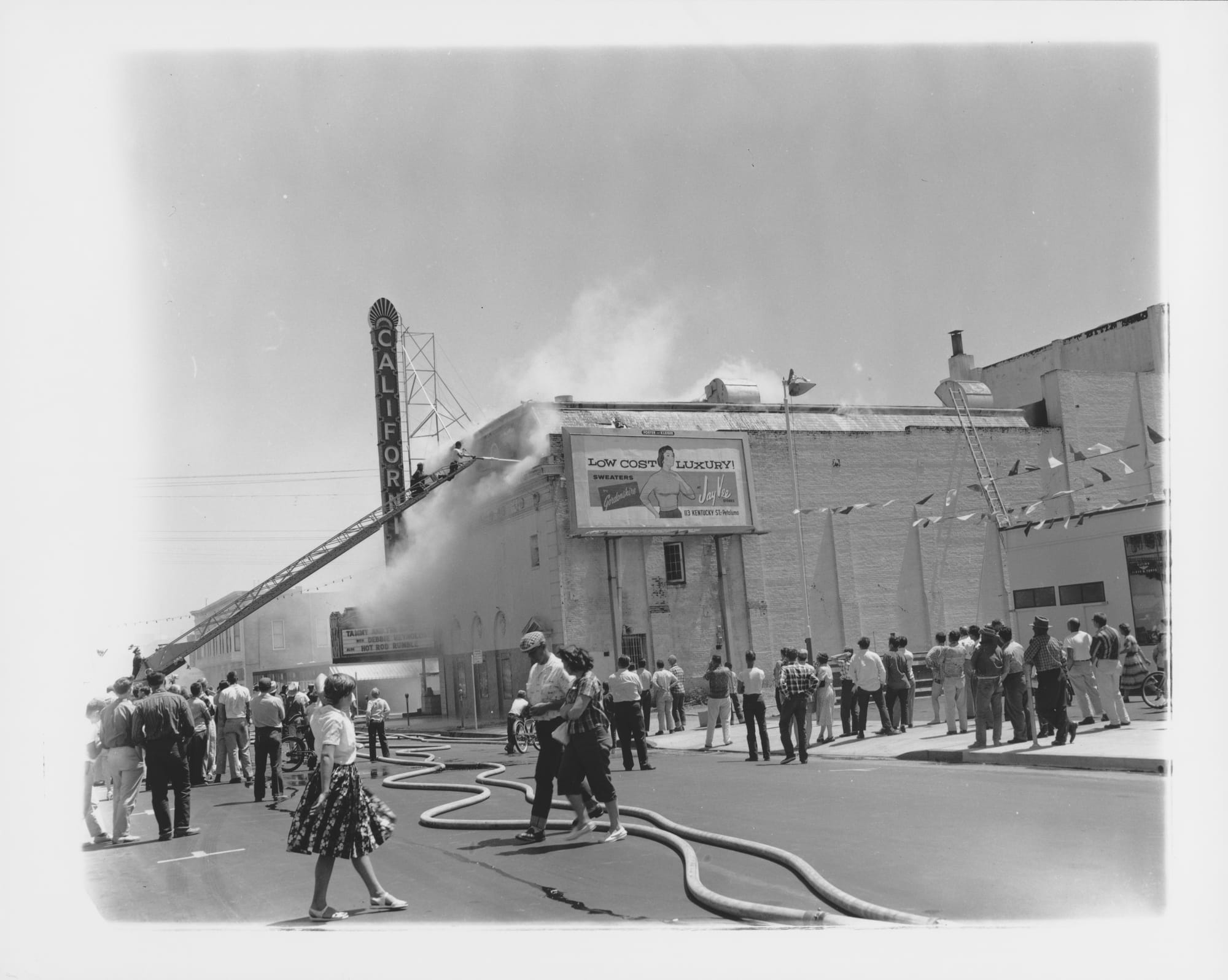
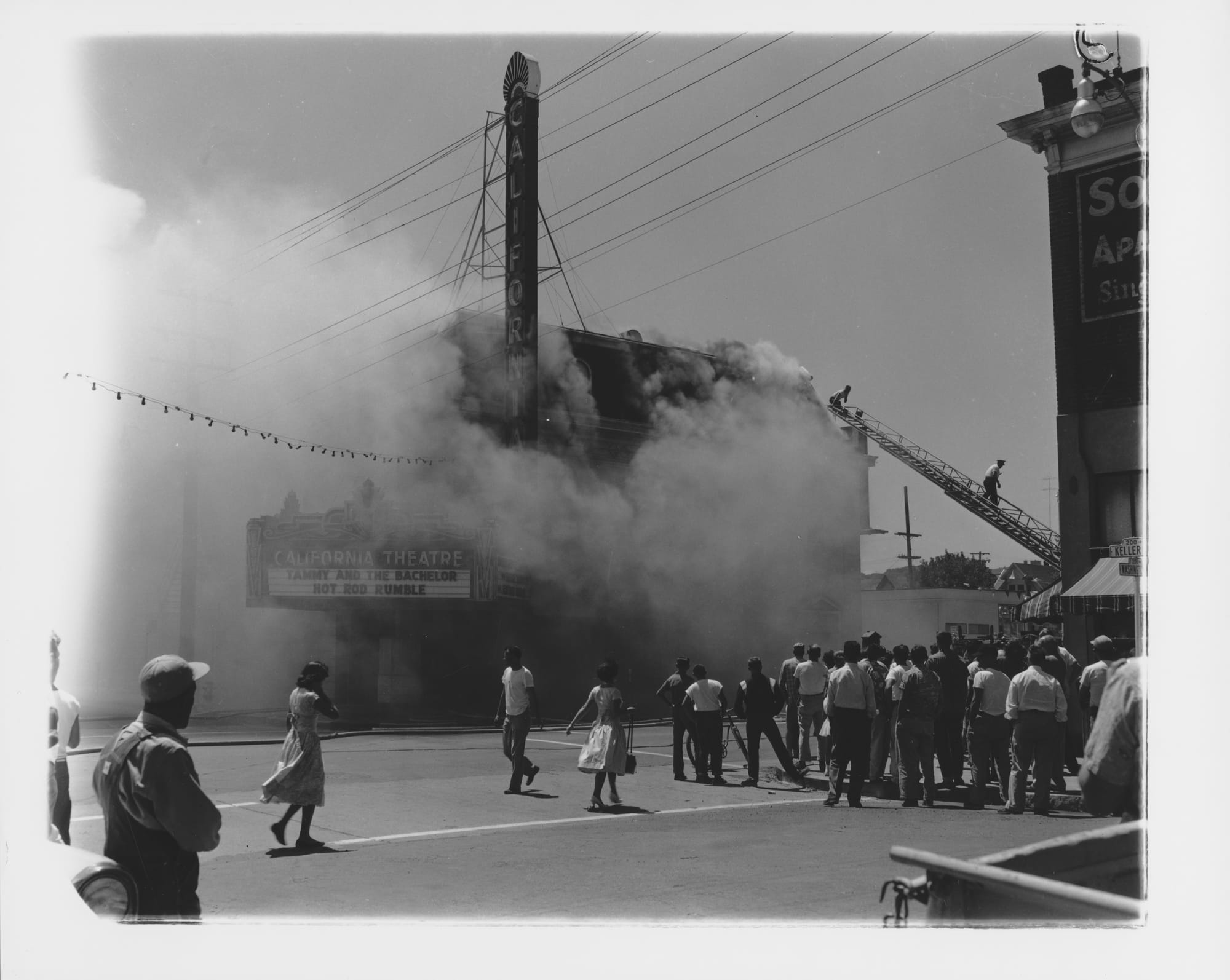
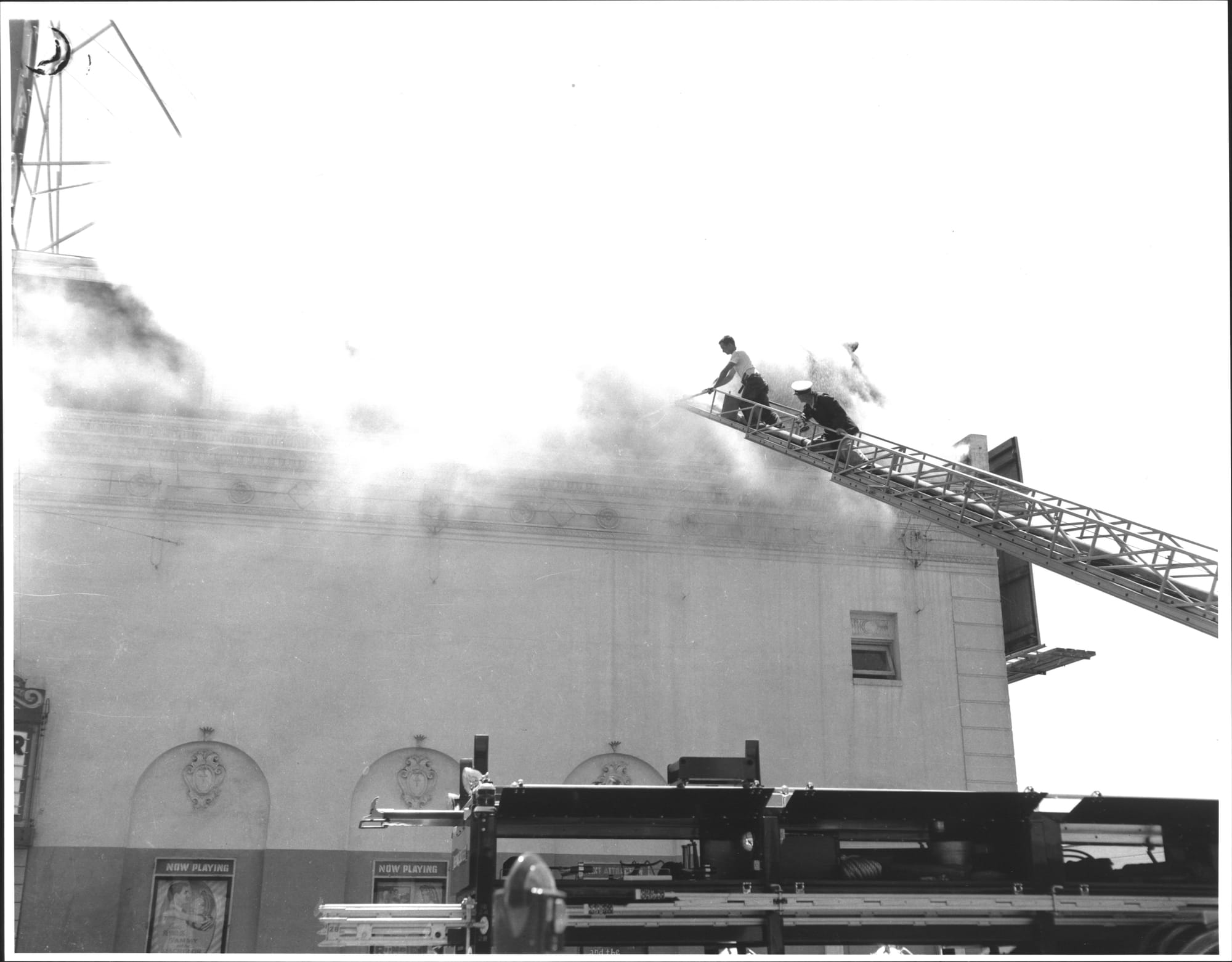
Gaffey first attended the theater around the age of 5, during a 1960 showcase of “Old Yeller.” One childhood memory at the theater stands out: The time he saw Alfred Hitchcock’s “The Birds” in 1963, and a group of high school seniors released pigeons in the building, setting off a panic among some in attendance.
Suffering economic hardship due to the rise of television, the theater was sold again, this time to Santa Rosa theater operator Dan Tocchini, in 1968. He renamed it the Showcase Theater, the name Gaffey came to associate with his youth.
As a junior high school student, Gaffey worked at the Showcase Theater. During his adolescence, he learned how to operate projectors and manage a theater.
Wikipedia, being famously reliable about niche subjects, says that Gaffey renamed the Showcase to the Phoenix in 1984. While several sources report this as fact, it’s verifiably false. Fear not though, because the story of Tom Gaffey is plenty fascinating without the need for dubiously accurate mythologizing.
Former Phoenix manager Larry “The Hat” Lautzker credits the Tocchini family with the venue’s mythological moniker. According to Lautzker, they decided to call it the Phoenix during a 1979 renovation. They named it for its ability to always rise from the ashes, whether metaphorically or literally.
Shortly after, Joel Coopersmith purchased the Phoenix from the Tocchini family in 1979. During an approximately three-year-period from 1980 to late 1983, Coopersmith leased it to Lautzker and John Spillaine.
Together they ran a very prolific booking group called Aquarius Productions. Under their management, the Phoenix experienced its first explosion of rock and live music. The Ramones played the venue’s first ever punk show in 1981, years before punk at the Phoenix would truly take off.
“We brought music to Sonoma County,” Lautzker said. “We were the first ones to really bring in national acts, whether it was Van Morisson or Carlos Santana or Huey Lewis. We brought in the most famous bands of the day.”
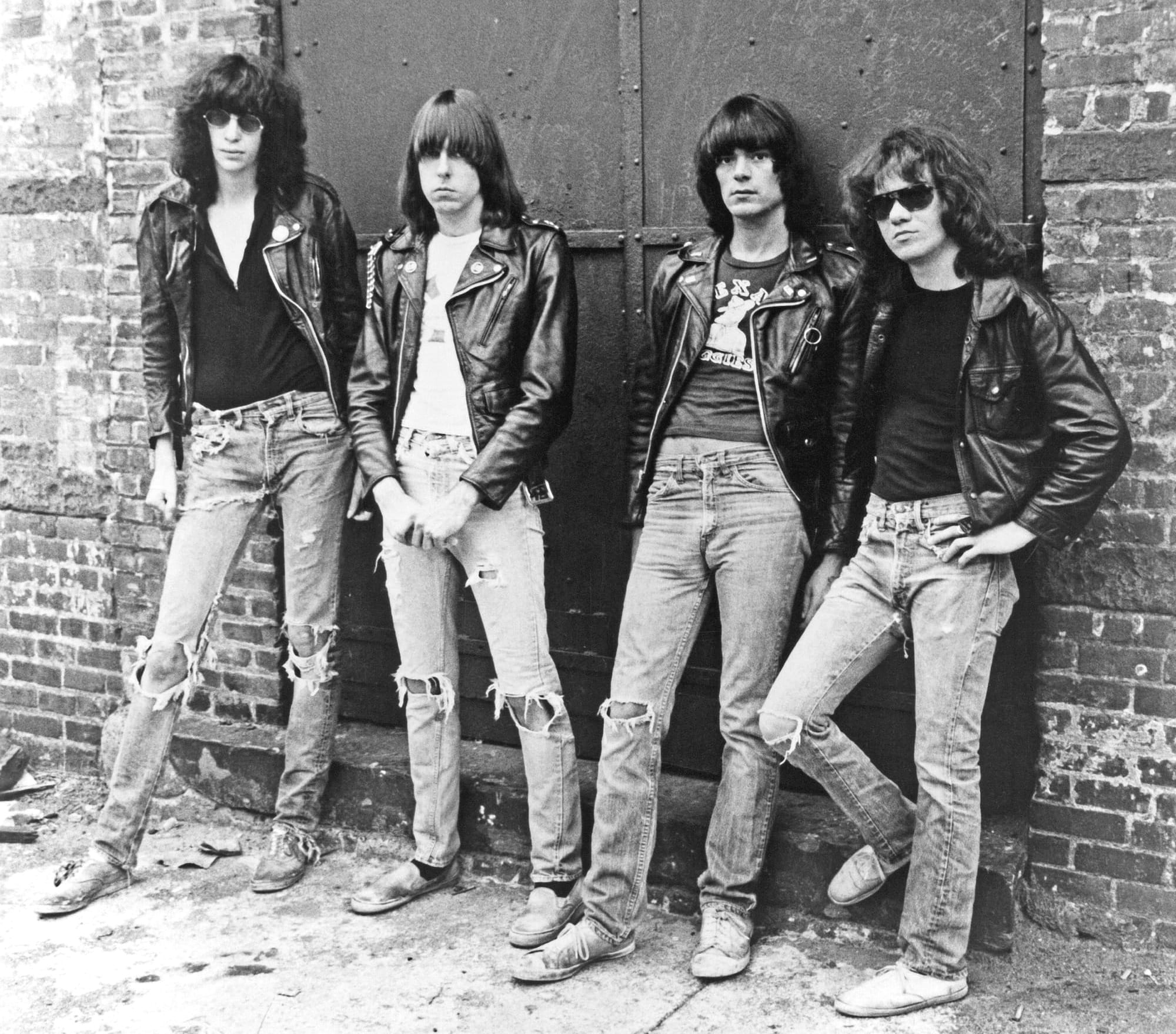
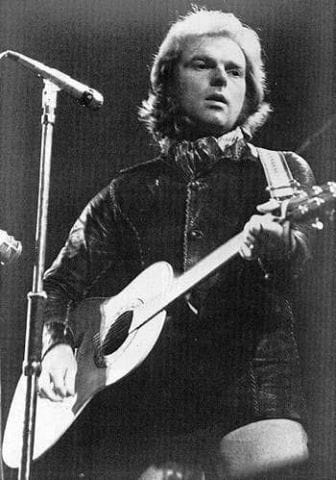
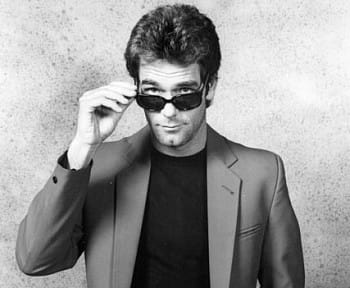
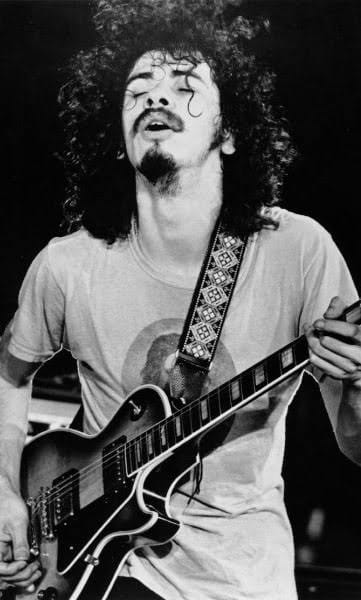
(left to right) Van Morrison, Huey Lewis, and Carlos Santana have all played the Phoenix. (Wikipedia)
This period of the Phoenix’s history was as glorious as it was short. Today, there are almost no accurate records of those years, despite their immense influence on the venue’s future. It was Coopersmith, Lautzker, and Spillaine who gave the Phoenix the guts of a modern music venue.
The emergence of Sonoma County live music may have been revolutionary, but it was certainly not profitable, Lautzker noted. “We did live theater for the community, mud wrestling, and we ran movies during the week. At the end of the day, Sonoma County couldn’t support it,” he said. “We lost a lot of money doing it, but we had a good time.”
In late 1983, Coopersmith sold the Phoenix to Marin County developer Ken Frankel. It was Frankel who brought Gaffey back into the story. In 1984, Gaffey found himself working with friends to flip failing theaters. During his last flip, a fateful one-year contract with Frankel to get the Phoenix on the market, he was grandfathered into management. Unable to sell the place, he took out a lease and has run the Phoenix ever since.
“This was the longest one-year project I’ve ever been involved in,” Gaffey said.
The Phoenix goes punk
Gaffey finished what Aquarius Productions started, helping the Phoenix grow into a legendary live music venue. Completely removed from its old days as an establishment for opera and theater, it became the North Bay capital of punk, rock, and metal.
Around 1986, Gaffey brought in folk-punk band The Violent Femmes to play at the Phoenix. The show sold out, Gaffey worked with his first mosh pit, and after that the Phoenix only got louder. Alternative subculture thrived in the 1980s Bay Area, with vanloads of energetic new bands willing to play to anyone who’d have them.
“We found ourselves at a pivotal moment in East Bay punk,” Gaffey said. “Rancid, Operation Ivy, Primus, and Mr. Bungle. So many bands from L.A. were coming through that a lot of clubs didn’t want. Not a lot of people wanted to have Gwar.”
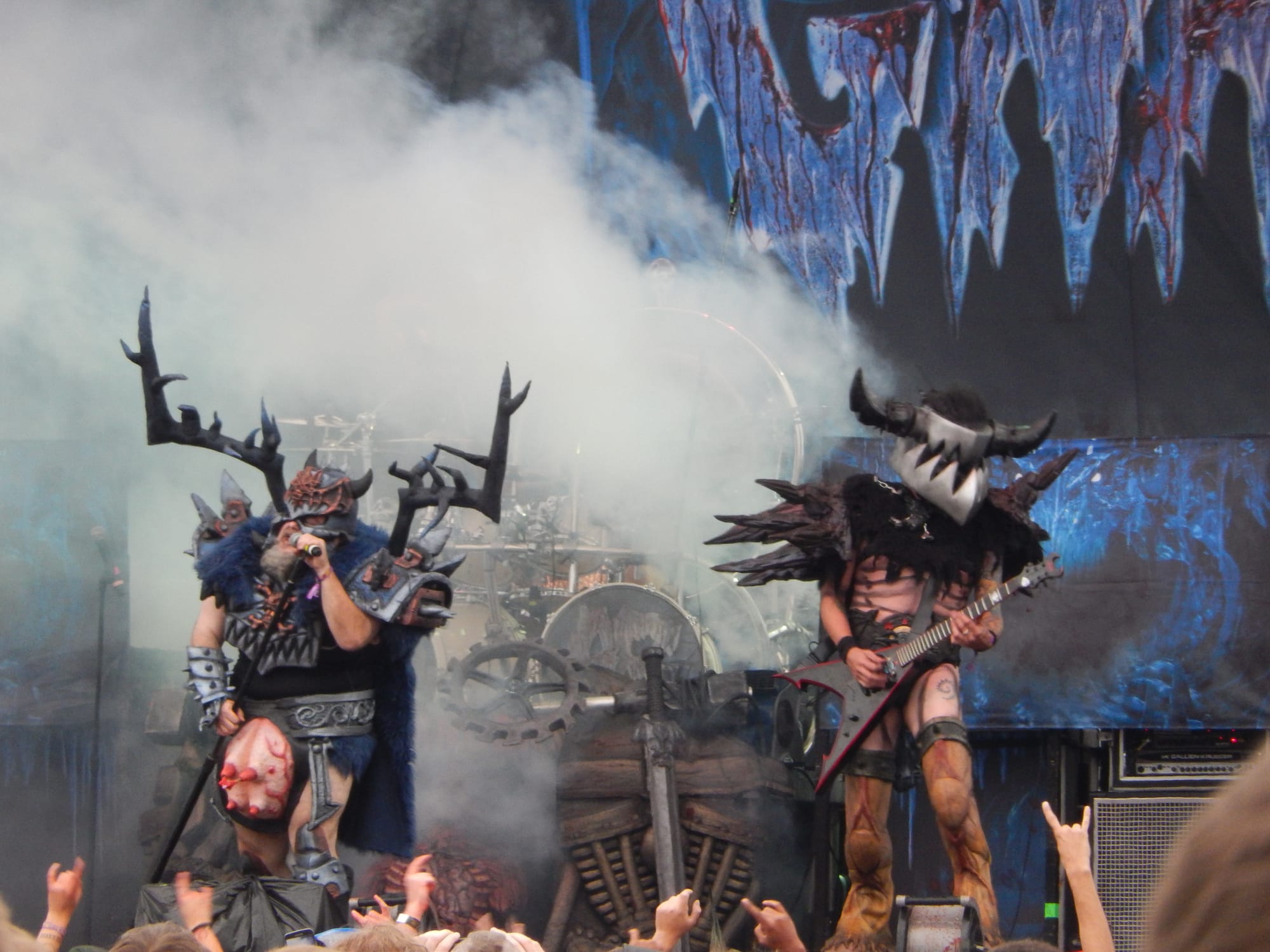
Gwar is a dramatic heavy metal band that carries a vast mythology and a reputation for showering their audiences in fake gore. Gaffey remembers their time at the Phoenix fondly: “They threw me in the meat grinder and spewed my guts out at the audience one night. It was incredible. It took my crew about six months to find all the pieces and put me back together. This is the best they came up with.”
Gaffey introduced weekend teen dances to the Phoenix in 1987, making it an open space for hundreds of bored teenagers thrilled at the prospect of having a place to hang out and have some fun. With the massive success of these events, the theater received heavy backlash over complaints of Saturday-night traffic and an excess of teenage hedonism.
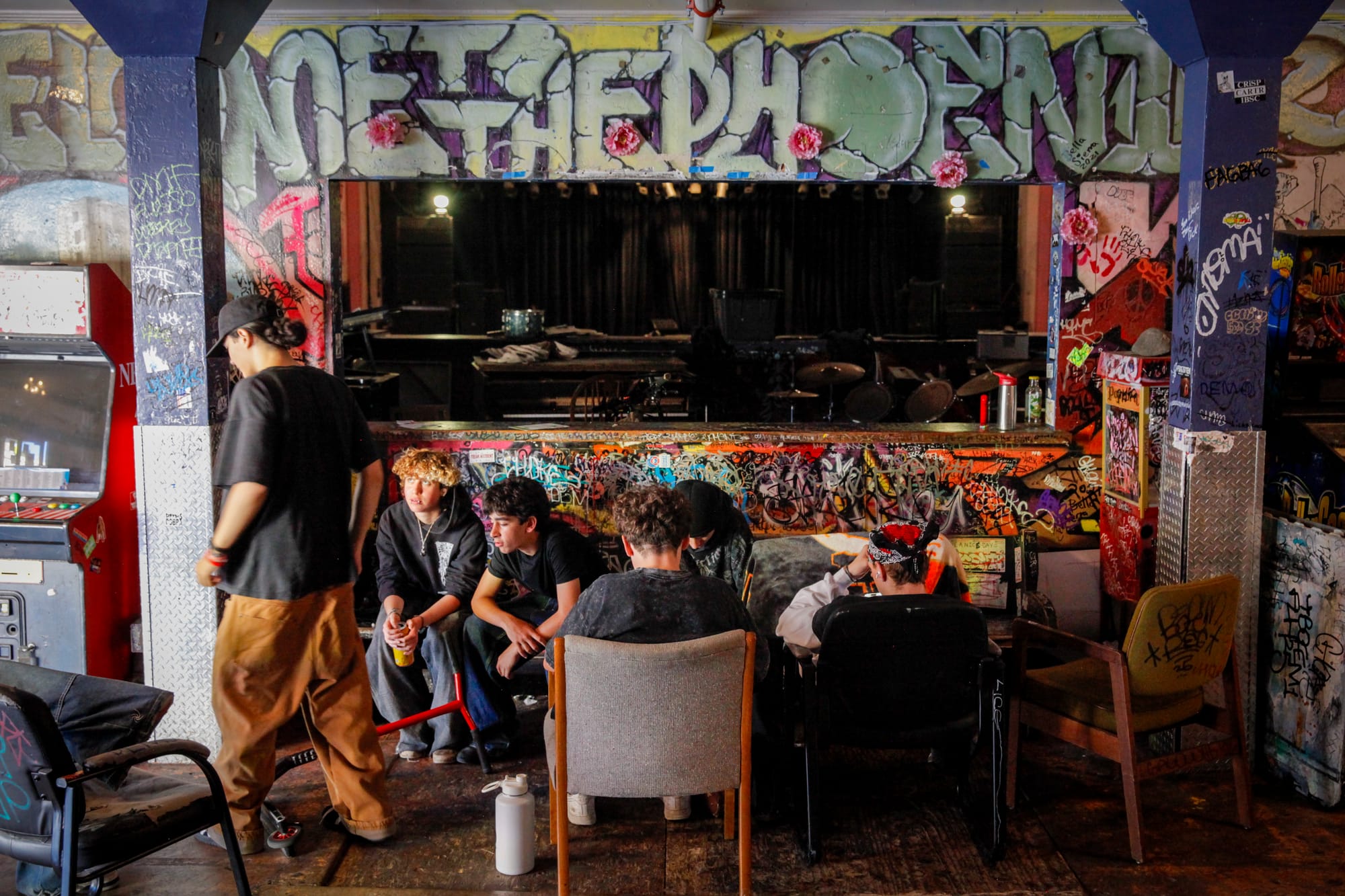
Despite the legal battles and pushback from concerned citizens, Gaffey never backed down from making the Phoenix a safe gathering place for all. With the addition of indoor skate ramps, an arcade, art programs, music instruction, a teen health center, and work opportunities, it became – and remains, for that matter – a judgment-free oasis for teenagers in a cultural desert of spaces made for them.
The Loma Prieta earthquake damaged the theater in 1989, but being the Phoenix, it quickly recovered with some renovations. By that point, the building had developed a thick skin full of gumption, and it would take more than a petty earthquake to topple it.
Through the ’90s and into the 2000s, the Phoenix sold out multiple times a week. The staff may not have been wealthy, but they made up for that with the spectacular fun of it all.
“I look back on those times and wonder, ‘Why was I always broke in those days?’ It was because tickets were always $5,” Gaffey said. “The bands were getting paid well, which was good, and my staff was getting paid so there wasn’t much left over once the shows were done. We were flat-broke, but we were having a damn good time.”
In the late ’90s, a tragedy struck that became forever ingrained in the venue’s heart. Sublime was a massively influential reggae-punk band from Long Beach. On May 24, 1996, the group played its final show at the Phoenix Theater. Lead singer Bradley Nowell was found dead from a heroin overdose in his San Francisco hotel room the next morning.
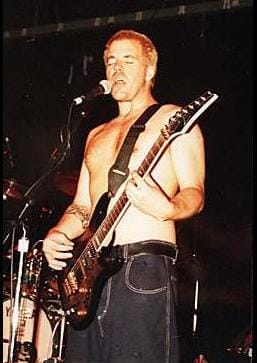
Today, the mural memorializing Nowell still looks out from the wall of the Phoenix’s green room. Though he’s gone, three decades of musicians have practiced, laughed, and wrung their hands with pre-show nerves under the watch of his memory.
All this time, the Phoenix Theater had remained on the market, and in 2000, it sold to a developer. Supporters of the Phoenix across generations came together with an outpouring of love to rally for the venue. Just a few weeks before the building was set to close and become an office building — as Gaffey sold off equipment and prepared to pack up his life — a guardian angel arrived.
Paul Elliot, along with three other telecom engineers who’d recently come into money, bought the venue back from the developer and established it as a nonprofit. All of them had been musicians, with two having an especially close relationship to the Phoenix.
“Basically, Paul loved what we did when his kids and their friends were hanging out here,” Gaffey said. “We’re still doing pretty much the same thing: hanging out.”
Gaffey has helped maintain that philosophy for the last 26 years. The theater’s offerings have expanded to continue serving the community. It has featured punk, metal, rock, rap, hardcore, jazz, ska, blues, reggae, and just about every other genre and subgenre that musicians have yet named. In a venue proudly nicknamed “Everybody’s Building,” all are welcome.
Part two: The ghosts of yesteryear and the Phoenix of today.
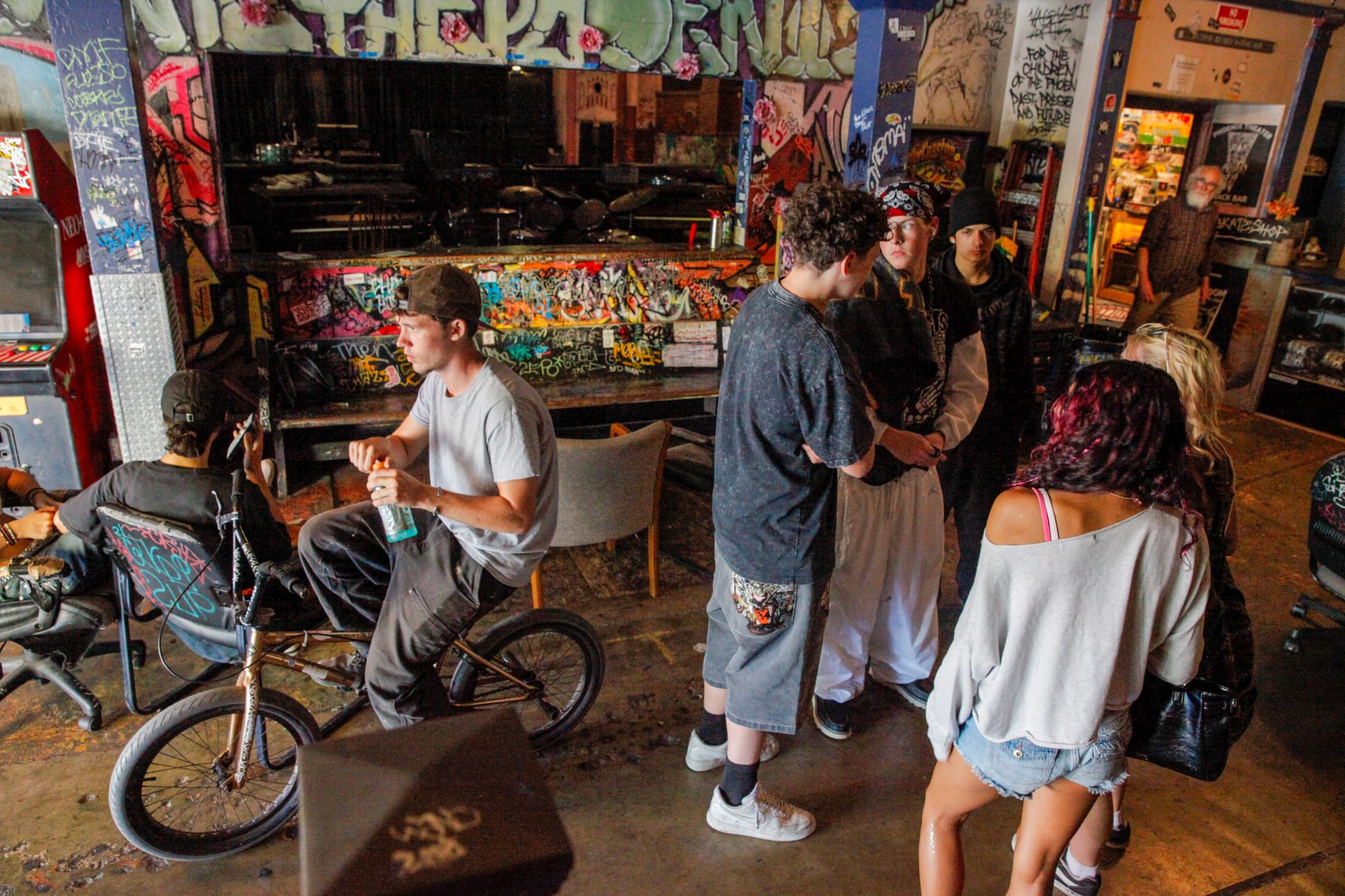

(Left) Teens hang out at the Phoenix on Friday, July 24, 2026. (Right) Austin Eckhart, 19, practices jumps and tricks on his skateboard inside the Phoenix. (Friday, July 24, 2026. CRISSY PASCUAL/PETALUMA VOICE ©2026)
Correction: The article was updated on 7/1/26 at 4 p.m. to reflect that the Hill Opera House was not in fact Petaluma's first theater. It was the city's third, after the Petaluma Theater opened on Kentucky Street in 1870 and Turner Hall opened on 4th Street in 1875.