
NEWS ALERT: Developer to abandon controversial hotel project
EKN tells city it is walking away, despite February approval of scaled-down proposal, sources say
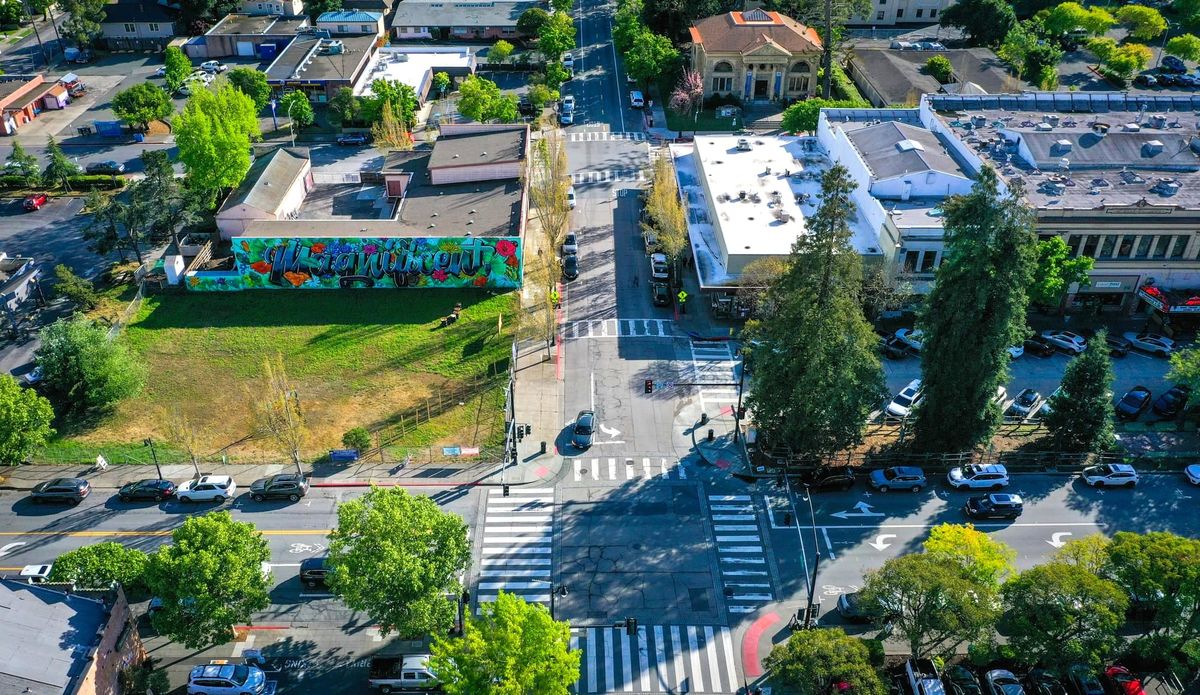
After years of controversy, the developer behind a proposed luxury hotel in downtown Petaluma has put the city on notice that it is abandoning the embattled project and putting the property up for sale, Petaluma Voice has learned. The city, in response, filed a lien to recoup $860,000 in staff and consultant costs.
The news took both advocates and opponents by surprise, although it is not necessarily the end of the saga – or the hotel.
Brian Oh, the city’s director of Community Development, said even if the land is sold, EKN Development’s latest design remains approved. The city is offering to work with EKN and any future property owner to encourage a hotel on the site, he said.
“The four-story hotel is still an approved project, but EKN has informed the city of its intention to abandon the project and sell the property,” Oh said. “We remain focused on realizing the economic potential of this site, ideally through construction of a high-quality hotel that contributes to downtown vitality and the Petaluma community.”
A contentious debate
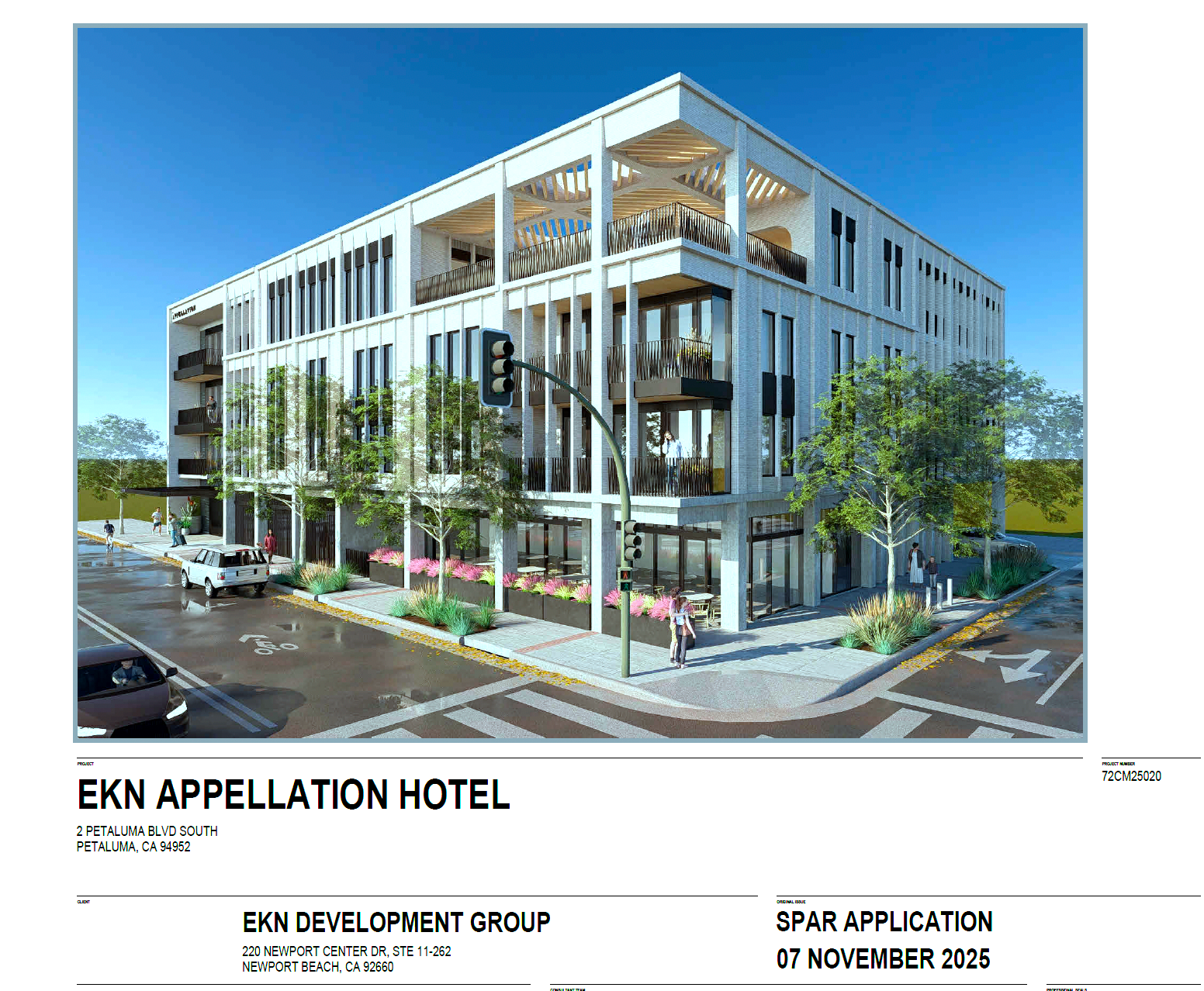
The proposal and overlay split the community, pitting neighbor against neighbor. Preservationists objected to the design, height, and footprint of the original six-story hotel. They said the project was a poor fit for the site and undermined downtown Petaluma’s historic character. Some critics were also skeptical of the promised tens of millions of dollars in economic benefits to the city. In February 2026, the city approved plans for a scaled-down, four-story version of the hotel with 56 rooms.
The proposed Appellation Petaluma was to be part of celebrity chef Charlie Palmer’s brand of “culinary-forward luxury hotels,” including one in Lodi and a flagship location in Healdsburg. Palmer worked with Newport Beach-based EKN Development on those projects as well as the Petaluma project.
According to Sonoma County records obtained in person by Petaluma Voice, the city of Petaluma imposed the lien on Sept. 11, after previously indicating it was unnecessary because the city would work with the developer on a repayment plan. A lien is a legal claim placed on a property or asset by a creditor to secure the repayment of debt. In this case, it ensures the city will receive the money it is owed in the event of a sale of the three lots that make up the hotel property.
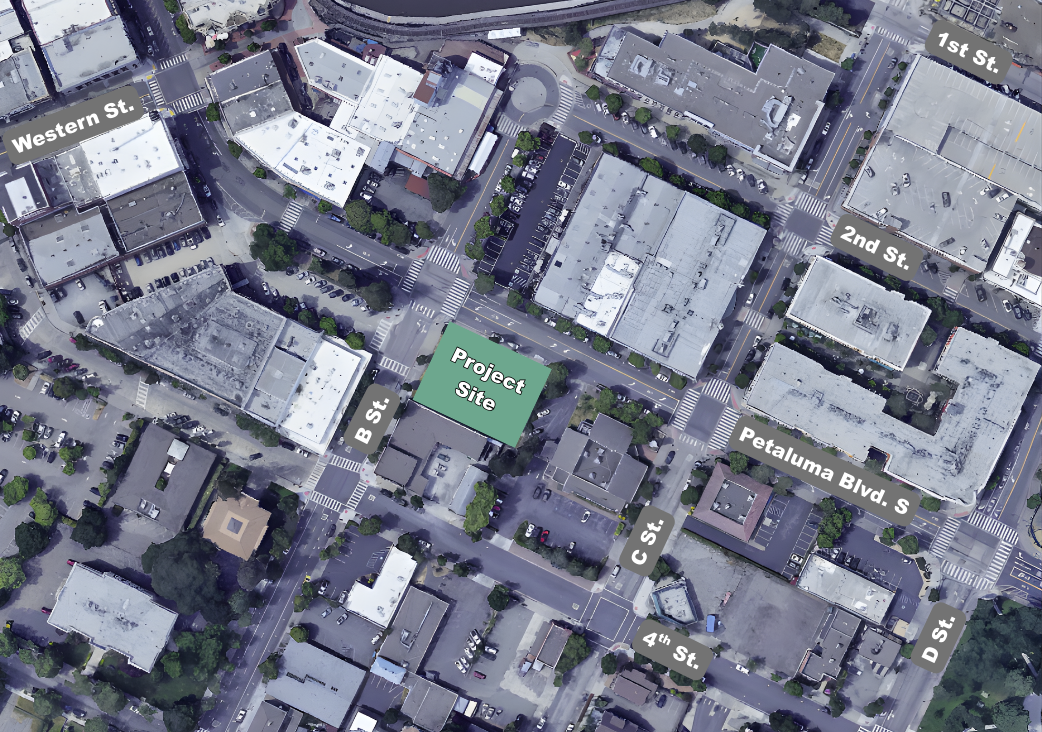
The original 93-room hotel proposal was to be built in the heart of downtown at Petaluma Boulevard South and B Street, a long-vacant dirt lot where a gas station once stood. The project, which exceeded the city’s 45-foot-high zoning restriction by up to 25 feet, prompted the city and its staff to initially pursue a zoning overlay – a cost shared with developer EKN – to amend the General Plan to allow for taller and bigger buildings, up to 75 feet, along several blocks in the historic downtown. The council later whittled down the overlay from a 12 acres to a two-block area, then repealed it altogether when facing the prospect of a referendum.
Supporters of the original plan argued that a destination hotel, especially one with a rooftop bar and a restaurant operated by a celebrity chef, would provide a much-needed economic boost to local businesses and the city. Some believed the earlier versions of the zoning overlay, and the hotel itself, could encourage the revitalization of several empty lots in and around downtown.
Years of acrimony over the proposal spilled into civic life, sparking lawsuits, citizen groups for and against it, a signature-gathering campaign, a ballot referendum, heated public meetings, and a contentious City Council election season.
Community leaders react
Elisa Weber, the chair of Renaissance Petaluma, was taken aback to hear EKN intends to abandon the project.
“I feel that people should hold out hope that Charlie will see this through,” Weber said. “He’s our guy. I’m not giving up yet.”
She said Appellation Healdsburg has an impressive track record, garnering awards and recognition for supporting local farms and artists while remaining relatively affordable. “It would have made a big difference for Petaluma,” she said, adding that she believed the hotel would have pumped both vibrancy and money into the downtown.
Weber said the mission of Renaissance Petaluma is to educate the community about opportunities like the hotel, to avoid outcomes where “an influx of positive, wonderful energy gets shot down by untruths and misinformation.”
“As far as our community politics are concerned, it is very unpleasant and sad,” she said. “They have no idea what they are missing. I think the city worked very hard to make this happen for us and it got destroyed. It’s very, very sad.”
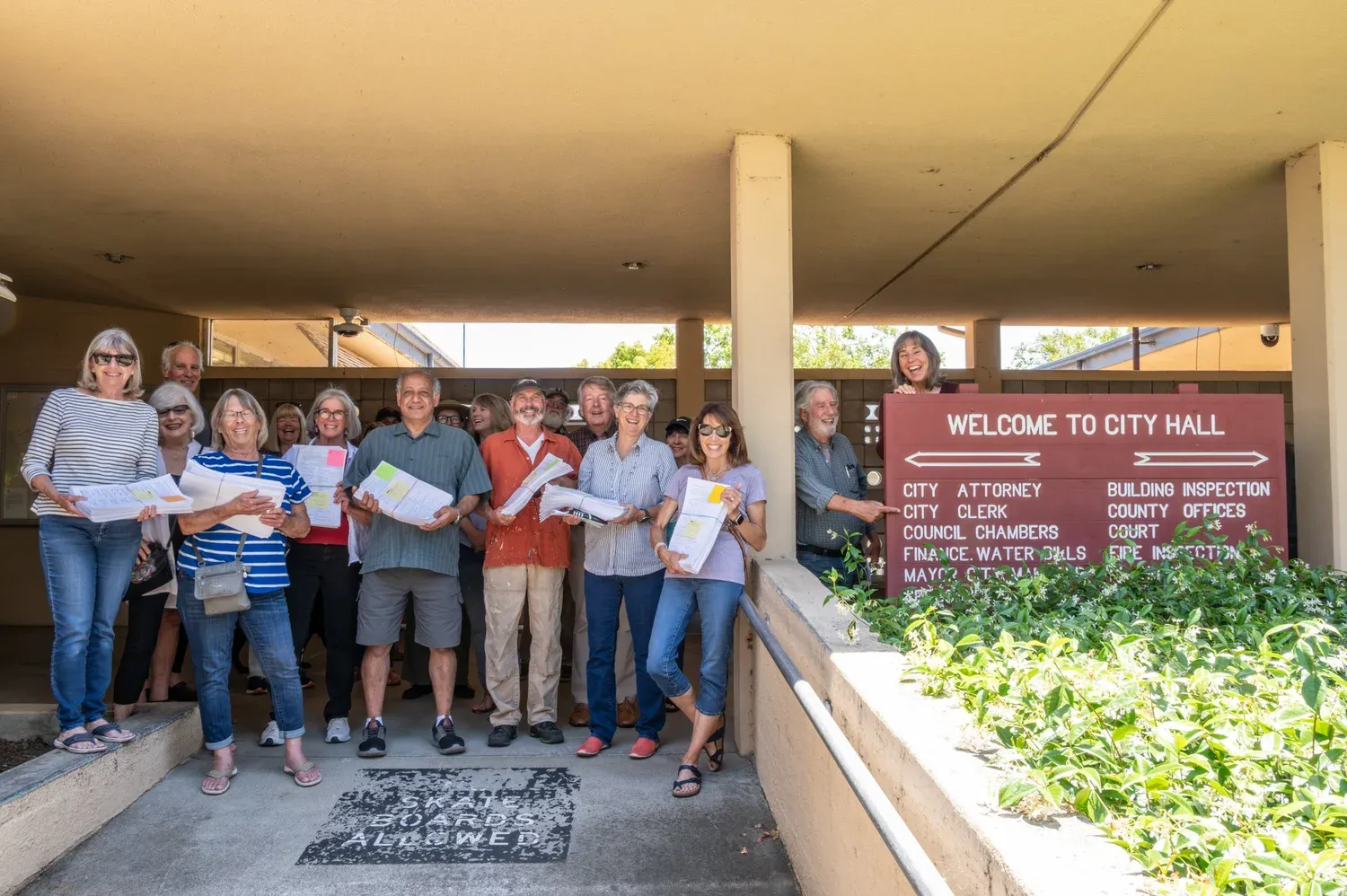
Mike Healy is a former city councilmember and a volunteer with a competing community organization, Petaluma Historic Advocates. That group essentially torpedoed the six-story hotel by gathering 6,500 signatures with the intention of placing a referendum on the November 2026 ballot.
Healy said the lien filing is good news, something he recommended months ago to protect the taxpayers.
Healy said the hotel was doomed regardless of its size, because of high interest rates, construction inflation, and the economic climate. “I don’t think it’s a surprise,” he said, pointing to developers pausing hotels under construction in Cotati and Windsor.
He suggested a six-story version would have been even more likely to be shut down because it would have required more financing – partly because it included an expensive, 58-vehicle underground parking garage instead of a valet with off-site parking.

“The whole thing never made any sense,” Healy said. “They were trying to shove 20 pounds of potatoes into a 10-pound bag.”
When interest rates cool and the economy improves, another project will make economic sense for the vacant site, he said. “It would be nice to have a catalyst project downtown. With interest rates still on the rise, it won’t make sense for some time.”
Mayor Kevin McDonnell, a supporter of the hotel, said he is disappointed the developer was unable to see the project through, despite getting approval for the smaller version.
“I think it could have been predicted that four stories wasn’t going to pan out,” McDonnell said. “They had optimism they could still bring a hotel to Petaluma. And they were deeply invested already, making it hard for them to walk away.”
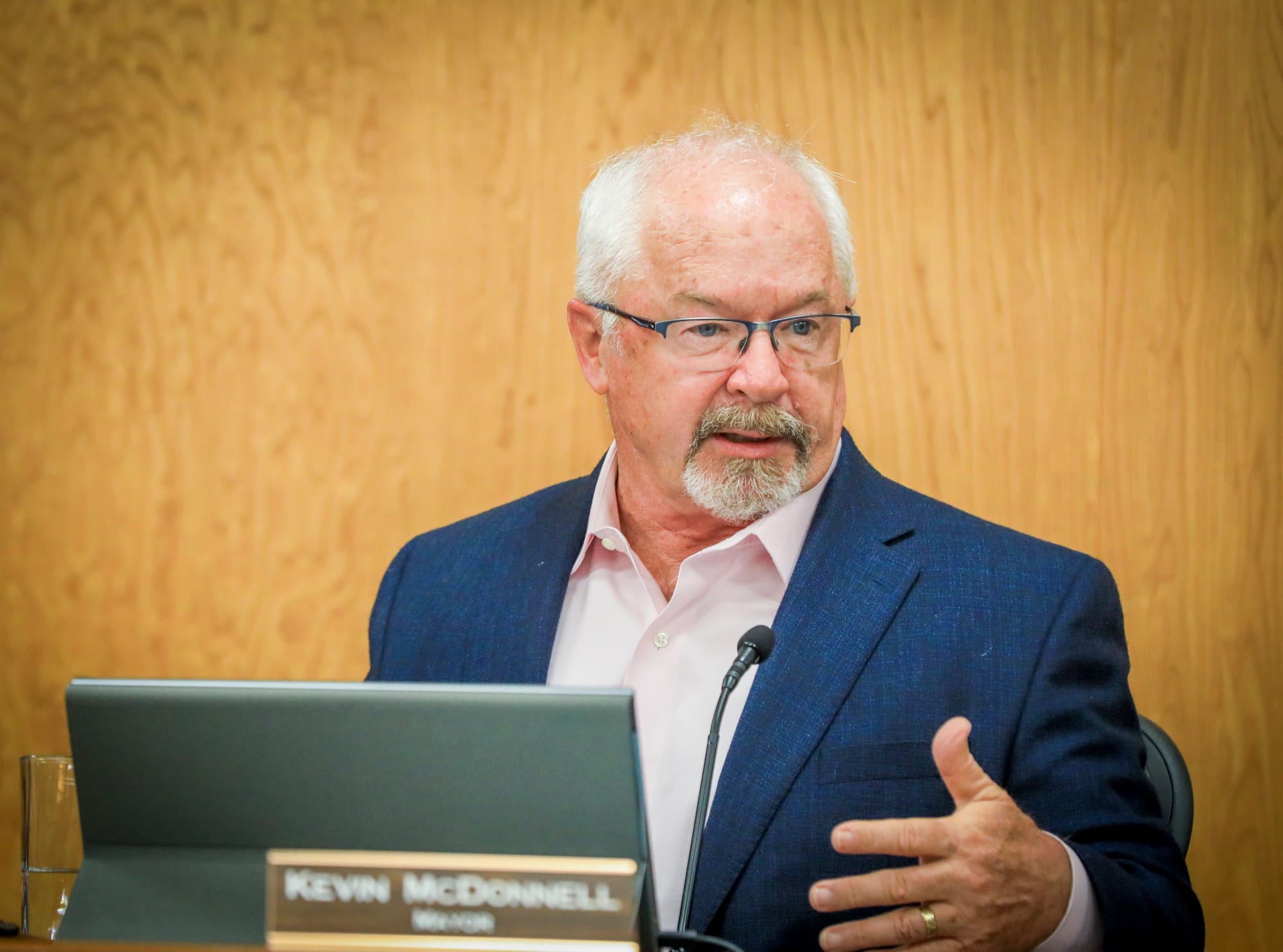
He hopes the project is not permanently dead, and finds a new investor to build it. “I’m hopeful that someone figures out how to bring more vitality to that lot and remove the blight of cyclone fences on downtown properties,” he said.
A January 2026 economic impact study commissioned by the city estimated that the smaller version of the project would have created 133 permanent jobs and bring in $33.1 million in hotel taxes, $11.4 million in property taxes, and $46 million in sales taxes over a 30-year period.
City files lien
McDonnell said the lien means the city is paying its own lawyers to get involved, an unfortunate burden on city coffers.
Last year, EKN ran into financial trouble at another one of its projects. The partners bought the legendary Tahoe Biltmore Lodge & Casino in 2022 in North Lake Tahoe and shuttered it, planning to demolish it and build a Waldorf Astoria. Instead, the property was foreclosed upon, went up for auction, and was sold for $153,193 in July 2025 to the only bidder on the property – Lake Tahoe Partners, the company that had loaned $82 million for the project, according to a 2025 report published in SFGATE.
Calls and messages this week to EKN project manager Tom Jacobson were not returned as of Petaluma Voice’s Thursday deadline. According to emails between the city and the developer, EKN notified the city it was abandoning the project a few days prior to the lien being filed.
“We are prepared to discuss with your team resolving the outstanding charges in a mutually acceptable manner to recover the city’s project processing costs,” Oh said in an email to the hotel team. “In the meantime, in an abundance of caution, and in view of the somewhat unanticipated announcement of your abandonment of the project,” the city recorded the lien.
Future of site uncertain
Councilmember Brian Barnacle said he hopes a hotel project can be salvaged.
“I truly hope that we see a project come forward, because that vacant lot is doing nothing for our downtown businesses right now,” said Barnacle, who supported the project from its infancy. “Our downtown businesses need it.”
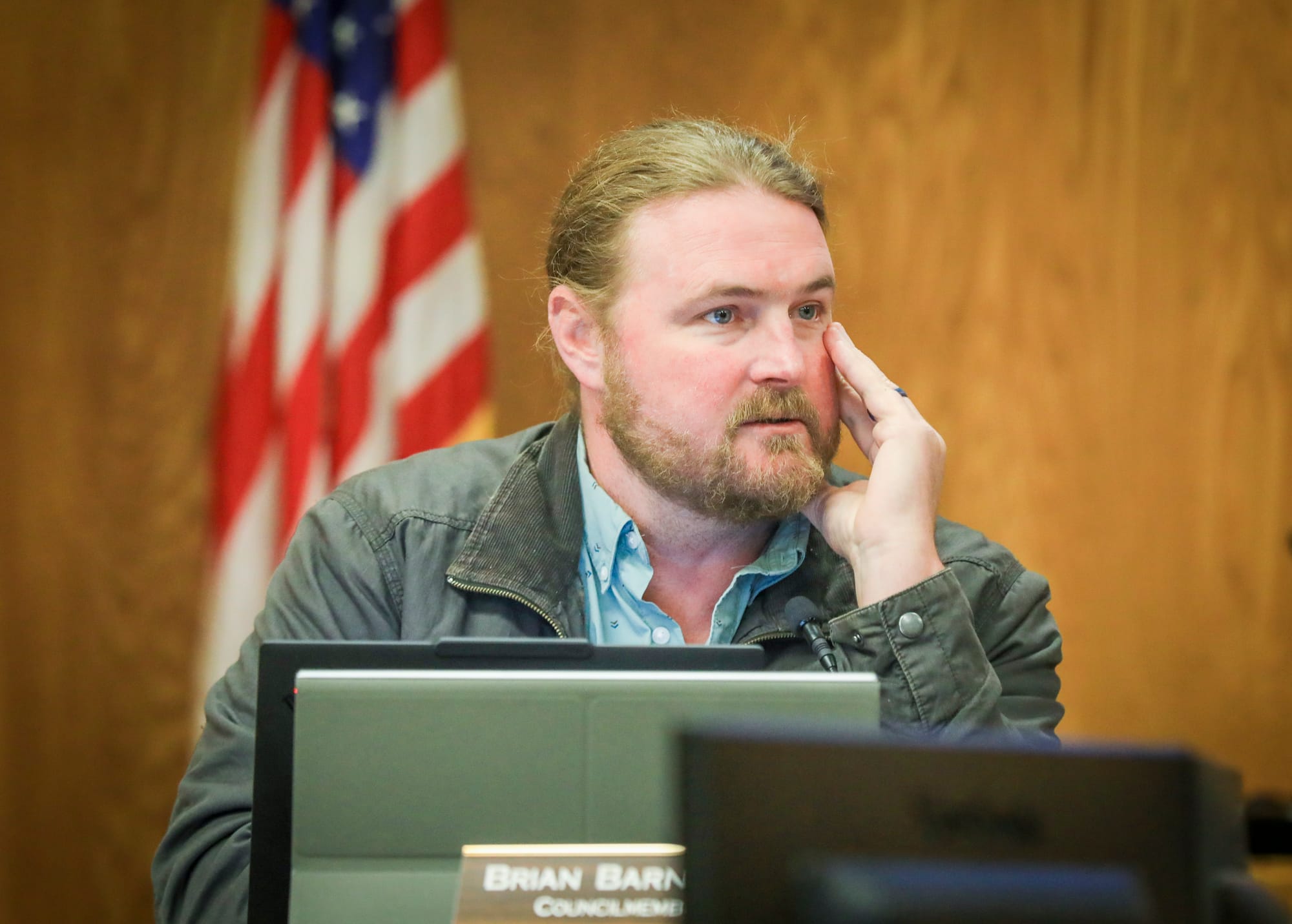
“At the same time, we need to protect the city’s investment and we want to make sure our first responsibility is to taxpayers,” Barnacle said. “That’s what the lien protects.”
In late 2025, EKN disputed the bill for the city’s work. In an email exchange reported in The Press Democrat, the developer said much of the work on the overlay was directed toward broader city initiatives, and did not benefit the EKN property.
"Given that the prior entitlement is no longer active and the investor funds associated with that effort have been fully expended, there is currently no available equity source to address those outstanding costs," wrote Jacobson.
The city has already paid for an environmental impact report and the overlay, which required a cost-sharing agreement with EKN.
In response to the opposition, EKN submitted a scaled-down proposal that was approved by the city in February. The new plan was for a four-story, 45-foot-tall boutique hotel with 34,000 square feet of space, restaurants on the roof and ground floor, a basement "speakeasy," and valet parking. Ten street-level parking spots were set aside behind the hotel, with most vehicles to be parked off-site by valet. EKN Development had said in prior public statements that it planned to complete construction as early as 2028.
According to city emails, the project was still moving forward in recent months. In June 2026, EKN made a request for the city to return sufficient occupancy taxes to the hotel during its early years of operation in order to ensure “project feasibility and targeted investment returns.” The city hired a real estate advisory firm to evaluate potential options for a financing agreement, adding to the city’s expense.
Tobias Young is an editor and reporter at Petaluma Voice. He can be reached at tyoung@petalumavoice.org.
Jennifer Sawhney is a reporter and co-founder of Petaluma Voice. She can be reached at jsawhney@petalumavoice.org.
Do you like our work? Support us with a tip.