Never Watched a City Council Meeting? Here’s What You Need to Know
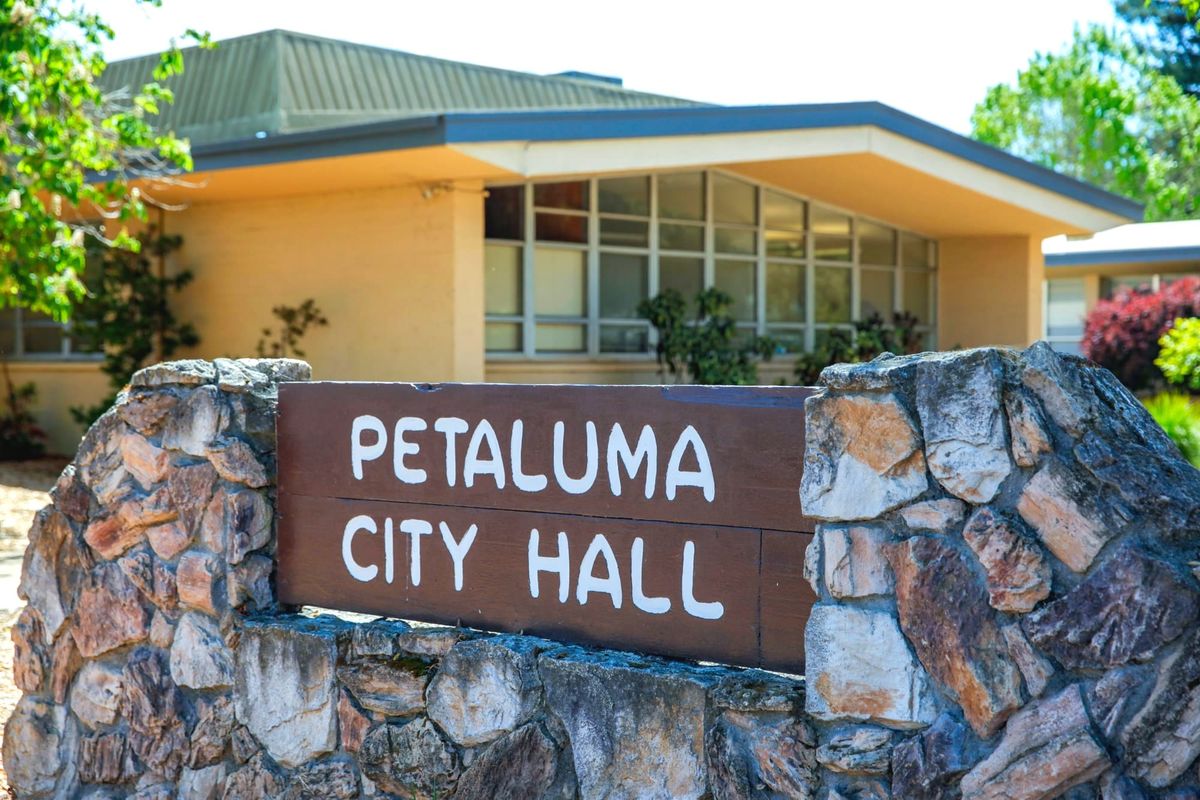
Petaluma City Council meetings are frequently long, sometimes interrupted with contention, and operated under a standardized order of events.
To ensure local government works for the people, it’s crucial the community understands how it operates.
What Are the Rules?
It’s not uncommon to hear “the Brown Act” referenced in public meetings. The Ralph M. Brown Act of 1953 outlines California’s “sunshine laws” – the rules and regulations that support the public’s access to public meetings.
Under the Brown Act, the Petaluma City Council and city commissions, committees, and boards (as well as organizations receiving public funds or exercising a public authority) must follow a strict order of procedures. The rules outline public notice requirements, what items can and cannot be discussed, and how and where meetings are held.
Under recent updates to the Brown Act to expand translation requirements and meeting access, as of July 2026 Petaluma will begin allowing remote public comments via Zoom.
How to Learn About an Upcoming City Meeting
The fastest way to find information about meetings is via the city’s website, cityofpetaluma.org/meetings. It’s a portal into the schedule of upcoming public meetings and, further below, an archive from years past.
The Brown Act states that local agencies must post agendas no less than 72 hours prior to a regular meeting, or 24 hours before a special meeting. Meetings don’t have a set ending time, but they frequently last upwards of three hours.
To see a city agenda, visit the meeting web page or sign up for email notices here when the agendas are posted.
How to Watch the Meeting
Attendees can watch the proceedings from within the City Council chambers at 11 English St. There are various ways to watch it online: via Zoom using a link in the agenda, streaming from the city’s meetings website (it’ll show a “live” icon), or on YouTube.
To watch meetings on TV, tune in to Petaluma Community Access on channels 26, 27, and 28, or, for those with AT&T U-Verse, channel 099.
To hear a live translated version or see translated transcription of the meeting, visit: https://attend.wordly.ai/join/VTXU-0630.
What to Expect in a Meeting Agenda
Meetings typically – though not always – proceed in the following order. For more specifics, refer to the agenda of the meeting you’re planning to watch.
- Call to Order: The meeting starts when the mayor (or the presiding council member) bangs their gavel to call the meeting to order. This is followed by roll call, Pledge of Allegiance, and announcement of who the moment of silence will commemorate.
- Agenda Changes and Deletions (only for the current agenda)
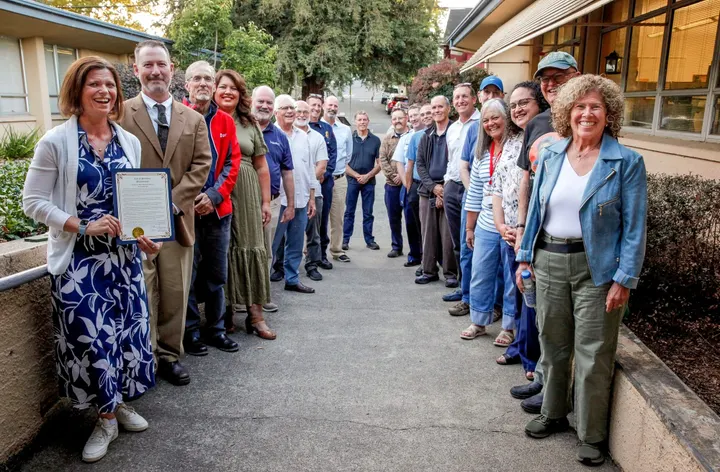
- Proclamations: These vary from month to month, with proclamations read for specific days (Arbor Day, Earth Day) or to recognize a specific month (National Historic Preservation Month, Sexual Assault Awareness Month).
- Presentations: These are generally informative presentations held by various agencies or organizations, though not at every meeting.
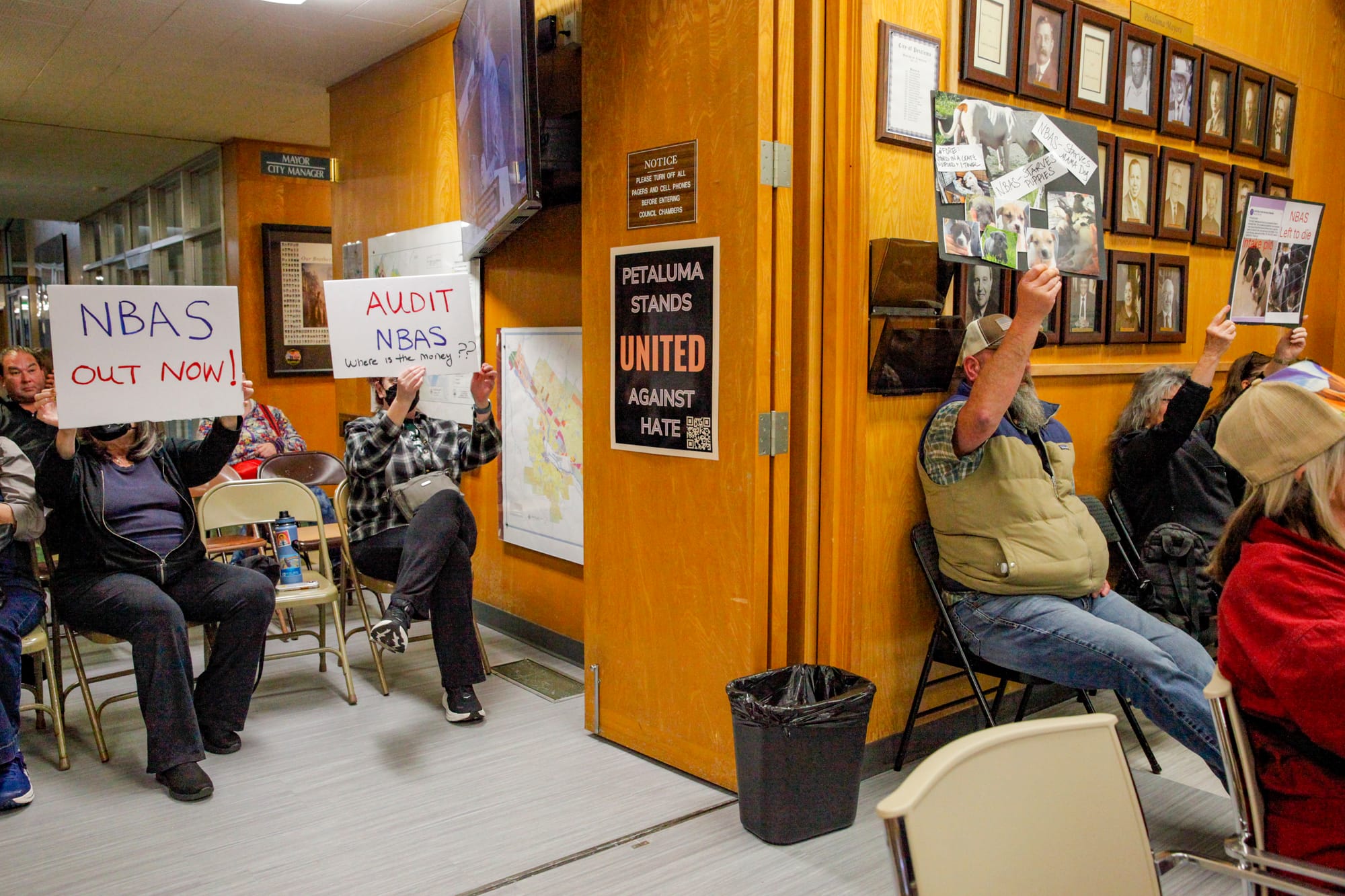
- General Public Comment: This is the time when members of the general public can share their concerns – given they relate to city matters within city limits. While comments are limited to three minutes per person, the Council can shorten the length of the overall public comment period. It begins roughly one hour after the meeting starts, depending on the number of proclamations and the length of the presentations. To be called for comment, stop by the city clerk’s desk at the front to fill out and submit a comment card.
People unable to comment in person or unsure if they’ll be given enough time to speak during the public comment period should email their written comments to the city clerk at cityclerk@cityofpetaluma.org. Commenters may also submit them through the agenda portal.
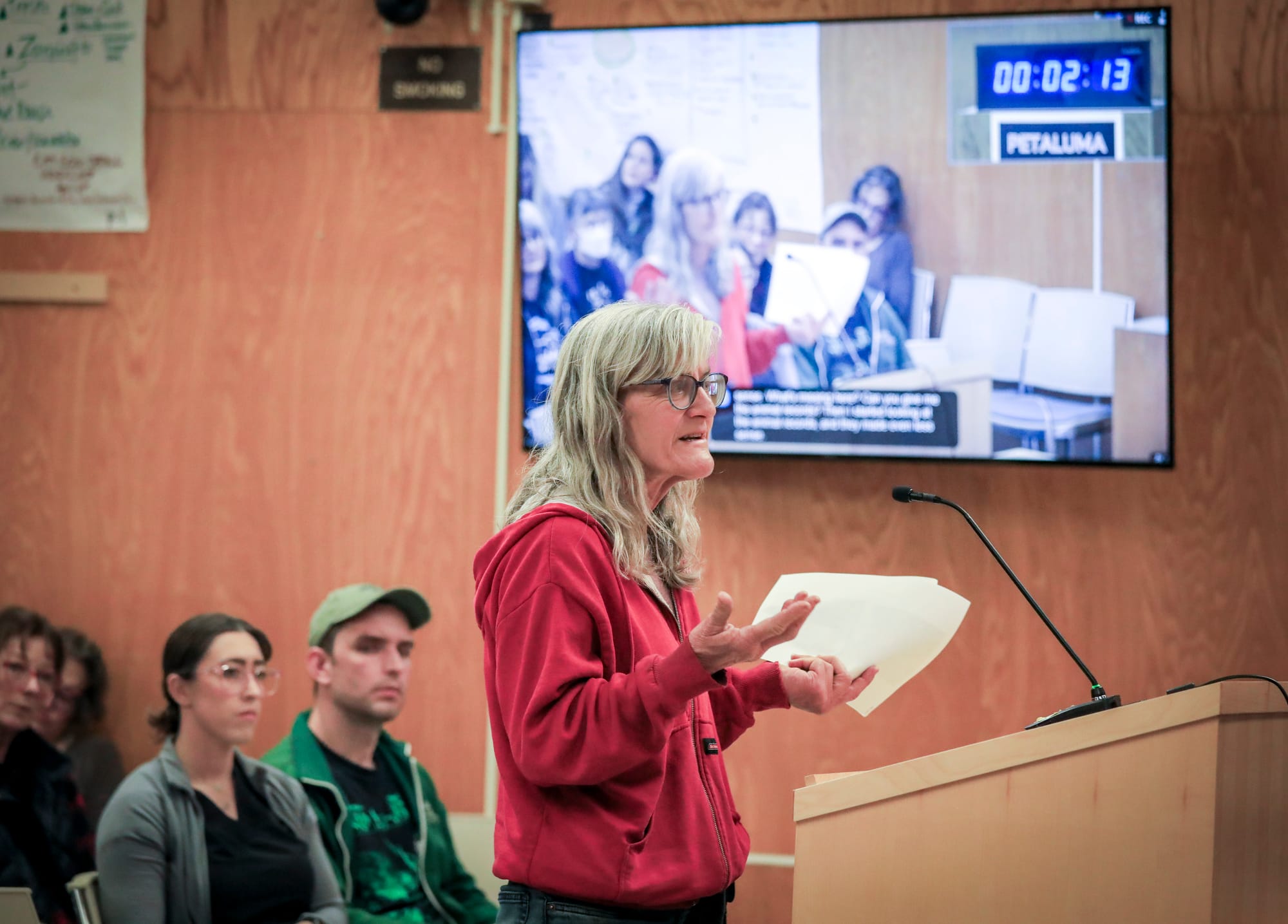
To ensure your comments are distributed to the council before the meeting and are put on the agenda site, send the comments at least two hours before the meeting’s start. The clerk will post comments that are sent after that two hour window to the record the next business day.
- Council Comment and City Manager Comment: During this time, members of the council as well as the city manager will frequently share information on activities they participated in such as government agency meetings, important milestones, or local events. They also frequently invite or alert the public to upcoming events they’ll participate in.
- Consent Calendar: Instead of holding multiple votes for several items, the council will make one single vote for these items. Many of them have already had public hearings and are up for their final vote. Notably, in this section of the agenda you can find the previous meeting’s minutes and the tentative agendas for future meetings, which offers insight on upcoming Council decisions.
- Public Hearings and Matters for Consideration: A public hearing is usually just that, a publicly held hearing with no vote tied to it. Matters for Consideration involve a council vote, usually for a resolution or an ordinance.
Regular ordinances get two rounds of votes. The first time is held during an introduction or first reading after a public hearing. The second reading (or final approval) is usually considered 30 days later and listed on the consent calendar.
- Adjournment: The official order to end the meeting.
Who Are Your City Council Representatives?
The seven-member city council is made up of representatives from six districts plus one mayor who is elected at-large.
To find the representative of your local district, visit this website: cityofpetaluma.org/departments/district-elections.
- District One: Janice Cader Thompson, jcaderthompson@cityofpetaluma.org, term ends 2026
- District Two: John Shribbs, jshribbs@cityofpetaluma.org, term ends 2026
- District Three: Karen Nau, knau@cityofpetaluma.org, term ends 2026
- District Four: Frank Quint, fquint@cityofpetaluma.org, term ends 2028
- District Five: Alex DeCarli, adecarli@cityofpetaluma.org, term ends 2028
- District Six: Brian Barnacle, bbarnacle@cityofpetaluma.org, term ends 2028
- Mayor: Kevin McDonnell, kmcdonnell@cityofpetaluma.org, term ends 2026
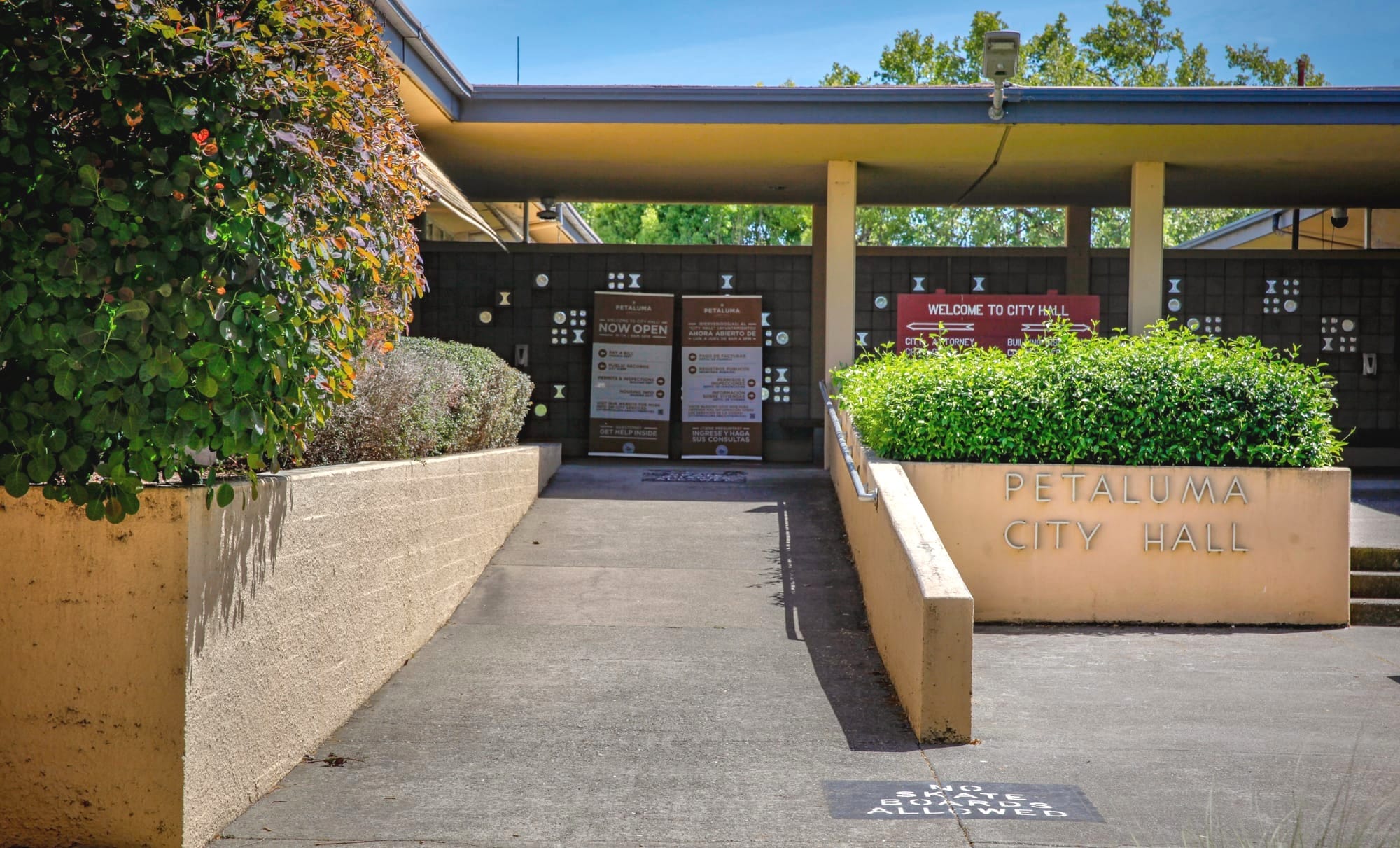
Petaluma City Council meetings are typically held the first and third Mondays of the month at City Hall (11 English St.).