New exhibit asks big questions through small things
“Longing is not just about looking backward,” says Lina Hoshino, curator of a new show on display this month at the Petaluma Historical Library & Museum, teasing out the root word longing from belonging. “It is what helps us imagine what comes next and how to move forward.”
The concept of belonging is just as much the subject of this thought-provoking community exhibition as is its more tactile title, “Belongings: What We Bring, What We Leave Behind.” The show’s stories of immigration and of dual homes – one left behind, the other adopted – raise a critical question: what do our belongings, our most precious personal effects, say about where we belong?
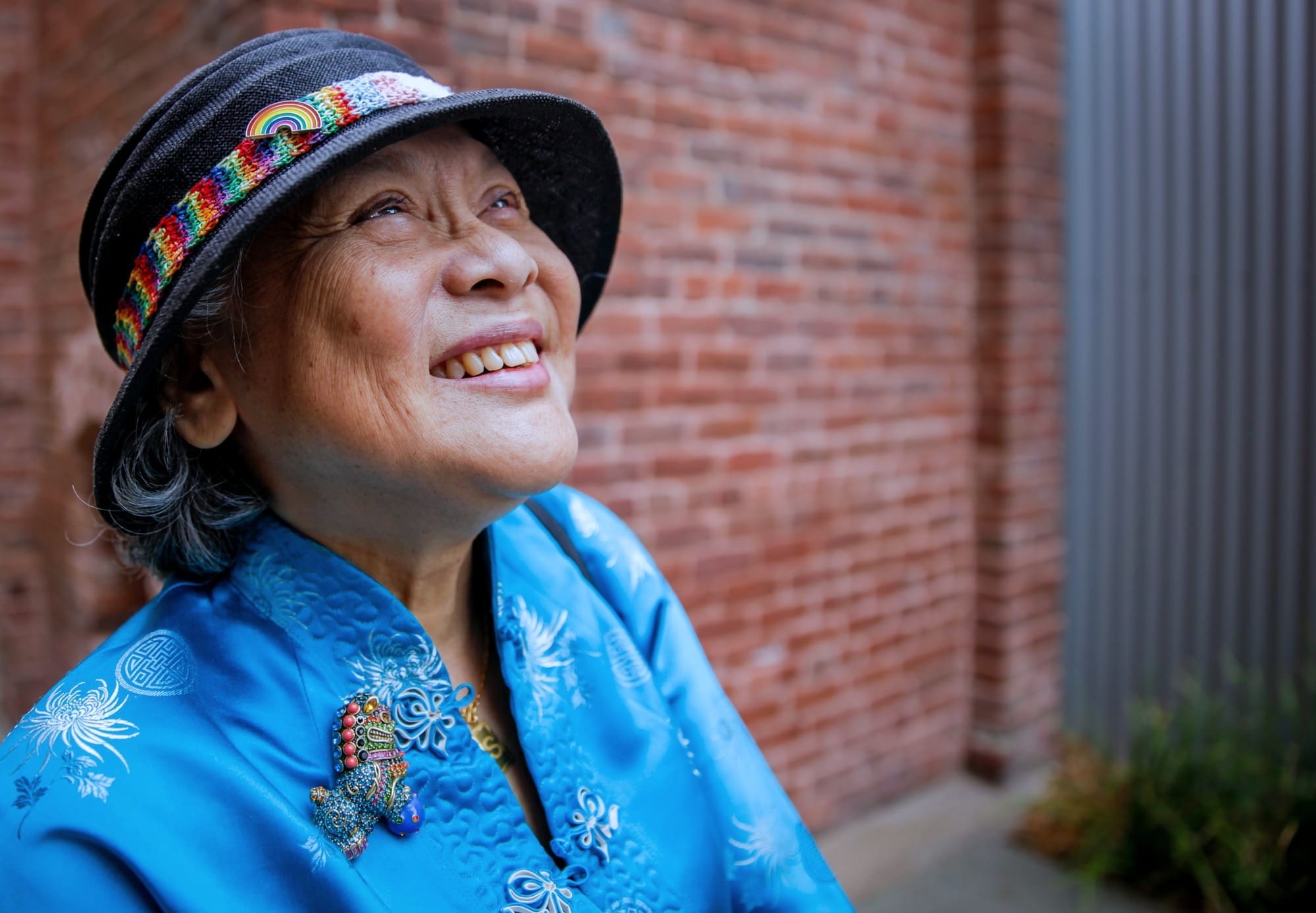
One of those stories started right here in Sonoma County in the 1940s. Hiroshi “Hank” Yamamoto, born in California to Japanese migrant workers in 1924, settled in Santa Rosa with his family and attended Santa Rosa High School. In a tale lovingly told by his daughter Gail Yamamoto Seymour, who still lives in Santa Rosa, the anguish and redemption of resettlement are as sharp as a scythe.
Being Nisei, or second-generation Japanese-American, was never easy for Hank. That’s why the baseball and basketball teams at Santa Rosa High were so important to him. He felt finally that he belonged. His teams and his friends were everything to him.
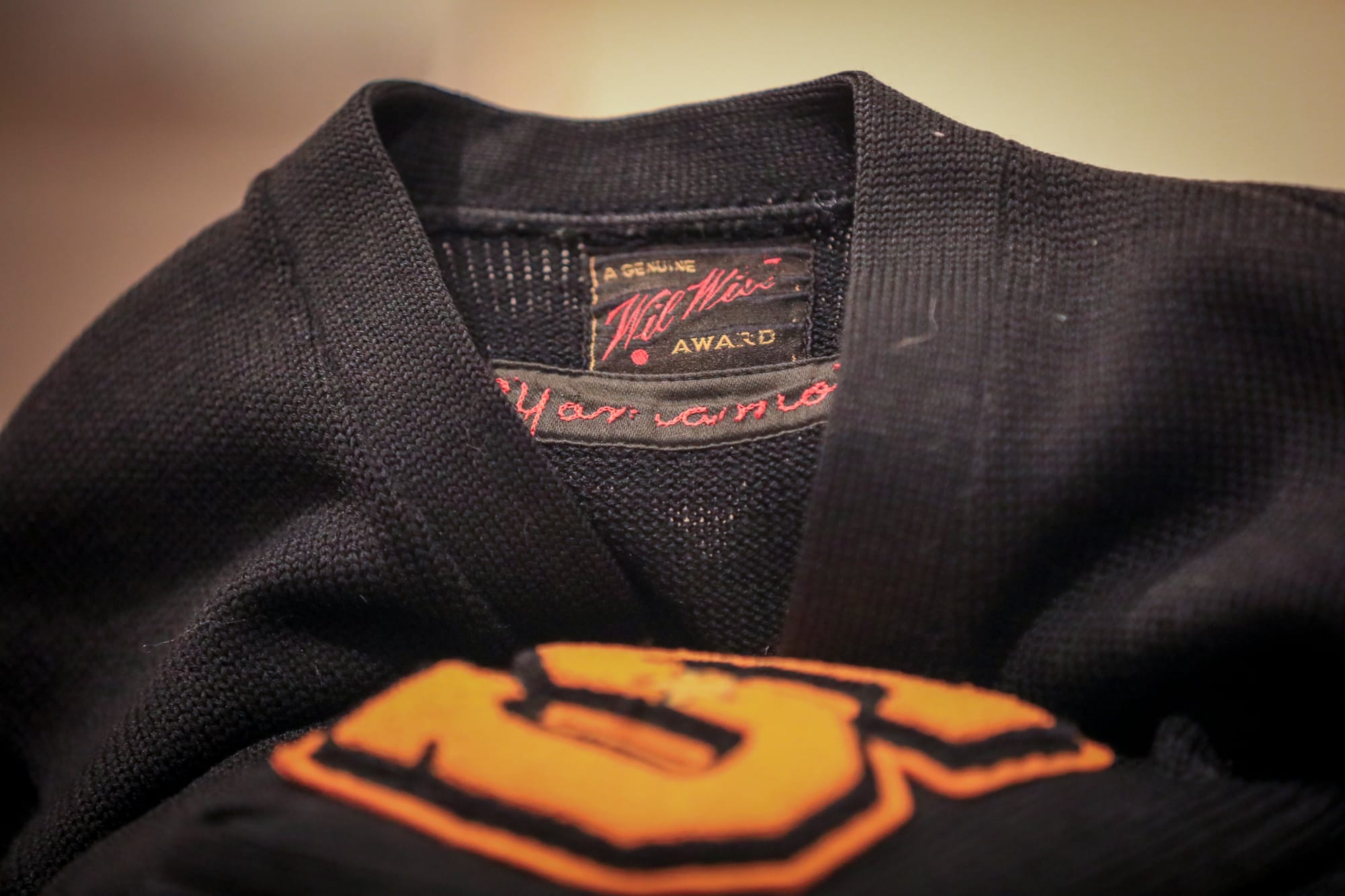
When Hank and his family were forced out of their home after the Empire of Japan’s bombing of Pearl Harbor, he was shocked that none of his friends supported him, or saw him off. Still, when he volunteered to fight for his country with the 442nd in Europe, he left his letterman sweater with his sister for safekeeping.
After Hank resettled in a still imperfect California and passed away decades later in 2010, his daughter kept alive his dream of belonging, symbolized by his high school yearbooks and that treasured letterman sweater. Maybe one of those boys from the Class of 1940 are still around to see them, and finally say goodbye.
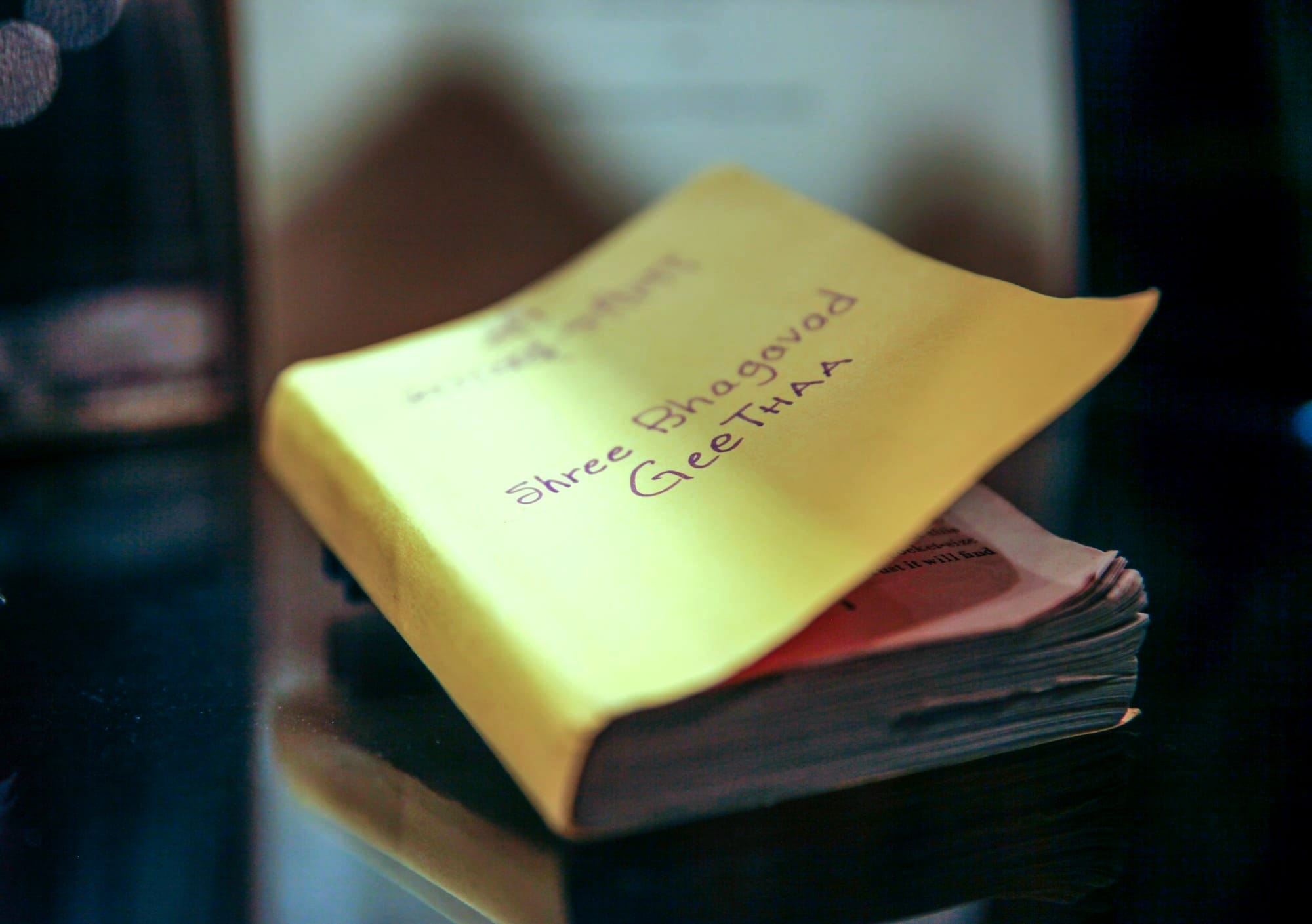
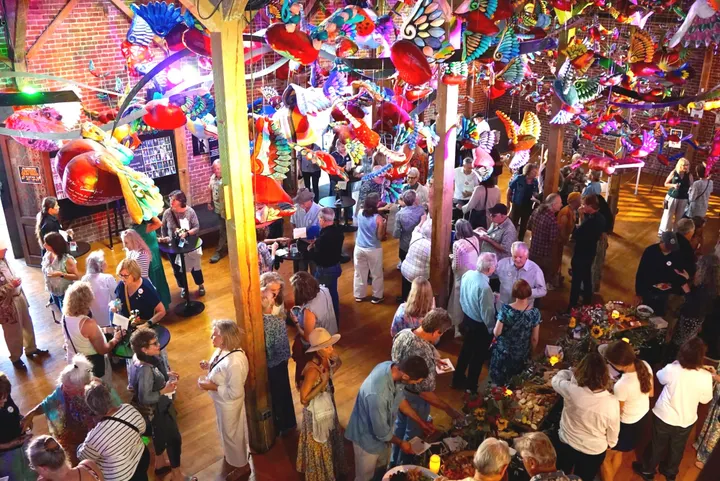
At its most fundamental level, the exhibition is a collection of objects carried, passed on, stowed for safe-keeping within families, so that two worlds, the old and the new, could find peace with each other.
It includes photographs from childhoods just before they were torn by conflict in places like Zimbabwe and Cambodia. There are highly symbolic and deeply personal pieces of jade from post-revolution China: small items, things that can be carried by those that flee.
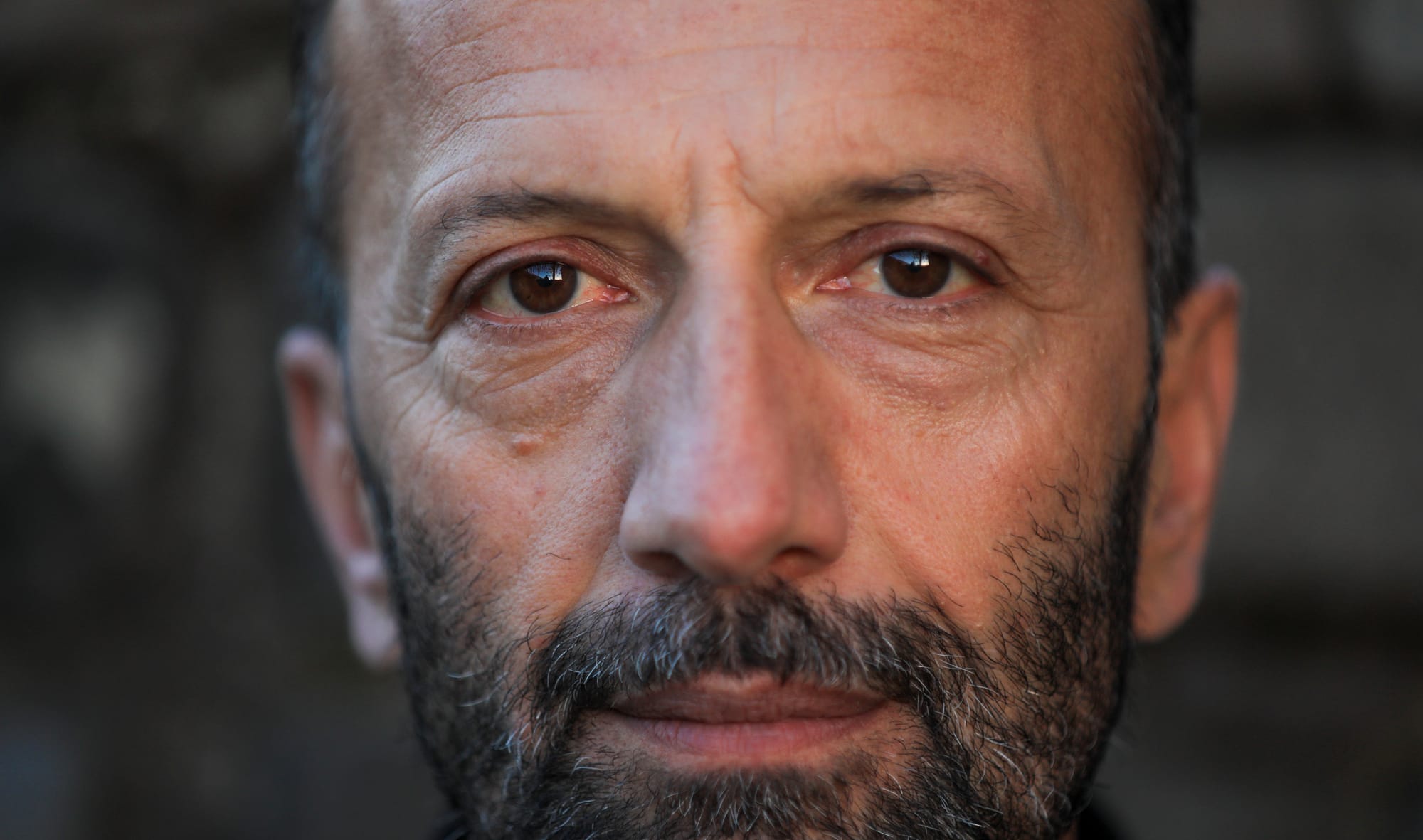
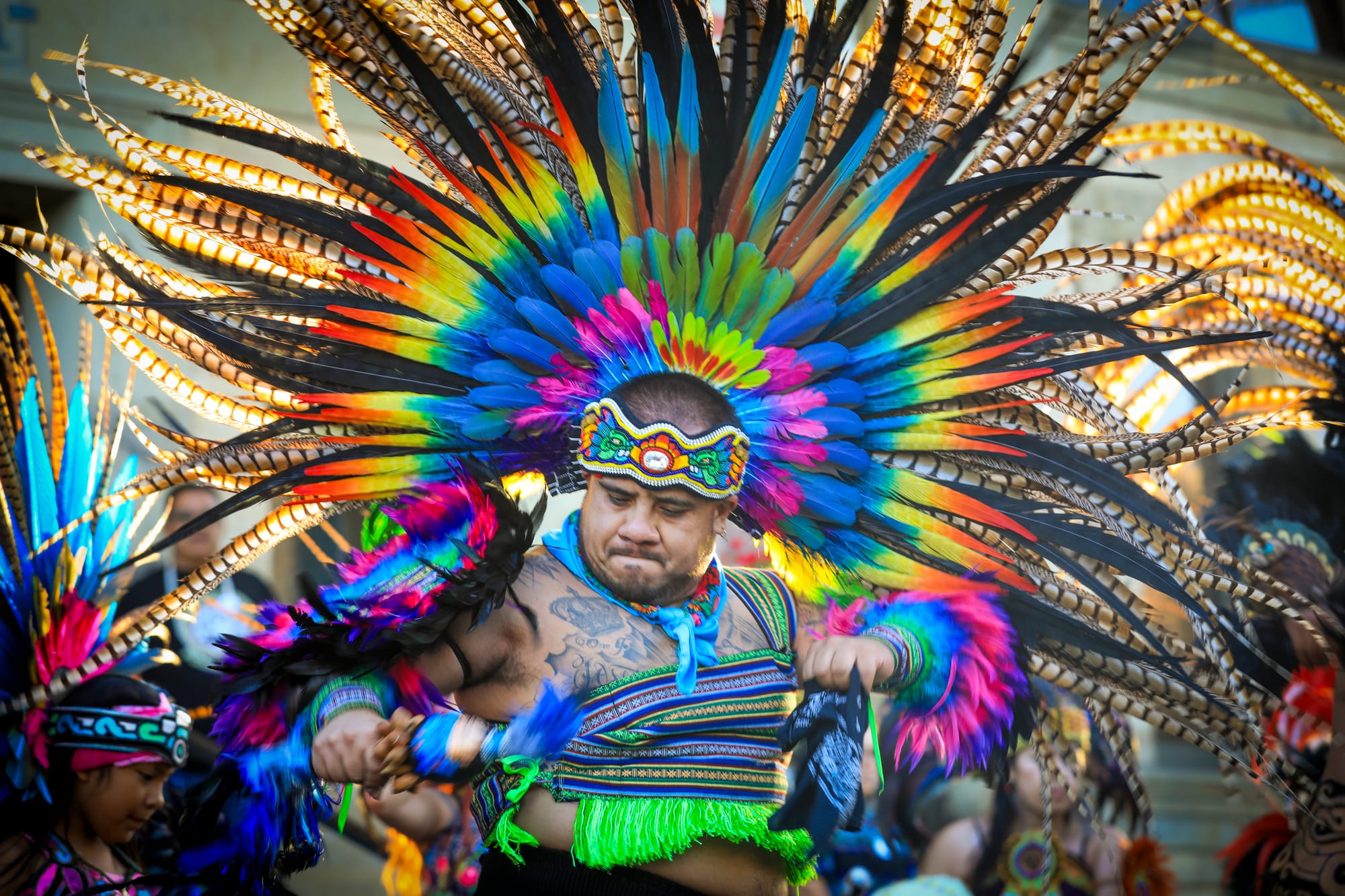
The collection also acknowledges that there have been others forced to flee from here, the occupied territory of the native people that came before and, despite all odds, are still here. A clapper stick (“hay bit’abit’aka”) from elderberry wood heralds their return, handcrafted by Joe Salinas, a member of the Kashia Band of Pomo Indians of the Stewarts Point Rancheria who blessed the exhibition with a Pomo dance at the opening celebration.
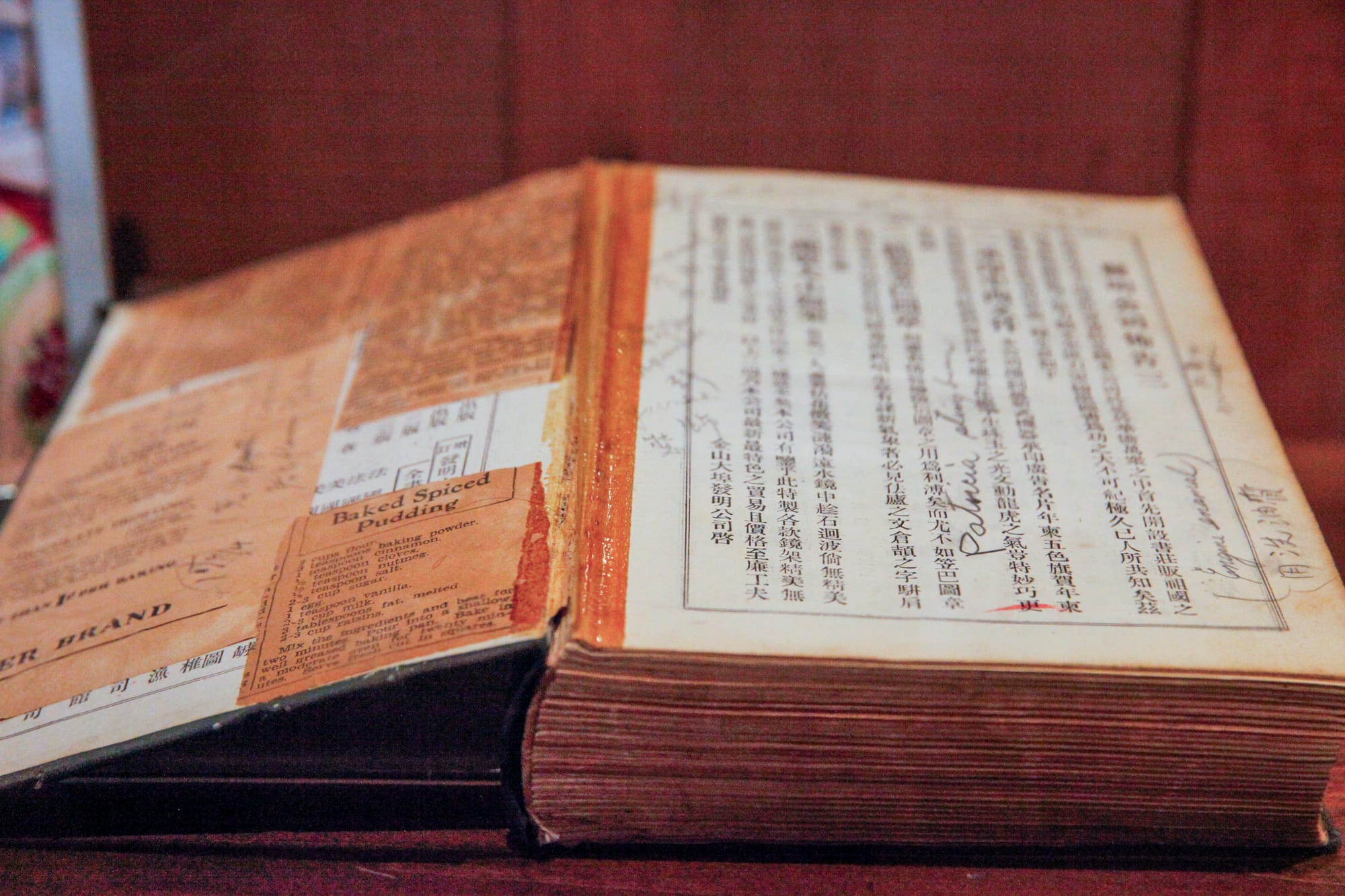
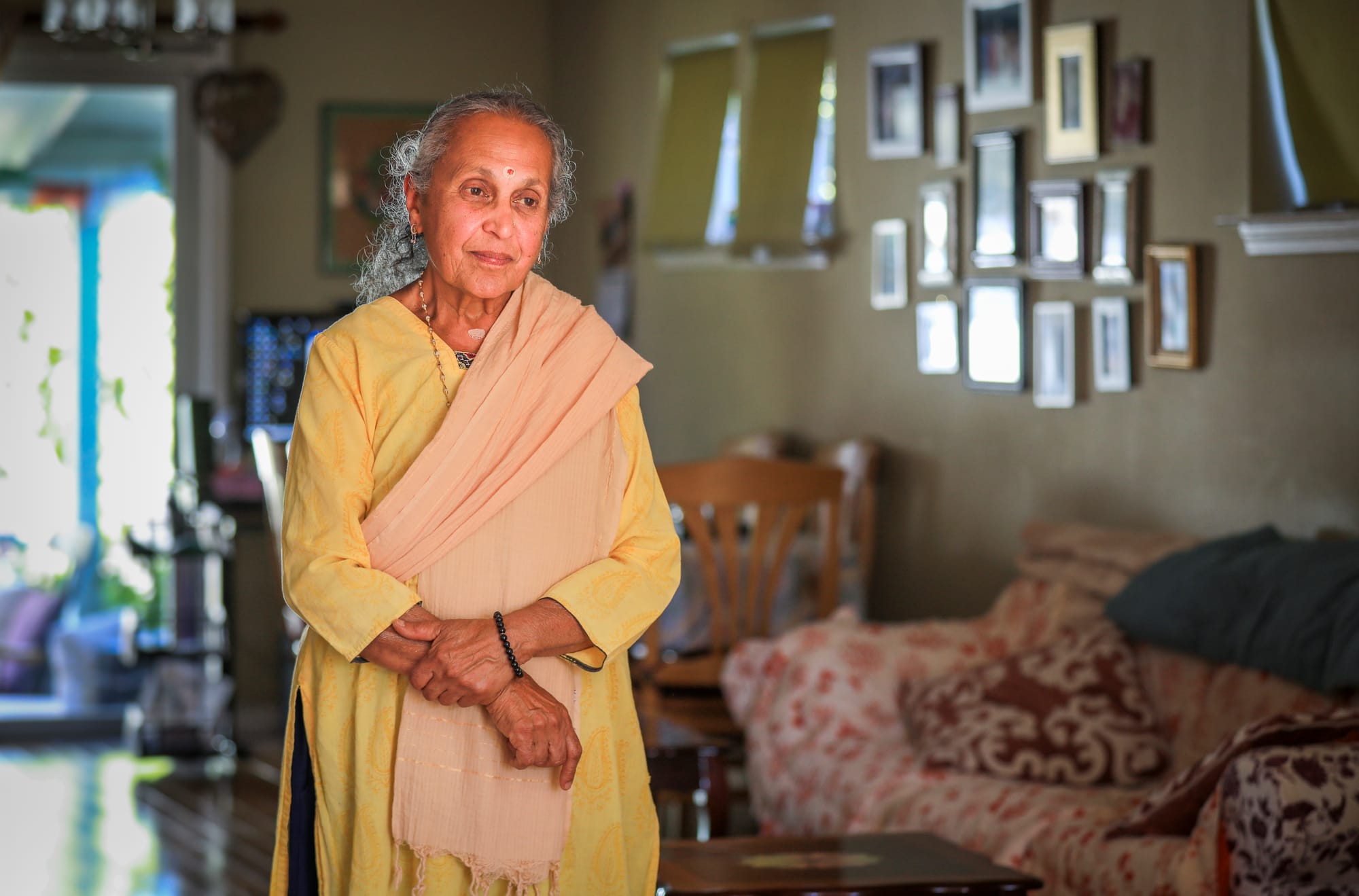
Other local contributors (and their belongings), all Petaluma residents, include: Anne Sachs (a cookbook from her father); Vasanti Jayasawal (the Bhagavad Gita); Mohammad Zahir Qaderi (a story titled "Kabul, My Silent Prayer"); An and Dan Nguyen (a passport photo of their mother); and Maria Perez (a silkscreen made by her mother).
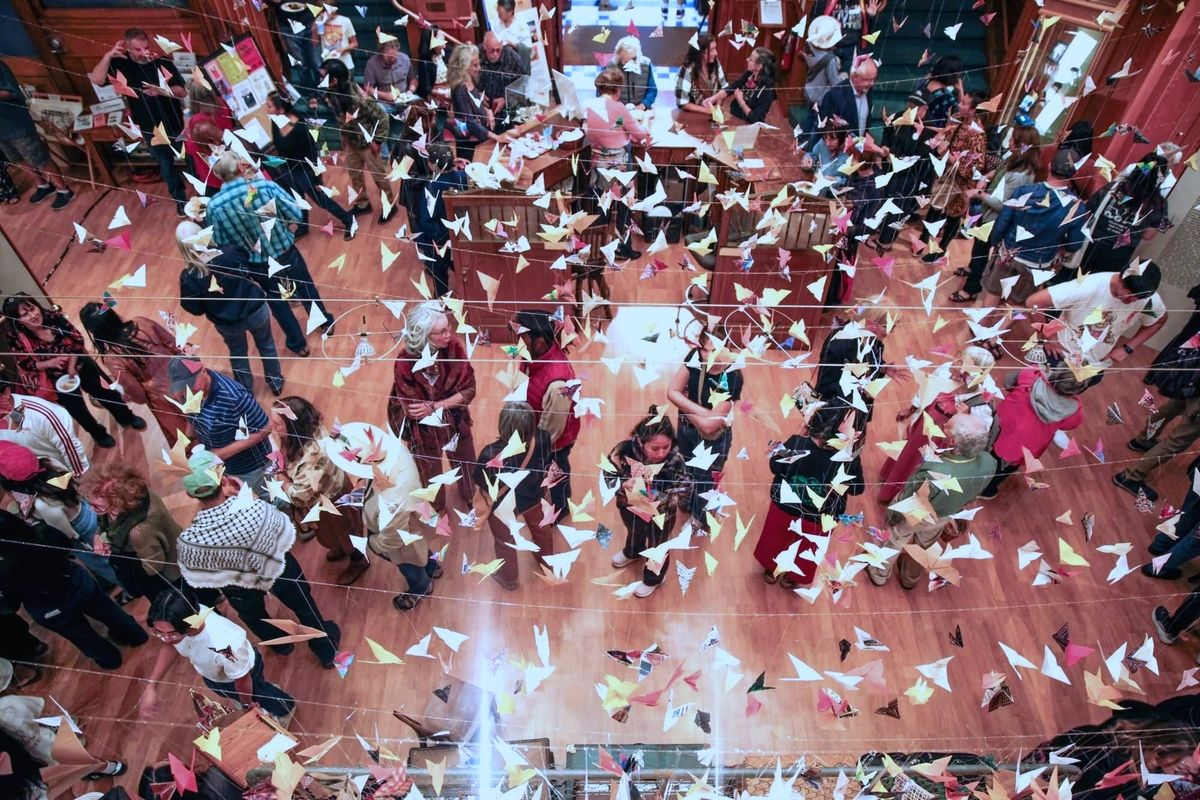
There is a social element to the show, too: weekly events throughout the month that feature the stories of the objects, told by those that treasured them – or by their descendants. These include films, indigenous dances, and talks. (See the whole lineup at https://belonginginsoco.org.)
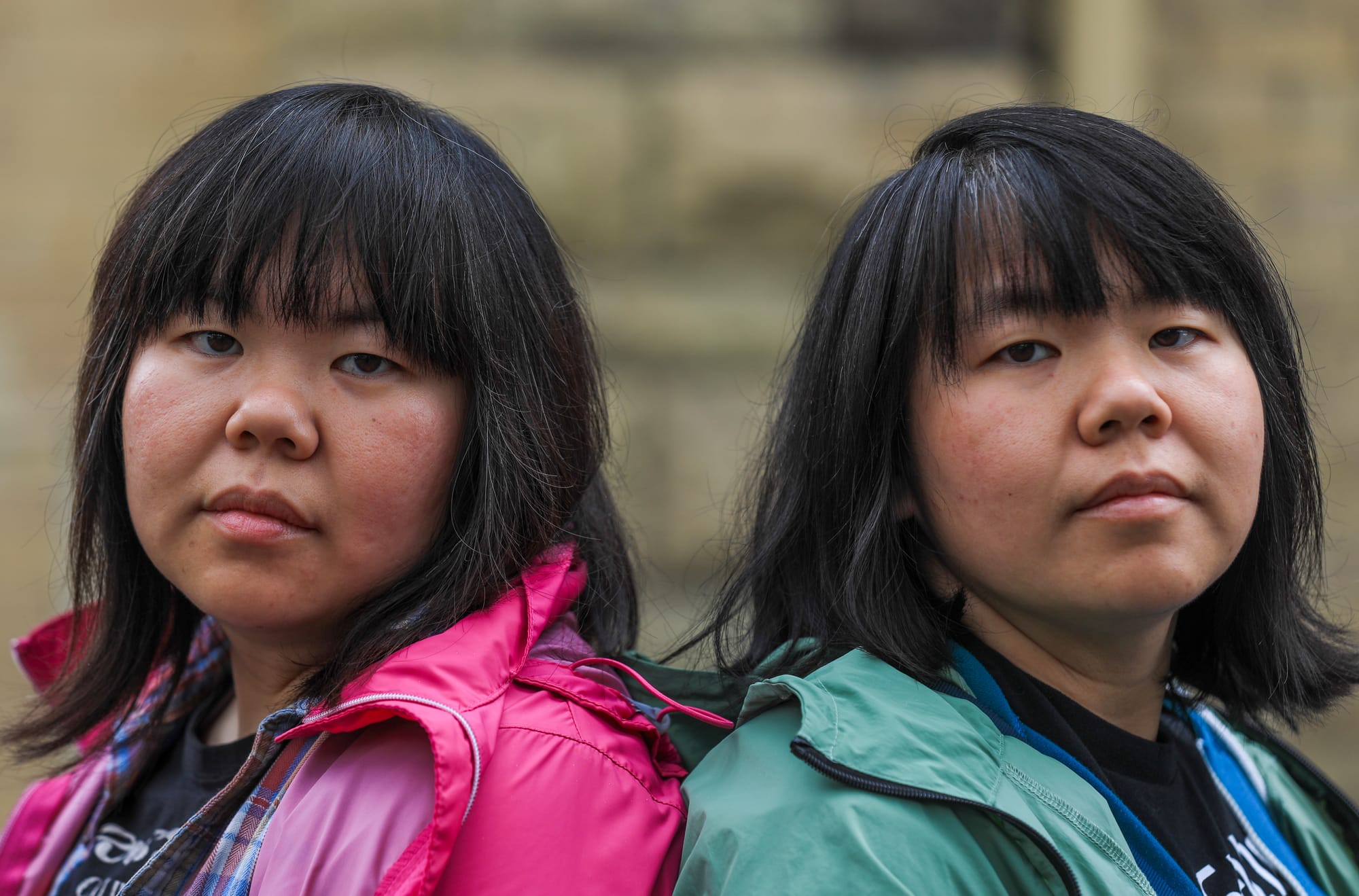
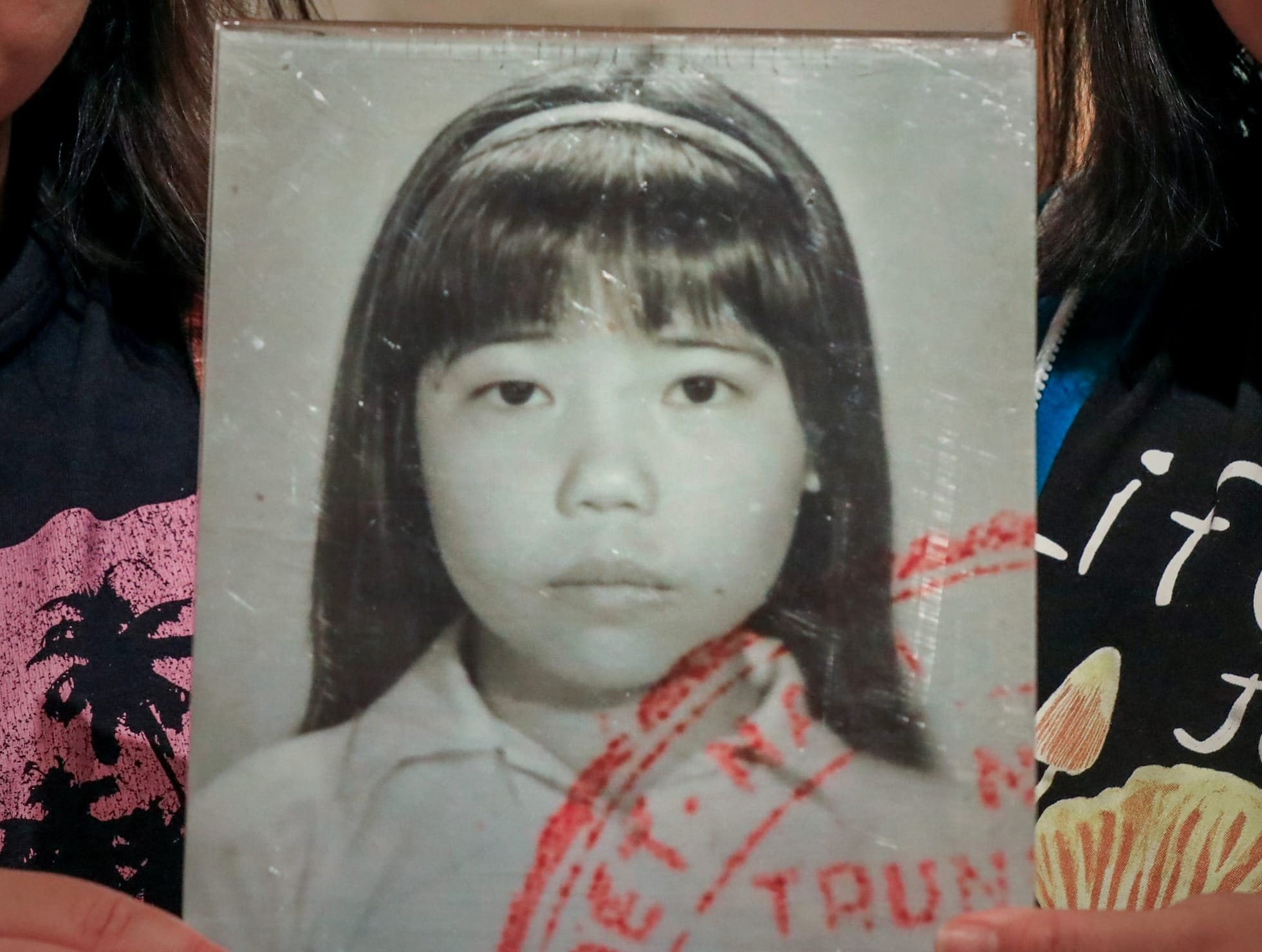
Especially compelling are the events on Saturday, Sept. 12, and Saturday, Sept. 19, when exhibition participants will stand up and bravely tell fellow community members the stories of the objects they have shared.
Hoshino said she created the show not to have “visitors to look at other people’s objects and stories, [but to] ask them to think about their own.”
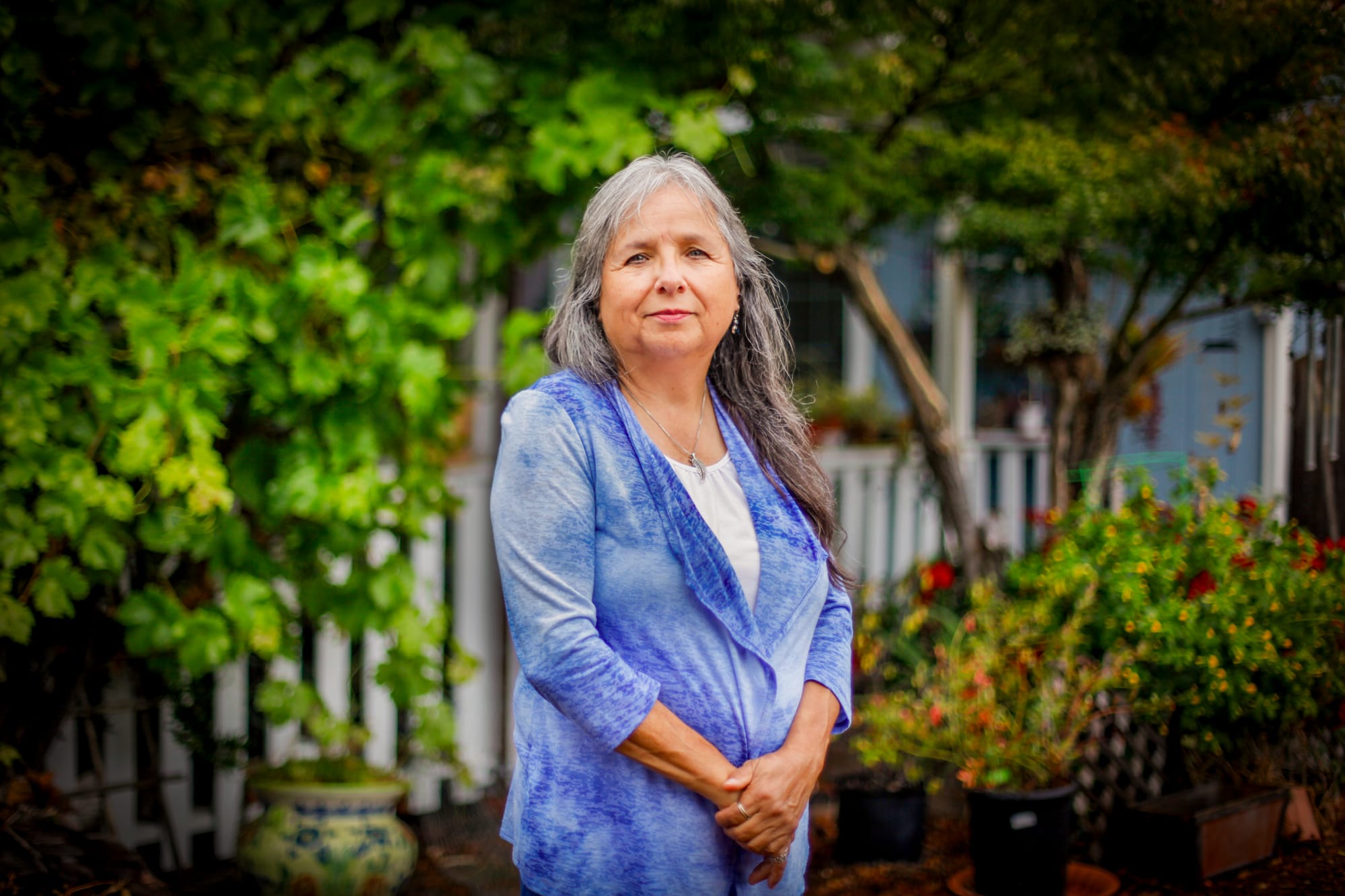
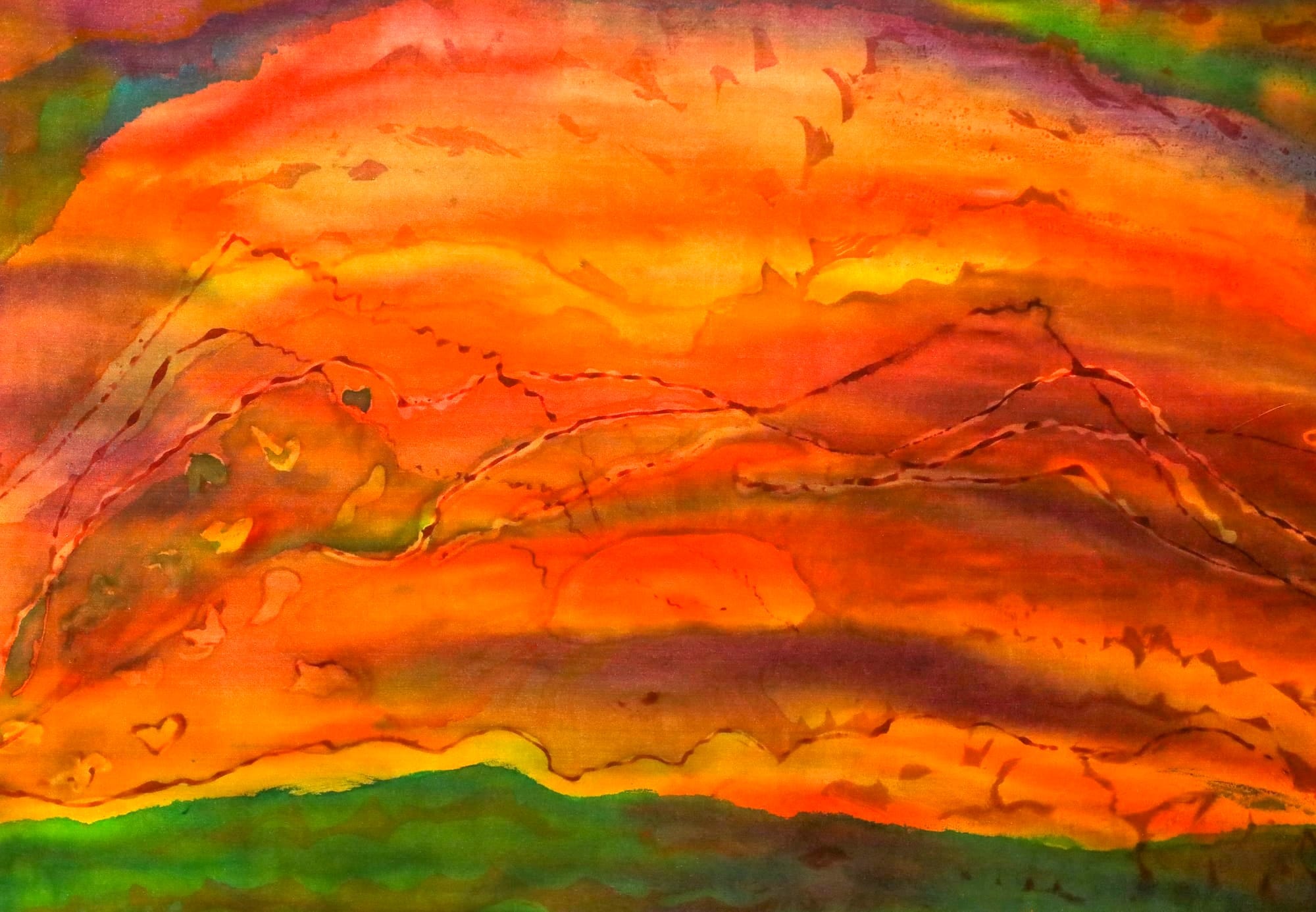
Taken together, the gathered items and the stories behind them “reveal how expansive our collective migration story really is," she said, "no matter where someone comes from or how long they have been here."
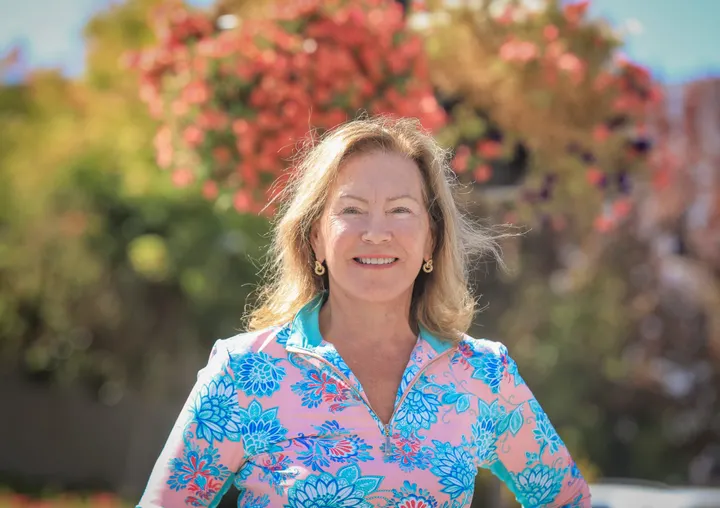
That includes Hoshino herself, who is New Jersey-born with Japanese and Taiwanese roots. “As the only American-born U.S. citizen in my family,” she said, “I have always felt a strong longing for a place where whether or not ‘I belong’ is not under scrutiny or question.”
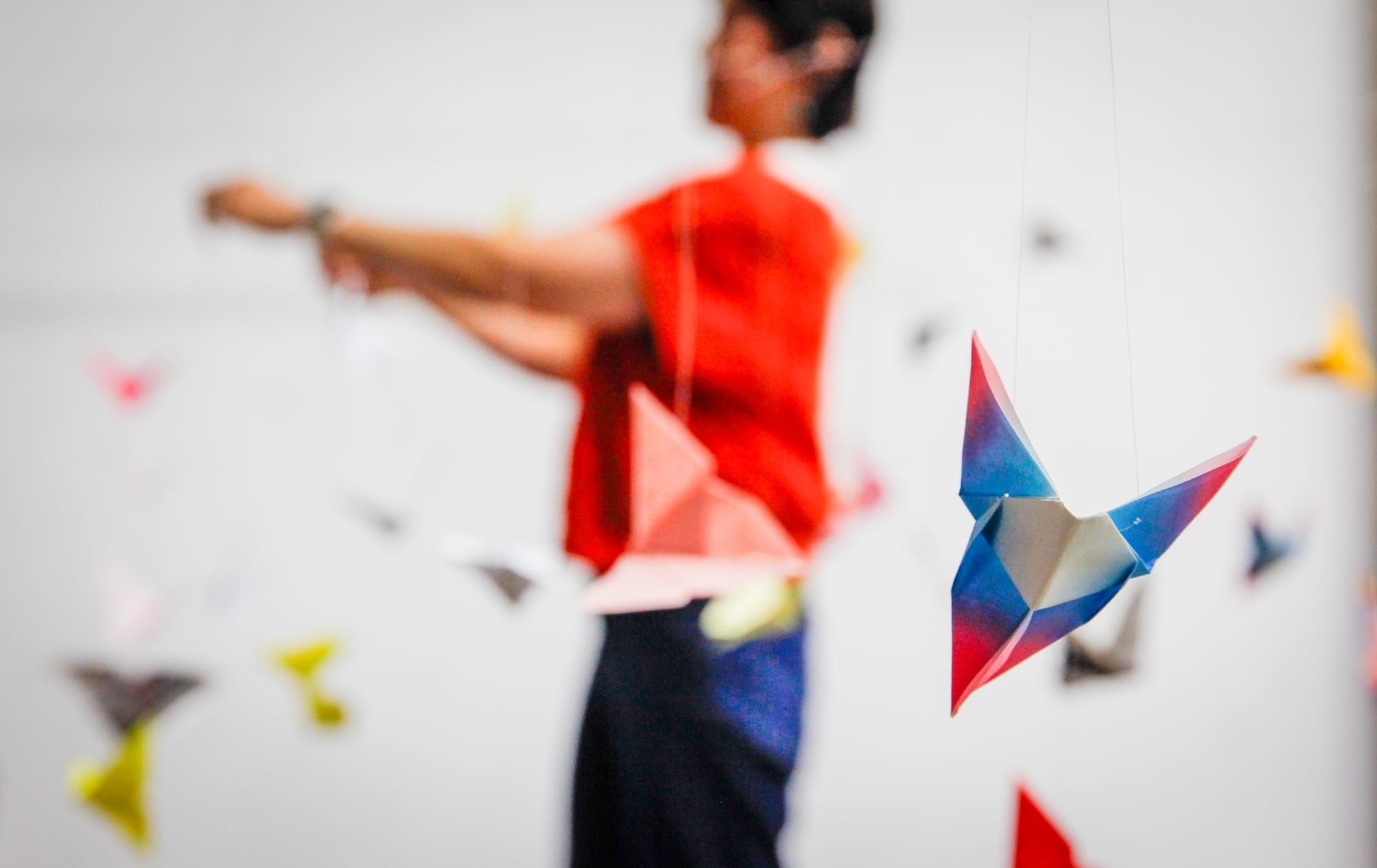
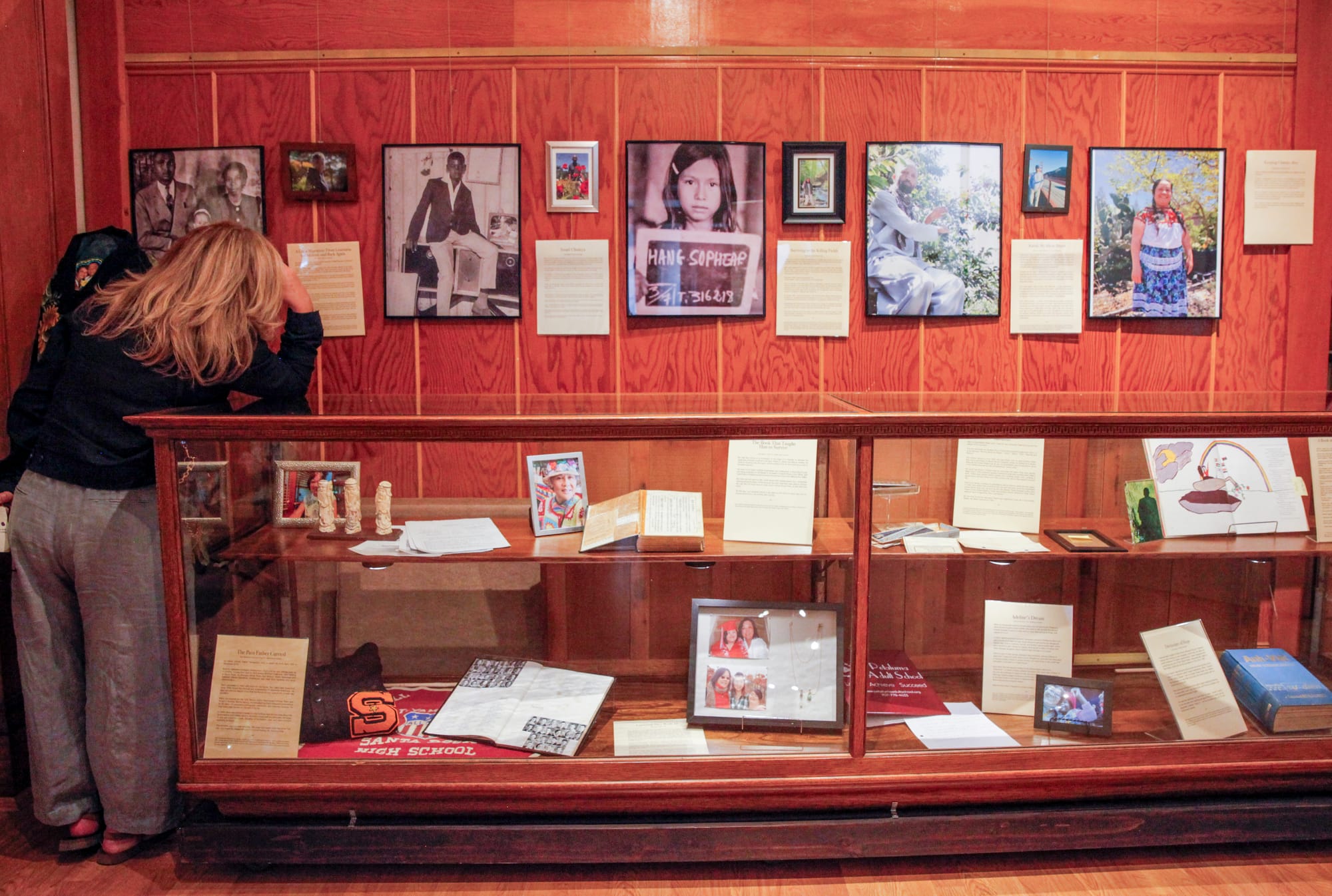
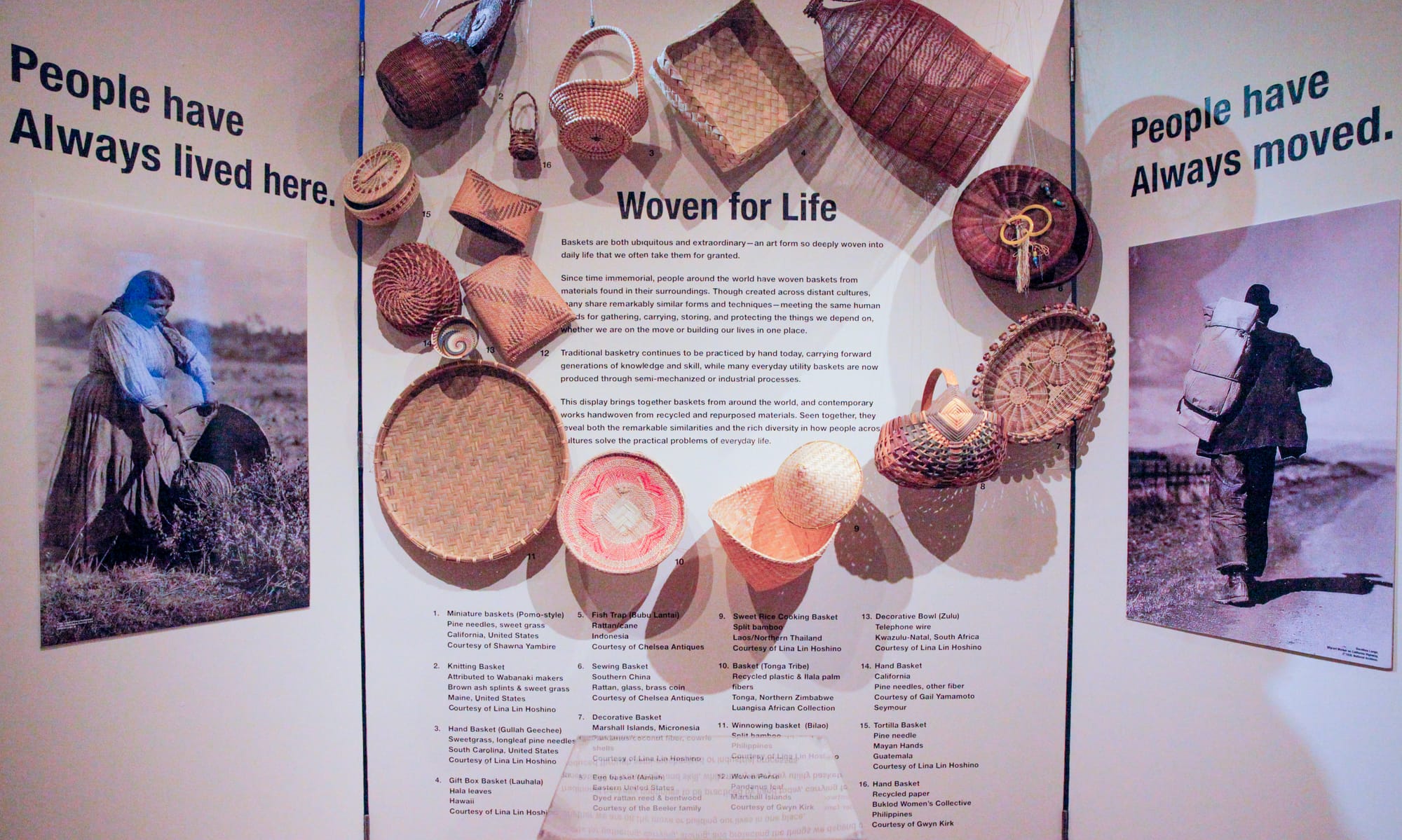
The "Belongings" exhibit is on display at the Petaluma Historical Library & Museum through Oct. 4. (Thursday, Sept. 3, 2026. Photos by CRISSY PASCUAL/PETALUMA VOICE ©2026)
"Belongings: What We Bring, What We Leave Behind" runs through Sunday, Oct. 4, at the Petaluma Historical Library & Museum (20 4th St.). Open Thursday to Sunday, 10 a.m. to 4 p.m. Free admission.
The "Stories We Carry" storytelling gatherings take place on Saturday, Sept. 12, and Saturday, Sept. 19, 6 p.m. to 8 p.m. Free admission. To RSVP and for more information, visit https://belonginginsoco.org.
Crissy Pascual is a photojournalist and co-founder of Petaluma Voice. She can be reached at photos@petalumavoice.org.
Nate Seltenrich is an editor and reporter at Petaluma Voice. He can be reached at nseltenrich@petalumavoice.org.
Do you like our work? Support us with a tip.