Voices: Beyond the baby blues
Postpartum anxiety and depression are common in Sonoma County, but there's a way we all can help
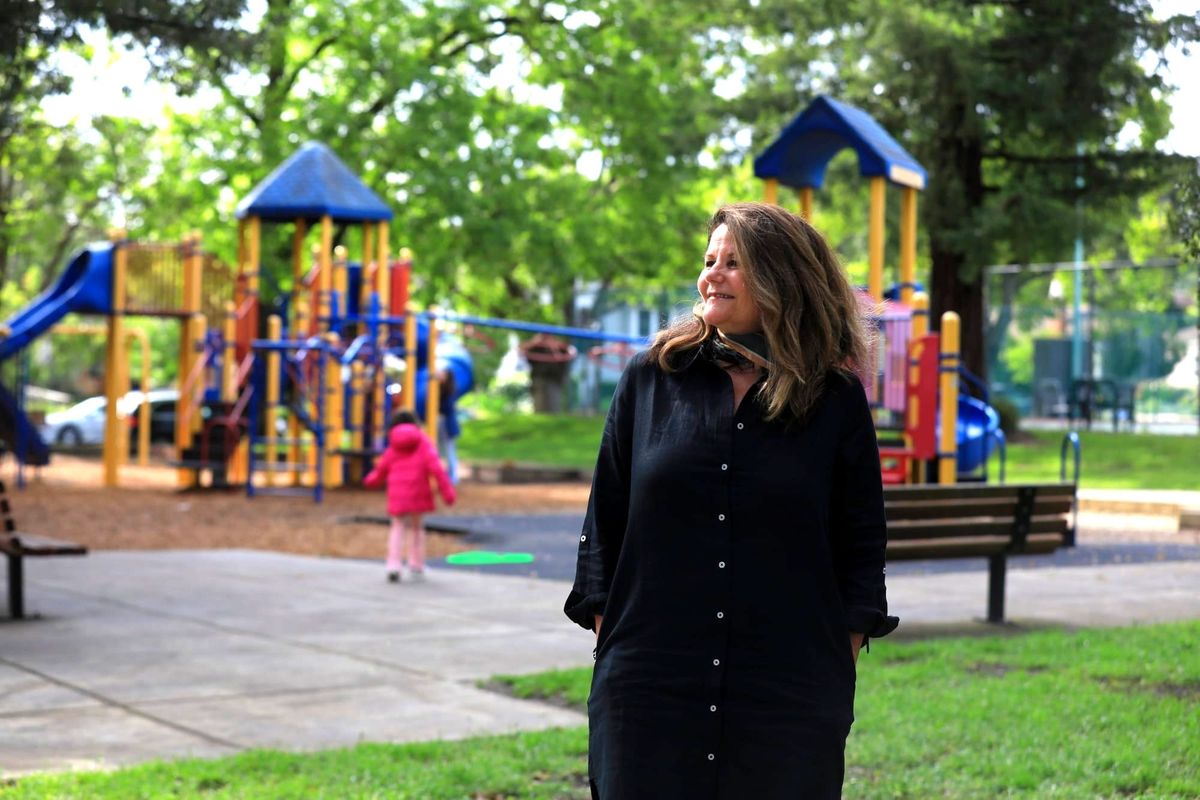
"Voices" is our column for community contributions, where guest authors share their expertise or unique perspective on life in Petaluma. If you would like to contribute, please email news@petalumavoice.org.
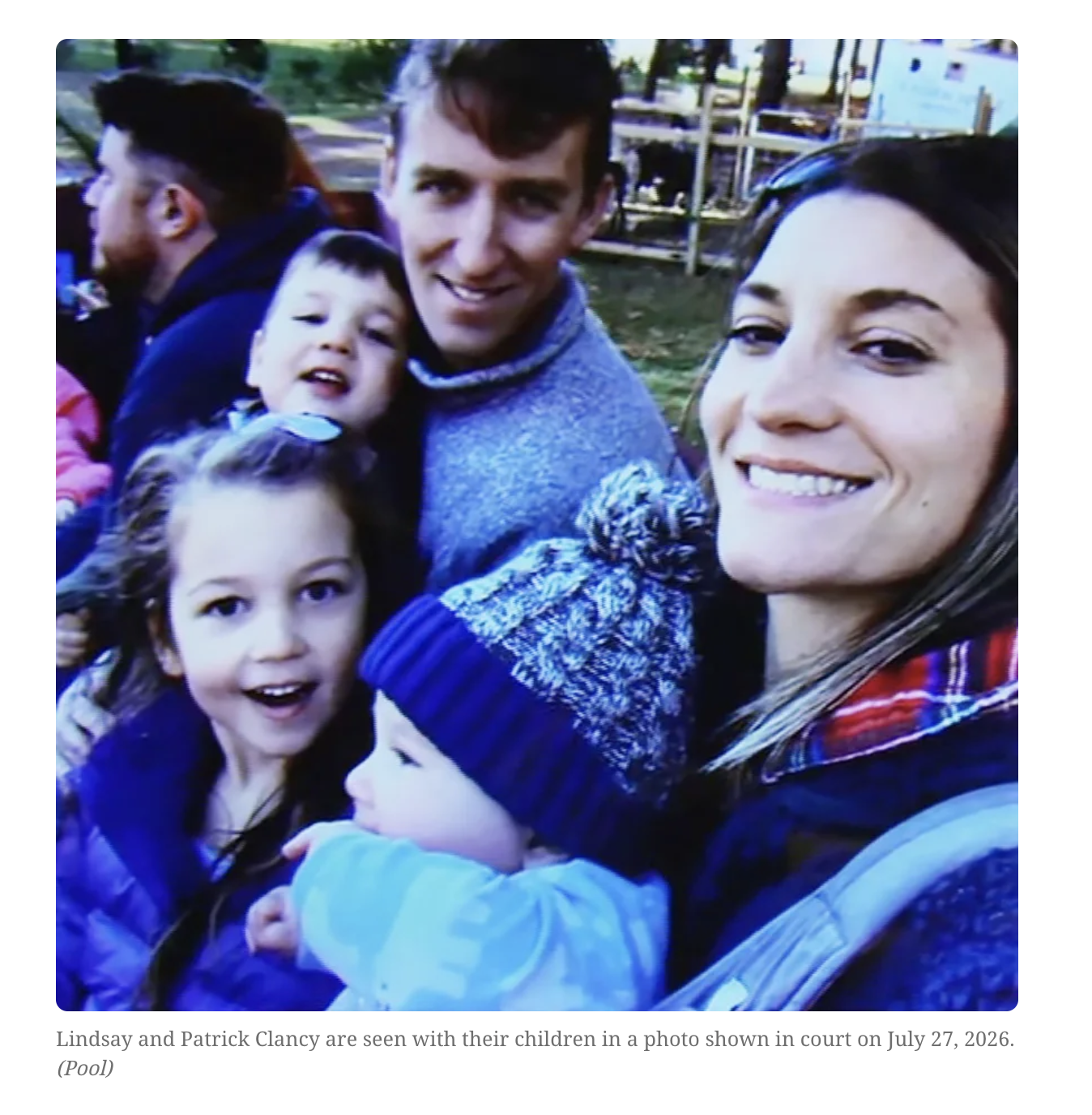
As the founder and clinical director of Mothers Care Support here in Petaluma, I am aware of the impact of the incredibly painful Lindsey Clancy trial making headlines across the country. The case has spurred debate, conversations, and a wide range of emotions and reactions around maternal mental health. From my perspective, it is important to remember that postpartum psychosis is rare. At the same time, I know that perinatal mood and anxiety disorders more broadly are the No. 1 complication postpartum.
In Sonoma County, 41% of new mothers experience anxiety or depression symptoms before, during, or after giving birth, higher than the state average of 35%, according to the 2020-2022 California Maternal and Infant Health Assessment. In First 5 Sonoma County’s 2026 Maternal Health Needs Assessment, three of four Sonoma County mothers reported experiencing some form of mental health challenge.
What I often hear people say is, “I had postpartum” or “My sister or my friend had postpartum.” But what does that mean? This term is a sort of shorthand for a range of mood and anxiety disorders that can be mild, moderate, or severe. These conditions can predate pregnancy and be exacerbated by the major biopsychosocial and neurodevelopmental transitions of pregnancy, birth, and the postpartum period, or they can be new and never experienced before this time.
The mildest mood impact postpartum is commonly called the “baby blues,” experienced by an estimated 40% to 70% of new moms. This is when someone’s mood is all over the place, and they may feel overwhelmed, incapable at times, or prone to crying.
Let’s remember that within 48 hours after birth, estrogen levels drop by about 90% and parents are sleep-deprived, feeding a new baby (maybe for the first time), exhausted, sore, and potentially recovering from a birth that was complicated for them. When someone is experiencing the baby blues, the intense feelings associated with this time significantly decrease or even disappear two to three weeks postpartum.

When these feelings and symptoms persist for longer, we may start to consider a mood or anxiety disorder diagnosis. Someone could be experiencing mild or moderate depression, anxiety, obsessive-compulsive disorder, panic disorder, or post-traumatic stress disorder. They could also experience intrusive thoughts that may be embarrassing, concerning, or frightening to the mother of the new baby.
In our work as perinatal mental health specialists, we support moms to express these thoughts, to unburden, and to understand what they are experiencing without fear of judgment or reprisal. We know these thoughts can be scary or shameful and may make moms want to hide. But we also know that when these thoughts are hidden, there is an increased chance they’ll become worse.
When a new mom is in a mental health crisis and in need of a higher level of care, specialized programs are not always available or easily accessed. In the U.S., there are just five inpatient programs that specialize in the treatment of perinatal mood and anxiety disorders, and only 46 specialized intensive outpatient programs, according to the Maternal Mental Health Leadership Alliance. One, El Camino Hospital, is located relatively nearby in Mountain View.

For moms who are receiving medication for conditions such as bipolar disorder, depression, anxiety, obsessive-compulsive disorder, and substance use disorder, accessing appropriate care can be even harder. It may be difficult to nearly impossible for them to access reproductive psychiatrists. It should be noted that bipolar disorder is a risk factor for developing postpartum psychosis.
When I train therapists, we go over a list of risk factors for developing perinatal mood and anxiety disorders. The list is long. It is accurate to say that life is a risk factor and that risk factors are in the eye of the beholder. But here are some to consider:
- Mood or anxiety disorder diagnosis
- Stressful life events such as divorce, moving, death of a parent, job loss
- Perfectionism/fear of making a mistake
- Traumatic birth experience and/or C-section
- Preterm birth/infant admission to neonatal intensive care unit
- Child with medical issue or developmental differences
- Feeding/breastfeeding problems
- Birth of multiples
- Prior miscarriage or pregnancy loss, fertility issues
- Infants with colic/significant fuss patterns
- Intimate partner violence and conflicted social support
- Sleep deprivation
- Social isolation
- Childhood trauma
- Systemic racism; immigration and legal status
- Cultural factors including acculturation stress and related pressures
- Health system barriers
- Social media
- Substance use disorder
Fortunately, there is a lot that we can do mitigate the effects of these risk factors. Our families and our community can be a strength. If families understand the risks and know where to find community and clinical resources, that is protective. When families and communities gather around and support a family of a new baby for at least 14 weeks, also known as the fourth trimester, it is protective.

In many cultures there are rituals that support postpartum healing. In Sonoma County, 40% of births are to Latine parents, some of whom observe la cuarentena. For 40 days postpartum, this is a time for a mom of a new baby to rest, bond, and to be cared for by family and community members. This time can include healing rituals, warm foods, and bed rest.
Not everyone has a family or community that can provide support and even when they do, sometimes clinical services are needed. Mothers Care Support is a network of perinatal mental health specialists. We provide group and individual services for moms and dads, including bilingual/bicultural clinicians. Our services are at no cost, covered by insurance, grants, and donations.

Perinatal health resources:
- Mothers Care Support: https://www.mothercaresupport.com
- Humanidad Therapy and Education Services: https://srosahtes.org
- Maternal Outreach Mood Services (MOMS) at El Camino Health: https://www.elcaminohealth.org/services/mental-health/specialty-programs/maternal-outreach-mood-services
- Postpartum Support International: https://postpartum.net
- Maternal Mental Health Leadership Alliance: https://www.mmhla.org
Allison Murphy is chief executive officer and clinical director of Mothers Care Support in Petaluma. Visit https://www.mothercaresupport.com or call (707) 776-0959 for more information.
Do you like our work? Support us with a tip.