Council Approves $400.5 Million Budget
Economic uncertainty looms, public toilet proceeds
City finance leaders pointed to ongoing economic uncertainty as they took steps to lessen financial strains in the latest $400.5 million city budget, which City Council unanimously approved Monday night.
This year’s budget grew by about 15% over last year’s, worth $348.1 million.
The city’s assistant director of finance, Corey Garberolio, noted at a May 11 budget workshop that inflation remained a critical point of concern in the city budget. Though inflation has eased since last year, it picked up again after the start of the war in Iran, she said.
Combined with elevated unemployment rates, ongoing concerns about interest rates and home affordability, and weak consumer confidence, this “all results in expenditure growth that continues to outpace our revenues,” she said. “All of this has directly impacted the city's finances and we aren't alone. It's happening all around us.”
Currently, the city is operating under an estimated 2% to 3% structural deficit, according to the budget text. The city’s expenditures are at $400.5 million, with revenues at $379.6 million – a difference of about $20 million.
To counter that, the budget included several cuts to minimize impacts on “core” services (like public safety and parks and recreation), however “additional cost reductions will be necessary in the coming year,” Garberolio said.
Some of this year’s cuts included freezing and eliminating vacant positions; reducing or scaling back some programs and services; limiting cost-of-living adjustments for staff; and “identifying efficiencies across departments,” according to the budget’s text.
This resulted in a decrease in full-time-equivalent city staff positions from 423 to 419.
Operating reserves – “resources in the event of a natural disaster, economic downturn or unplanned operating expenses,” according to the budget – are at 14.3%, slightly below the 15% target. Garberolio said the finance team will work to build and maintain appropriate reserve levels.
“Just a reminder, emergency reserves should not serve as a mechanism to balance the budget,” she said.
Sales tax revenues have stabilized after years of decline or no growth, and property transfer tax has “significantly declined” with fewer home sales. Staff will continue to monitor this and a possible ballot item for the November election that could potentially eliminate property transfer tax funds, Garberolio said.
Revenues from the Transient Occupancy Tax, a 10% tax on accommodations at lodging and camping facilities, have shown signs of slowing, while charges for services appear stable, Garberolio said.
“It’s a tight budget year this year, and I think we’re all feeling the stress of it,” Mayor Kevin McDonnell said at the May 18 meeting.
Major Appropriations
The city’s capital project and general funds make up the majority of appropriations in the budget, largely covering infrastructure needs and critical city departments.
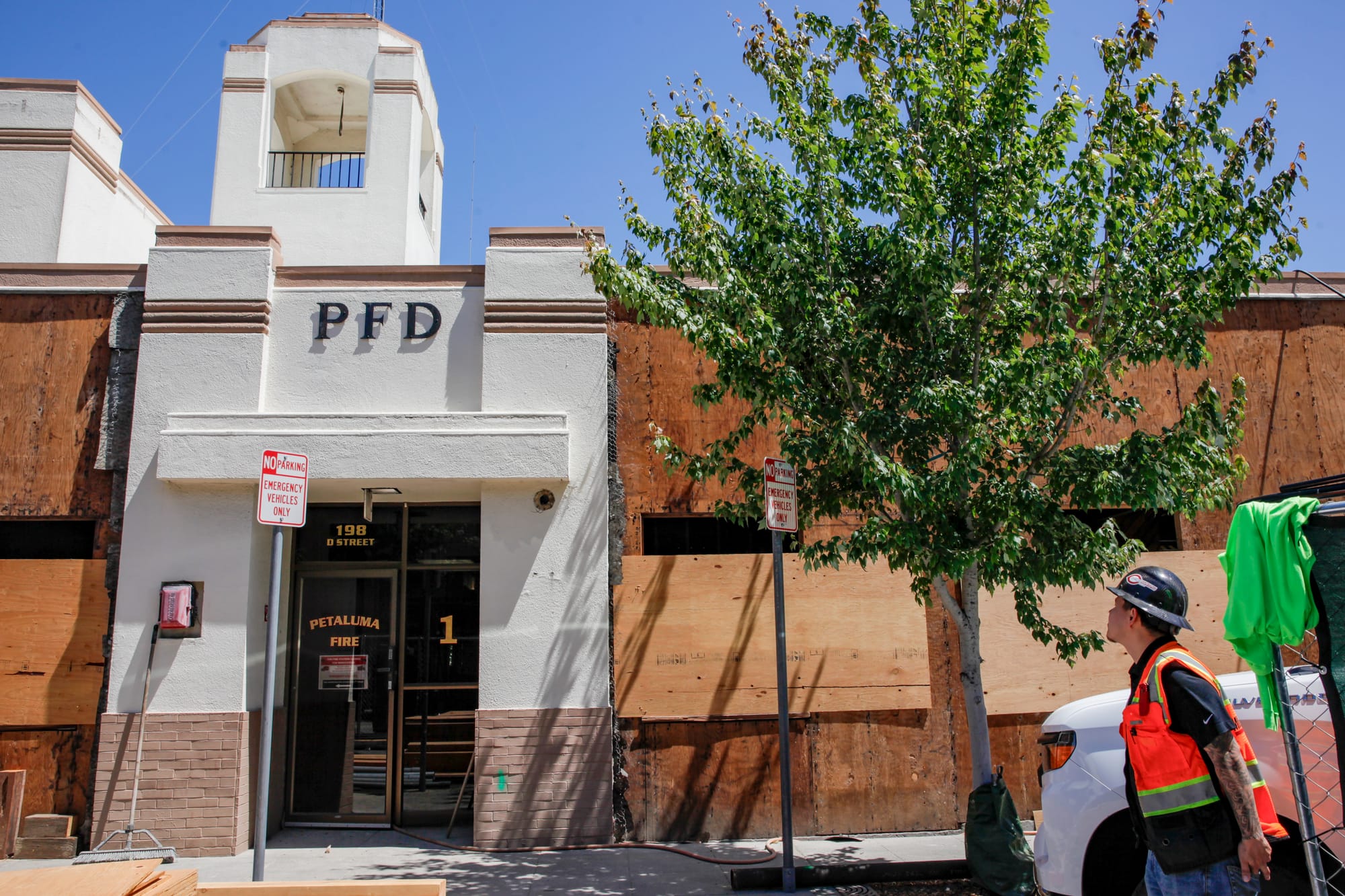
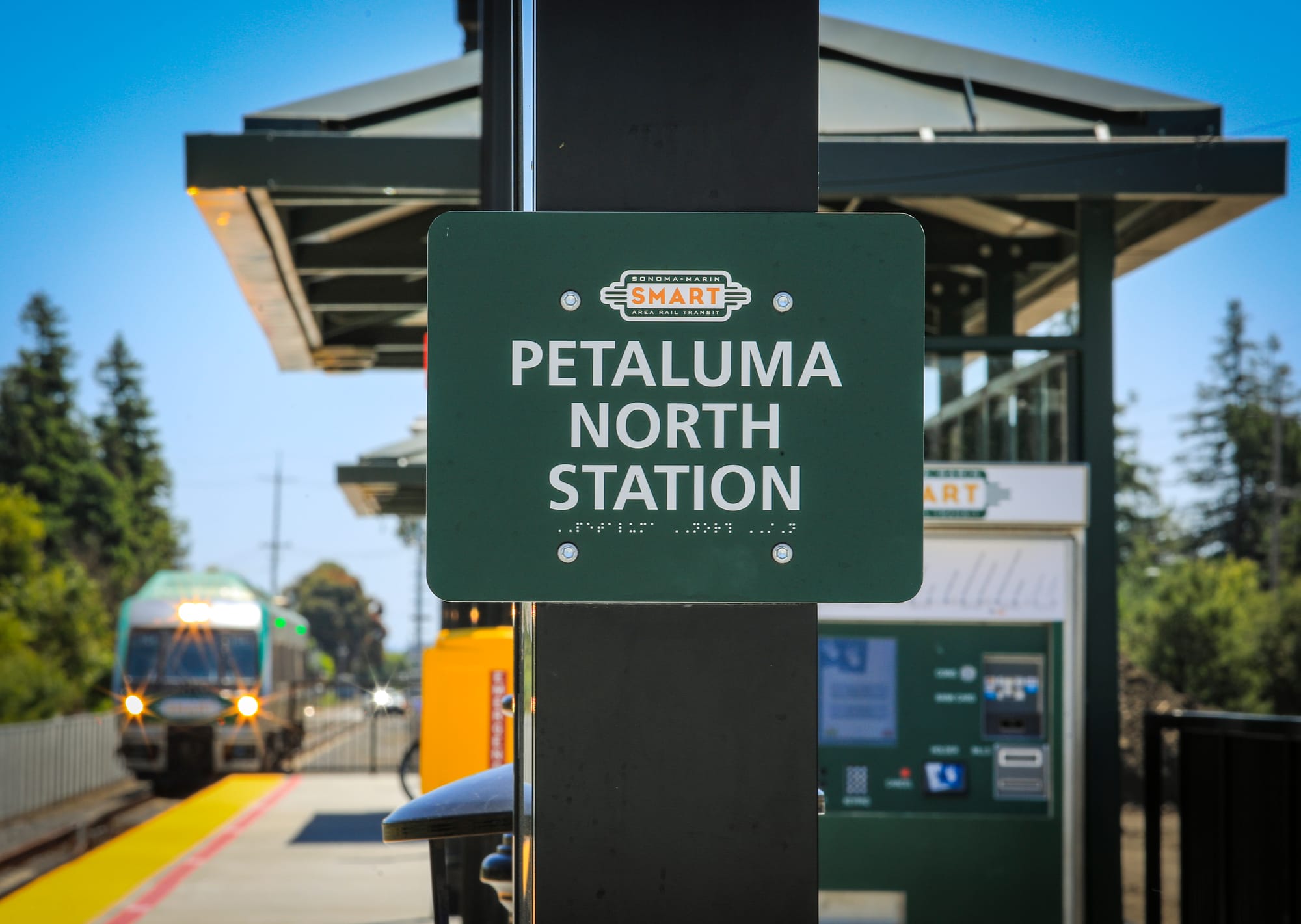
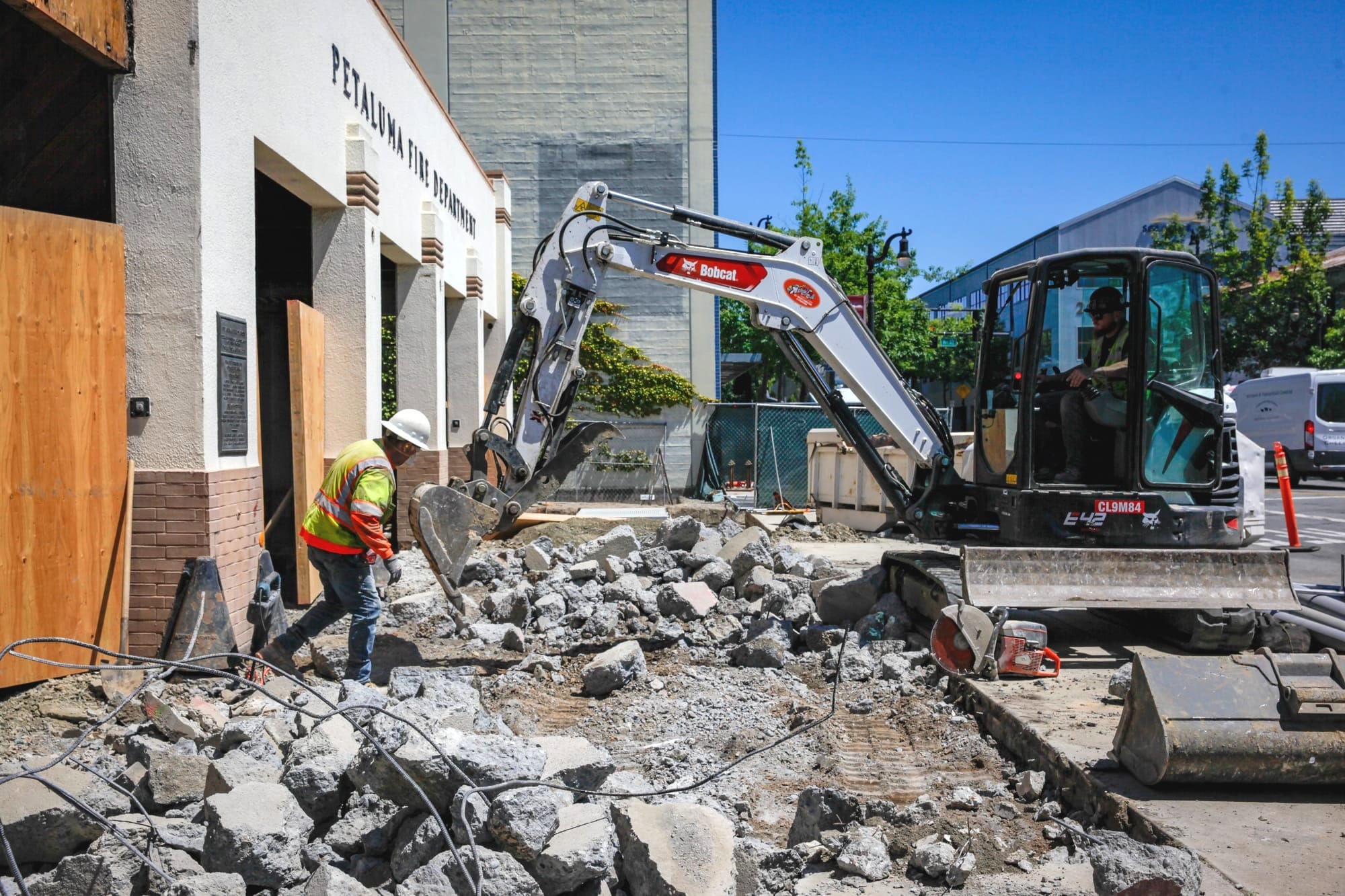
The capital project funds’ $133.3 million go toward infrastructure needs like fire station upgrades, access improvements to Sonoma-Marin Area Transit’s Petaluma North station, and pavement restoration.
“City facilities and infrastructure needs continue to exceed available funds. It is anticipated that infrastructure costs will continue to increase through typical wear and tear in the coming years, plus the pressures of long-deferred maintenance,” according to the budget.
The city’s general fund’s appropriations of $85.1 million or 21.3% of the total budget cover several critical city departments. This includes police and fire, public works, economic development, and more.
The “General Fund Budget is balanced not through favorable circumstances, but as a direct result of the team’s deliberate efforts over the past 12 months to confront an anticipated ongoing deficit,” the budget stated.
The city’s utility funds amount to 18.8% or $75.3 million in appropriations. These funds are intended to fully cover the Ellis Creek Water Recycling Facility, water delivery, and the city’s stormwater system
Another significant source of appropriations is Measure U sales tax funds, which are not tied to expenditure restrictions and offer the city spending flexibility. These funds amount to 4.7% or $18.8 million and are intended to maintain essential services.
Broken down by type, the majority of city expenses go toward professional services, maintenance, and repairs, which make up 38% of the total costs or $135 million. Employee salaries and benefits, meanwhile, account for 25% or $98.8 million of expenses.
Downtown Restroom Moving Forward
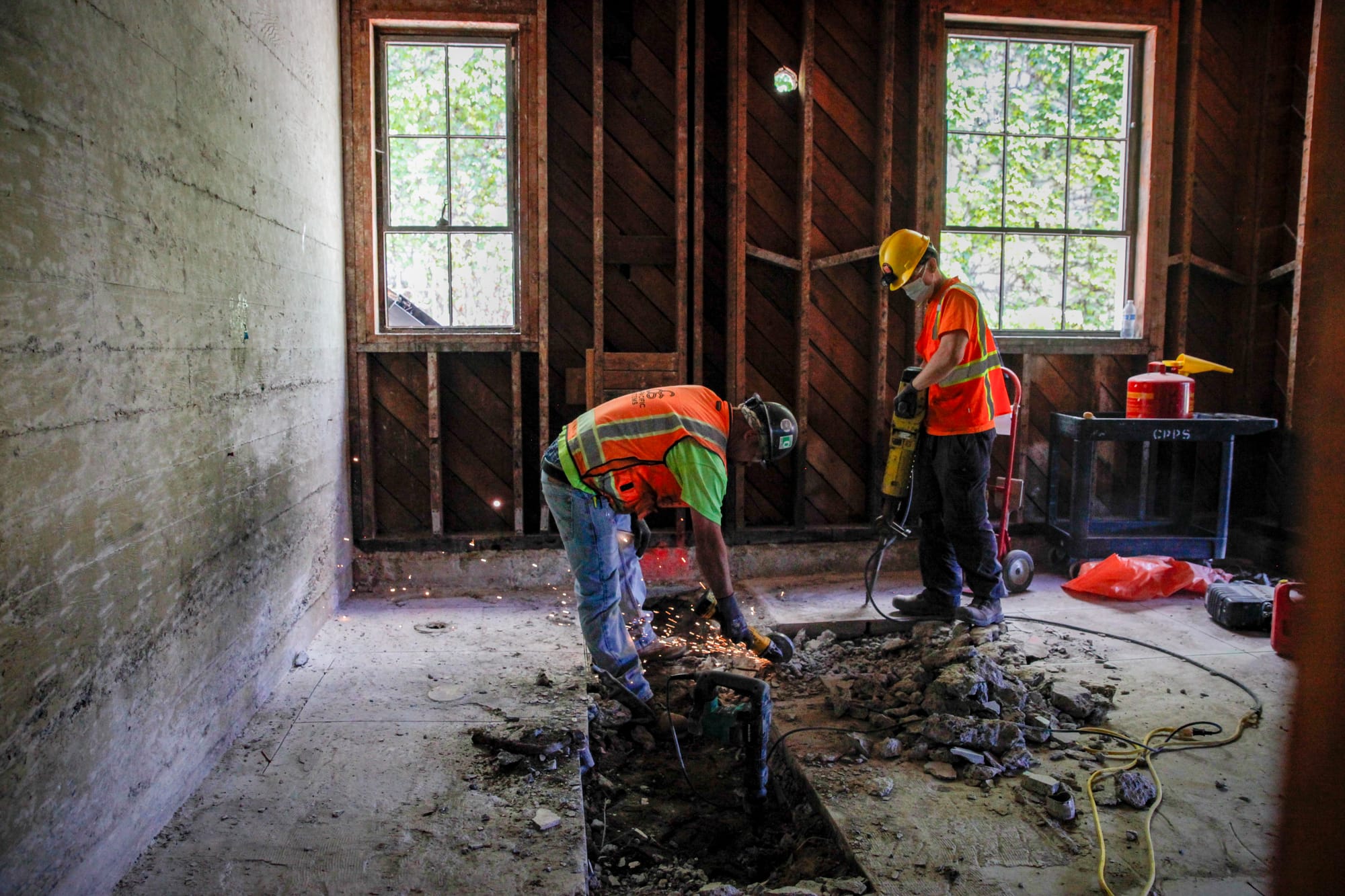
Before presenting the final budget at the May 18 meeting, the finance team increased funding to a downtown bathroom project from $180,000 to $350,000 based on feedback received during the budget workshop, Garberolio said.
This increase, she said, would “provide sufficient funding to bring the project to completion.”
The downtown bathroom, which has been an ongoing council goal, would be provided and serviced by the city for downtown visitors. A city website post from September 2024 shows it may be located at 128 Water St. City staff still have to look at whether they’ll move forward with a prefabricated or new-build option.
On May 18, Councilmember Karen Nau floated renting a bathroom from an existing business in the meantime, which the council had tried to pursue at a larger scale in the past with no success.
Staff will soon be assigned to the project and work on finalizing the design, said Paul Kaushal, director of public works. He estimated it could take 10 to 12 months to come to fruition: “We believe we can deliver it.”
The restroom will be funded this fiscal year through tourism improvement district revenues, with additional funding set aside for the next fiscal year, Garberolio said.
At Monday’s meeting, two public comments – one calling attention to IT costs and a transition to new software and another expressing support for the public bathroom – guided councilors' final discussion before they voted on the budget.
“It’s not lost on council that in a $400 million budget, the critical item is one downtown bathroom,” McDonnell said. “That’s, I think, a lot of credit to the public perseverance on that one.”
The fiscal year begins on July 1. Finance staff will return to the city council in about September to present the first-quarter budget adjustment.
To read this and previous budgets, visit https://cityofpetaluma.org/city-budgets.