
Street Improvements Coming to Town
New crosswalks, signal upgrades, and road repairs authorized by city council Monday night
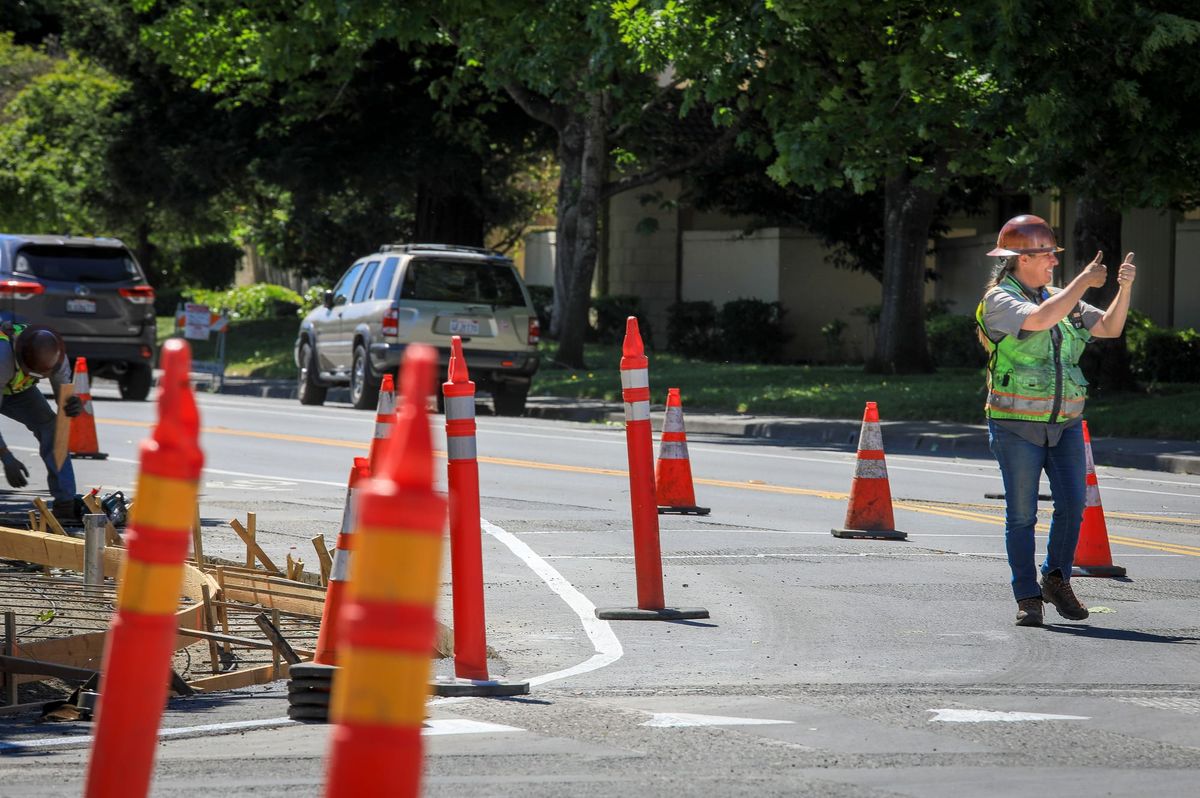
Across Petaluma’s 396 lane-miles of streets and more than 350 miles of sidewalk, various pedestrian and roadway improvements are expected to move forward this upcoming fiscal year.
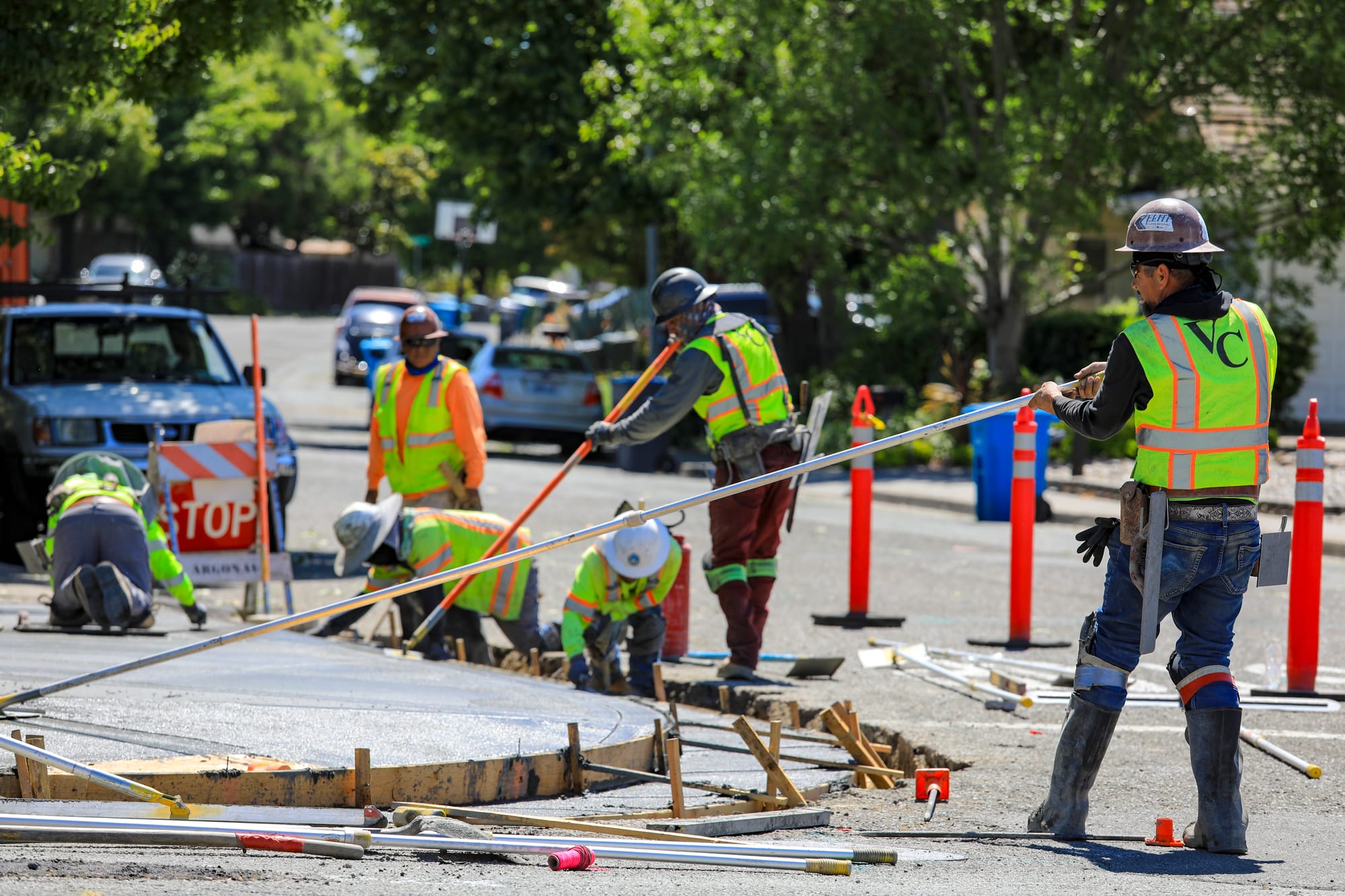
At the Monday night Petaluma City Council meeting, city leaders approved two separate agenda items associated with these upgrades: one authorizing an agreement between the city and the state Department of Transportation (also known as Caltrans) for grant-funded crosswalk and signal improvements; and another approving the list of streets to be paved and rehabilitated.
Both passed unanimously, 7-0, as part of the consent calendar vote, which involves one vote for several items the council has previously discussed.
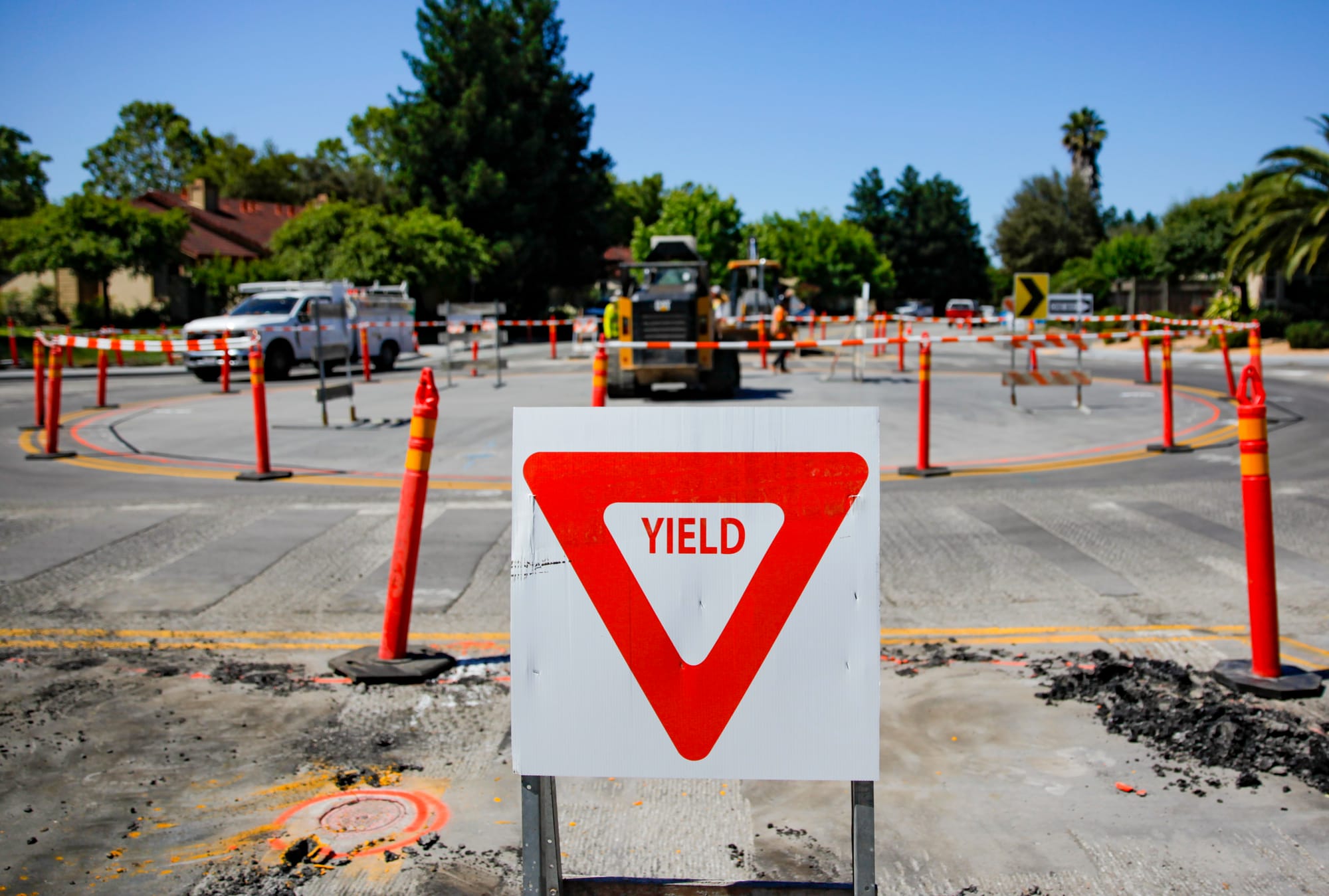
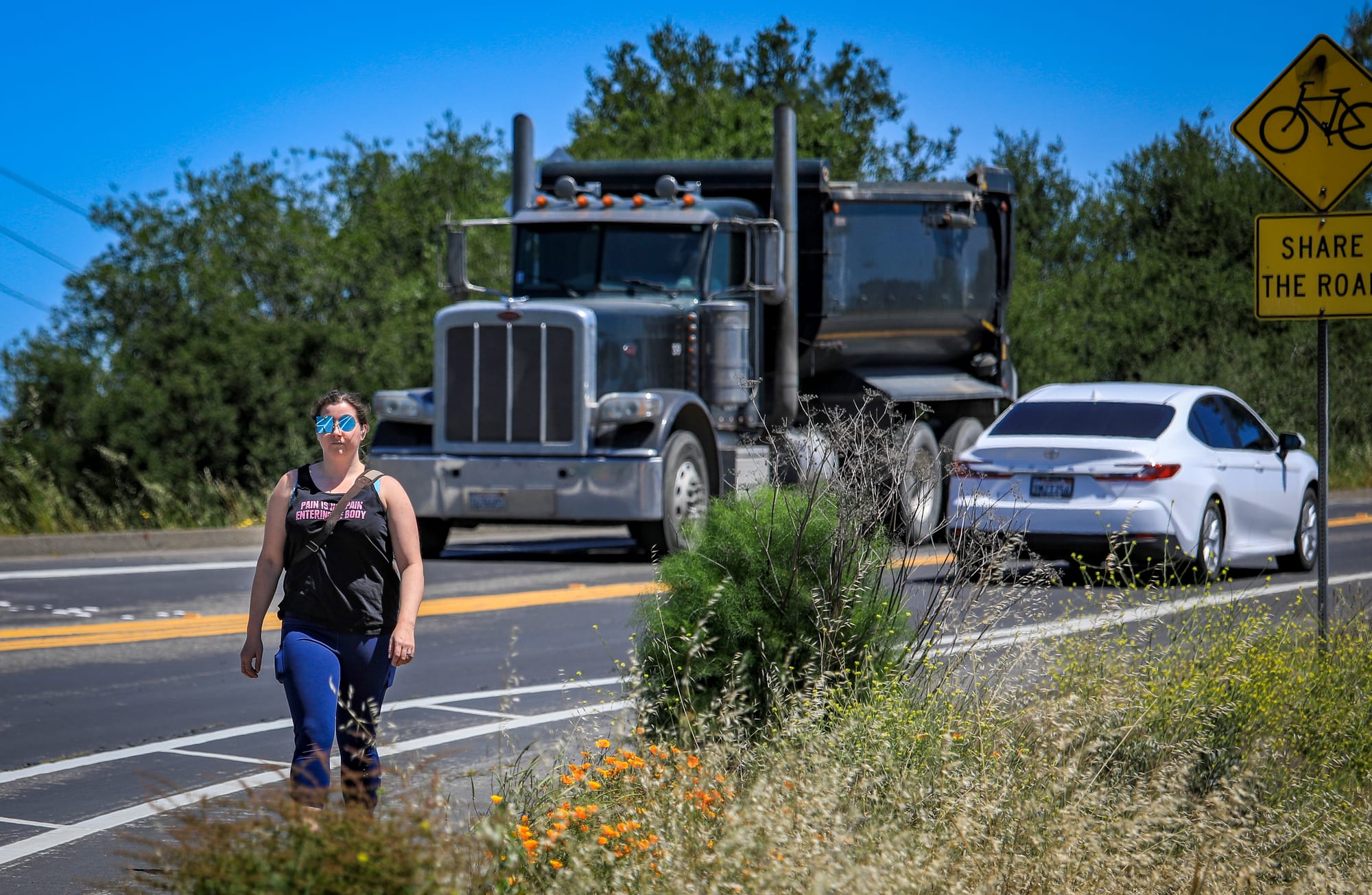
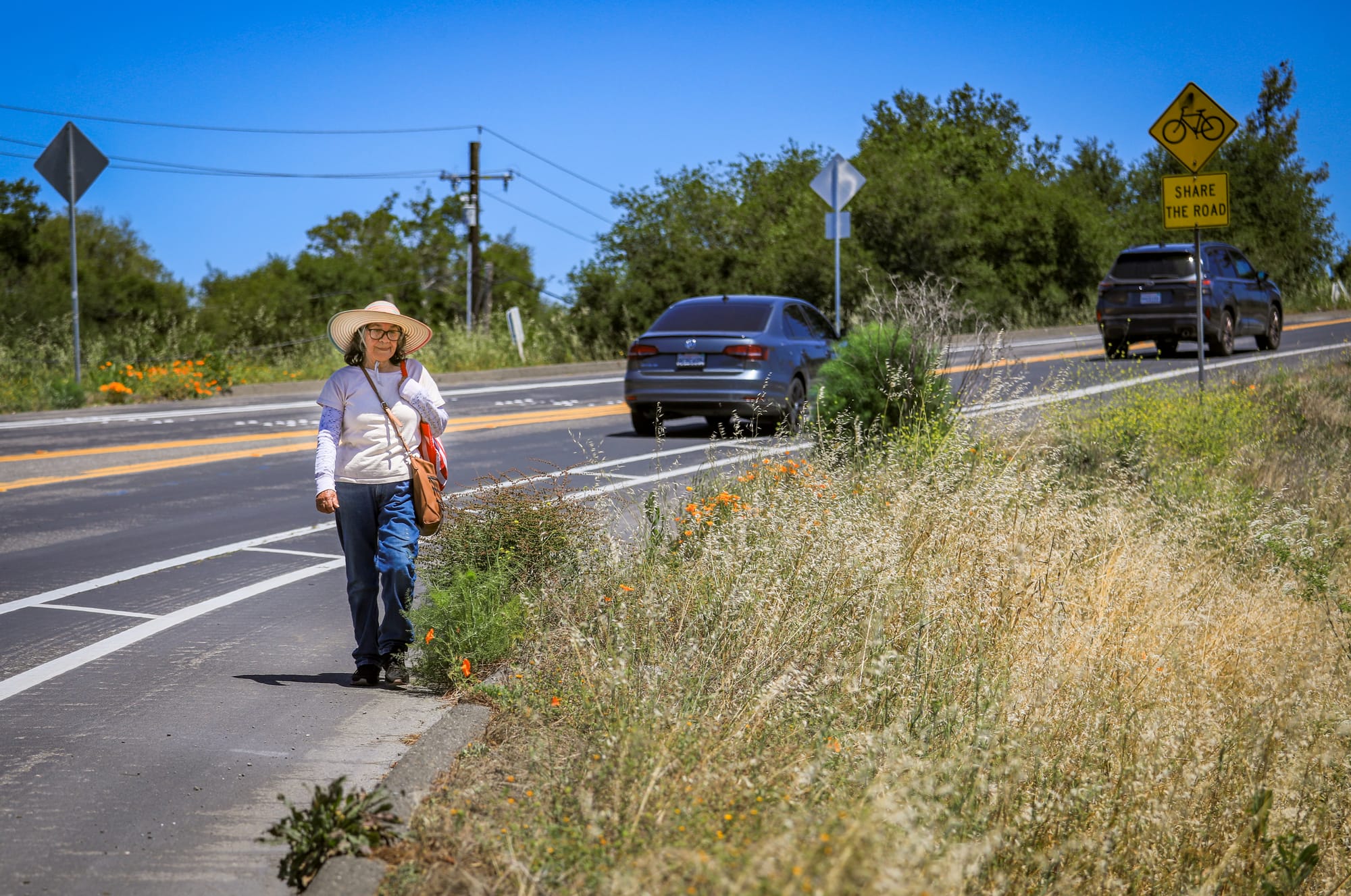
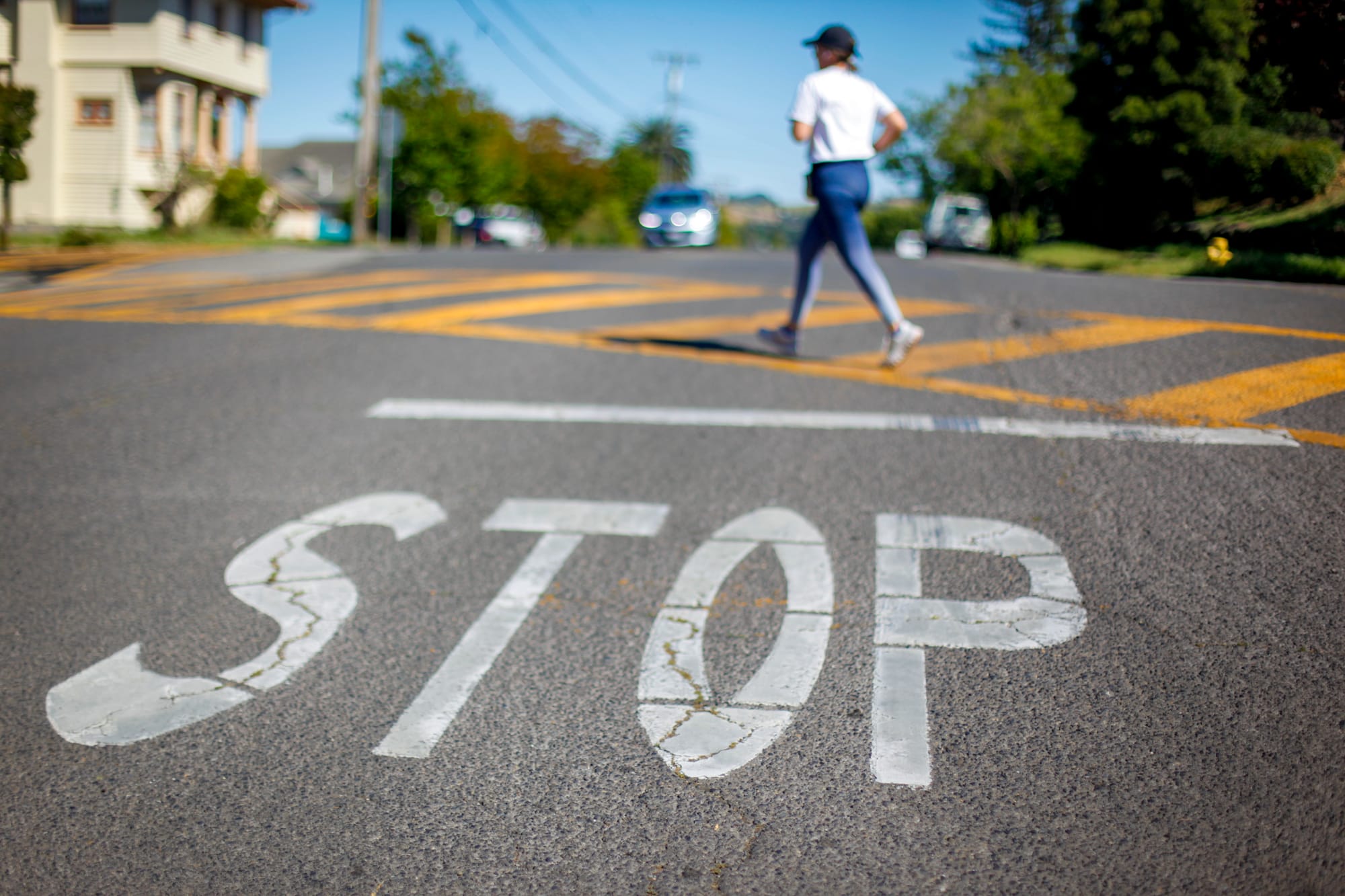
The item on crosswalk and signal improvements will lead to crosswalk upgrades along three areas of Sonoma Mountain Parkway at Lynch Creek Trail, Monroe Street, and East Madison Street, according to a staff report.
At Sonoma Mountain and Lynch Creek Trail, crews will install a new crosswalk with curb ramps, a median island, street lighting, and flashing beacons. At East Madison and Monroe streets, they will add new median islands and striping and upgrade the overhead flashing lights.
On the 0.7-mile stretch of Sonoma Mountain Parkway between Rainier Avenue and East Washington Street, there is currently only one crosswalk with overhead flashing lights at Monroe Street.
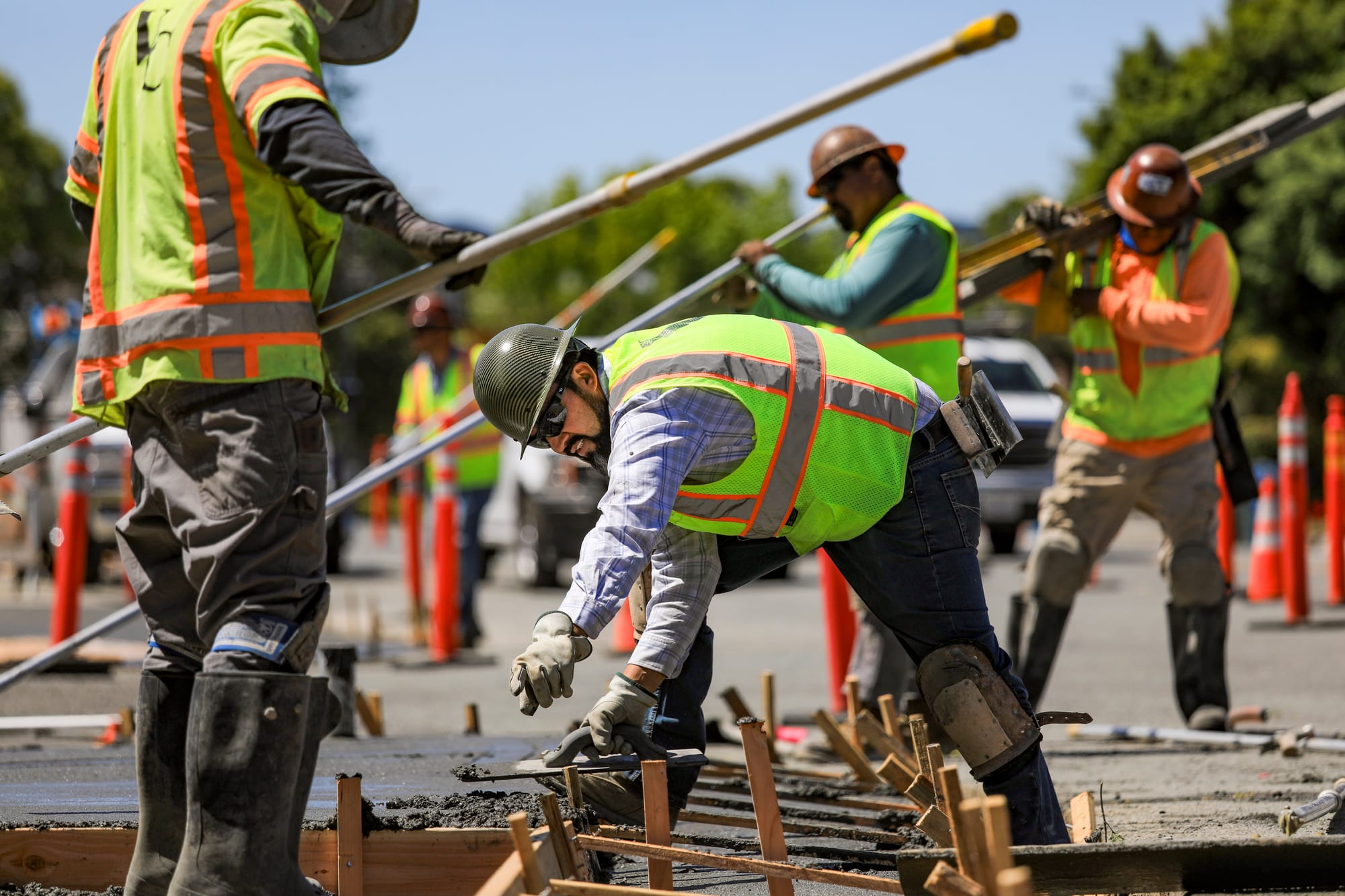
Additionally, 36 existing traffic signal lights, mostly on the east side of town, will be replaced with new “retroreflective back plates” to improve visibility. The signals will also get upgrades to pedestrian hardware with new push buttons.
Ninety percent of the $1.6 million project costs will be covered by the Caltrans grant, including approximately $1.1 million for traffic signal improvements and $349,000 for pedestrian infrastructure improvements. The grant requires a 10% match from the city of $162,500, which will be covered by one-time traffic impact fees paid by developers.
“Once this is signed and agreed, when will the project start?” Councilmember Janice Cader Thompson asked Jeff Stutsman, deputy director of operations for Petaluma’s Public Works Department, at the meeting Monday night.
After Caltrans signs the agreement, Stutsman said, it’ll take “three to four weeks” for the work to go out to bid before it comes back to the council for approval. He then added, “it’s definitely going to happen this summer.”
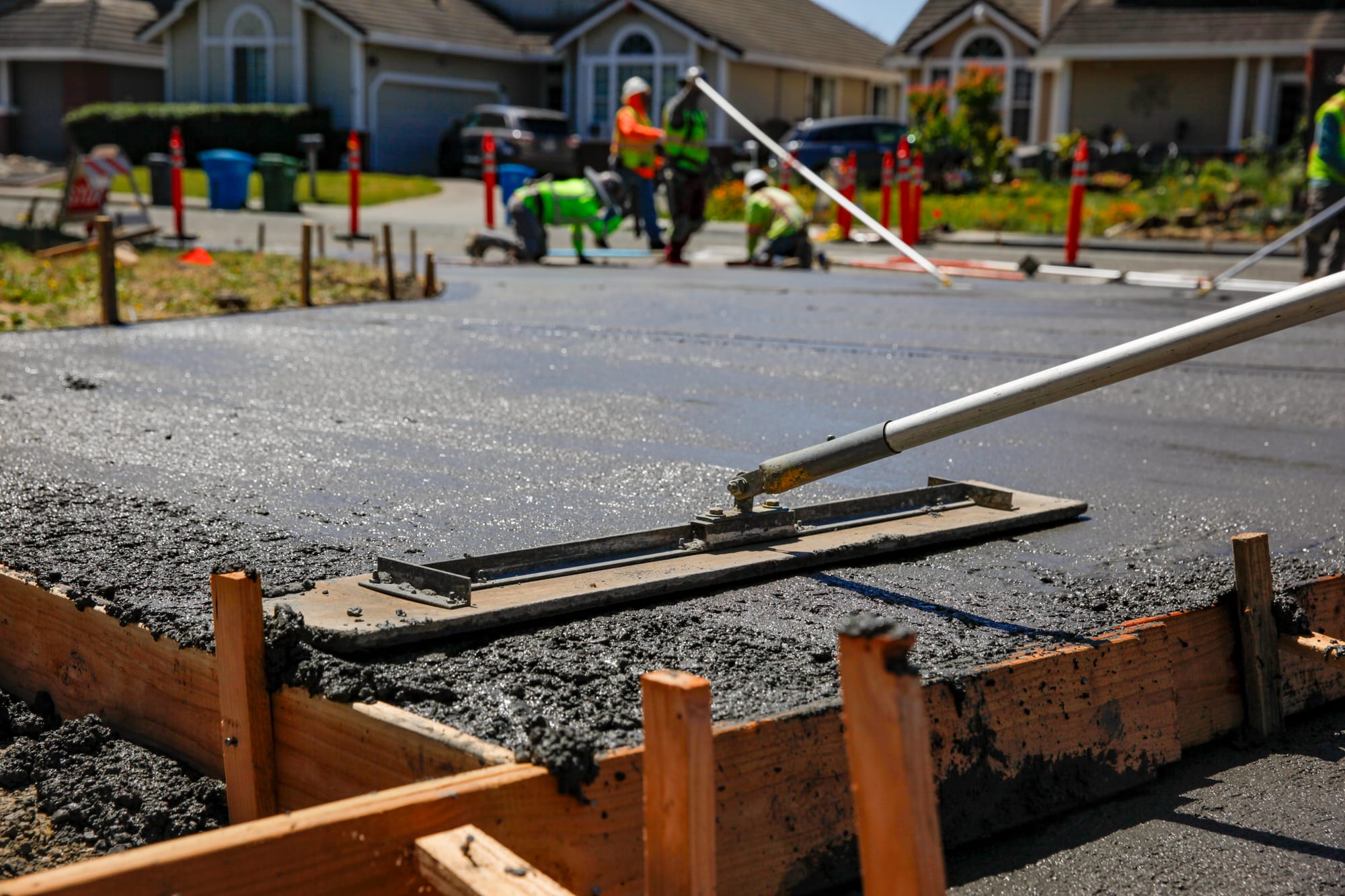
In a separate item, the council approved a list of 22 streets to be repaved and receive preventative maintenance in the upcoming fiscal year (see below). Sections of Howard Street and Caulfield Lane will receive “full depth reclamation” – a reconstruction of the roadway – that is expected to last 20 years. The remaining 20 streets on the list will receive what’s called a “high volume slurry seal,” with an estimated useful life of seven years.
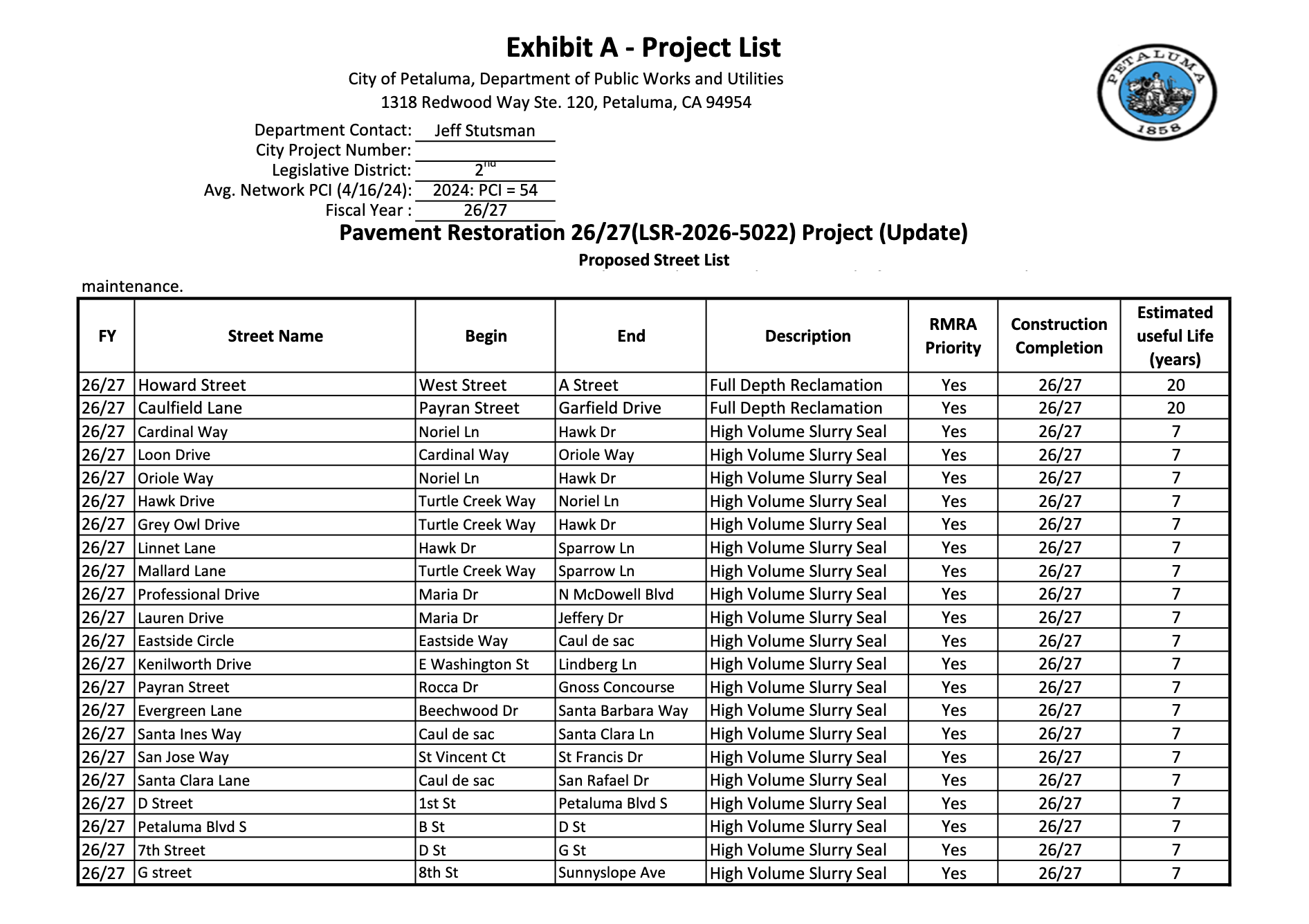
These projects will cost over $1.5 million for the remainder of this fiscal year plus $1.6 million for the upcoming fiscal year, which begins July 1. Full funding for both is expected to come from the state’s Road Repair and Accountability Act of 2017.
The city approved the current five-year paving plan in November 2024. For information on that plan, visit the city’s street maintenance webpage: https://www.cityofpetaluma.org/street-pavement.
To report an unsafe or concerning street, visit: https://cityofpetaluma.org/safe-streets-nomination-form.