
For New Parents, Mothers Care Offers Extra Support
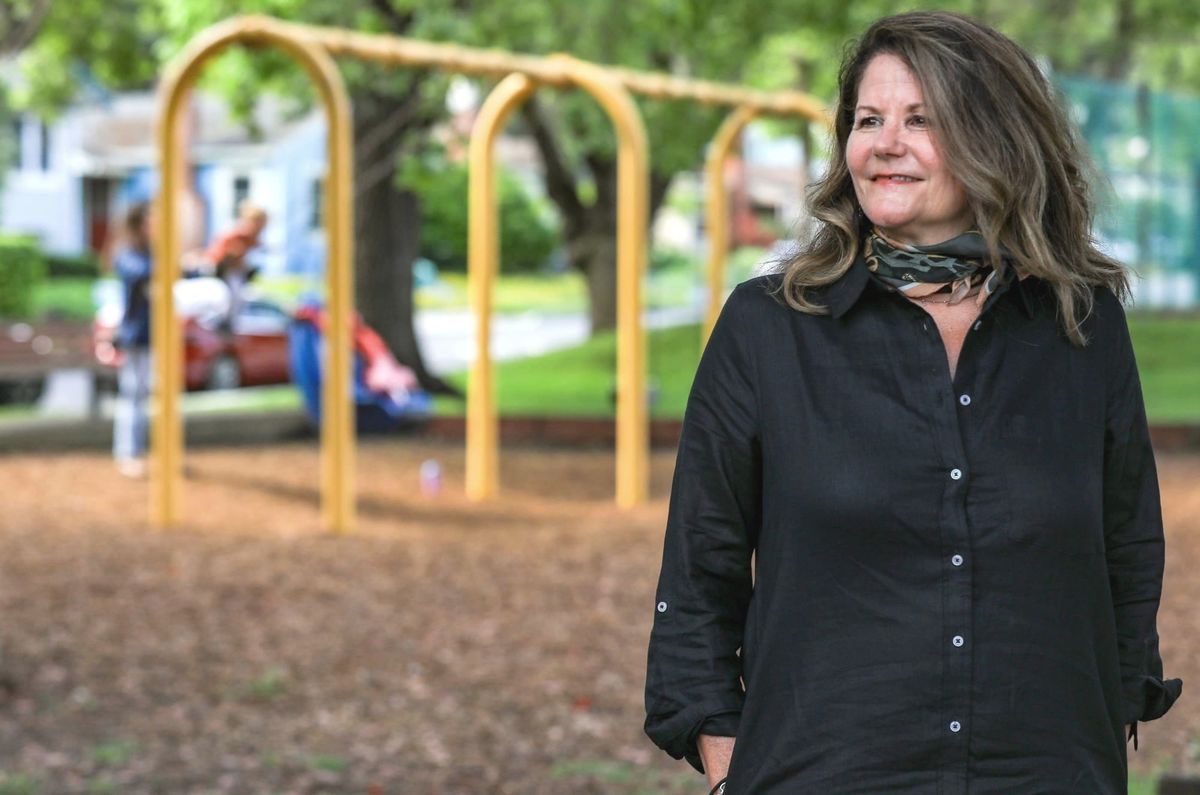
Curated depictions of motherhood, like moms with perfectly done hair, flawless makeup, and a well stocked diaper bag, obscure much of the complexity and vulnerability that comes with parenthood.
New parents “want to love the experience but sometimes that experience is so hard,” said Allison Murphy, CEO and clinical director of Mothers Care, a Petaluma-based nonprofit. “There’s a lot of vulnerability to express when you’re having a hard time or feeling like you’re a bad mom.”
The organization partners with a network of more than 20 therapists who specialize in helping people work through pregnancy and the first few years postpartum, Murphy said.
Therapists practice different modalities, shortened to acronyms, including CBT (Cognitive Behavioral Therapy), DBT (Dialectical Behavior Therapy), and EMDR (Eye Movement Desensitization and Reprocessing).
Mothers Care works with Black, Latina, and white therapists. Some speak Spanish; some are male. And they accept different types of insurance, so those seeking care can find a provider who suits their situation. Clients’ first two sessions are free.
“Our goal is to decrease barriers and increase access to services,” Murphy said about the organization, which started in 2010 with a focus on building a network of expertise around this work.

The postpartum phase, she said, can’t be relegated to a clear-cut timeline, and symptoms vary widely. So, what is it?
“It might mean adjustment,” and getting yourself situated, Murphy said. “But it could be depression. It could be anxiety. It could be bipolar disorder. It could be obsessive-compulsive disorder or PTSD from a traumatic birth.”
Data from the Policy Center for Maternal Mental Health shows that mental health disorders impact about 20% of U.S. women and are the leading complication of childbirth. From 2016 to 2023, mothers reported a nearly 65% increase in “fair to poor mental health.”
Social stigma around seeking support remains a barrier, the research shows.
Murphy and other clinicians from the network underscored that the birthing parent isn’t the only one impacted by postpartum.
They offer a free support group for dads facilitated by Petaluma-based perinatal therapist George Nicol. They’ve also developed a program called “Focus on the Fourth Trimester” to offer resources to people who want to help a loved one who just had a baby but may not know how to ask for help.

The organization, in conjunction with others, will also hold a Mother’s Day tea on Sunday, May 9 (more information below), to build on this community work.
On Thursdays, perinatal therapist Dana Levandoski runs a parent support group in Petaluma called Tiny Humans, Tired Parents.
Participants include single parents and married and same-sex couples. Some have experienced loss and birth trauma or fertility challenges, Levandoski said.
This work is deeply personal to several therapists who, despite their own extensive training, have also lived through a lack of support and knowledge around postpartum care.

Judy Pasdach, a licensed clinical social worker also based in Petaluma, is one of them.
She said after her child was born 17 years ago, she experienced intrusive thoughts. These are defined as unwanted and disturbing thoughts or images, perhaps associated with harming a baby, that cause discomfort. They could include a mom thinking about driving their car into a median, or fixating on a knife set at home.
“It was disturbing to me to have them and I didn’t share it because I thought it was crazy,” Pasdach said. This phenomenon is now known within the clinical world, and it “doesn’t have to be super scary, but a lot of people experience it.”
The issue frequently resolves, and part of that includes normalizing it, naming it, and just watching the thought go by, Pasdach said.
Considering the huge neurobiological, hormonal, and identity transitions that play out during early parenthood, normalizing these experiences is essential to help people feel better, said Petaluma clinical psychologist Melissa Pumper.
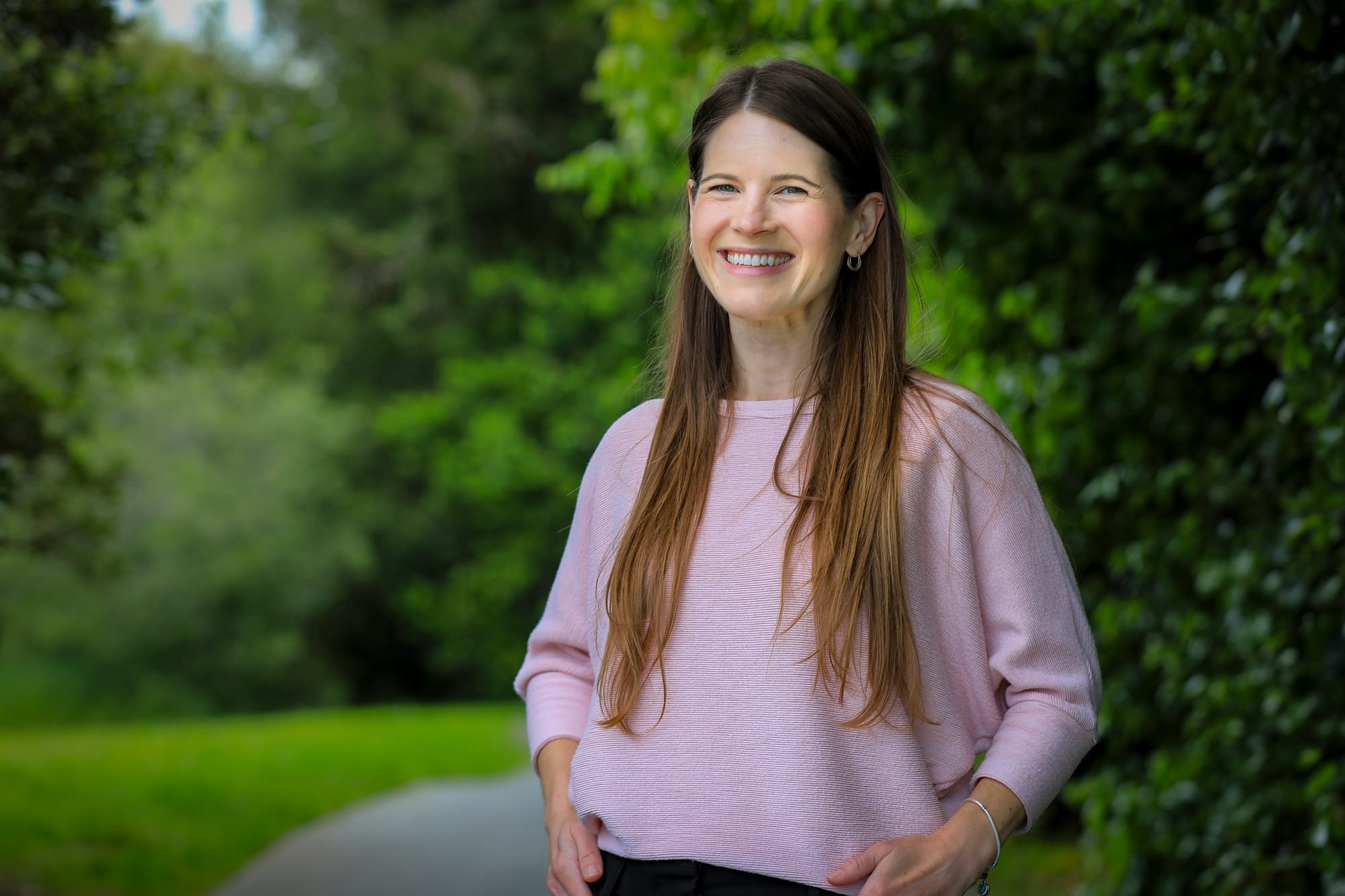
Pumper sees the work being done by Mothers Care as prompting systemic change. She said it can offer generational impacts.
“The more awareness there is about perinatal mental health,” the less stigma and shame, she said. “If moms are less ashamed and mentally feeling healthy, then they’re able to give more of themselves to their babies, to their families,” which ripples out into the community, she said.
Moms talk to other moms, she said, and they share the lessons they learn with one another, spurring change.
“We have a lot of situations that are complicated and we know it’s such a vulnerable time,” Murphy said. Humans often forget we’re animals and mammals, she added, and these experiences are deeply ingrained in our primal nature.
Mother’s Day Tea hosted by Mothers Care, Petaluma Sunrise Rotary, and Gather Petaluma
May 9, 12:30 to 2 p.m., at 825 Middlefield Dr., Petaluma
Mothers Care invites all moms, or anyone who has a mom or maternal figure in their life. Featuring bluegrass band Buckeye Boys and treats from Della Fattoria, Stellina Pronto, and Bert’s Desserts.
RSVP at https://www.mothercaresupport.com/events. For more information about Mothers Care, learning materials, resources, and more, visit https://www.mothercaresupport.com or call (707) 776-0959. For more data on maternal mental health, visit policycentermmh.org/maternal-mental-health-fact-sheet.