Get Out: What’s Blooming at Putnam Park
A personal bioblitz for California Native Plant Month
Welcome to the inaugural edition of Get Out, Petaluma Voice’s outdoors and nature column. Each month we’ll report on seasonal phenomena in our local environment and provide information about the plants, animals, and insects that live here, too. We’ll also share tips on where and how to see or experience them, whether in parks, open spaces, or our own backyards.
The explosion of spring came early this year thanks to unusually warm temperatures in February and March. Redbuds buzzed with pollinators while lupines painted wild places purple, blue, and white. Native flowers were everywhere, in every color.
So, too, were oxalis, mustard, and acacia: all from elsewhere (and all yellow, to boot). Now it’s April – California Native Plant Month, ironically – and a new wave is cresting on the hillsides and grasslands of Petaluma.
Some call them weeds, invasives, or even “noxious” plants. Current language favors “introduced” or “non-native” species. Whatever the name, as spring pivots toward summer, with the best of our local wildflower boom now behind us, non-native blooms are becoming dominant.
This I discovered on a hike last weekend, after performing what’s commonly called a “bioblitz”: an intense, short-term biological survey where scientists, volunteers, or community members (often working together) seek to identify as many species as possible in a specific area.
As a regular visitor to Helen Putnam Regional Park on the western edge of town, I’m accustomed to watching the seasons play across Petaluma’s oak-studded hillsides. But rarely do I pay such close attention to the local flora that it takes two hours to cover four miles.
Pulling out my phone every hundred feet to snap pictures and use the iNaturalist app to identify species whose names I didn’t know, I made my way from the east to the west side of Putnam, then back again.
My goal was to catalog every bloom, every species of flowering plant across the 216-acre park’s various micro-habitats, and to identify which were native and which were not. This would offer some indication of how “invaded” – through no fault of the introduced plants – Helen Putnam Regional Park is today.
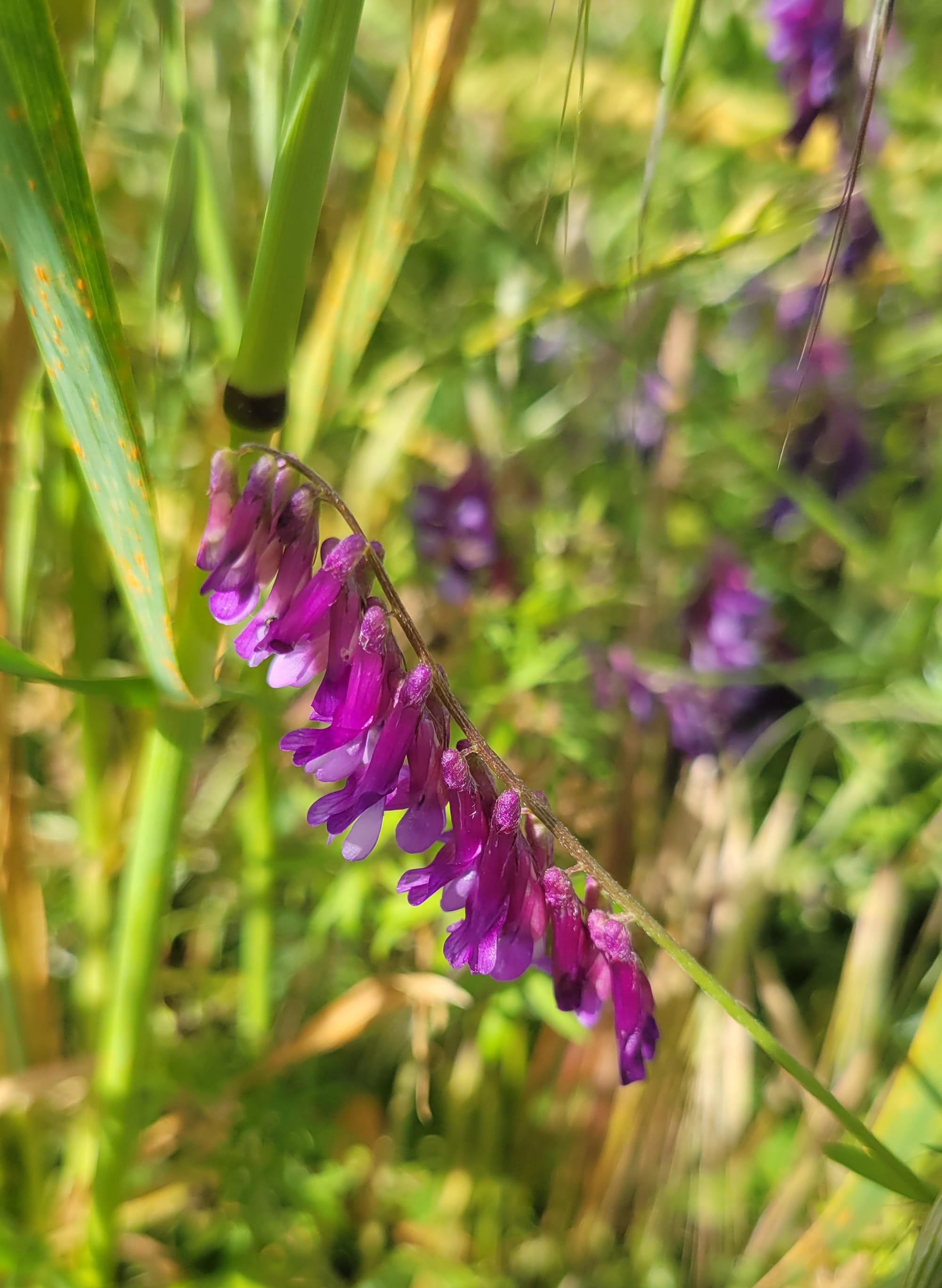
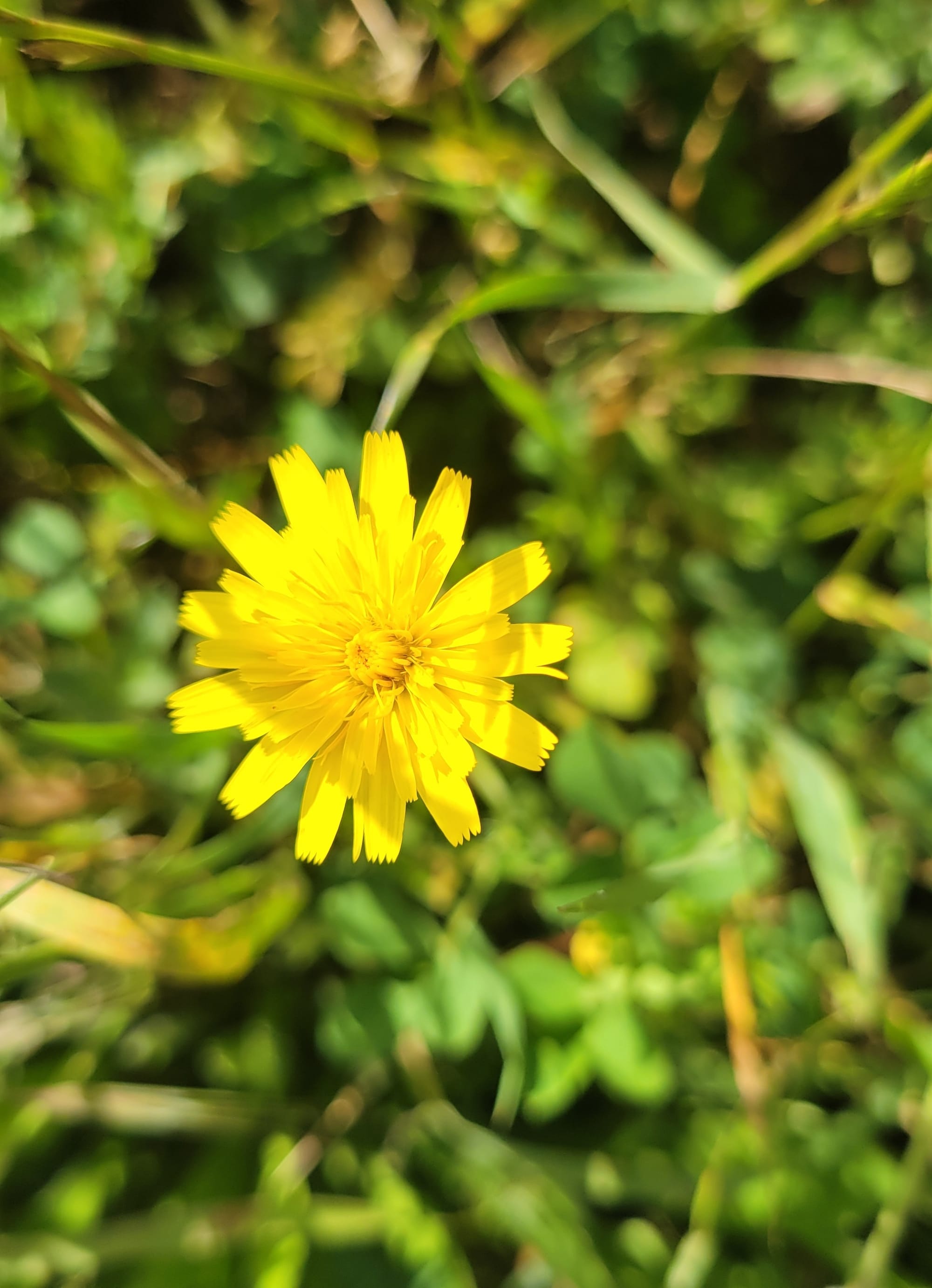
What I found surprised me. Starting on Oxford Court, I made my way up the paved path, photographing each type of flower I saw. Hairy vetch (purple), lesser hawkbit (yellow), wild radish (white): they were pretty, but not native.
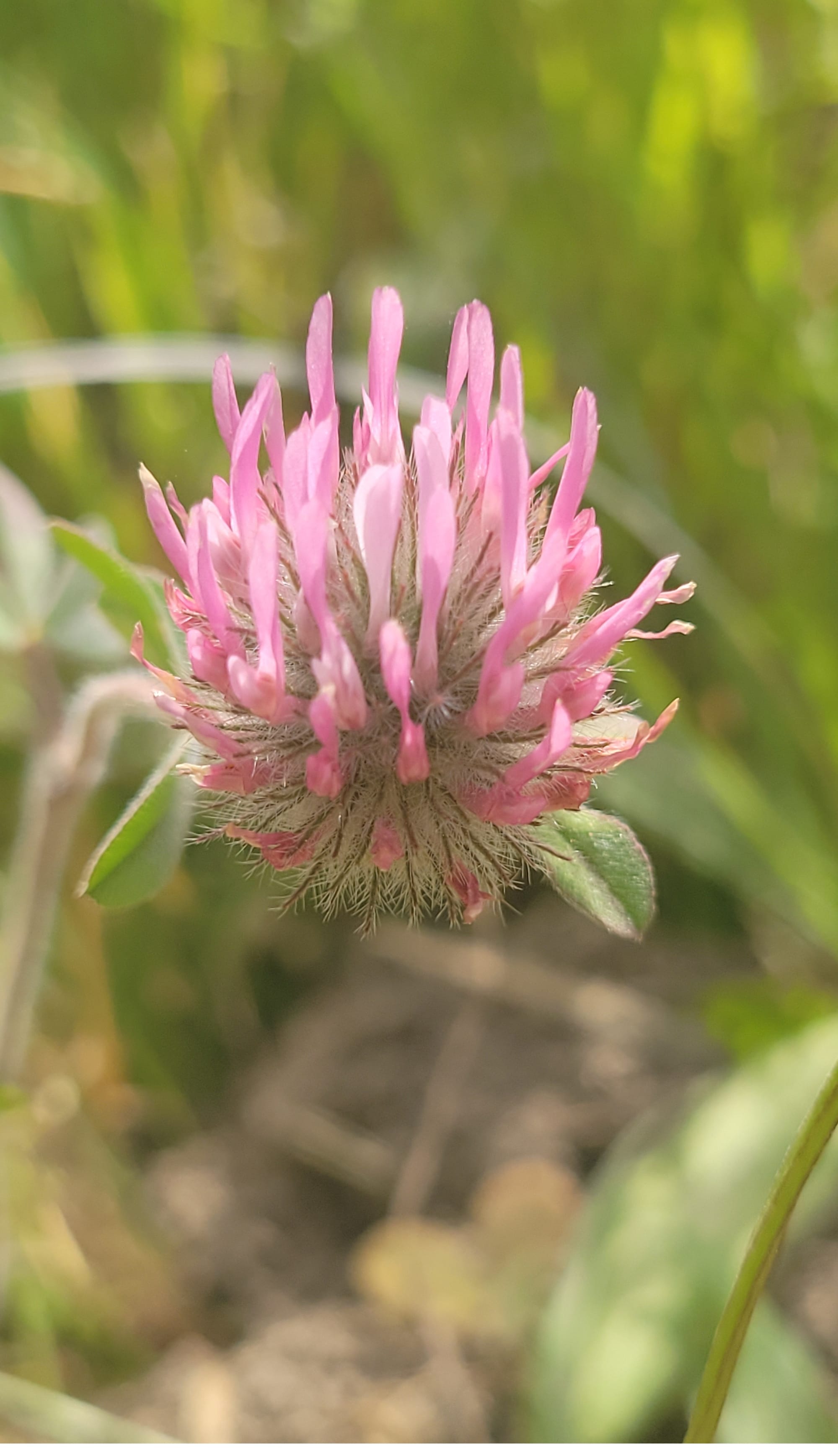
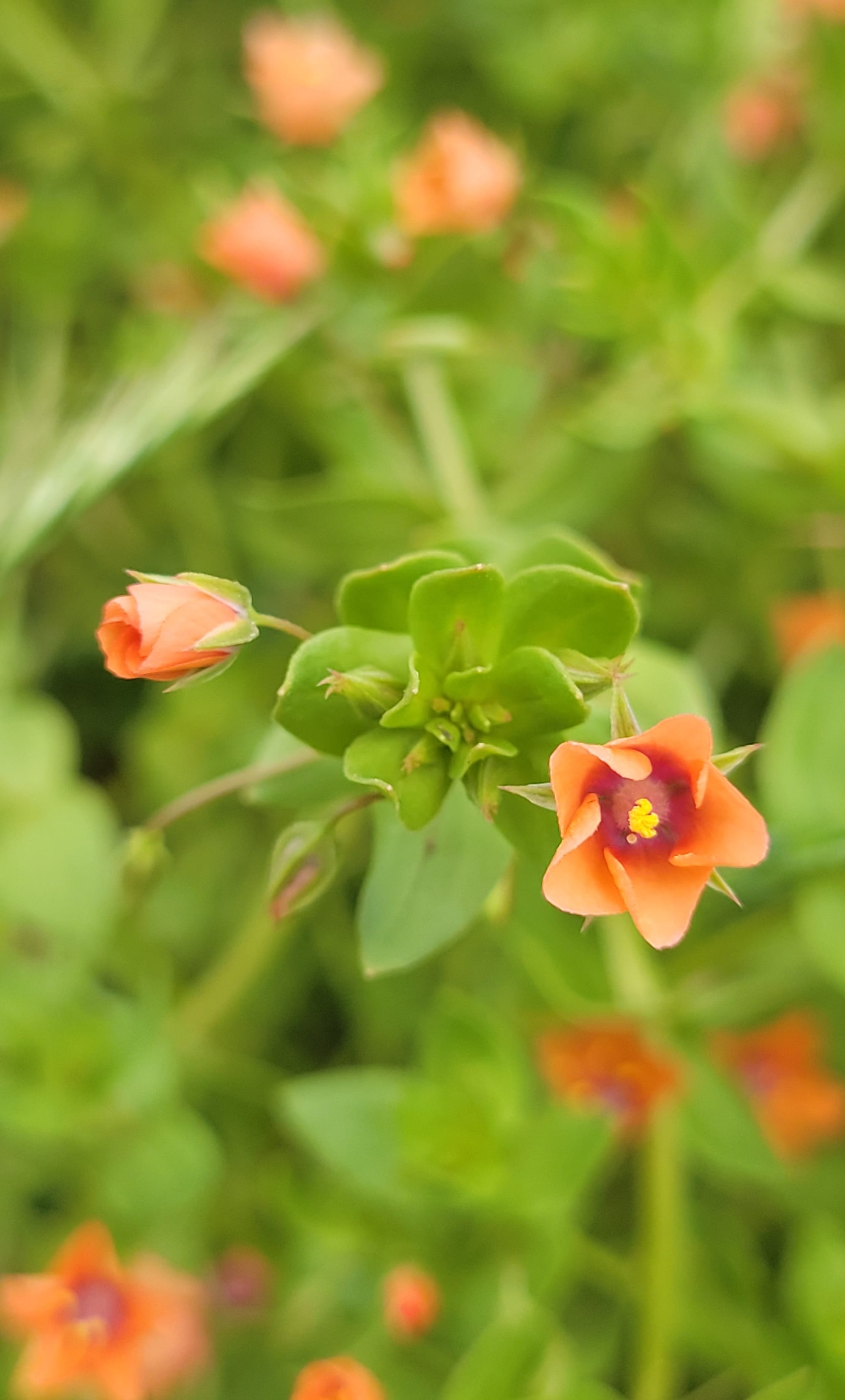
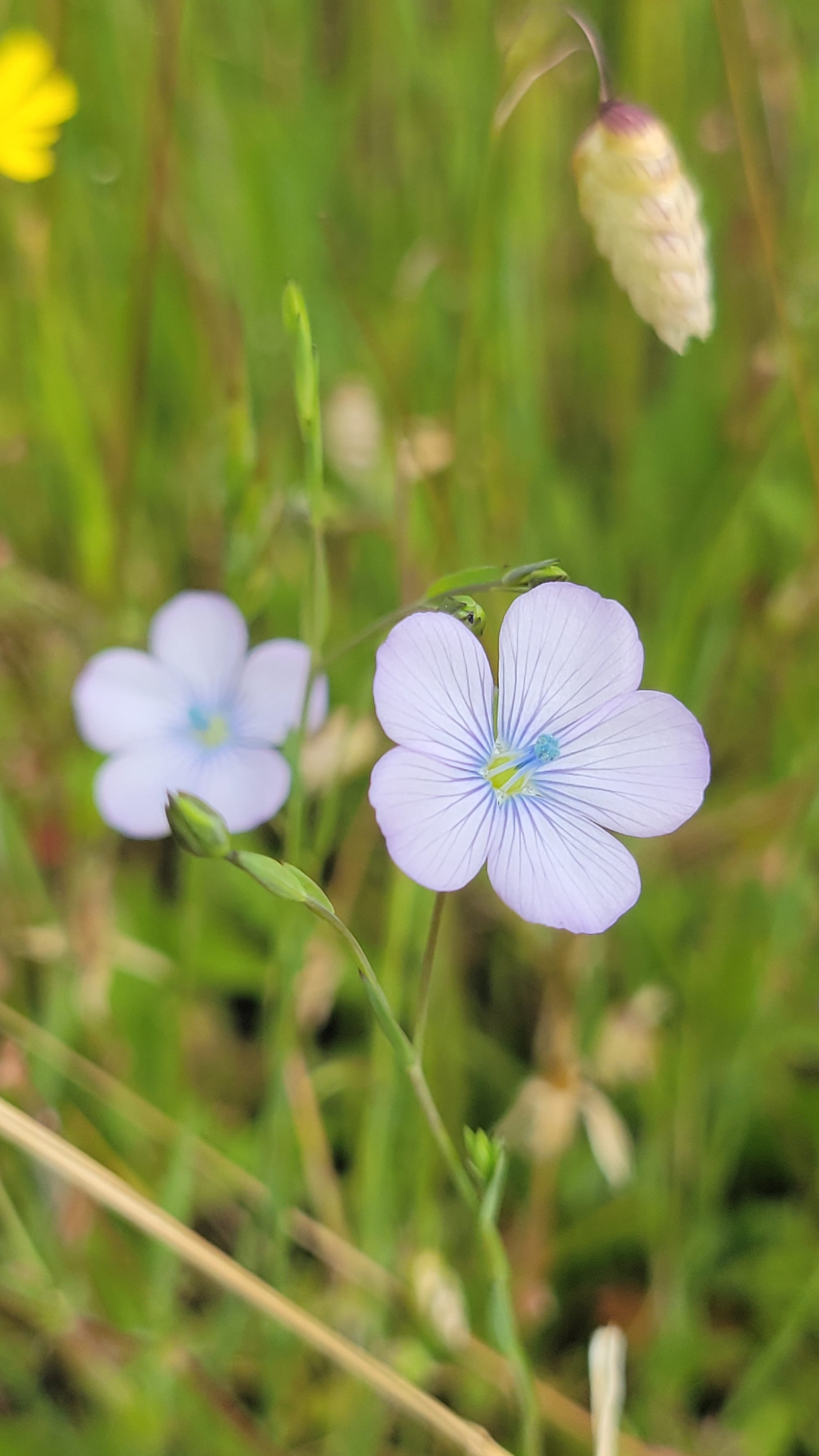
Pale flax, scarlet pimpernel, rose clover: these I had to look up. Also cheerful in their own way, also not native. [See slideshow at bottom for photos.]
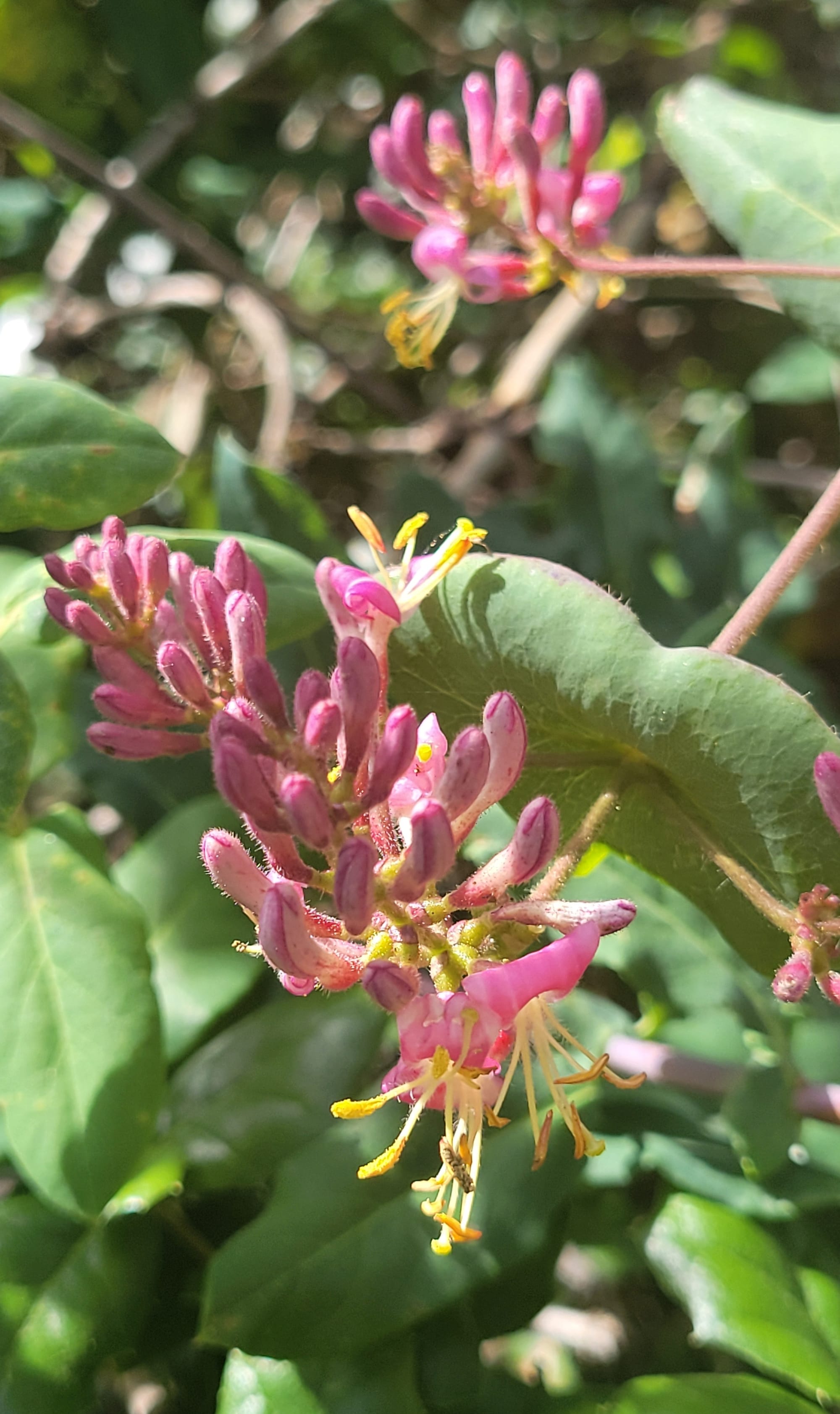
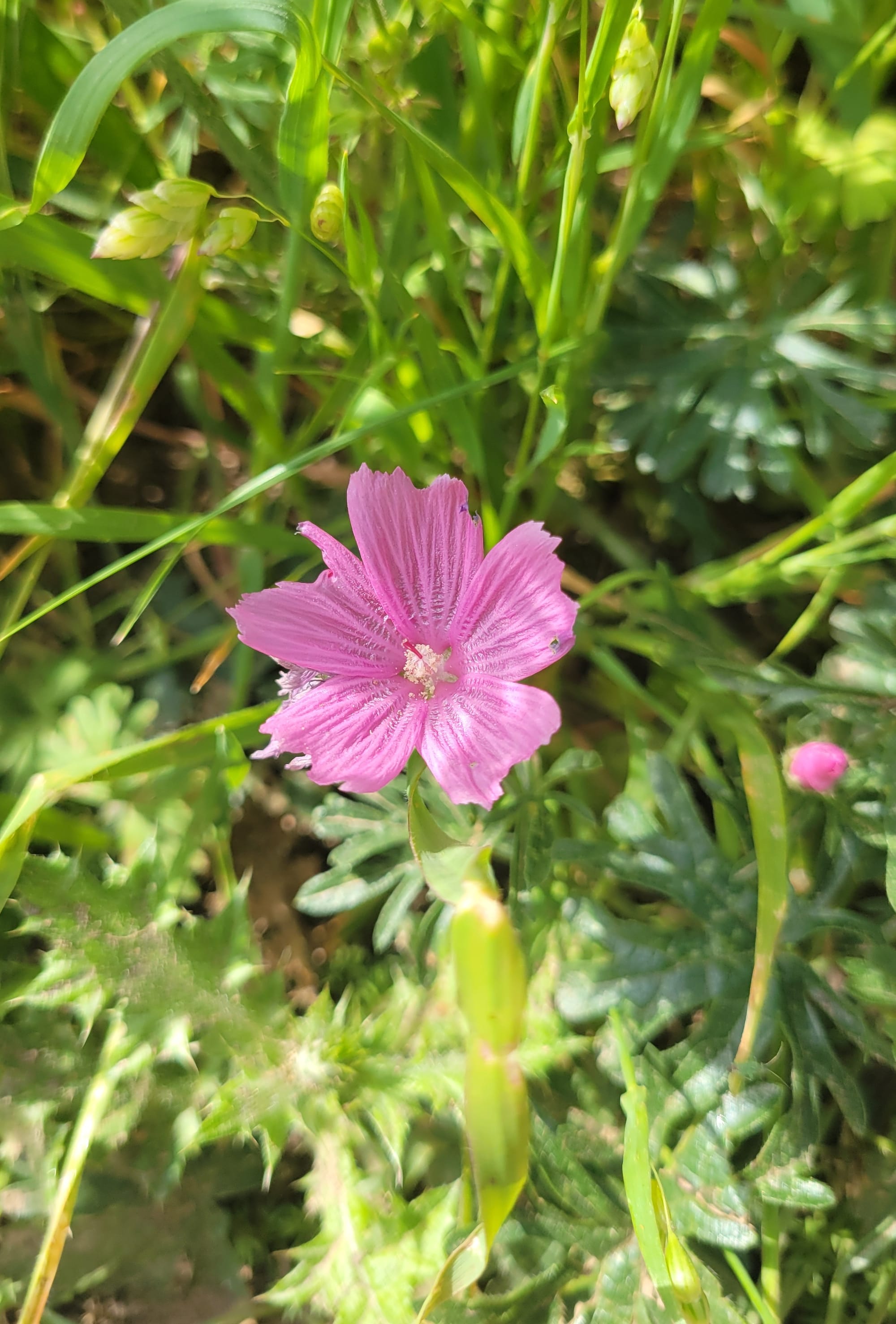
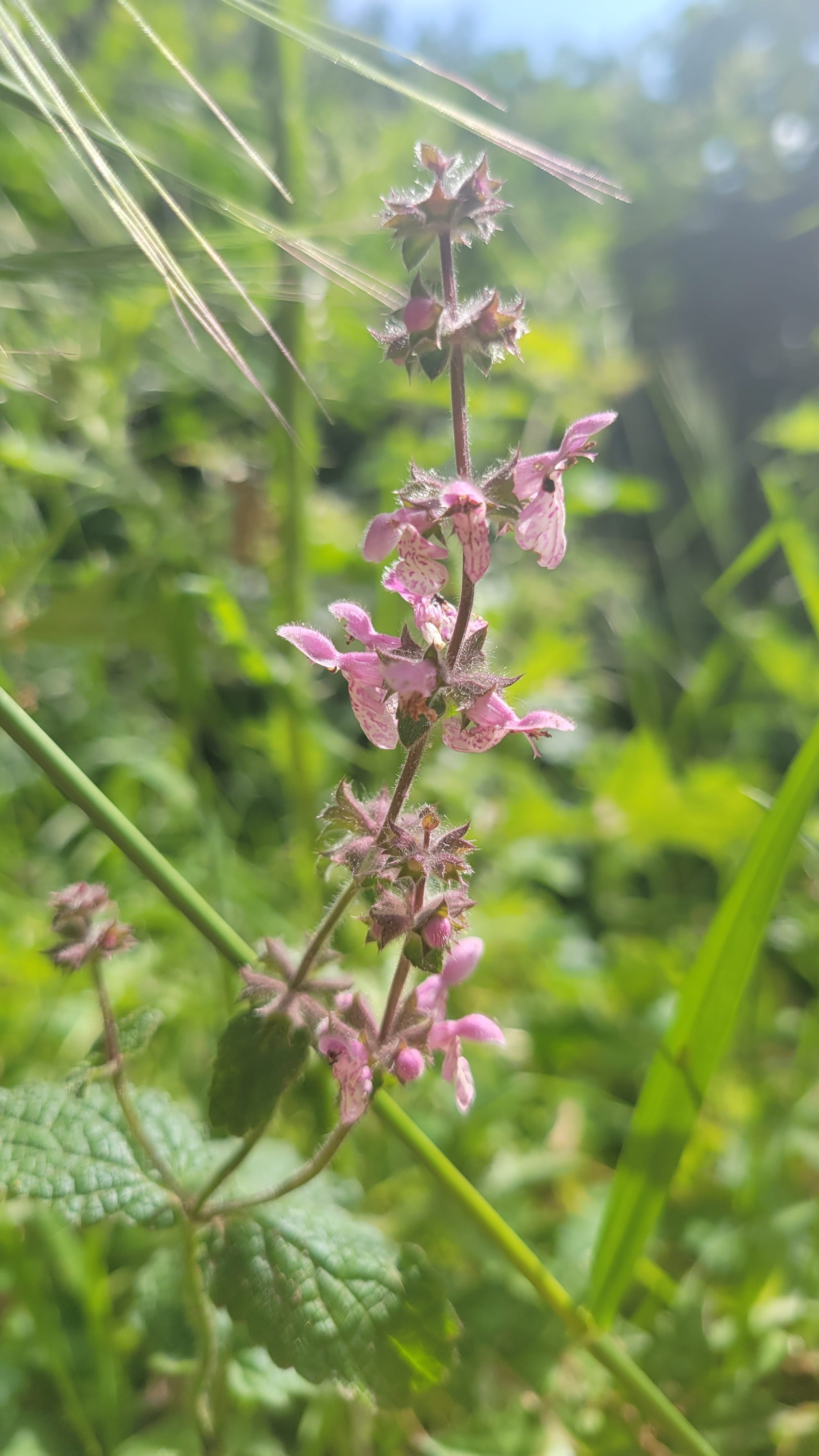
It wasn’t until the checkerbloom flower (dark pink) that I registered my first native plant. Local Miwok baked the leaves and ground the seeds into pinole. Later I came across rough hedgenettle (light pink). Their leaves and flowers were used for tea. And I found honeysuckle (also pink), whose burnt-wood ashes were made into a paste for tattooing.
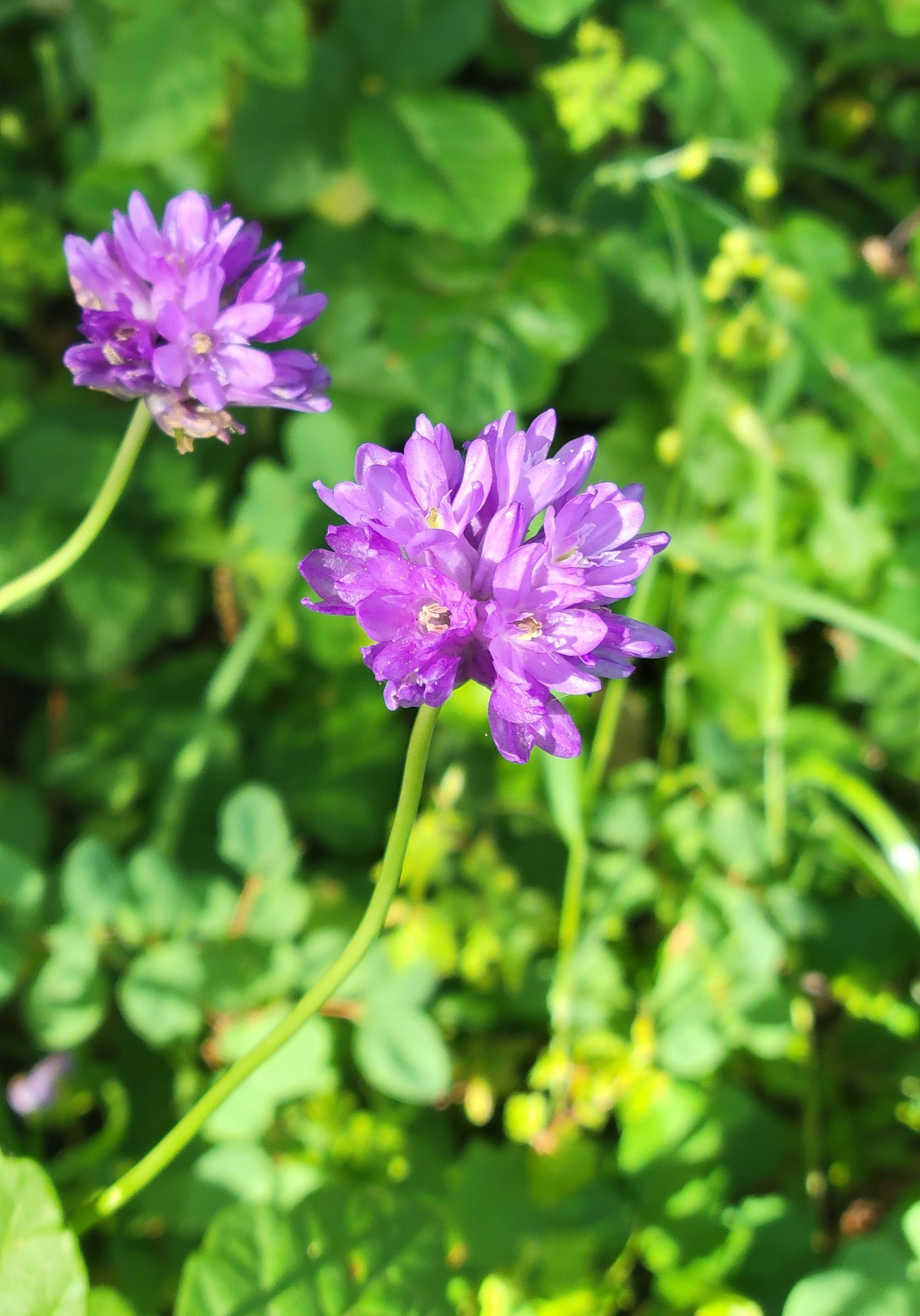
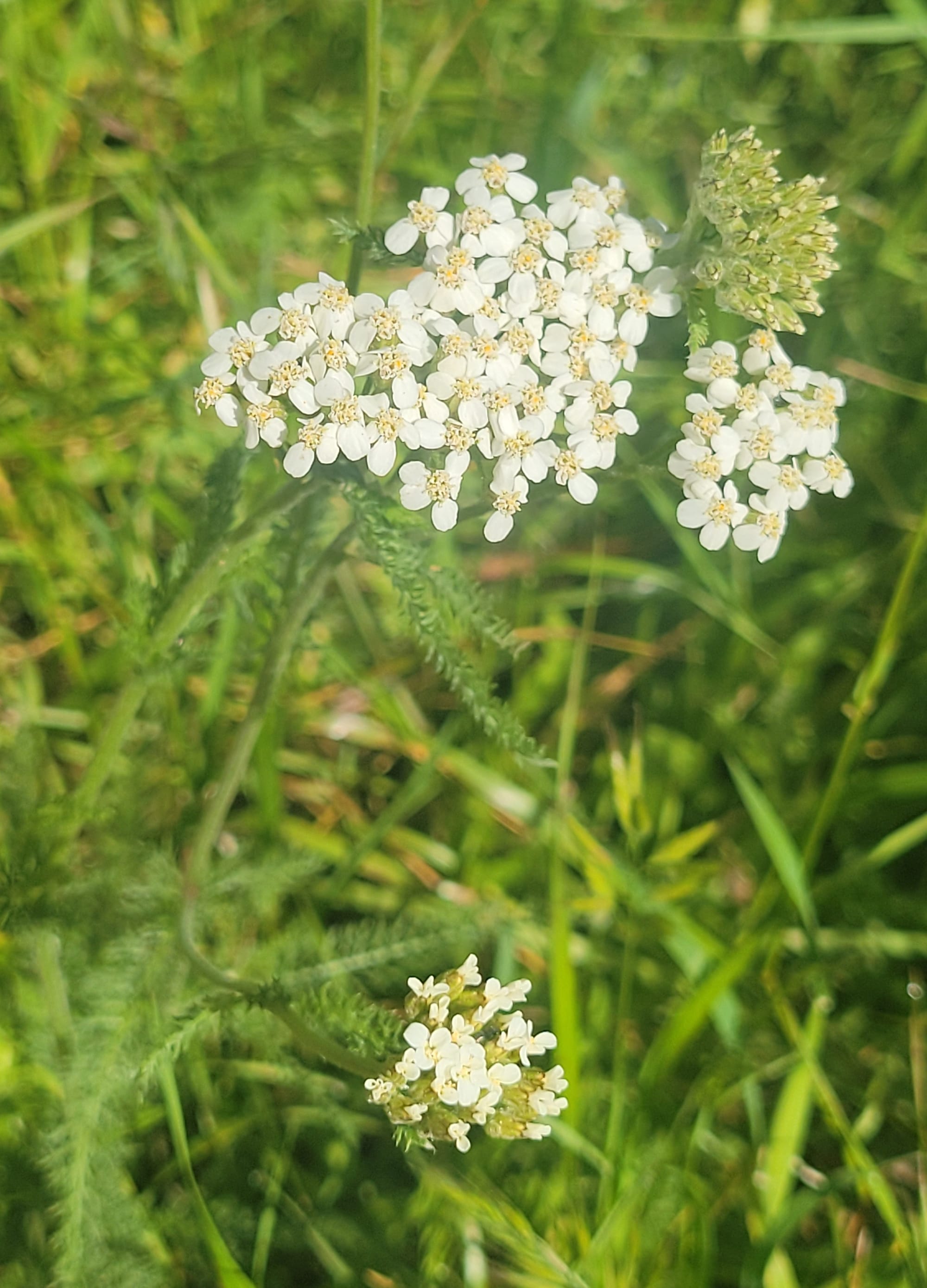
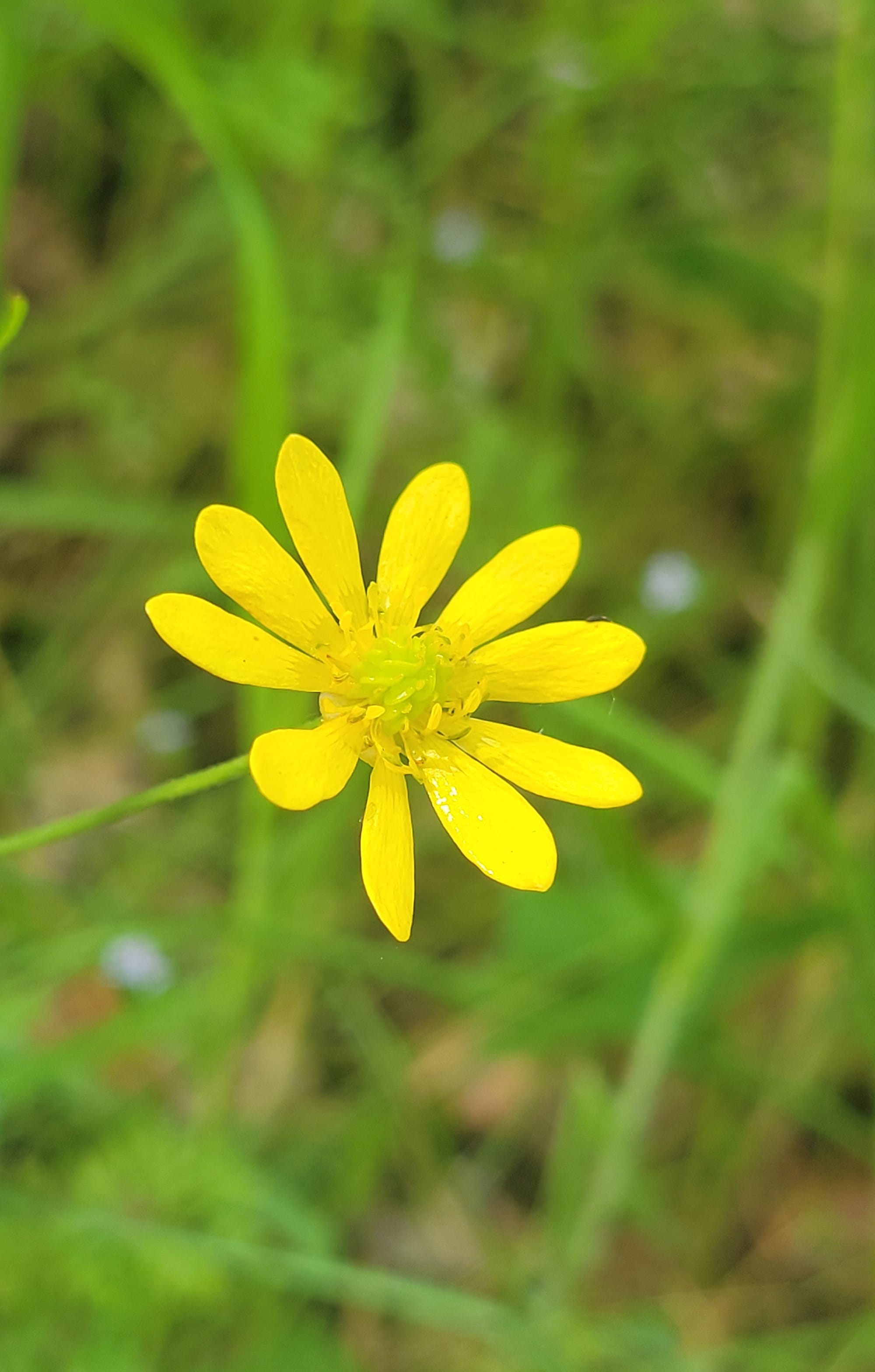
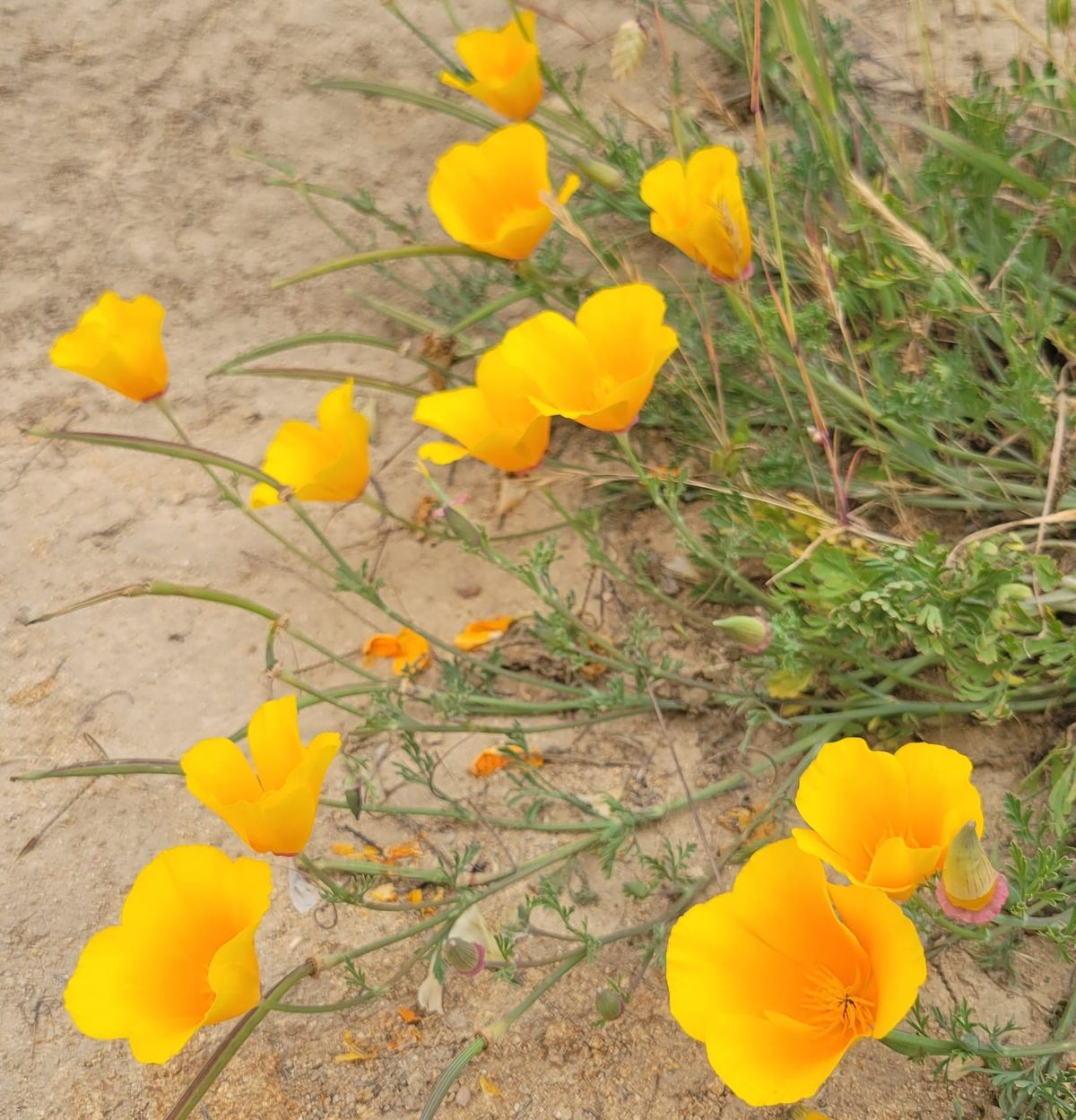
I also saw common yarrow and California buttercup. The most prominent native flower, by far, was the California poppy. Next up was ookow, a beautiful violet flower I just learned this year.
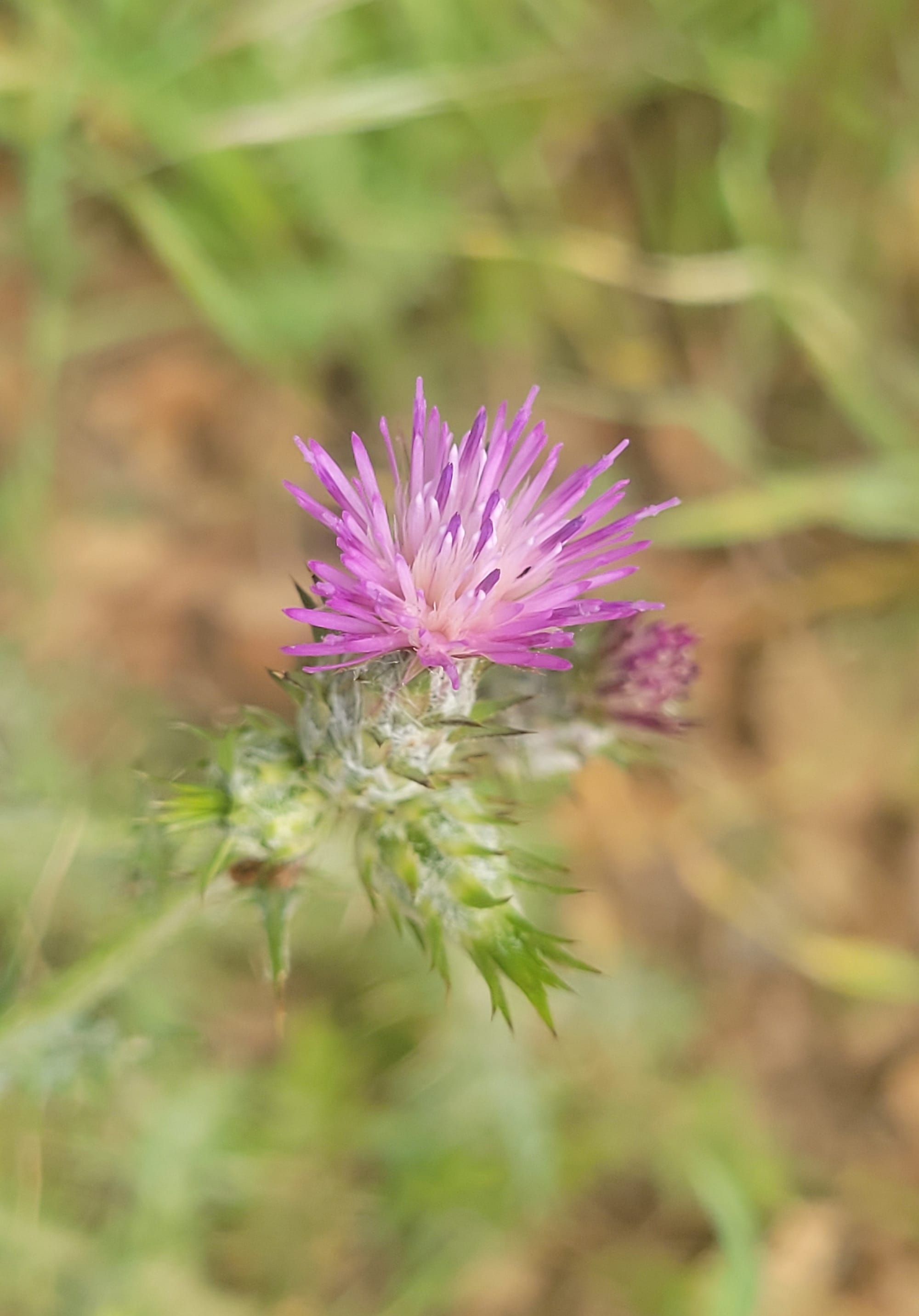
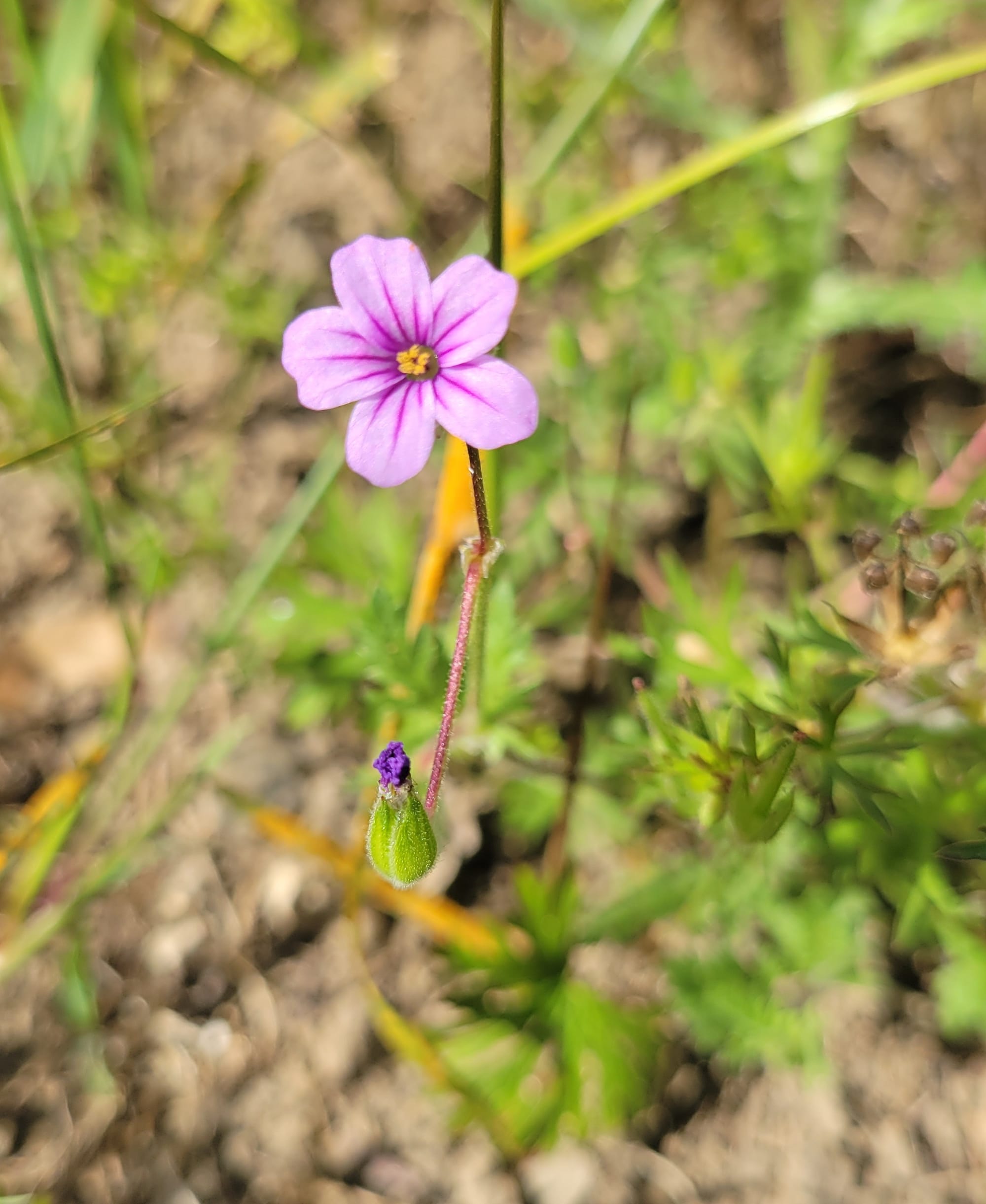
But by a ratio of two-to-one, most flowering plant species were non-native. This I didn’t expect, though perhaps I should have. Mediterranean stork’s-bill, sheep’s sorrel, Italian thistle, and many more: these highly adaptable plants from other continents, brought to California intentionally or accidentally over the last 250 years by waves of colonists and immigrants, have made their mark on our landscape.
Which flowering plants in your neighborhood or favorite park are native, and which are not? You can conduct your own personal bioblitz. Download the iNaturalist app and start taking pictures to find out. Then join the Get Out! project page to begin collaborating with others. You can find exactly where the specimens discussed above were spotted, and add your own to the map. Email nseltenrich@petalumavoice.org with any questions.