On Sunday evening, the Petaluma Police Department announced that Chace Finn, the 16-year-old Petaluma teen who went missing last week, has been safely located in good health and is now with his family.
The post did not elaborate on where or how Finn was found.
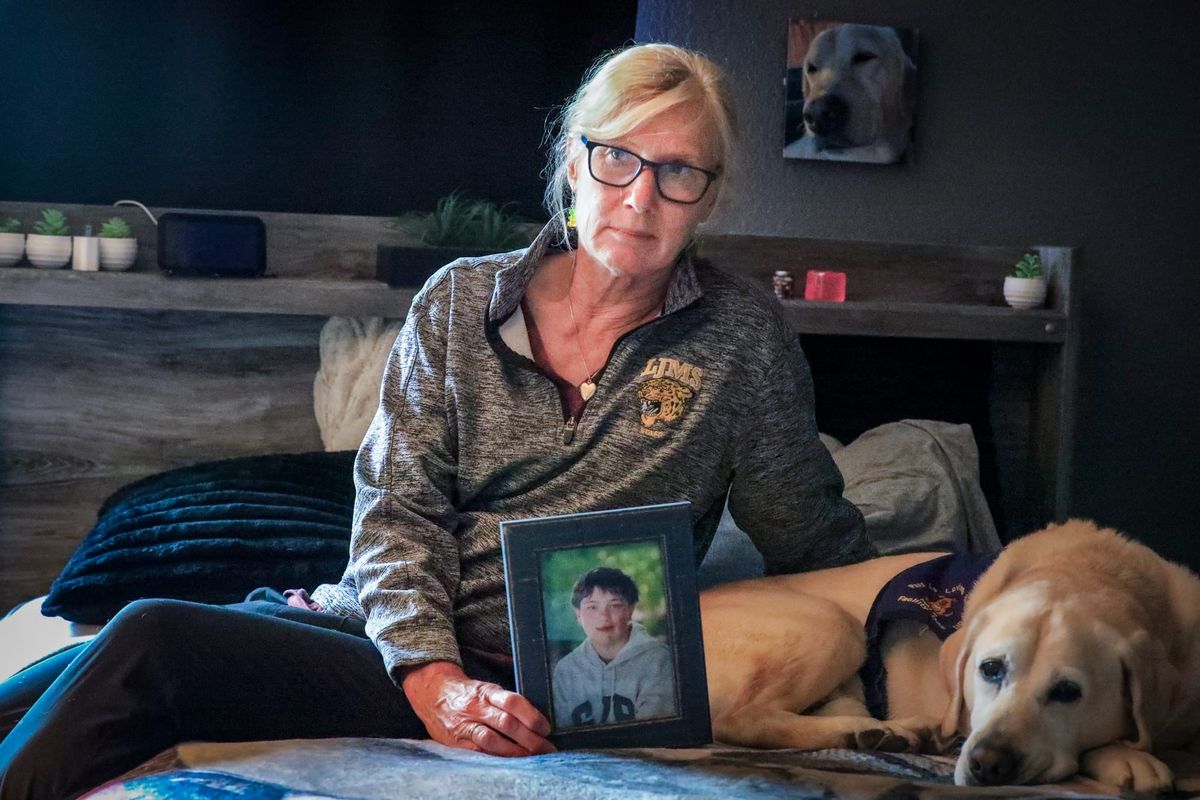
His mother, Nadine Finn, said over text that she is tired but immensely grateful for all the community support.
She referenced her “gratitude” post on Facebook, where she thanked the many people who came forward to support their family’s search.
“I’m forever grateful, inspired and humbled by the outpouring of love and support in this family crisis,” Nadine wrote. “Needless to say, we all have a great deal of emotions to unpack, therapy and healing to do, but I’ve learned so much during this process and I’m committed to paying it forward.”
She also thanked the nonprofit Finding Kids, which she had previously said accepted the case.
In the first 48 hours of a child’s disappearance, the missing-children’s support organization suggests to call 9-1-1; inform officers if the child may be at risk to themselves; share photos and detailed descriptions; record case information (and responding officer’s contact); and ask police to issue a notice to the public.
In an interview Monday morning, Lt. Matthew Parnow of the Petaluma Police Department declined to share details on the circumstances of the teen’s return, as the department is “respecting the rights of the juvenile and parent.”
However, he shared tips and clarified misconceptions about what to do if a loved one goes missing.
“If someone is missing and there’s a need to get law enforcement involved,” that can happen immediately. “There’s no set time to make a missing persons report,” Parnow said.
Once a report is made, police will ask for basic information about the missing person including their school or job, what type of vehicle they drive, and where they were last seen. Do they take any medications? Any concerning health issues? Who are their friends and family in the area?
“We’re going to see if they’ve gone missing before to help us determine any patterns in the investigation,” he said. “Do they have a phone on them, wallets, credit cards, things of that nature to help us in our investigation to narrow down where that person may be?”
Depending on the circumstances, the police department may issue a Nixle alert, but it does differentiate between someone who is and is not voluntarily missing. For some adults, “If they want to get off the grid for a week, they have a right to get off the grid.”
Parnow also noted that cases involving juveniles are more sensitive and serious than adult cases.
“We take all missing persons reports very seriously,” he said. In this case, “we did receive a lot of tips, information from community members. We appreciate that.”