A complete history of the Phoenix Theater, part 2
The ghosts of yesteryear and the Phoenix of today
Editor’s note: This is the second of a two-part series that originally ran as a single story on April 27, 2026, in The Oak Leaf, a student-run publication at Santa Rosa Junior College. Before reading this, start with part one, “From scandalous vaudeville to punk rock.”
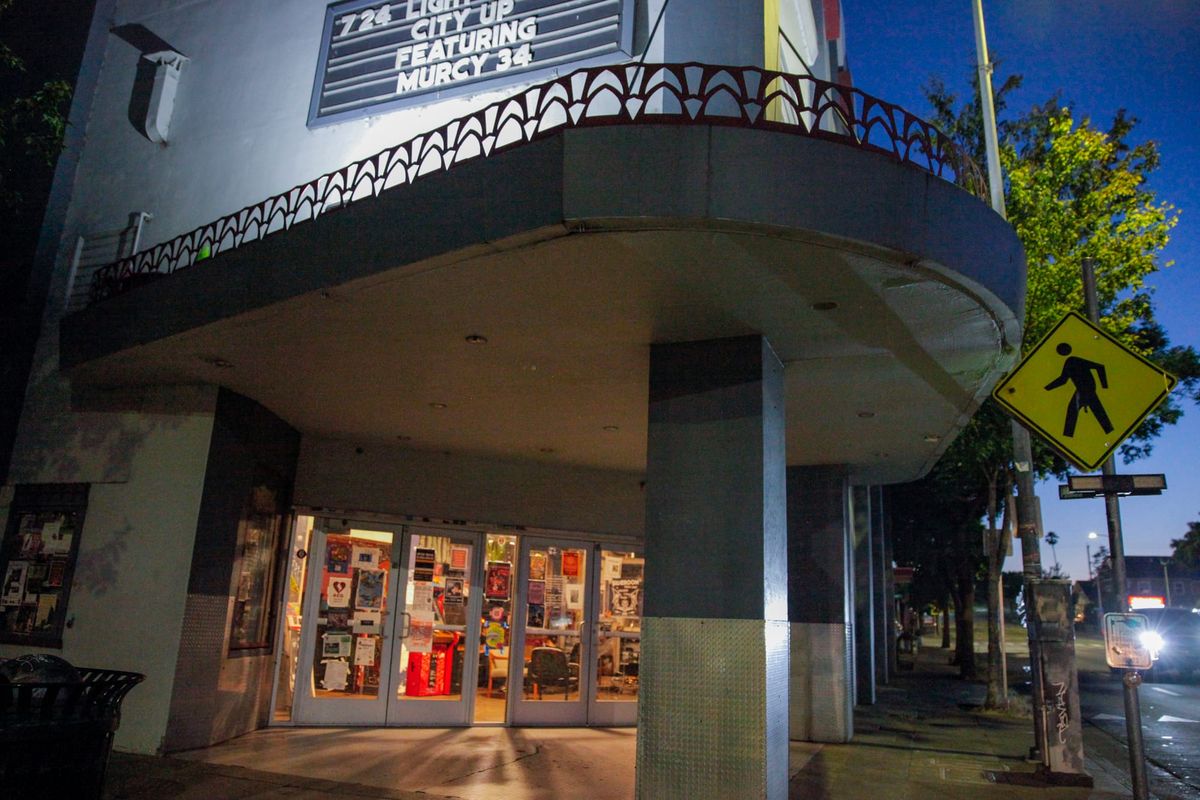
The Phoenix Theater is still going strong, 120 years after it opened as the Hill Opera House. On any given weekend, one is sure to see kids skating inside, bands of all sorts performing, and Tom Gaffey holding the whole thing together.
Anywhere that people gather, especially a place with as much history as the Phoenix, ghost stories will do the same. Through spooky teenage rumors and decades of ghost hunts, most who are familiar with the building are also acquainted with its alleged spectral inhabitants. And with every exhalation of hearsay, the Phoenix only inhales another ghost.
‘We’re all in this together’
“I know about the ghosts,” said Milo Ward, a local singer-songwriter. “I’ve come here for a really long time, so you just hear the stories around.”
Gaffey, who began attending shows at the theater well before it became the Phoenix and has managed it since 1984, has had many firsthand encounters with such anomalies. A building this old has a lot of logical explanations for strange noises and sights. Some cases probably amount to the building shifting, noisy plumbing, or kids pulling pranks, but just as many occurrences remain inexplicable. Human perception is flawed and ghosts may not be real, but we can still ask, “What if?”
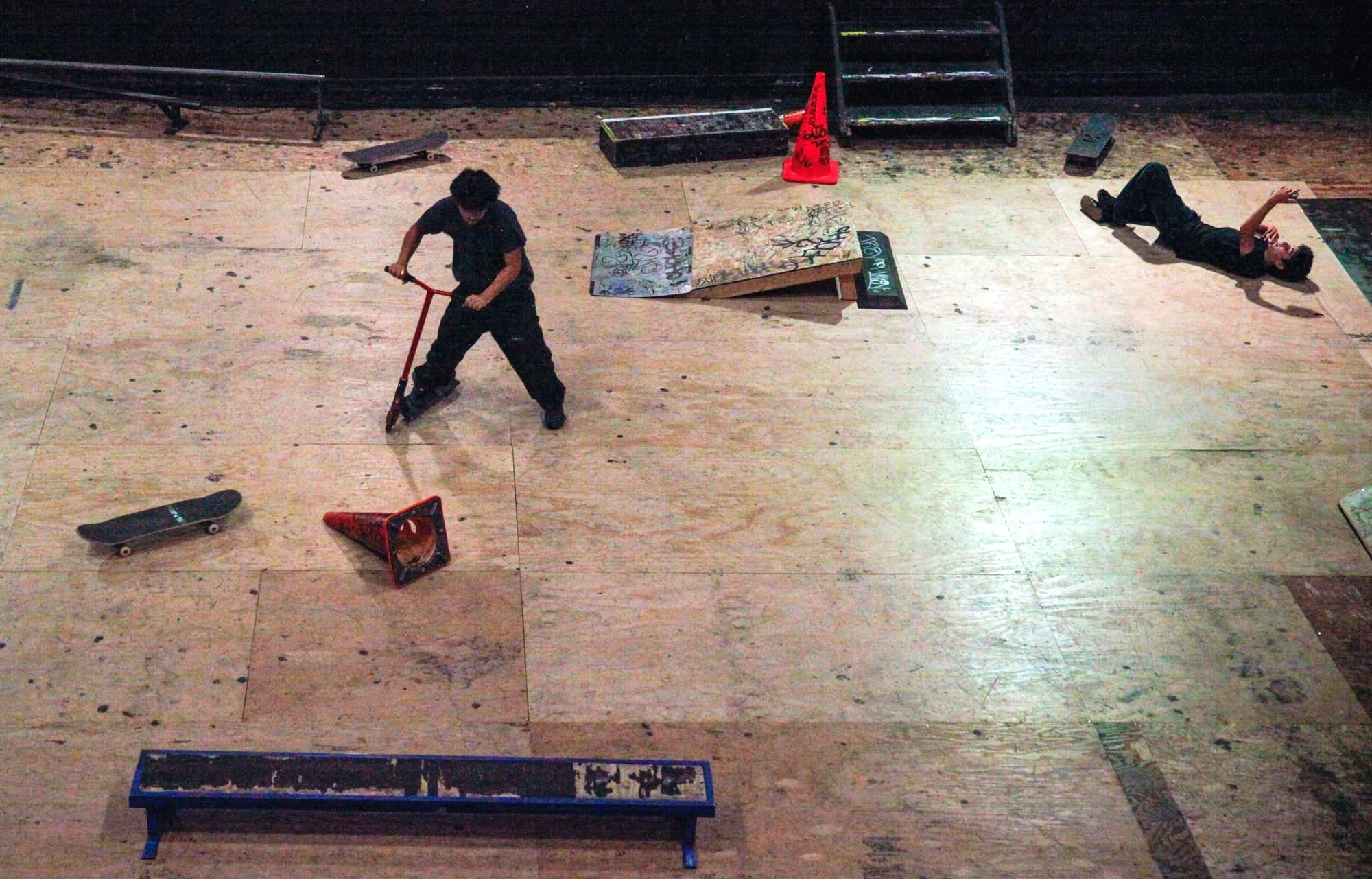
“I’m not even telling you I believe in ghosts, just to hedge my bets. But I won’t stay in an old hotel. Ever,” Gaffey said.
He remembers sleeping onstage in the theater as a kid and hearing the steps of his first Phoenix ghost. In the decades since, he’s continued to treat Chris the Giant as the childhood friend he is.
“We’d hear these big footsteps coming over the stage and stomping right over us,” Gaffey said. “Didn’t feel bad at all, felt like he was just kinda checking us out. We named him Chris. He was huge; you could just feel the footsteps.”
Gaffey also recalls a story involving one of the Phoenix’s old security workers. They were setting up for a Gwar show late one night when the worker emerged from the lower exit of the tower and reported seeing a little kid backstage. Despite no child being in the theater that night, the worker was absolutely certain of what he’d seen.
“He left then and there, quit and did not come back. It’s his real ghost story. He really saw this little kid,” Gaffey said.
The third major ghost Gaffey mentioned was a woman who once haunted the girls’ bathroom. Apparently, she was a large and terrifying spirit who would harass the staff at night. It started back in 1984, when Gaffey first began managing the venue.
“When I got here, there were two janitors who would not clean the girls’ bathroom by themself,” Gaffey said.
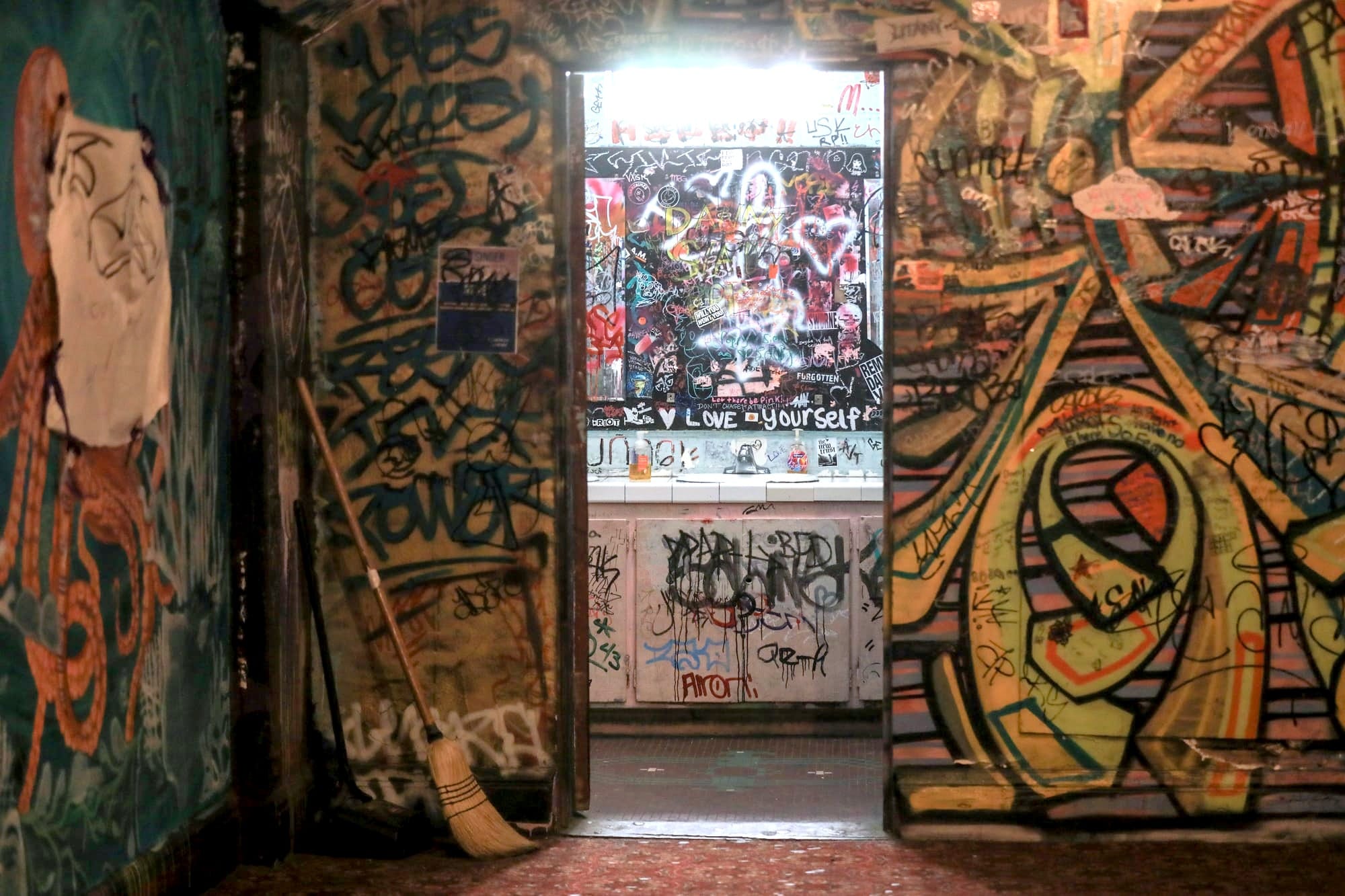
On Friday the 13th, in January of 1984, Gaffey’s friend brought in a ghost hunter from the Berkeley Psychic Institute. The ghost hunter, armed with an array of various paranormal antennas, gizmos, and gadgets, apparently corroborated the existence of Chris, as well as the Lady in the Bathroom. After the ghost hunter directed her towards “the light,” her influence vanished, never to return.
These first three ghosts are just the beginning, because it turns out the Phoenix is absolutely rife with hauntings. That is, if you take the eclectic cast of Phoenix ghost hunters for their word. Is it possible that a massive number of people over several decades looking for ghosts are just statistically likely to find a massive number of ghosts? Don’t think about it.
TV ghost hunter Amy Bruni grew up investigating the ghosts of the Phoenix Theater. In 2010, she ran an event aptly called “Ghosts of the Phoenix,” in which participants joined her on a tour of the building and learned the haunting ropes of ghost hunting.
Down in the basement, they communicated with one ghost who Gaffey was well aware of. He knew this hot-tempered poltergeist for the constant object-flinging physical destruction it enacted on the basement. Gaffey was outraged when the ghost told him to “get out” during this communication. He says they’ve made up since then, but still have their differences.
“I’m like, ‘Get out? You know what? Screw you. I’m the guy who has to come down here when the basement floods.’ I’ve changed my tactic. We’re friends now,” Gaffey said. “This is where he and I have our issues. If you’re going to haunt something, why are you going to haunt a basement that floods?”
Now, to finally answer the big question: What’s up with the ghost on the balcony?
If you grew up going to the Phoenix, it’s likely you’ve heard about this particular entity. The balcony was blocked off to the public for years, so its mystery has only grown in the community’s imagination. Many rumors have arisen about a ghost up there, with some telling of a kid who fell off the balcony and still haunts it.
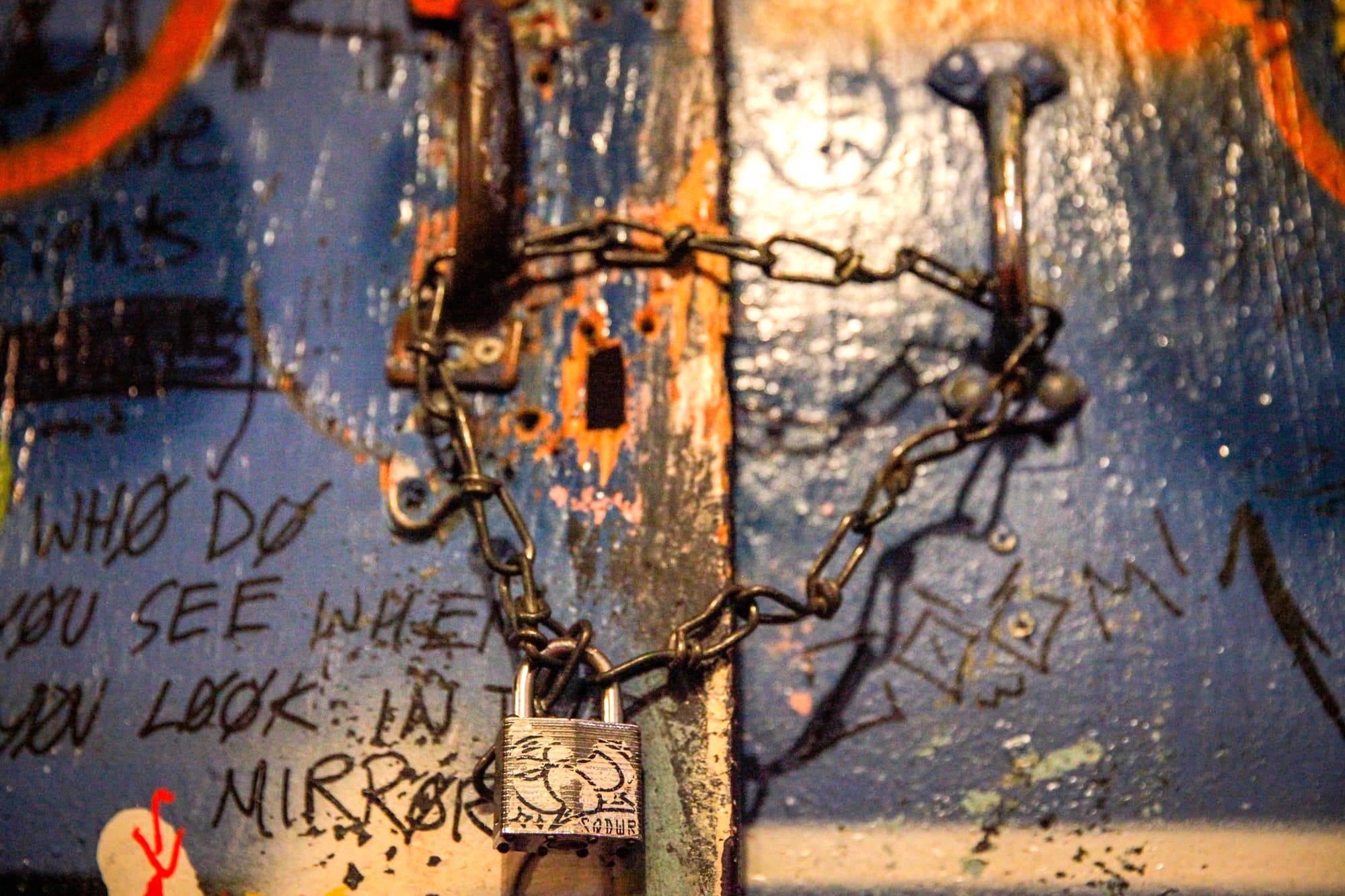
The truth of the balcony is, once again, tragically far less dramatic. Gaffey keeps it locked mainly because the low-quality chairs are not up to Phoenix standards. In fact, a group of ghost hunters from Penngrove disproved the balcony ghost as a trick of the light.
“If you have a guitar flashing in the lights, it sends a shadow image up across the door there,” Gaffey said. “People would be saying there’s somebody up there, but no. They were able to disprove that one.”
Hold the disappointment though, because there’s a much more compelling ghost story about the balcony’s projection booth. Today, the booth has been refashioned into a secret practice studio, but it was in operation for many years when the venue was a movie theater.
“The ghost hunters from Penngrove got a really good vocal hit up in the projection booth, and we do know in the ’50s a projectionist did have a heart attack and die up on those stairs,” Gaffey said.
He’s had his scraps with that particular ghost, recalling a time when the projector room ghost would make noises late at night while he was closing up the theater.
“You can’t assume it’s ghosts, because that’s just ridiculous. You have to assume it’s a human being. So now I have to go up there all by myself. I let it happen twice, funny joke. By the third time, I’m ready to do battle with any ghost,” Gaffey said.
Though he maintains a healthy skepticism about the ghosts’ existence, Gaffey plays it safe. If the ghosts do exist, he hopes they are willing to work with him to keep the spirit of the Phoenix more alive than they are.
“We have to run a theater for the people, the living people who pay the bills,” Gaffey said. “If you guys want this to be a theater that you can haunt, then you better not mess with us too much, or else you’re gonna be haunting a big empty building that’ll be an office one day. Quit messing around here. We’re all in this together.”
Same as it ever was
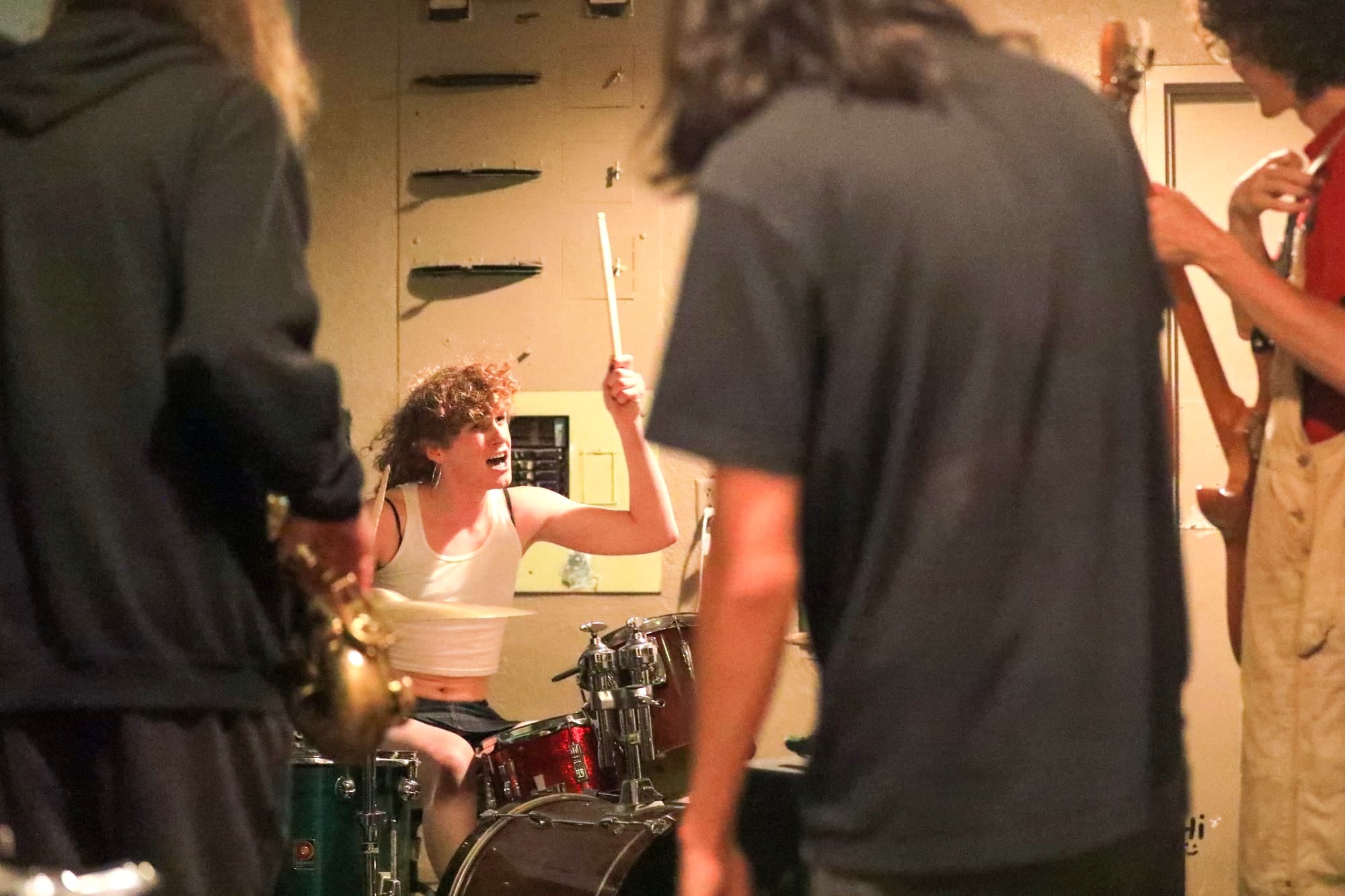
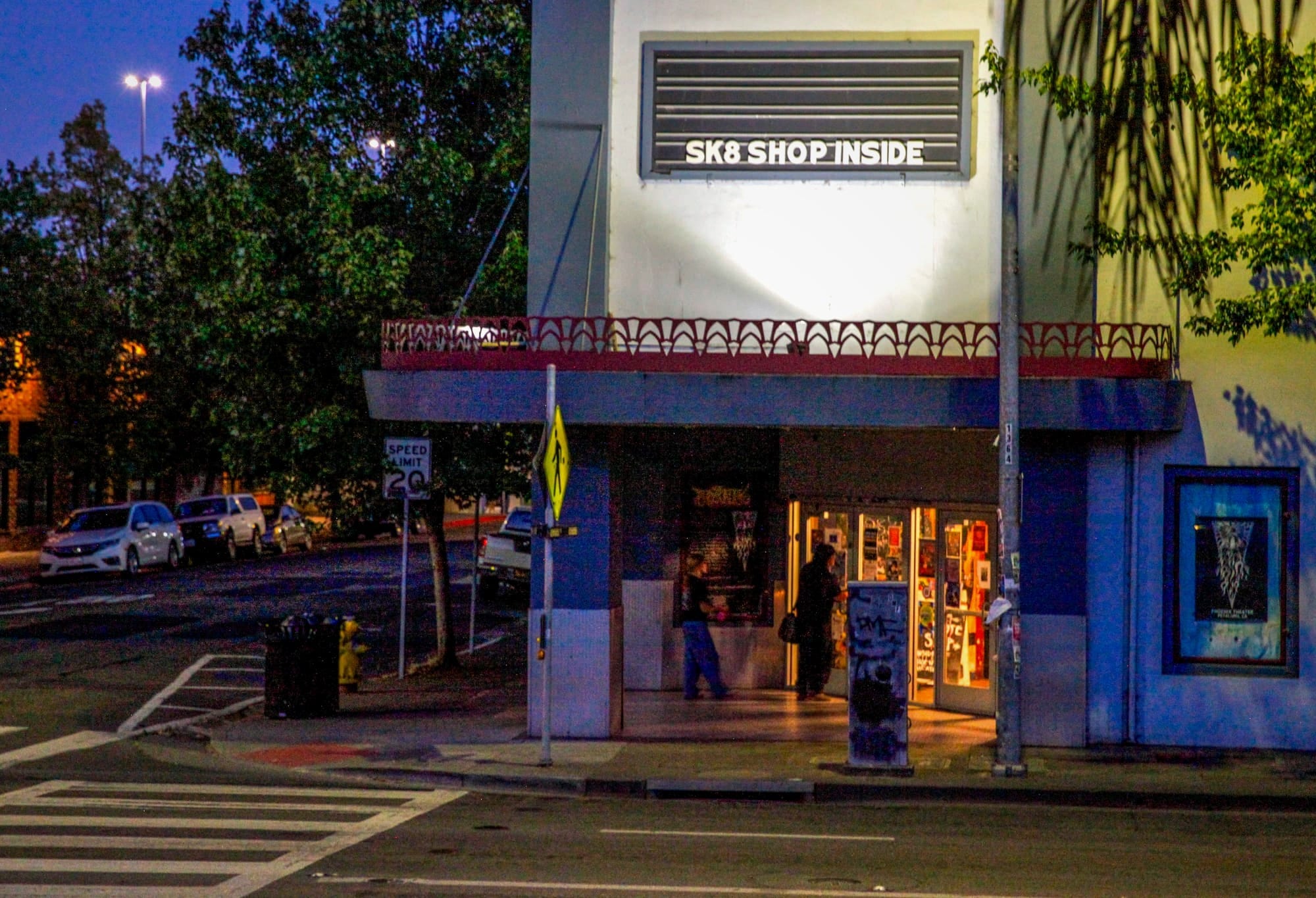
The Phoenix today is less a straightforward music hall than a DIY indoor city, complete with its own attractions, events, subcultures, and shopping. Musically, the venue is still a home for fans and artists of many music genres, including punk, hardcore, metal, screamo, indie, and more. Even people who align with none of these groups are welcome to participate in the community.
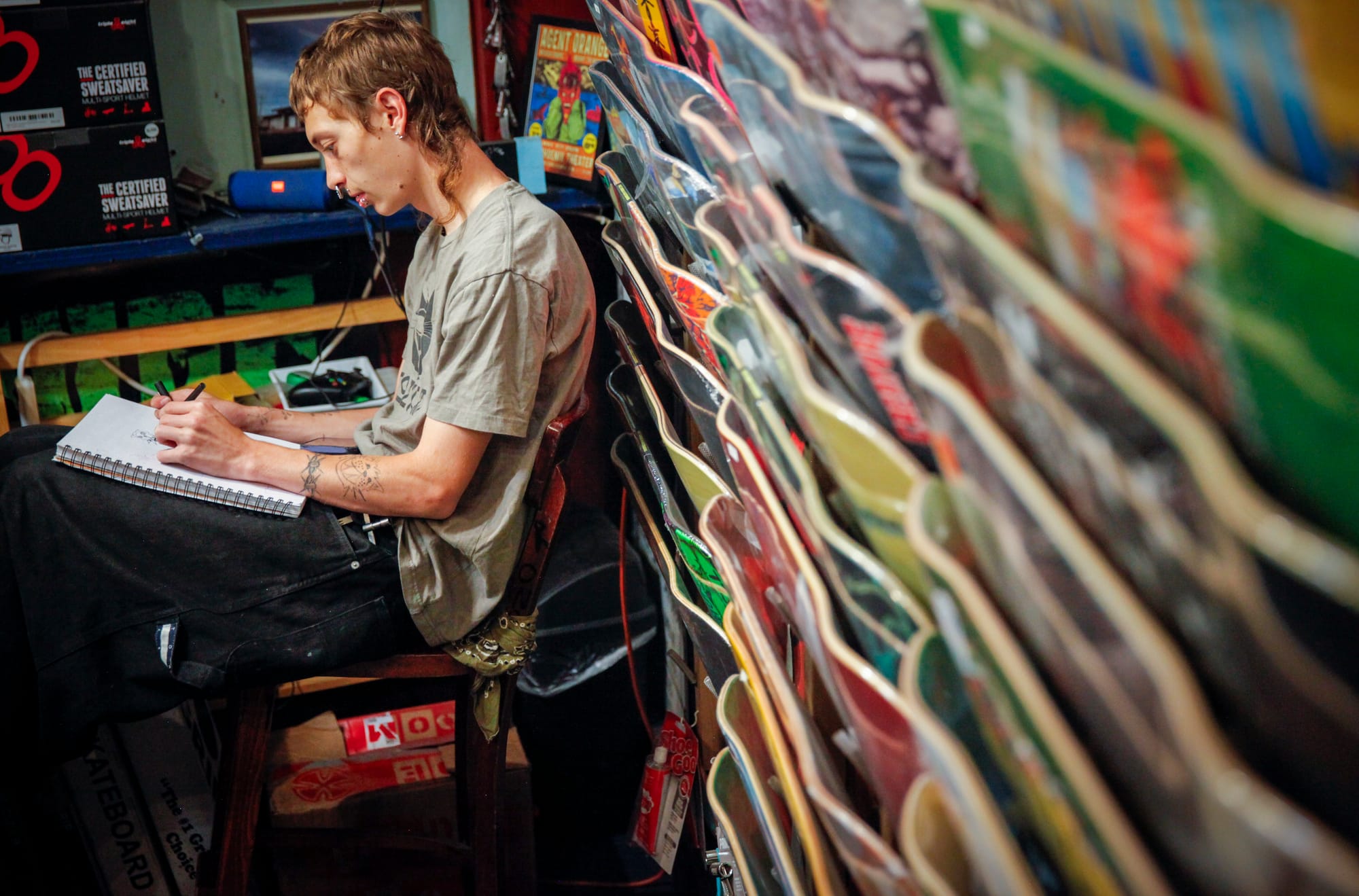
The Side Room Skateshop, also founded by Gaffey, is a nonprofit that operates directly out of the Phoenix Theater. The shop helps provide teenagers with work experience and encourages the next generation of local skateboarders.
Every year, Halloween and Christmas events are held in which audience members get to dress up and enjoy silly covers of holiday songs. Harkening back to its days as a movie theater, the Phoenix also hosts an interactive screening of the cult classic Rocky Horror Picture Show at least once a year.
Relatively recently, in September 2025, wildly successful indie-pop musician Mac DeMarco played two sold-out shows at the Phoenix Theater. Hosting an artist with more than 20 million monthly listeners on Spotify, the Phoenix still has it. Next month, legendary indie rock band Built to Spill will grace its stage.
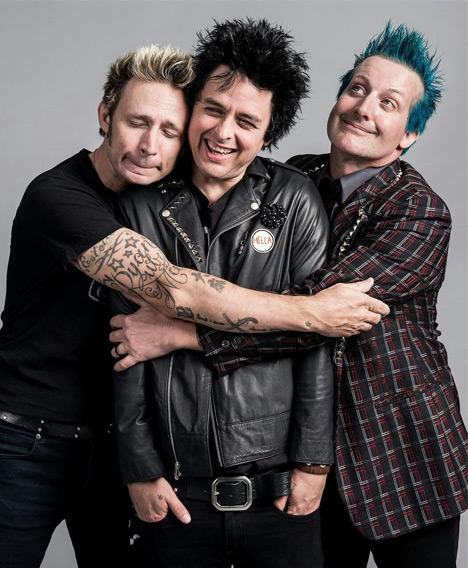
Yet while the theater is well known for hosting many big-name artists, its greater impact has arguably been in its embrace of smaller, local bands. Bands like Green Day and Primus, now famous worldwide, wouldn’t have gotten their start without venues like the Phoenix that support independent Bay Area musicians.
“This was the place where I played my very first show when I was 14,” said singer-songwriter Ward. “It’s always been such a great, welcoming environment.”
Ward isn’t an outlier here; many musicians in the local scene got their start at the Phoenix when they were very young. Even the person writing this article got to play their first amazingly sloppy, amateur show at the Phoenix as a clueless teen. Oftentimes, local teenage musicians suck, but it’s important that they have a space to suck so they can grow.
“The Phoenix was a gateway for me to become more social and find friends,” said show-going Santa Rosa Junior College student Lexi Baccei. “It really altered my life, being the first place where I started going to shows. I think it does pertain to a younger crowd for the smaller shows. Feeling like I’ve grown out of it, I’ve moved on to bigger things like going to the city and finding all the different venues out there.”
It’s a common complaint in the current local music scene that the Phoenix crowd skews young, and that every third show is performed by a group of kids who have no idea what they’re doing. These rumors are in fact true, but that’s part of what makes the Phoenix special.
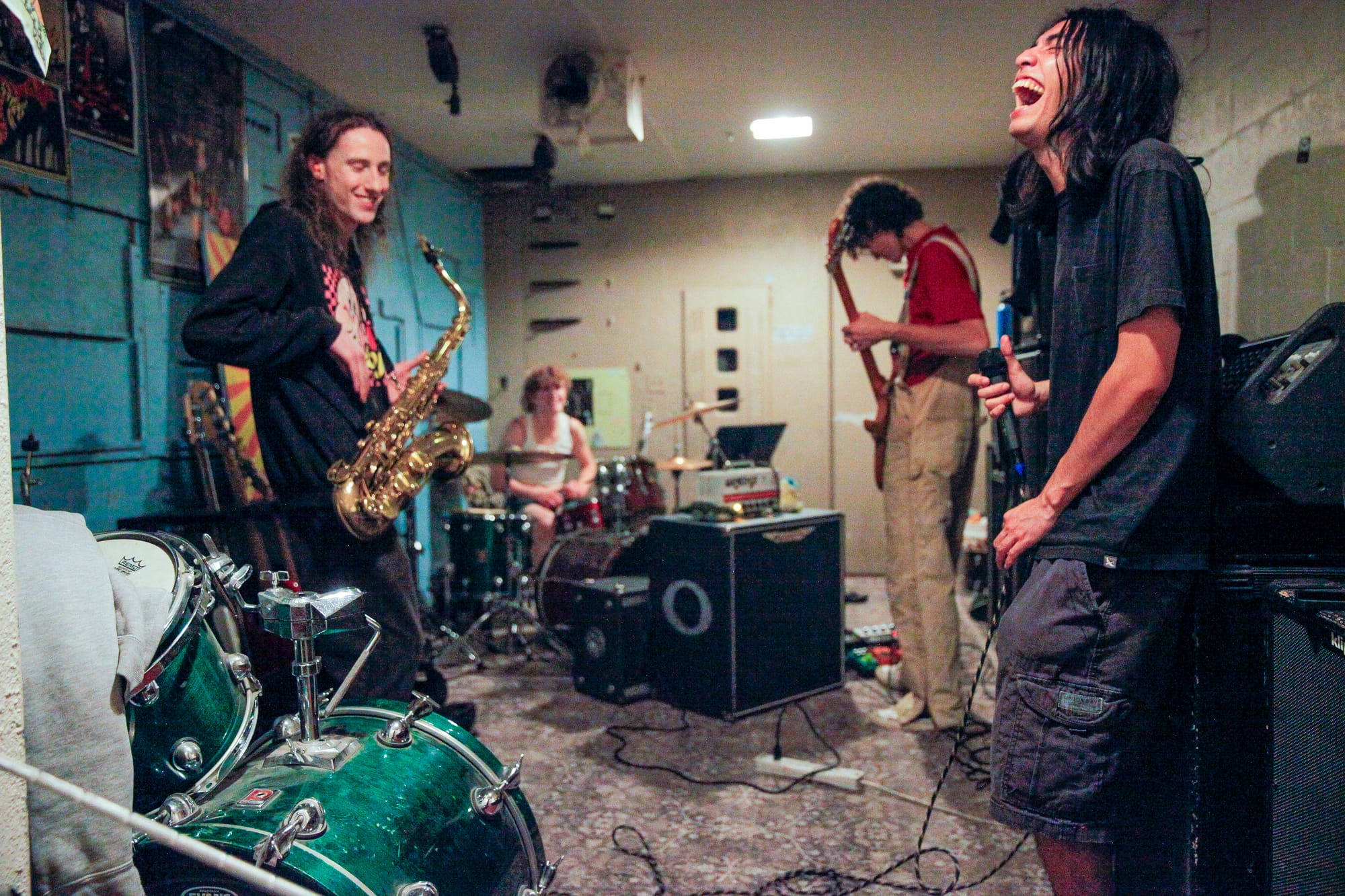
“The cool thing about the Phoenix is they bring in bands from the highest level to people who are just starting out,” said longtime Phoenix-goer Michael Pickard. “Kids, high schoolers, all coming out to the shows on weekend nights, enjoying local music.”
From the beginning of his time at the Phoenix, Gaffey has always cared about creating a space for artists of all ages. It’s great that many of these young musicians aren’t very good, because they shouldn’t need to be. This open-door policy has roots in the inclusiveness of the (pre-Phoenix) Showcase Theater’s Doc Naify, and even the accidental working-class community of the original Hill Opera House.
The Phoenix has undergone enormous changes over the decades, but the spirit of the venue has stayed basically consistent since at least the 1970s. It holds a similar place in the community as it did decades ago, still hosting local bands and hyperactive teenagers through it all.
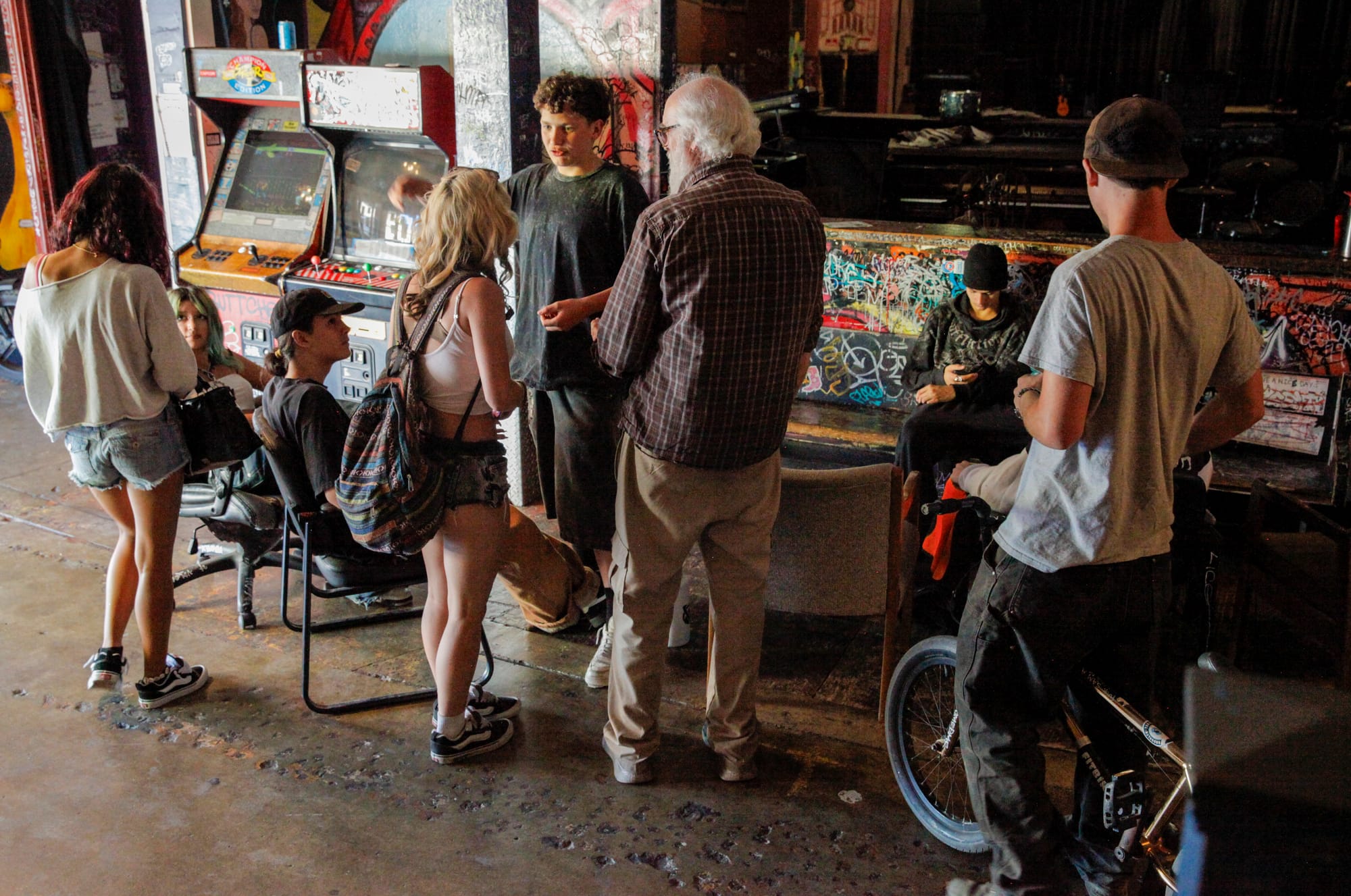
“It feels pretty similar to me,” Pickard said. “When I walk in and see these local bands play, it’s the same vibe as 20, 25 years ago.”
Not even Gaffey knows how any of this is possible. It’s undeniably a miracle that the Phoenix even exists in the first place, let alone how it’s survived nearly unchanged for all these years. Outside of the theater, the world could not be changing faster, but on the inside, it’s a time capsule.
“Don’t ever run a business like this. This is dumb,” Gaffey said. “I don’t know how we stay open. I have a deal with God. Timing was everything, I just happened to be here at the right time. So here we are.”
The Phoenix is a house for everyone. It has the bones of Petaluma’s early days, when it was proclaimed as the greatest live music venue in the North Bay. It runs with the blood of a movie theater that welcomed all with open arms. Its guts hold those first bright, short years of rock 'n’ roll. It stands with the type of thick skin that can survive mosh pits, fires, earthquakes, and capitalism. It breathes the ghosts of people who’ve departed or maybe never were. Most importantly, its heart is that of a community which, against all odds, survives the test of time.