
Sea Lion Poisoning More Prevalent
Recent years have brought more cases of sea lions who are sick from marine sea toxins, including two in Petaluma in a year, a possible indicator of sea health decline
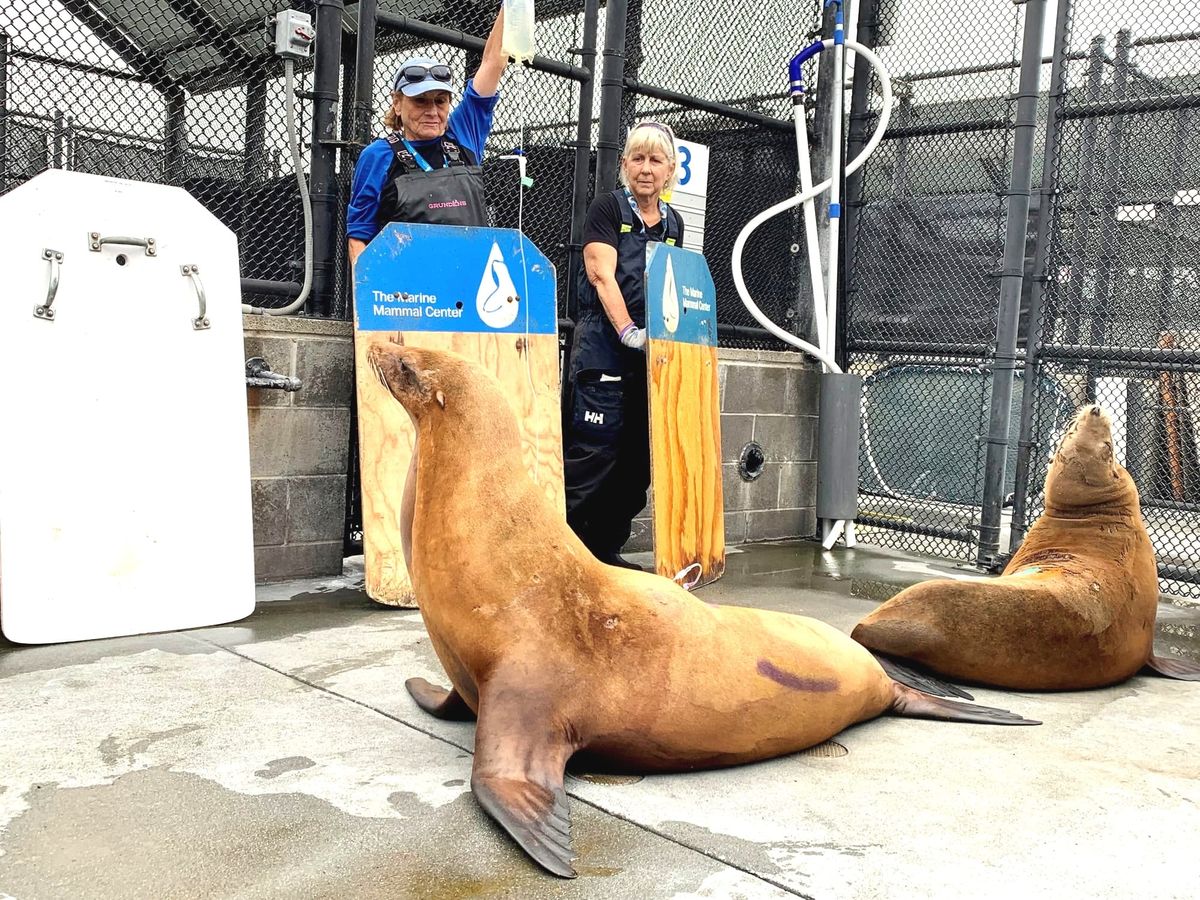
Two sea lions in a span of a year have made their way up the 13-mile Petaluma River. Both were captured by the Marine Mammal Center of Sausalito for rescue, both were diagnosed with acute levels of the same deadly toxin, and both were euthanized.
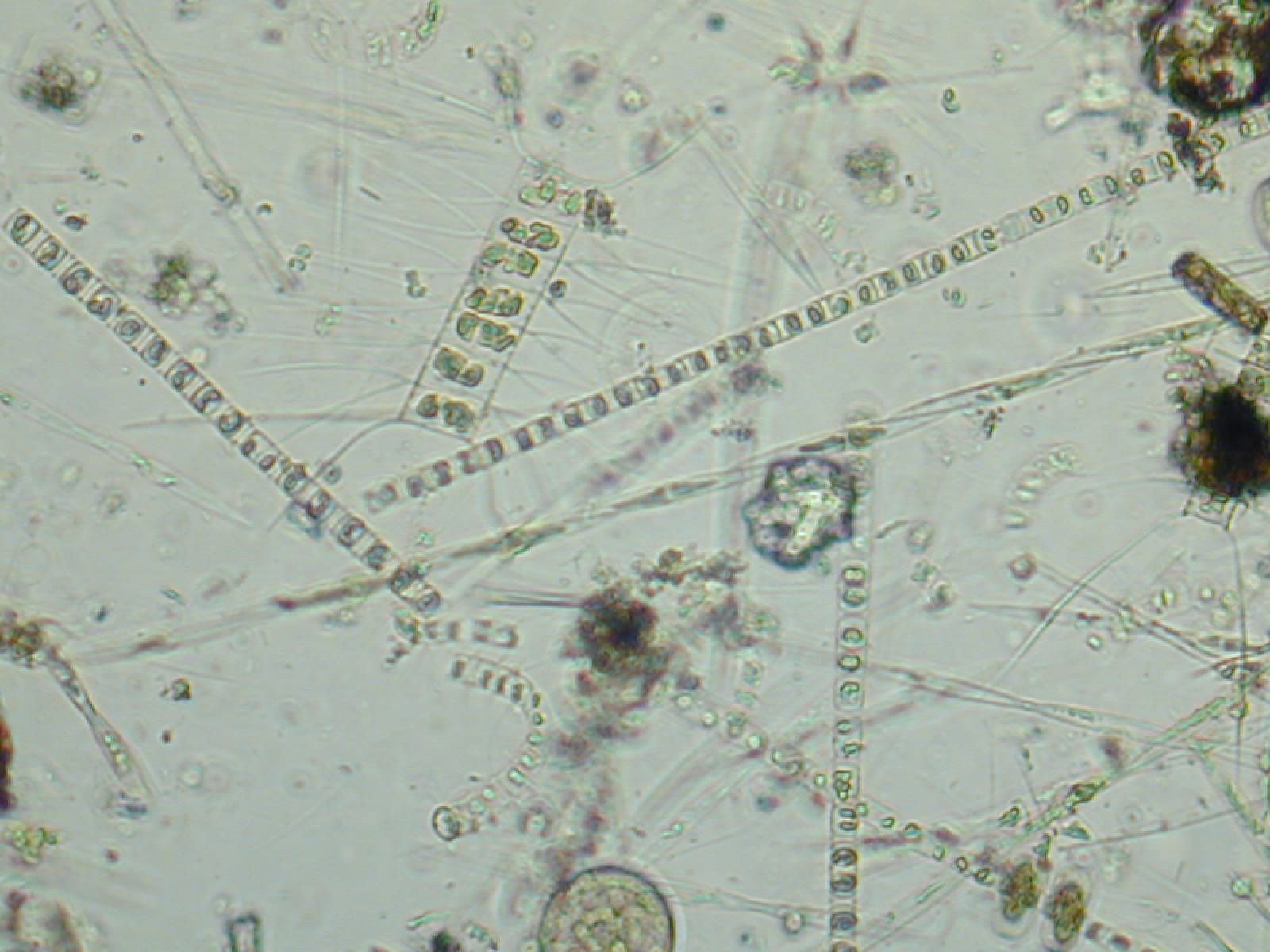
The death of the two sea lions to domoic acid poisoning can be seen as part of a larger trend, ocean experts said. The “harmful algal blooms” that cause the toxin are becoming less predictable and more serious, they said.
“It’s becoming more unpredictable,” said Giancarlo Rulli, spokesperson for the Marine Mammal Center, which rescues and rehabilitates hundreds of marine mammals each year. “And the actual events themselves are becoming much more intense.”
During a toxic bloom, filter-feeding animals such as anchovies, sardines, and crabs ingest the Pseudo-nitzschia toxic algae when feeding. In turn, they are eaten by larger animals like sea lions.
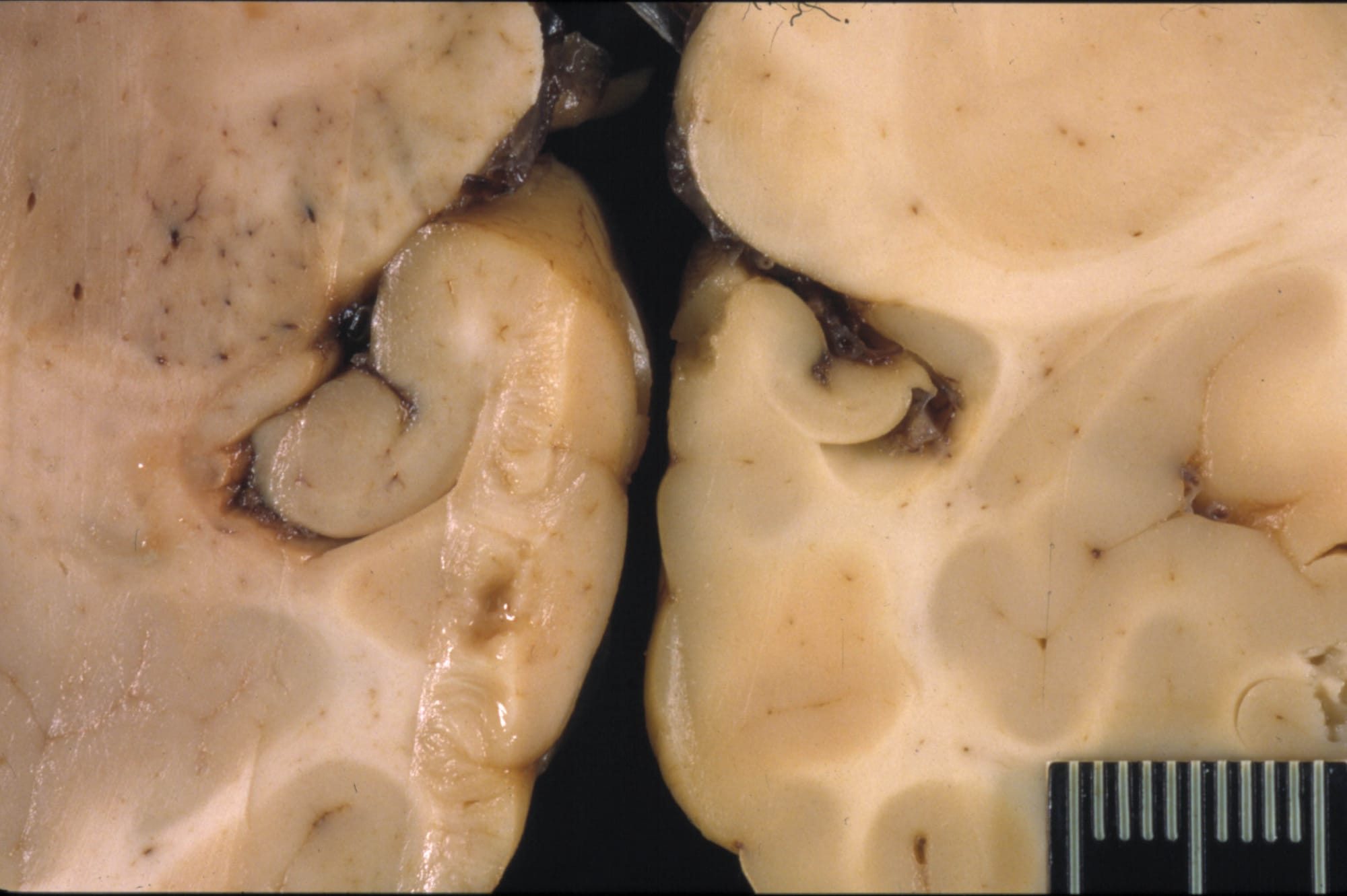
Humans are also susceptible to a condition known as amnesic shellfish poisoning caused by eating seafood contaminated with domoic acid. While it can be harmful or fatal to humans, it is very rare due to testing and oversight by public health agencies. It targets the brain’s memory centers and can create permanent short-term memory loss or coma.
Sea Lion in Petaluma
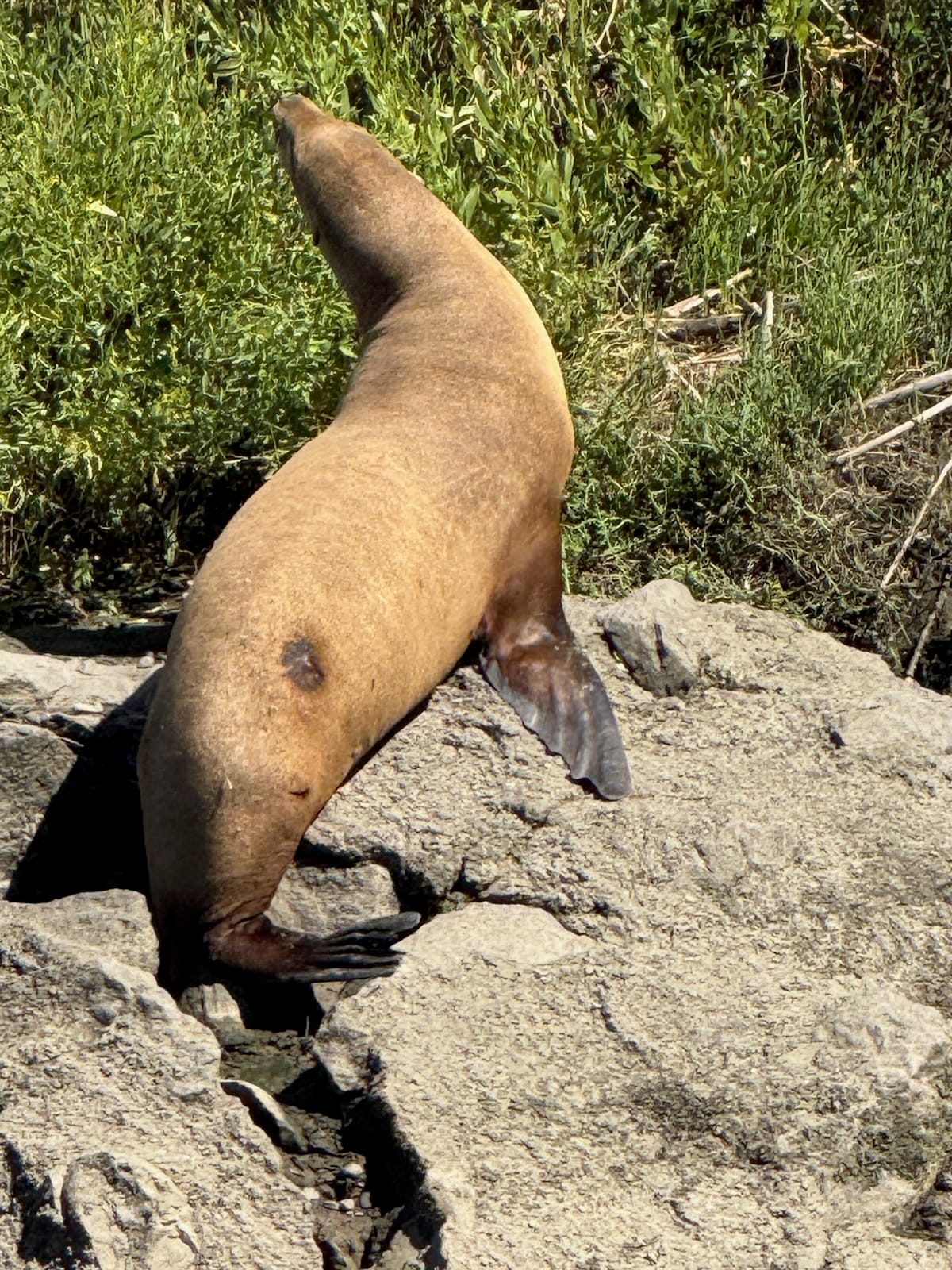
The sea lion that was captured just over two weeks ago was a 170-pound female adult, roughly 4 to 6 years old, who was experiencing acute poisoning, including disorientation, lethargy, and abnormal neurological behavior.
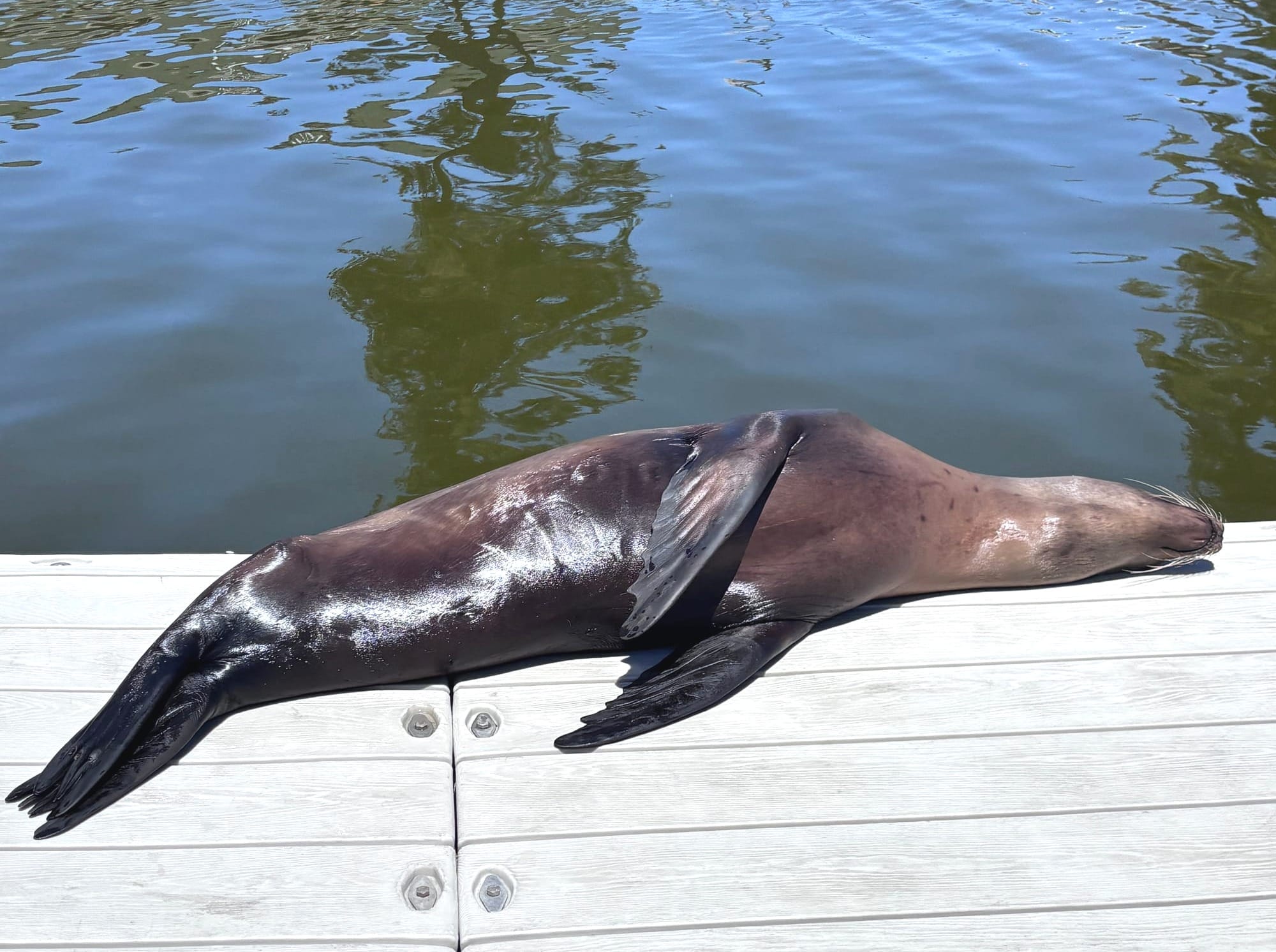
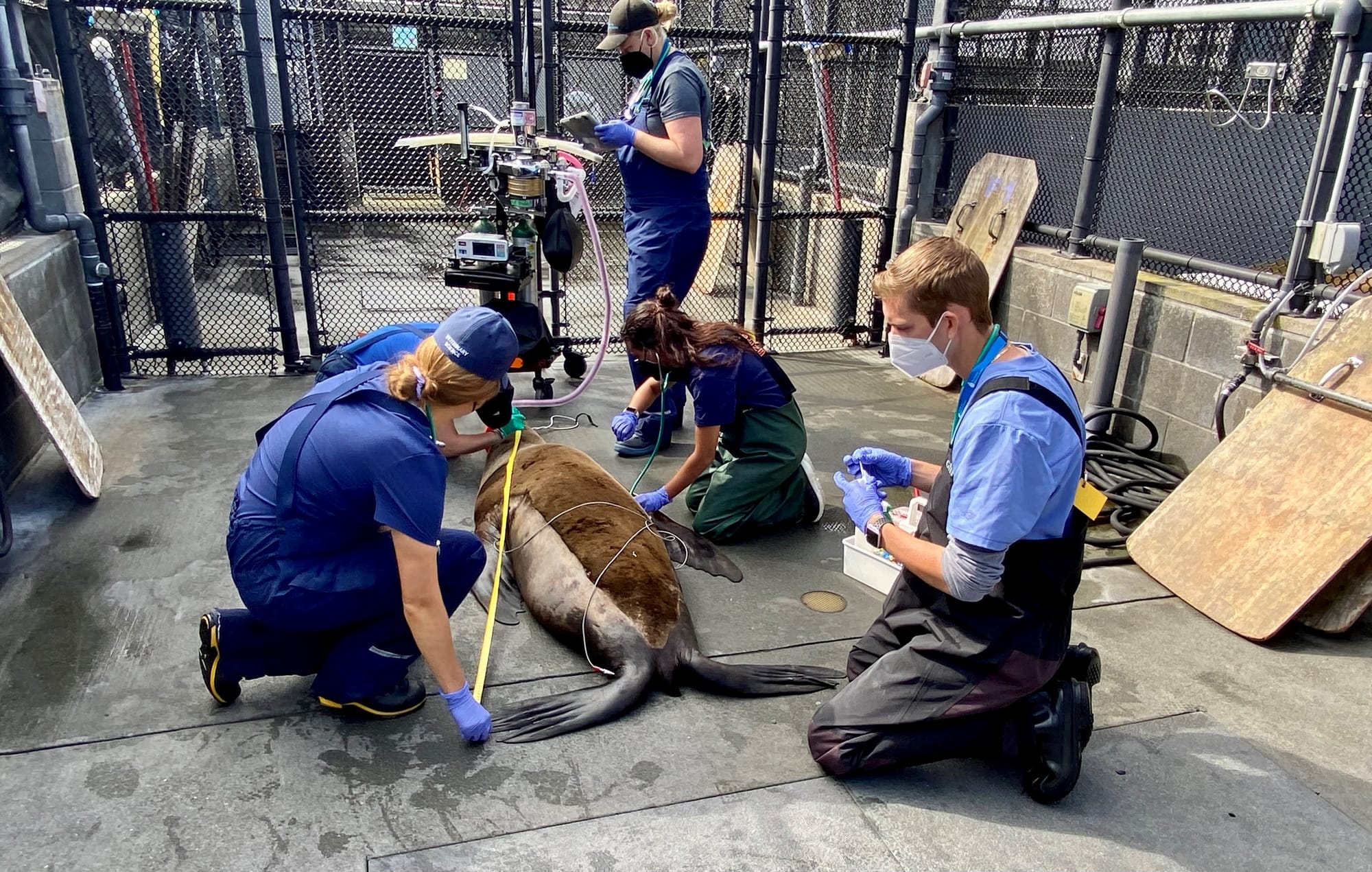
The lion, given the name He’e Nalu, which is the traditional Hawaiian term for surfing, was given antibiotics and an IV to flush the toxin, but her condition was too advanced to be reversed.
Algae thrives in unusually warm waters off the West Coast — ocean conditions that have become more frequent in recent years. No outbreaks of domoic acid have been reported on the North Coast this summer. However, the risk of a harmful algal bloom remains elevated across Northern California, due to a warmer-than-average spring and steady nutrient runoff, according to a state monitoring and alert program.
The hotspots of the neurotoxin are becoming more widespread, reaching areas that have been previously considered safe like the Humboldt County coast, said Raphael Kudela, professor of ocean sciences at UC Santa Cruz.
Last year, one of the largest outbreaks on record killed hundreds of sea lions, dolphins, and several whales along the California coast.
Monterey Bay and the central California coast have in recent years experienced extremely high concentrations of harmful algal blooms, resulting in widespread impacts to marine wildlife and heightened concern, UC Santa Cruz researchers said.
In June, two juvenile humpback whales were stranded and died less than 10 miles apart on beaches in Monterey Bay. The suspected cause of death was domoic acid.
Possible Warning of Decline in Ocean Health
Experts said climate change may be contributing to the problem. However, Rulli said the issue is more complicated than that. And it is not just domoic acid poisoning. Other toxins are also becoming more prevalent, he said.
“Climate can play a role, but it’s not just that heat equals large outbreaks of domoic acid," Rulli said.
One thing is clear. Scientists said more research is needed. Since sea lions eat much of the same food that people eat, breakthroughs in research can impact humans as well, Rulli said.
“Sea lions serve as a window into the health of our ocean,” Rulli said. “When we see clusters of dozens and dozens coming in with this poisoning, it is an early indicator of problems in the ocean.”
The neurotoxin is known to build up in ocean animals, often causing no symptoms until it accumulates to a toxic level. Sea lions don't drink water to hydrate. Instead, they get the water they need by consuming water-rich prey like fish, thereby accumulating the toxins in their bodies, said Rulli.
The advanced symptoms of the two sea lions from Petaluma led the marine veterinarians to euthanize them. If left untreated, the poisoning can lead to systemic brain and heart damage, and a painful death.
It is rare but not unheard of for sea lions to make their way up the Petaluma River to the downtown Turning Basin. Some of them have even been rescued, found to be in good health, and released back to the wild.
Kudela said sea lions often make their way into the mouth of rivers, including the Petaluma, Napa, and Sacramento rivers, where they search for food. It doesn’t necessarily mean they are sick, he said. However, when they travel 13 miles to Petaluma, he said that could be cause for concern.
The Marine Mammal Center, in 1998, was the first organization in the country to diagnose domoic acid poisoning in marine mammals, Rulli said. If they notice a surge they will alert the California Department of Public Health, which issues shellfish and crab advisories.
Rulli pushed back against the theory that a sea lion might be disoriented or sick if it swims deep into a river. They often travel hundreds of miles, following easy food sources like carp and striped bass that are plentiful in the Petaluma River, he said. As an example, Rulli noted there are perfectly healthy sea lions who take up residence on docks on the Sacramento River, he added.
A History of Marine Mammals in Petaluma
In 2004, a 290-pound sea lion was rescued from Petaluma, cleared a health evaluation, and was released into the ocean at Point Reyes. Unfortunately, the next month he was mysteriously found dead in a St. Helena vineyard in an unsolved shooting.
In 1994, a six-ton, 30-foot gray whale once found himself seemingly stuck in the Petaluma River tidal slough. After several days, he made his way back to San Pablo Bay with the help of scientists and volunteers.
The population of California sea lions spans from Vancouver Island to Baja California. The Marine Mammal Center rescues an average of 800 marine mammals a year over its 600-mile range, and as many as 1,800 in its busiest year.
That includes as many as 60 to 100 sea lions suffering from domoic acid poisoning in a typical year, although in recent years during the worst outbreaks they were trying to treat as many as 200 a month, Rulli said.
Experts Remind Public to Give Wildlife Space
Rulli emphasized how important it is for people to give sea lions space if encountered in the Petaluma River or anywhere else. A distance of at least 150 feet is recommended, and dogs should be leashed.
While it is normal to be curious, people are often unaware of the potential harm a human presence can cause. That includes causing separations of mom and pup, Rulli said.
The sea lion named He'e Nalu climbed onto a public dock in the Turning Basin of the Petaluma River in this video provided by the Petaluma Floathouse. It turned out the sea lion was untreatably sick with domoic acid poisoning and had to be euthanized. It is common for people to be able to get close to sick sea lions without appearing to disturb them. However, Giancarlo Rulli, spokesperson for the Marine Mammal Center, said it is a teachable moment. He urged onlookers to keep their distance for the sake of the animal. "Had this animal been a female harbor seal with a dependent pup, for example, the chance for maternal separation of mom and a pup would be extremely high," said Rulli, who noted that about 30% of sea lions are disturbed by humans or unleashed dogs before rescuers arrive.
Almost 30% of the Marine Mammal Center’s cases are unnecessarily disturbed by humans or dogs prior to the rescue attempt, Rulli said. That often complicates or jeopardizes a rescue, he said.
When encountering a marine mammal who appears in distress, the Marin Mammal Center said to call them at 415-289-7325.
The goal of the center is to give marine mammals a second chance. However, the organization acknowledges that death is part of the environment they work in. The organization said it learns through necropsy, which helps them better treat the next animal and may even help human-health researchers.